
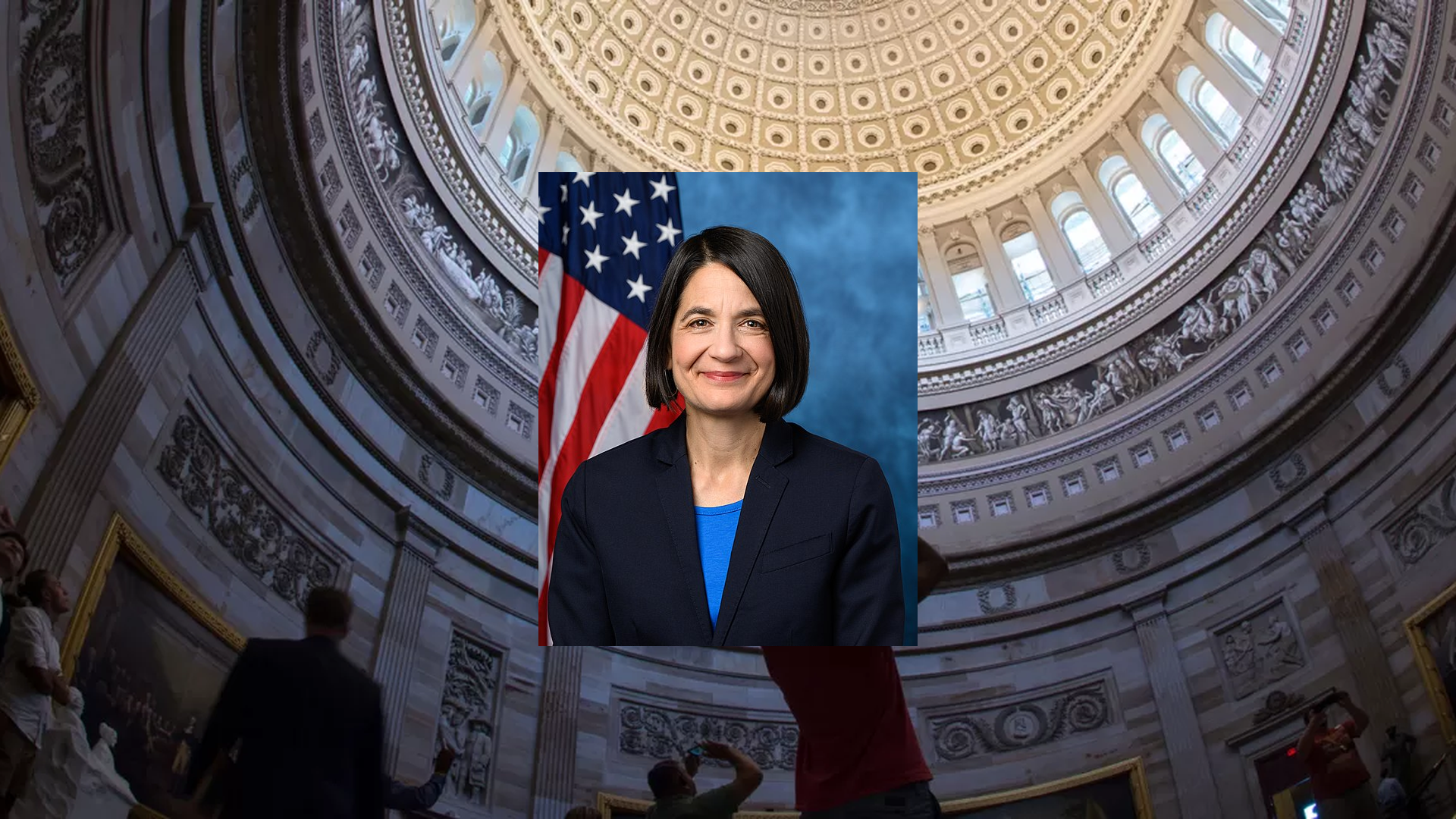
We have received text from H.R. 10245: 9–8–8 and 9–1–1 Integration Act. This bill was received on 2026-09-03, and currently has 6 cosponsors.
Here is a short summary of the bill:
This bill would require the Secretary of Health and Human Services, working with the Attorney General, to create a panel of experts to study how 9–1–1 dispatchers should be trained and what procedures they should follow when a caller may be experiencing a mental health crisis, substance use crisis, or related behavioral health emergency.
What the panel would do
- Bring together experts such as psychiatrists, emergency medical personnel, law enforcement officers, 9–1–1 dispatchers, 9–8–8 crisis line representatives, Tribal representatives, people from underserved communities, and people with experience treating serious mental illness or PTSD, including veterans and servicemembers.
- Develop recommendations for how 9–1–1 dispatchers should be trained and what protocols they should use.
- Look at ways to connect certain 9–1–1 callers to crisis care services instead of automatically sending law enforcement.
- Consider ways to integrate the 9–8–8 Suicide and Crisis Lifeline with the 9–1–1 system, including transferring calls from 9–1–1 to 9–8–8 when appropriate.
- Develop a process for identifying callers who may be in psychiatric distress, having a mental health crisis, a substance use crisis, or a combined crisis, and for assessing how much help they need using standardized tools.
Training and staffing recommendations
The panel would recommend training, staffing, and call-handling procedures for 9–1–1 and 9–8–8 personnel. These recommendations would include training on cultural competency, implicit bias, and evidence-based practices for responding to behavioral health emergencies. The bill also asks for procedures to recruit, retain, or designate dispatch personnel with special experience serving rural or medically underserved communities, or people with serious mental illness or PTSD.
Coordination with federal crisis-response efforts
The panel would be required to coordinate with the Substance Abuse and Mental Health Services Administration so the recommendations line up with federal guidance and training standards for the 9–8–8 Lifeline and other behavioral health crisis systems.
Data collection and reporting
The panel would also create standards for collecting and reporting data on 9–1–1 and 9–8–8 contacts. This would include tracking:
- whether callers are connected to crisis care services,
- how often law enforcement is involved, and
- whether there are differences in response times, referrals, or outcomes for different populations.
The data standards would have to protect caller privacy and confidentiality. The panel would also coordinate with national 9–1–1 system partners and state and local 9–1–1 agencies when developing these standards.
Reports and updates
The panel would have to submit its recommendations to Congress when they are issued, and again whenever they are updated. The recommendations would need to be updated at least once every five years.
Relevant Companies
None found
Representative Becca Balint Bill Proposals
Here are some bills which have recently been proposed by Representative Becca Balint:
- H.R.10245: 9–8–8 and 9–1–1 Integration Act
- H.R.9948: Addictive Design Act of 2026
- H.R.9799: Online Sellers’ Bill of Rights Act of 2026
- H.R.9572: BUFFER Act
- H.R.9540: Community Housing Act of 2026
- H.R.8093: Privacy Protection Updates Act
You can track bills proposed by Representative Becca Balint on Quiver Quantitative's politician page for Balint.
Representative Becca Balint Net Worth
Quiver Quantitative estimates that Representative Becca Balint is worth $2.1M, as of September 4th, 2026. This is the 266th highest net worth in Congress, per our live estimates.
Balint has approximately $301.6K invested in publicly traded assets which Quiver is able to track live.
You can track Representative Becca Balint's net worth on Quiver Quantitative's politician page for Balint.
2026 Vermont's 0th Congressional District Election
There has been approximately $1,715,138 of spending in Vermont's 0th congressional district elections over the last two years, per our estimates.
Approximately $314,638 of this has been from outside spending by PACs and Super PACs.
The rating for this race is currently "Solid D".
You can track this election on our matchup page for the 2026 Vermont's 0th congressional district election.
This article is not financial advice. See Quiver Quantitative's disclaimers for more information.