
H.R. 9948: Addictive Design Act of 2026
This bill would create a federal effort focused on how AI chatbots may affect the mental health of people under 18, and would restrict certain chatbot features when they are made available to minors.
What the bill sets up
Within 60 days of enactment, the President would have to create an interagency task force called the Task Force Addressing the Impact of Addictive Design Features on Youth Mental Health. The task force would include federal officials from agencies such as the Department of Health and Human Services, the FTC, and NIST, along with academic researchers and mental health professionals.
The task force would review existing research and then make recommendations on:
- How to reduce mental health risks for youth who use AI chatbots.
- How covered entities can identify warning signs such as unhealthy emotional attachment or addiction.
- Best practices for referring young users to licensed mental health services.
- How to identify and respond to mental health outcomes tied to chatbot use.
The task force’s recommendations would be posted publicly on HHS and SAMHSA websites, and the task force would submit a report to Congress after the related research projects are finished. The task force would end 60 days after submitting that report.
Research and outreach grants
The bill would direct the Secretary of Health and Human Services to create two grant programs from fiscal years 2027 through 2032:
- Research grants for colleges and universities to study how AI chatbots affect youth mental health.
- Outreach grants for eligible nonprofit or community-based organizations to train parents, guardians, and K-12 teachers on how to spot and respond to warning signs.
Schools getting research grants would have to show that they can safely store data. They could also request relevant data and information from covered entities for their studies. HHS would report to Congress on who received grants and how much money was awarded.
Restrictions on chatbot design for minors
The bill would prohibit a “covered entity” from making an AI chatbot with “addictive design features” available to youth. In general, the bill defines youth as people under 18 who live in the United States.
“Addictive design features” are defined broadly to include features intended to mimic human behavior, build emotional relationships, or keep users engaged, including:
- Typing bubbles
- Avatars
- Storing and using personal information from earlier conversations
- Requiring extra engagement or payment to continue a conversation
- Keeping a conversation going for more than two hours
- Impersonating a real person, living or dead
Age verification and data limits
If a company uses age-verification technology to check whether a user is a youth, it would have to limit data collection to only what is strictly necessary for that purpose. It would also have to delete that data within 24 hours after reviewing it.
Enforcement
The Attorney General could seek court orders to stop violations. Civil penalties could apply in two places:
- Up to $10 million for failing to provide requested data for authorized research projects.
- $5,000 per violation for making a prohibited chatbot available to youth or for failing to follow the age-verification data rules.
Relevant Companies
None found
This is an AI-generated summary of the bill text. There may be mistakes.
Sponsors
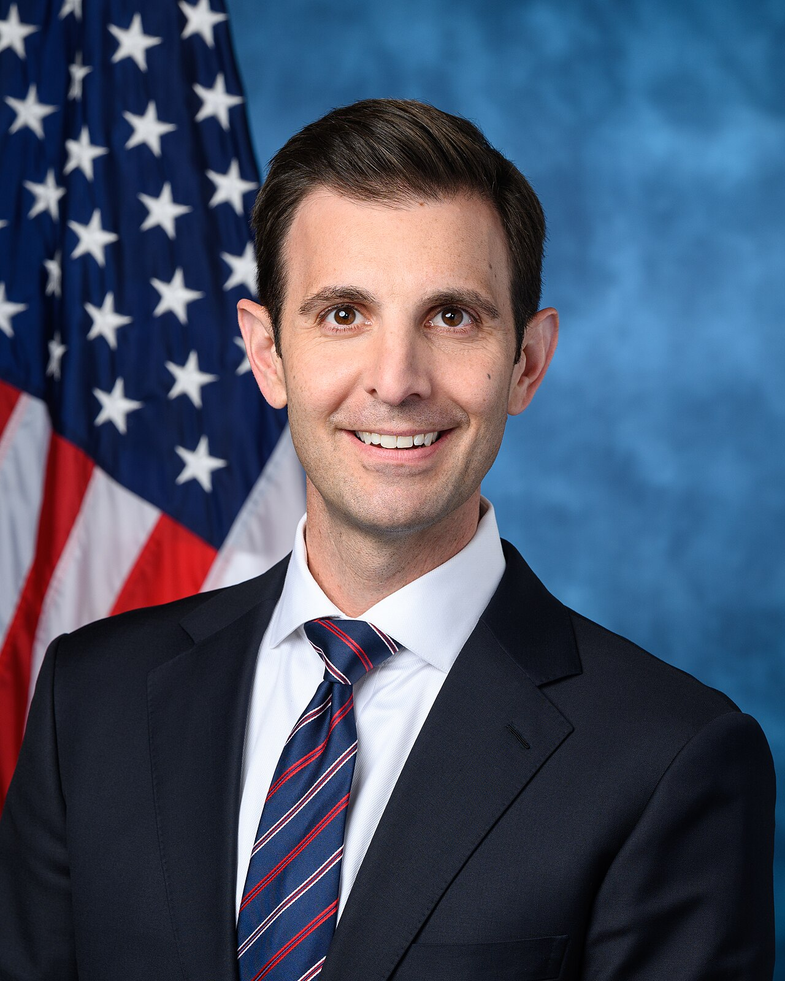
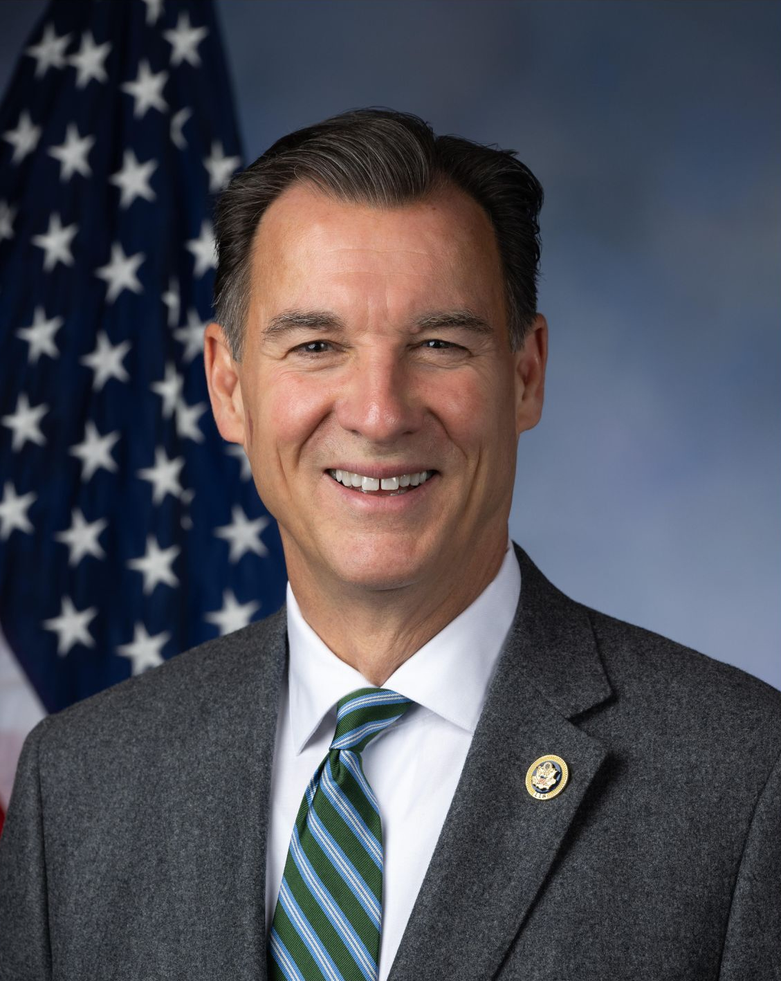
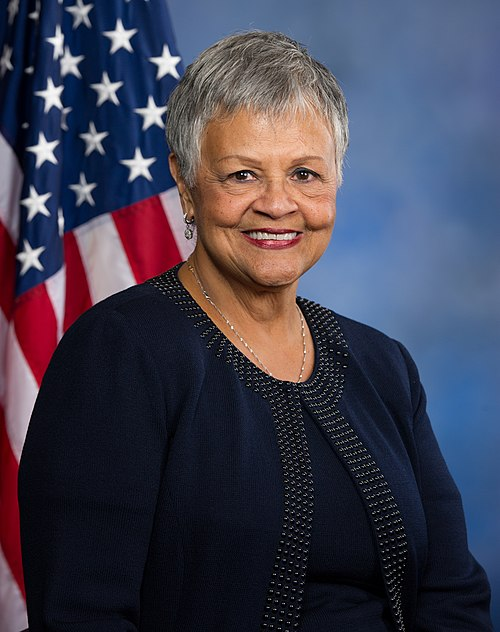
5 bill sponsors


Actions
2 actions
| Date | Action |
|---|---|
| Jul. 27, 2026 | Introduced in House |
| Jul. 27, 2026 | Referred to the Committee on Energy and Commerce, and in addition to the Committee on Education and Workforce, for a period to be subsequently determined by the Speaker, in each case for consideration of such provisions as fall within the jurisdiction of the committee concerned. |
Corporate Lobbying
0 companies lobbying
None found.
* Note that there can be significant delays in lobbying disclosures, and our data may be incomplete.
Potentially Relevant Congressional Stock Trades
No relevant congressional stock trades found.