
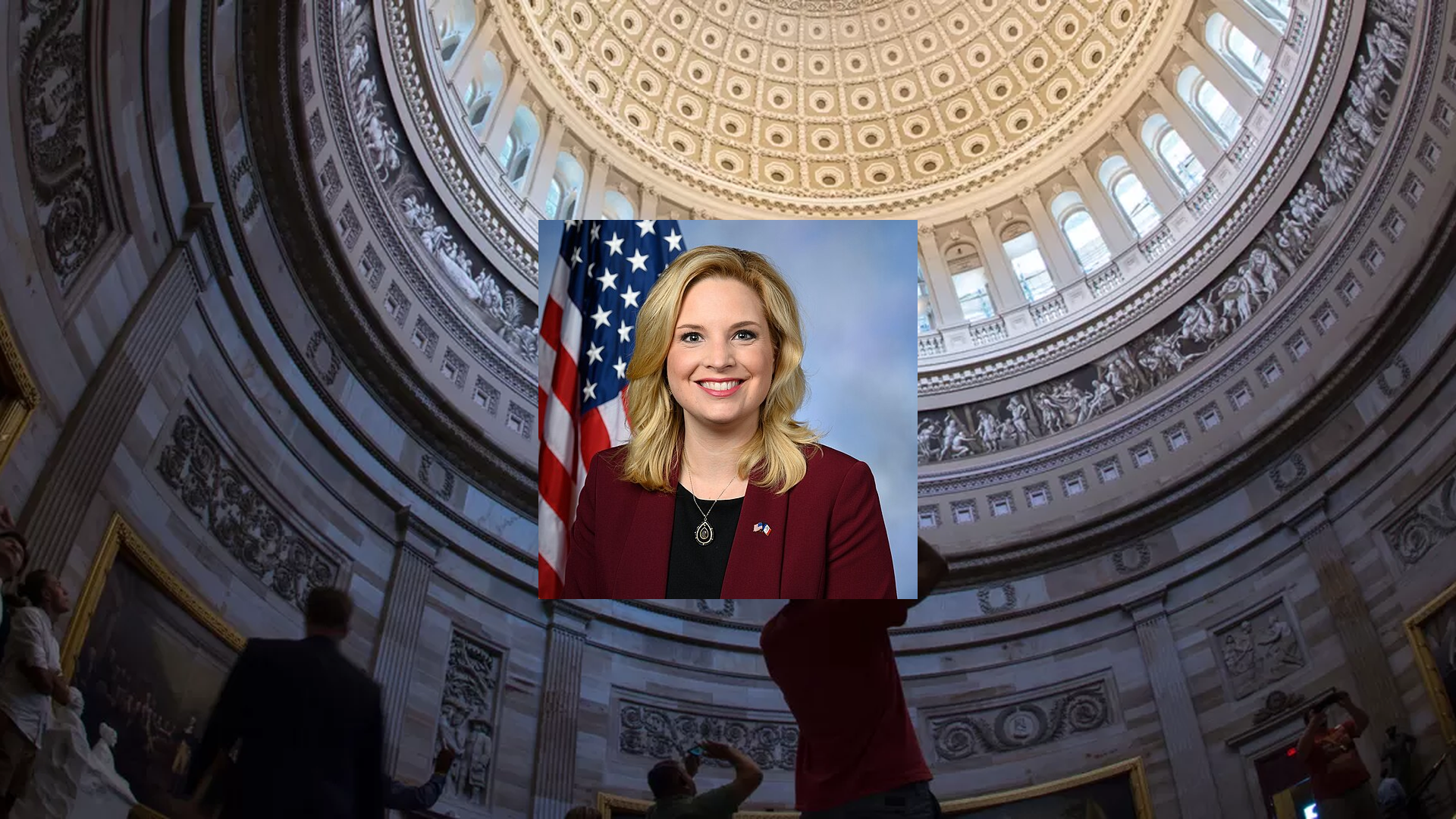
We have received text from H.R. 9628: TEACH Improvement Act of 2026. This bill was received on 2026-07-09, and currently has 1 cosponsor.
Here is a short summary of the bill:
This bill would change the federal TEACH Grant program, which gives money to students and teachers who agree to work in certain teaching jobs after finishing school.
What the grants are for
The bill keeps the basic idea of TEACH Grants: the Department of Education would give grants to people preparing to become teachers, or current teachers seeking more training, if they agree to teach for a set period in certain schools and subject areas.
Under the bill, eligible recipients generally must agree to:
- Teach full time for at least 4 academic years within 8 years after finishing the program for which they got the grant.
- Teach in a qualifying school.
- Teach in a qualifying subject or high-need area, such as math, science, foreign language, bilingual education, special education, reading specialist work, career and technical education, school mental health, or another approved high-need field.
- Submit yearly proof of employment.
- Meet any state teacher certification requirements.
How much money could be awarded
The bill sets grant amounts at:
- $4,000 per year for each of the first two years for some undergraduate or post-baccalaureate students, then
- $5,000 per year for the next two years.
For certain graduate-level applicants, the grant would be $5,000 per year .
The bill also keeps overall limits on total aid:
- $18,000 maximum for undergraduate or post-baccalaureate study.
- $10,000 maximum for graduate study.
What happens if the service requirement is not met
If a recipient does not complete the required teaching service, the grant is converted into a federal loan and must be repaid, generally on a prorated basis based on how much of the service obligation was not completed.
The bill also adds a reconsideration process. If a grant was converted to a loan because of an error, a late or missing certification, a delay by the Department, a change in the list of qualifying fields, or another valid reason, the person could ask the Department to review the decision. If the Department finds the person did meet or is meeting the service obligation, it would have to:
- Discharge the loan and restore the grant,
- Remove related interest and fees,
- Reapply any payments to other federal student loans if the person has them, or reimburse payments if not,
- Ask credit reporting agencies to remove negative reporting tied to the conversion, and
- Extend the time available to complete the teaching service.
Changes aimed at reducing grant-to-loan conversions
The bill adds rules for schools with high rates of TEACH Grants turning into loans. If a school has a high share of recipients whose grants were converted to loans, the school could face limits on participating in the program for a period of time and would have to take additional steps, such as:
- Providing more financial aid counseling,
- Creating a task force to identify why conversions are happening, and
- Making a plan to improve outcomes.
The bill also requires the Department of Education to provide technical assistance to schools and share best practices for reducing loan conversions.
Other administrative changes
The bill requires the Department to:
- Maintain and update public lists of qualifying schools and high-need fields,
- Notify recipients each year about required certification steps,
- Provide an alternative way to verify employment if a school no longer exists or will not cooperate, and
- Set rules for excusing service obligations in certain extenuating circumstances.
It also clarifies that if a teacher started service in a field or school that later stops being listed as qualifying, the teacher can still complete the service requirement in that same placement.
Reporting and oversight
The bill would require the Department to issue regular reports to Congress on the TEACH Grant program, including information about:
- How many people receive grants,
- What degrees they earn,
- Where they teach and in what fields,
- How long they serve,
- How many grants are converted to loans and later restored, and
- Complaints, demographic information, and recommended program improvements.
It also directs the Department to write rules holding third-party servicers accountable for mistakes that cause recipients to lose benefits.
Effective date
The changes would take effect on July 1, 2026 .
Relevant Companies
None found
Representative Ashley Hinson Bill Proposals
Here are some bills which have recently been proposed by Representative Ashley Hinson:
- H.R.9628: To amend the Higher Education Act of 1965 regarding the use of TEACH Grants, and for other purposes.
- H.R.9280: Veterans to Advanced Manufacturing Plan Act
- H.R.8687: ENDS Chinese Vapes Act of 2026
- H.R.8544: PURE Executive Act
- H.R.8084: Access to LARCs Act
- H.R.8083: Allowing Greater Access to Safe and Effective Contraception Act
You can track bills proposed by Representative Ashley Hinson on Quiver Quantitative's politician page for Hinson.
Representative Ashley Hinson Net Worth
Quiver Quantitative estimates that Representative Ashley Hinson is worth $5.1M, as of July 17th, 2026. This is the 166th highest net worth in Congress, per our live estimates.
Hinson has approximately $454.9K invested in publicly traded assets which Quiver is able to track live.
You can track Representative Ashley Hinson's net worth on Quiver Quantitative's politician page for Hinson.
Representative Ashley Hinson Stock Trading
We have data on up to $715.0K of trades from Representative Ashley Hinson, which we parsed from STOCK Act filings. Some of the largest trades include:
- A March 31st, 2021 sale of up to $50K of $AMZN. The stock has risen 61.53% since then.
- A March 31st, 2021 sale of up to $15K of $BABA. The stock has fallen 48.18% since then.
- A March 31st, 2021 sale of up to $15K of $TSLA. The stock has risen 75.64% since then.
- A March 31st, 2021 sale of up to $15K of $AAPL. The stock has risen 172.83% since then.
- A March 31st, 2021 sale of up to $15K of $HRTX. The stock has fallen 97.06% since then.
You can track Representative Ashley Hinson's stock trading on Quiver Quantitative's politician page for Hinson.
2026 Iowa's 2nd Congressional District Election
There has been approximately $8,555,380 of spending in Iowa's 2nd congressional district elections over the last two years, per our estimates.
Approximately $495,721 of this has been from outside spending by PACs and Super PACs. Some of the groups who are spending money in this race include:
- AB PAC ($255,645)
- CLEARPATH ACTION FUND, INC. ($100,750)
- AMERICANS FOR PROSPERITY ACTION, INC. (AFP ACTION) DBA CVA ACTION AND DBA LIBRE ACTION ($74,600)
- PROJECT 218 ($53,203)
- SENATE CONSERVATIVES ACTION ($10,803)
The rating for this race is currently "Lean R".
You can track this election on our matchup page for the 2026 Iowa's 2nd congressional district election.
This article is not financial advice. See Quiver Quantitative's disclaimers for more information.