H.R. 9628: TEACH Improvement Act of 2026
This bill would change the federal TEACH Grant program, which gives money to students and teachers who agree to work in certain teaching jobs after finishing school.
What the grants are for
The bill keeps the basic idea of TEACH Grants: the Department of Education would give grants to people preparing to become teachers, or current teachers seeking more training, if they agree to teach for a set period in certain schools and subject areas.
Under the bill, eligible recipients generally must agree to:
- Teach full time for at least 4 academic years within 8 years after finishing the program for which they got the grant.
- Teach in a qualifying school.
- Teach in a qualifying subject or high-need area, such as math, science, foreign language, bilingual education, special education, reading specialist work, career and technical education, school mental health, or another approved high-need field.
- Submit yearly proof of employment.
- Meet any state teacher certification requirements.
How much money could be awarded
The bill sets grant amounts at:
- $4,000 per year for each of the first two years for some undergraduate or post-baccalaureate students, then
- $5,000 per year for the next two years.
For certain graduate-level applicants, the grant would be $5,000 per year.
The bill also keeps overall limits on total aid:
- $18,000 maximum for undergraduate or post-baccalaureate study.
- $10,000 maximum for graduate study.
What happens if the service requirement is not met
If a recipient does not complete the required teaching service, the grant is converted into a federal loan and must be repaid, generally on a prorated basis based on how much of the service obligation was not completed.
The bill also adds a reconsideration process. If a grant was converted to a loan because of an error, a late or missing certification, a delay by the Department, a change in the list of qualifying fields, or another valid reason, the person could ask the Department to review the decision. If the Department finds the person did meet or is meeting the service obligation, it would have to:
- Discharge the loan and restore the grant,
- Remove related interest and fees,
- Reapply any payments to other federal student loans if the person has them, or reimburse payments if not,
- Ask credit reporting agencies to remove negative reporting tied to the conversion, and
- Extend the time available to complete the teaching service.
Changes aimed at reducing grant-to-loan conversions
The bill adds rules for schools with high rates of TEACH Grants turning into loans. If a school has a high share of recipients whose grants were converted to loans, the school could face limits on participating in the program for a period of time and would have to take additional steps, such as:
- Providing more financial aid counseling,
- Creating a task force to identify why conversions are happening, and
- Making a plan to improve outcomes.
The bill also requires the Department of Education to provide technical assistance to schools and share best practices for reducing loan conversions.
Other administrative changes
The bill requires the Department to:
- Maintain and update public lists of qualifying schools and high-need fields,
- Notify recipients each year about required certification steps,
- Provide an alternative way to verify employment if a school no longer exists or will not cooperate, and
- Set rules for excusing service obligations in certain extenuating circumstances.
It also clarifies that if a teacher started service in a field or school that later stops being listed as qualifying, the teacher can still complete the service requirement in that same placement.
Reporting and oversight
The bill would require the Department to issue regular reports to Congress on the TEACH Grant program, including information about:
- How many people receive grants,
- What degrees they earn,
- Where they teach and in what fields,
- How long they serve,
- How many grants are converted to loans and later restored, and
- Complaints, demographic information, and recommended program improvements.
It also directs the Department to write rules holding third-party servicers accountable for mistakes that cause recipients to lose benefits.
Effective date
The changes would take effect on July 1, 2026.
Relevant Companies
None found
This is an AI-generated summary of the bill text. There may be mistakes.
Sponsors
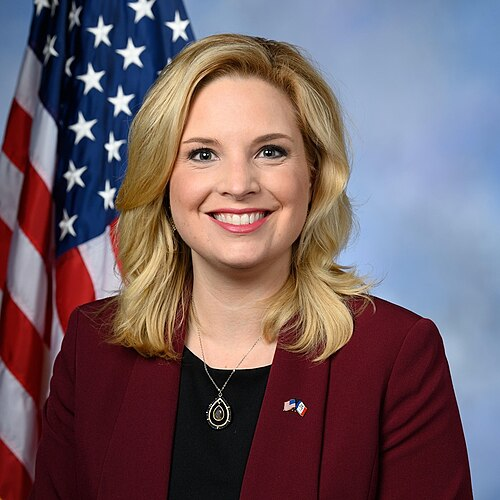
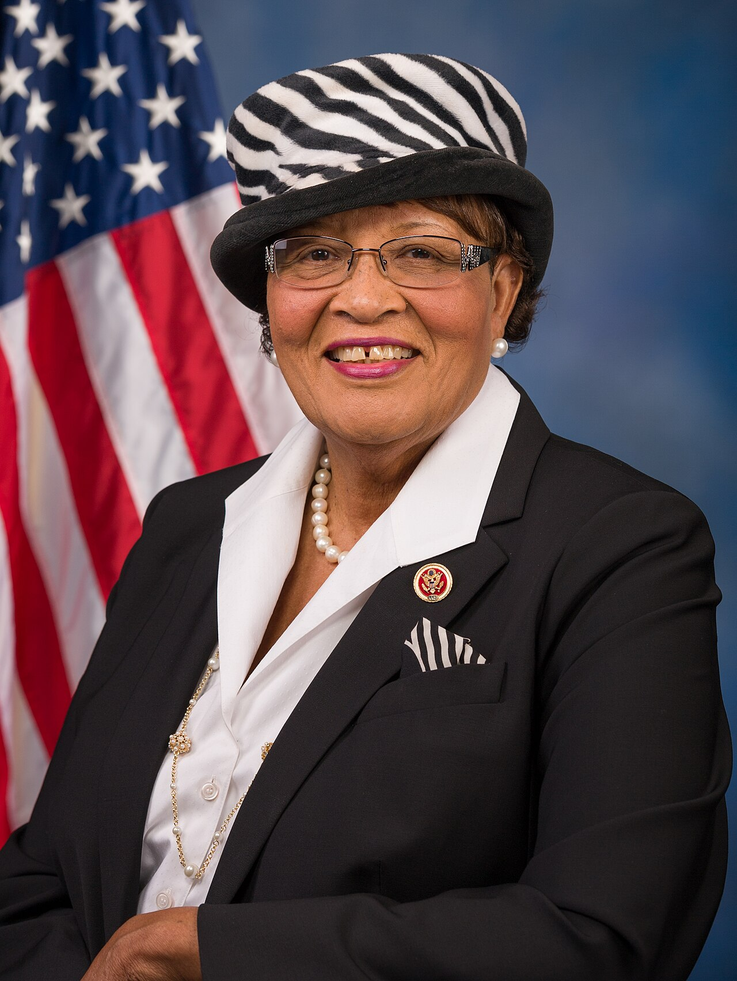
2 bill sponsors
Actions
2 actions
| Date | Action |
|---|---|
| Jul. 09, 2026 | Introduced in House |
| Jul. 09, 2026 | Referred to the House Committee on Education and Workforce. |
Corporate Lobbying
0 companies lobbying
None found.
* Note that there can be significant delays in lobbying disclosures, and our data may be incomplete.
Potentially Relevant Congressional Stock Trades
No relevant congressional stock trades found.