
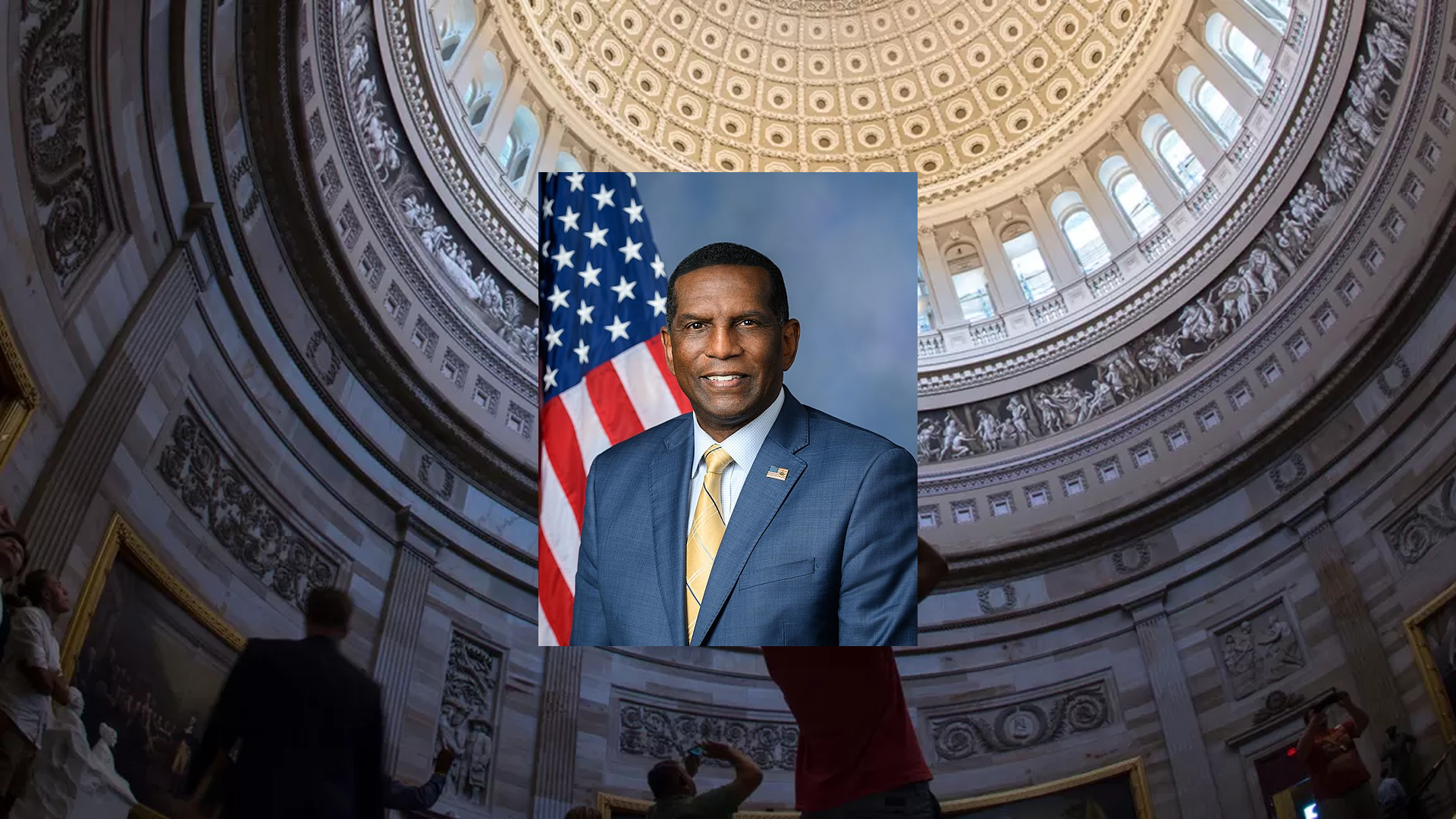
The House has passed H.R. 7892 - No Aid for Ghost Students Act of 2026. This bill was introduced by Representative Burgess Owens.
The vote was 249-172.
You can track corporate lobbying on this bill and relevant congressional stock trades on Quiver Quantitative's H.R. 7892 bill page.
Here is a short summary of a May 26, 2026 version of the bill.
H.R. 7892 - No Aid for Ghost Students Act of 2026 Summary
The proposed bill, known as the No Aid for Ghost Students Act of 2026 , aims to enhance the verification procedures related to the Free Application for Federal Student Aid (FAFSA) submissions. Specifically, it focuses on identifying and preventing identity fraud in applications for federal financial aid in higher education.
Key Provisions of the Bill
1. **Implementation of an Identity Fraud Detection System**: The bill mandates the Secretary of Education to utilize an identity fraud detection system starting October 1, 2026. This system will assess each FAFSA to determine if there is a reasonable suspicion of identity fraud.
2. **Notification Process**: If the Secretary identifies an application that raises suspicions of fraud, the following notifications will occur:
- The applicant will be informed about the suspicion, the reasons for this determination, and the fact that their information will be shared with the educational institutions they listed in their application.
- The educational institutions will also be notified that the application in question presents a reasonable suspicion of identity fraud and that the applicant must fulfill additional identity verification requirements before receiving federal financial aid.
3. **Additional Identity Verification Requirements**: The bill stipulates that no federal financial aid will be disbursed to an applicant whose FAFSA indicates a suspicion of identity fraud unless the institution can confirm the applicant's identity through either in-person verification or live audiovisual verification. Additionally, the institution must notify the Secretary of Education once identity verification is complete and maintain records of this verification.
4. **Establishing Guidelines**: The Secretary of Education is tasked with developing guidelines for the identity verification procedures that institutions are required to follow starting from October 1, 2026.
5. **Reporting and Evaluation**: The Secretary must submit a written description of the identity fraud detection system by November 1, 2026, and provide an annual evaluation report on the system's effectiveness beginning October 1, 2027. This will ensure accountability and continuous improvement of the fraud detection measures in place.
Implications
The bill focuses on streamlining the verification process for federal financial aid applications and aims to deter fraudulent activities, ensuring that aid reaches legitimate students. Through the intended measures, the bill seeks to bolster the integrity of the financial aid system in higher education.
Relevant Companies
None found
This article is not financial advice. Bill summaries may be unreliable. Consult Congress.gov for full bill text. See Quiver Quantitative's disclaimers for more information.
Representative Burgess Owens Bill Proposals
Here are some bills which have recently been proposed by Representative Burgess Owens:
- H.R.8705: CHARLIE Act
- H.R.8384: To provide for the conveyance of certain property to the Utah National Guard located in Lehi, Utah, and for other purposes.
- H.R.8347: RURAL Healthcare Act
- H.R.8272: To classify qualified locum tenens professionals and advanced care practitioners as independent contractors for the purposes of the Fair Labor Standards Act of 1938 and the National Labor Relations Act.
- H.R.8183: MATCH Act of 2026
- H.R.7918: Kids in Classes Act
You can track bills proposed by Representative Burgess Owens on Quiver Quantitative's politician page for Owens.
Representative Burgess Owens Net Worth
Quiver Quantitative estimates that Representative Burgess Owens is worth $16.0K, as of June 10th, 2026. This is the 481st highest net worth in Congress, per our live estimates.
Owens has approximately $0 invested in publicly traded assets which Quiver is able to track live.
You can track Representative Burgess Owens's net worth on Quiver Quantitative's politician page for Owens.