H.R. 8347: Reinforcing Underserved, Rural, and Local Healthcare Act
This bill is titled the Reinforcing Underserved, Rural, and Local Healthcare Act, or the RURAL Healthcare Act. The main purpose of the bill is to classify certain healthcare professionals known as qualified locum tenens professionals and advanced care practitioners as independent contractors rather than employees under two specific federal laws: the Fair Labor Standards Act of 1938 and the National Labor Relations Act.
Key Provisions
The bill establishes the following key points:
- Definition of Qualified Professionals:
The bill defines "qualified locum tenens professionals or advanced care practitioners" as individuals who provide temporary healthcare services for a limited time, specifically up to one year at a single site. This includes roles filled for reasons like staffing coverage or flexibility.
- Independent Contractor Status:
Under this legislation, these professionals will not be treated as employees when they provide services on a temporary basis. This classification must be established via a written contract which specifies that they are not employees.
- Scope of Services:
The services rendered can include those provided by physicians, nurse practitioners, physician assistants, or certified registered nurse anesthetists.
Impact on Employment Classification
By designating these healthcare roles as independent contractors, the bill aims to provide more flexibility and fiscal efficiency for healthcare providers, especially in areas with workforce shortages. This classification can affect how these professionals are compensated, their benefits, and their rights under labor laws.
Goal of the Legislation
The overarching goal is to enhance healthcare availability and staffing in underserved, rural, and local areas, addressing gaps in care due to staffing shortages. By encouraging the use of locum tenens professionals, the bill seeks to help healthcare systems better manage their personnel needs without the constraints that typically accompany employee status.
Relevant Companies
- CNC - Centene Corporation: As a major healthcare company, it may engage locum tenens professionals to fill gaps in its service delivery, potentially benefiting from the independence and flexibility this bill provides.
- HCA - HCA Healthcare: This hospital system may employ locum tenens professionals to address temporary staffing needs, thus being directly impacted by the workforce classification outlined in the bill.
- LPNT - LifePoint Health: LifePoint, which operates community hospitals, may also rely on such healthcare professionals to maintain coverage in rural areas, allowing for more agile staffing practices.
This is an AI-generated summary of the bill text. There may be mistakes.
Sponsors
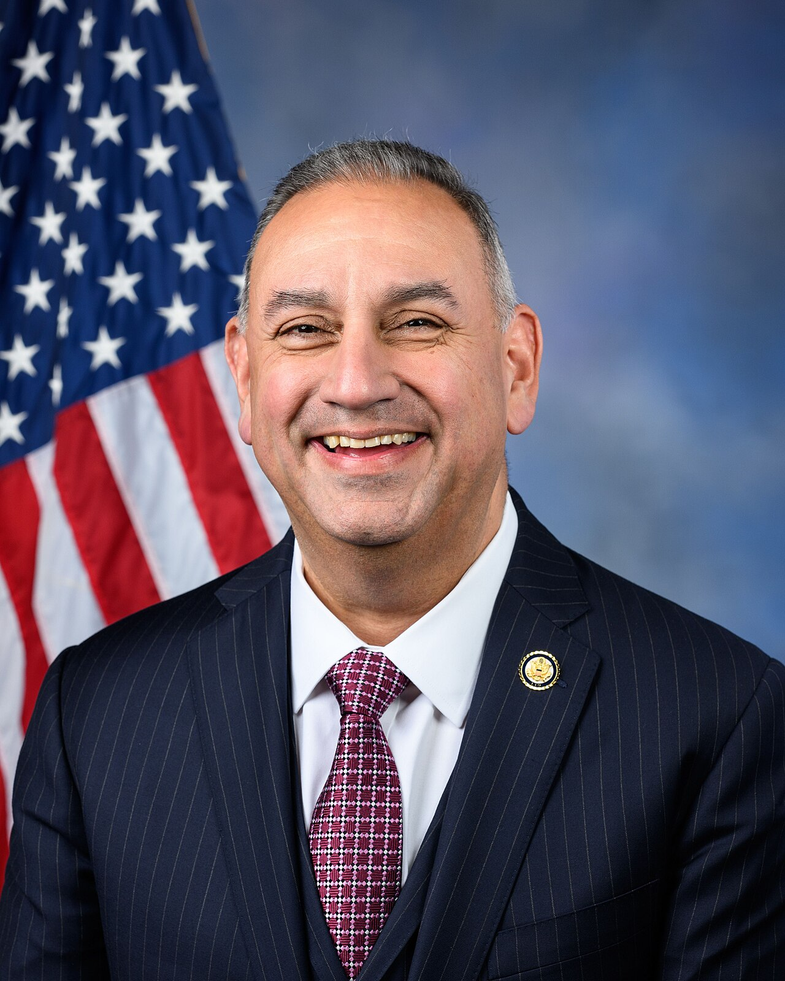
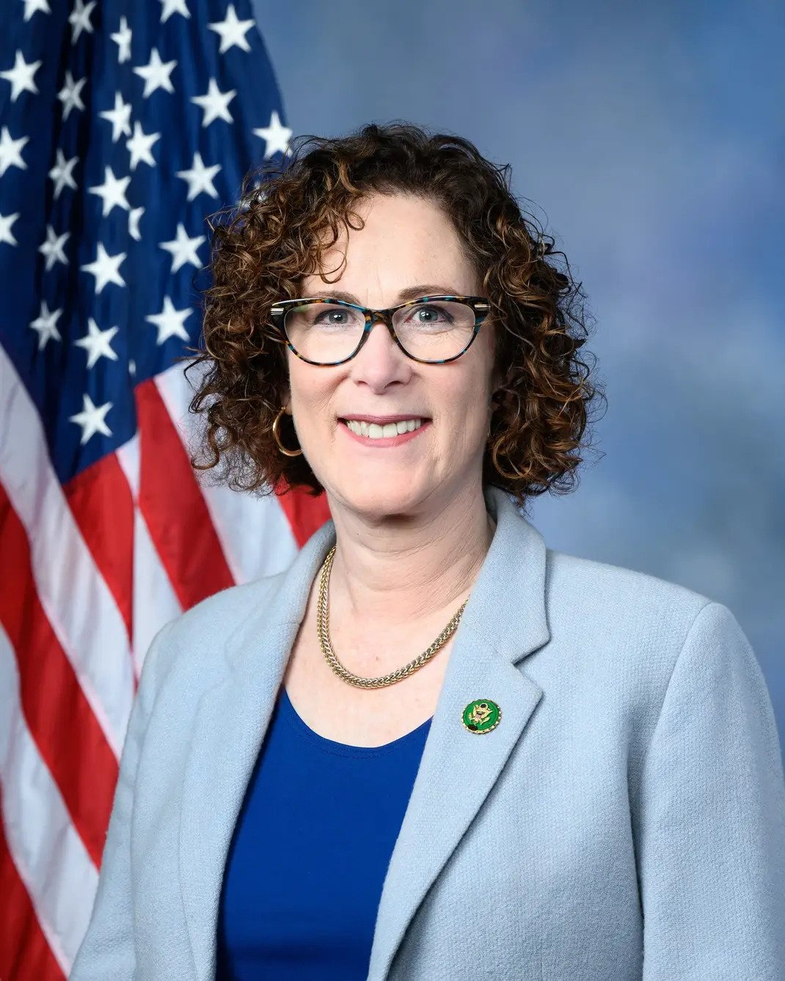
2 bill sponsors


Actions
4 actions
| Date | Action |
|---|---|
| Jul. 21, 2026 | Committee Consideration and Mark-up Session Held |
| Jul. 21, 2026 | Ordered to be Reported (Amended) by the Yeas and Nays: 18 - 15. |
| Apr. 16, 2026 | Introduced in House |
| Apr. 16, 2026 | Referred to the House Committee on Education and Workforce. |
Corporate Lobbying
0 companies lobbying
None found.
* Note that there can be significant delays in lobbying disclosures, and our data may be incomplete.