S. 5586: Ensuring Accurate Payments to Specialty Pharmacies Act
This bill would change how Medicaid figures out what to pay certain pharmacies, especially specialty and other non-retail pharmacies.
What it would require HHS to do
The bill would require the Secretary of Health and Human Services to run monthly surveys of non-retail pharmacies to estimate their drug acquisition costs. These surveys would be used to create national average drug acquisition cost benchmarks for covered outpatient drugs.
It would also let HHS, if it chooses, collect separate pricing data for different kinds of non-retail pharmacies, such as:
- mail-order pharmacies
- specialty pharmacies
- other non-retail pharmacy types identified by HHS
What counts as a non-retail pharmacy
The bill defines an applicable non-retail pharmacy as a licensed pharmacy that is not a retail community pharmacy. It specifically includes pharmacies that mainly dispense prescriptions by mail and specialty pharmacies. It excludes several other types of pharmacies, including:
- nursing home pharmacies
- long-term care facility pharmacies
- hospital pharmacies
- clinics
- charitable or nonprofit pharmacies
- government pharmacies
- low-dispensing pharmacies, as defined by HHS
How the survey process would work
The bill would require survey vendors to record and report pharmacy type information, including whether a pharmacy is owned by, operated by, or affiliated with a pharmacy benefit manager.
States would be required to make sure any applicable non-retail pharmacy that receives Medicaid-related payments, rebates, fees, or discounts responds to these surveys, even if those payments come through a managed care entity, pharmacy benefit manager, or another intermediary.
Public reporting and oversight
HHS would have to make the national drug acquisition price information publicly available. The published information would include:
- monthly response rates, including pharmacies that did not comply
- the survey sampling method and number of pharmacies sampled
- information on discounts, rebates, and other price concessions, if that information can legally be released
The Department of Health and Human Services Inspector General would also have to periodically review the survey data, look for unusual cost differences, and study whether related-party transactions or internal transfer prices affect reported costs. The Inspector General would report findings to Congress, while protecting trade secrets and other proprietary information.
Penalties and limits on use of the data
The bill would allow civil monetary penalties against non-retail pharmacies that fail to respond or otherwise do not comply with the survey requirements. These penalties could apply per violation, per non-response, and to each non-compliant pharmacy in a chain.
At the same time, the bill says states may not use pricing information collected from non-retail pharmacies to set or influence reimbursement rates for retail community pharmacies.
Funding and timing
The bill would provide $5 million to the Inspector General for fiscal year 2027 to carry out the oversight work, and it would also increase funding for the broader Medicaid drug rebate-related program by $9 million for fiscal year 2027 and each year after that.
The changes would take effect on the first day of the first quarter that begins at least 18 months after the bill is enacted.
Relevant Companies
- CVS — Could be affected through its specialty pharmacy and pharmacy benefit manager operations, since the bill requires more detailed reporting of non-retail pharmacy pricing and affiliations with PBMs.
- CI — Could be affected through its pharmacy benefit manager business, which may be subject to greater scrutiny of pharmacy pricing and related-party transactions.
- ELV — Could be affected through PBM and pharmacy services operations that interact with Medicaid pricing and reimbursement data.
- UNH — Could be affected through Optum Rx and related specialty pharmacy/PBM operations, especially where pricing surveys capture affiliated pharmacy costs.
- MCK — Could be indirectly affected if specialty pharmacy distribution and acquisition-cost reporting changes alter pricing or reimbursement dynamics.
- COR — Could be affected through specialty pharmacy and drug distribution activities that may fall within the bill’s non-retail pharmacy survey framework.
- CRL — Could be affected if specialty pharmacy and related distribution channels face changes in Medicaid reimbursement measurement and reporting.
This is an AI-generated summary of the bill text. There may be mistakes.
Sponsors
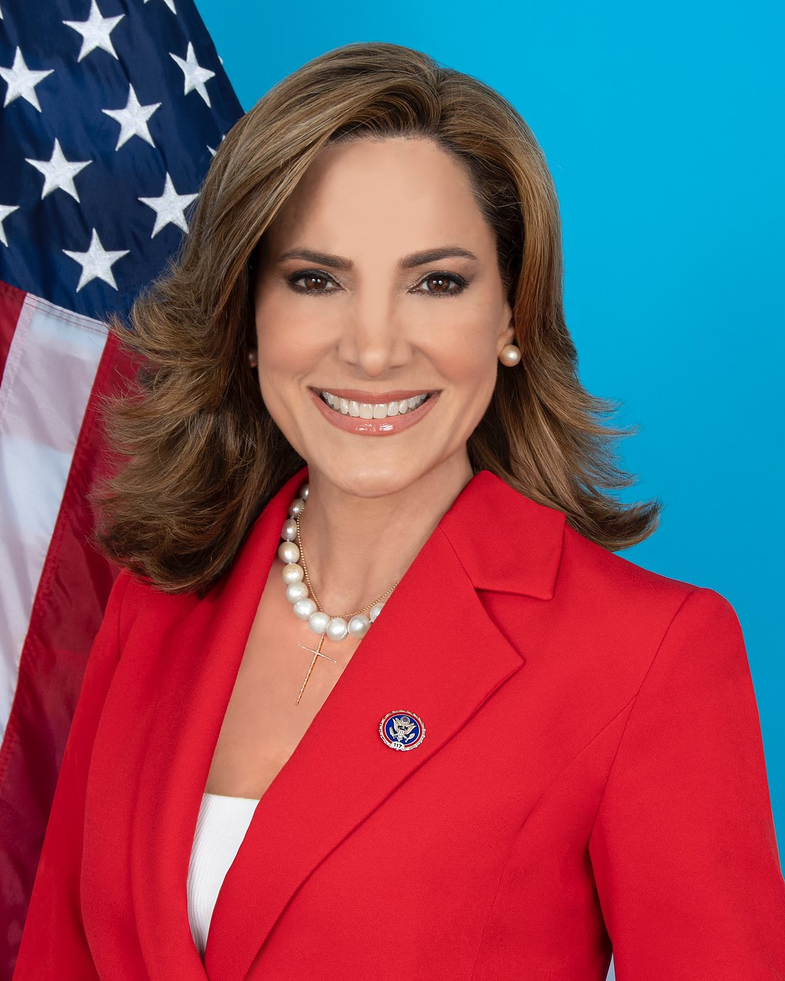
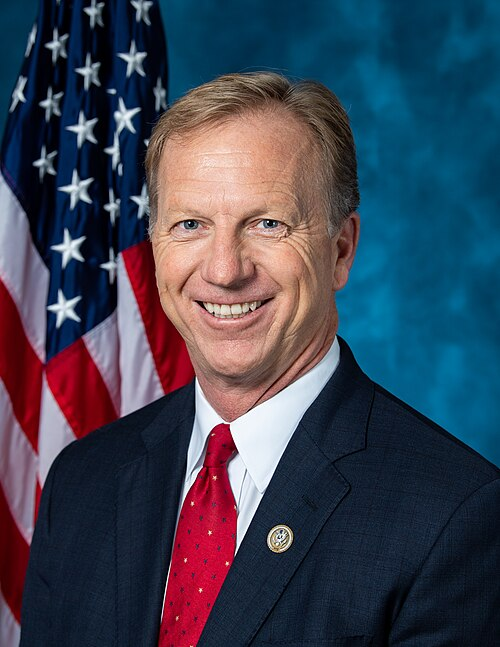
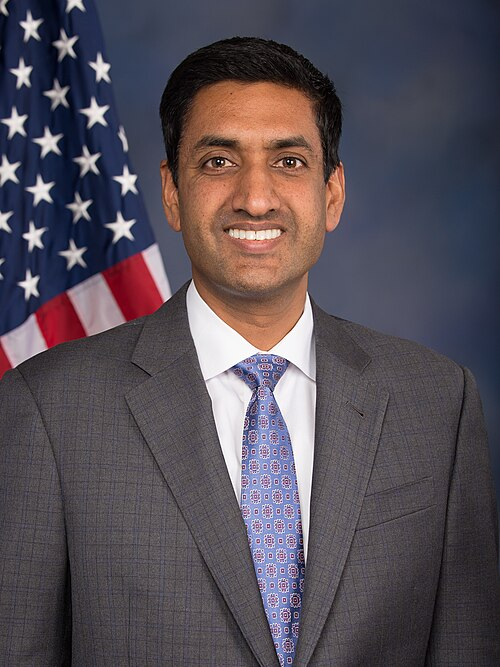
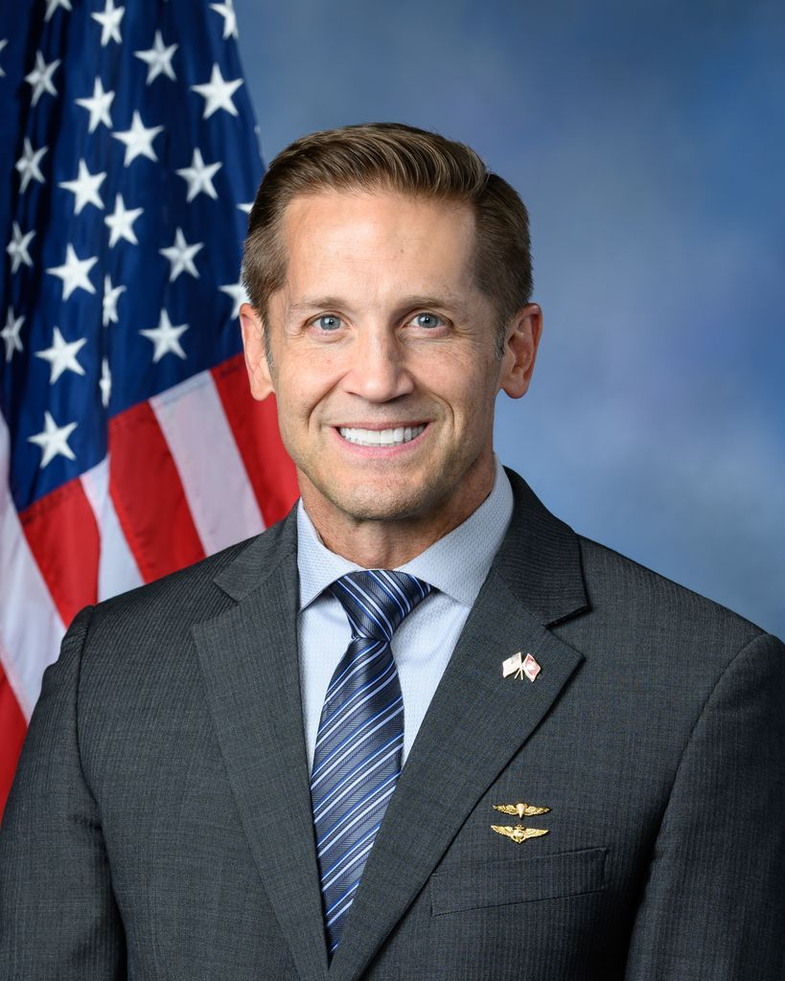
2 bill sponsors


Actions
2 actions
| Date | Action |
|---|---|
| Sep. 29, 2026 | Introduced in Senate |
| Sep. 29, 2026 | Read twice and referred to the Committee on Finance. |
Corporate Lobbying
0 companies lobbying
None found.
* Note that there can be significant delays in lobbying disclosures, and our data may be incomplete.