S. 5224: Runway Surface Awareness and Focused, Effective Training and Technology Act
This bill would direct the FAA to form a task force focused on how airport vehicle driver training is handled at commercial service airports, especially in the movement area—the runways, taxiways, and nearby areas where aircraft are actively moving. The task force would be created within 6 months of enactment and would include airport representatives, airlines and ground-handling companies, training and technology experts, FAA officials, aircraft rescue and firefighting representatives, labor representatives, and other stakeholders.
What the task force would do
The task force would study current training programs and make recommendations to the FAA on how to improve and modernize them. Its work would include looking at:
- making driver safety training more consistent across airports;
- improving recurring training requirements for people allowed to drive vehicles in the movement area;
- whether airports or contractors should attest that workers meet FAA-approved certification standards;
- how classroom training and technology-based training systems can be used more effectively;
- other tools and practices that could reduce vehicle-related incidents on airport surfaces;
- cost, access, and workforce issues that might make it harder to adopt new training technologies;
- whether similar training should also apply to people driving on paved areas next to or crossing movement areas.
The task force would have to submit a report with its recommendations within 1 year after it is established.
Funding changes
The bill would also change a federal airport grant program so that, for fiscal years 2027 through 2031, airport sponsors could receive grants for projects related to movement-area training and technology. Eligible projects would include:
- buying technology to help vehicles operate more safely in the movement area, such as hardware, software, sensors, displays, communications tools, mapping systems, positioning or geolocation equipment, simulation systems, and similar tools;
- acquiring, licensing, deploying, integrating, maintaining, and using technology-based training systems, software, and services for vehicle operators.
When awarding these grants, the Secretary would be told to give priority to projects that:
- reduce vehicle-related safety incidents on airport surfaces;
- improve situational awareness and radio communications for vehicle operators;
- are tailored to the specific layout, markings, lighting, communications, and procedures of the airport;
- address barriers such as cost, access, or workforce shortages.
The bill also says this new grant category would not limit airports’ ability to seek funding for these projects under other existing programs.
Practical effect
In plain terms, the bill would push the FAA and airports to review how people who drive vehicles on active airport pavement are trained, and it would make federal funding available for airports to buy better training tools and safety technology. The goal is to reduce mistakes and accidents involving airport vehicles and other surface operations.
Relevant Companies
- LHX — Could benefit if airports buy communications, mapping, surveillance, or situational-awareness technology related to airfield operations.
- BA — May be indirectly affected if airport safety technology and training changes alter ground operations involving aircraft towing or airport procedures.
- RTX — Could be indirectly involved through airport and aviation technology systems that support surface safety, communications, or surveillance.
- BAH — May be affected if airports or the FAA contract for training systems, implementation support, or operational technology consulting.
- TDG — Could see indirect effects if airport operators increase spending on aircraft-ground support or related operational equipment, though the impact would likely be limited.
This is an AI-generated summary of the bill text. There may be mistakes.
Sponsors
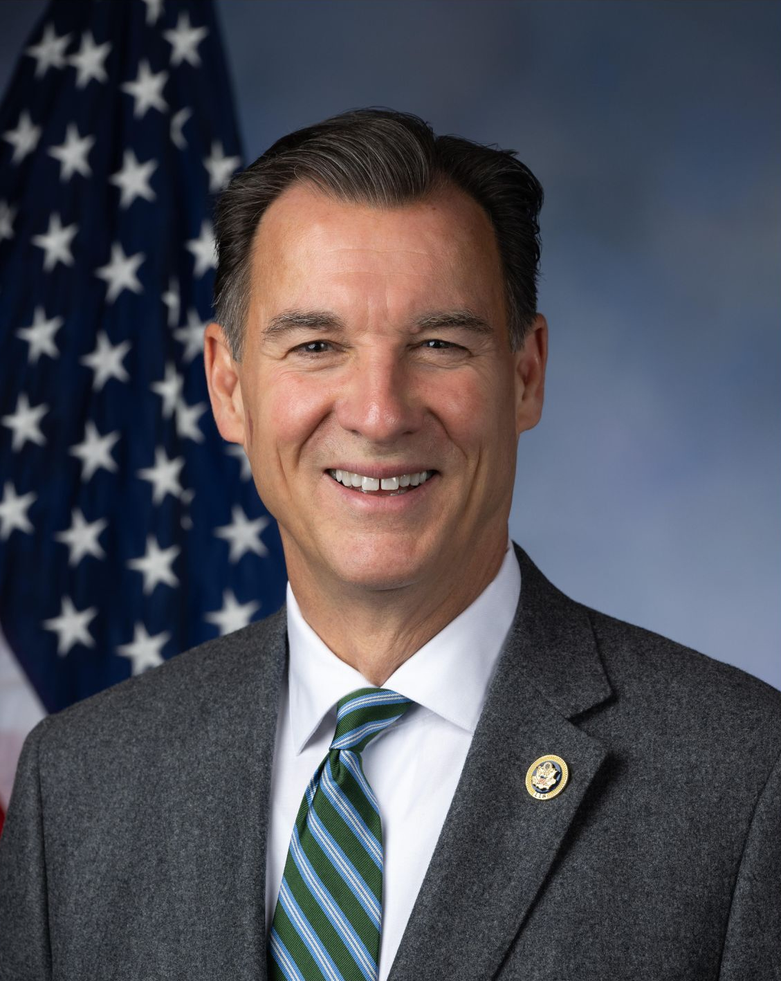
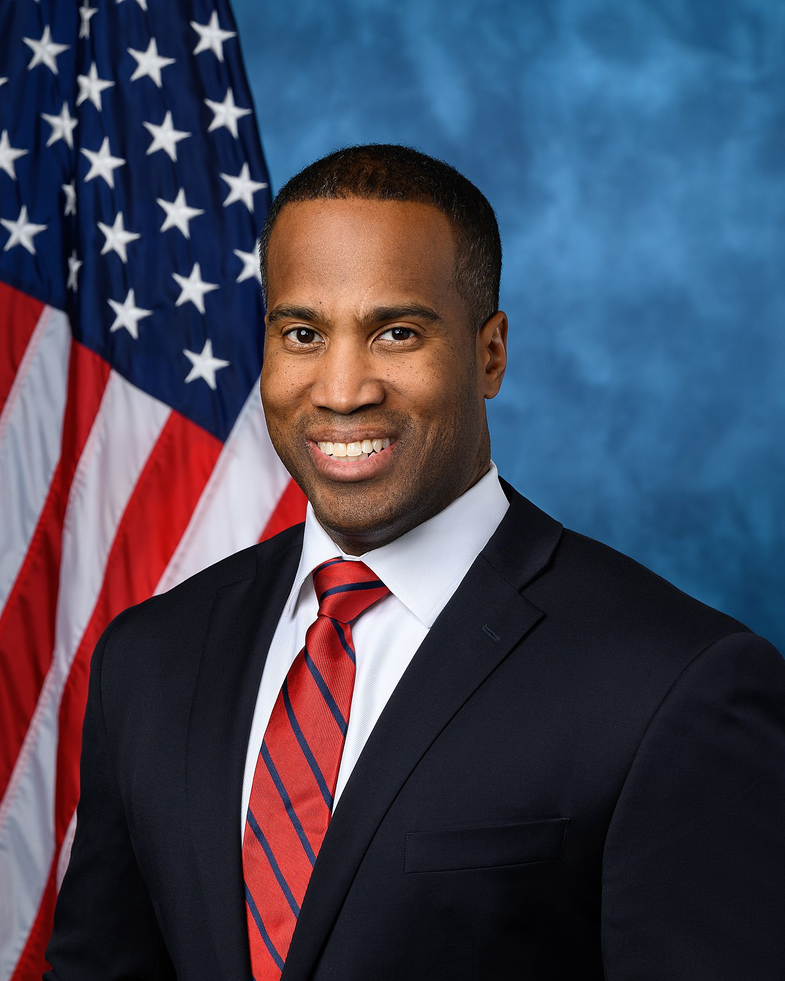
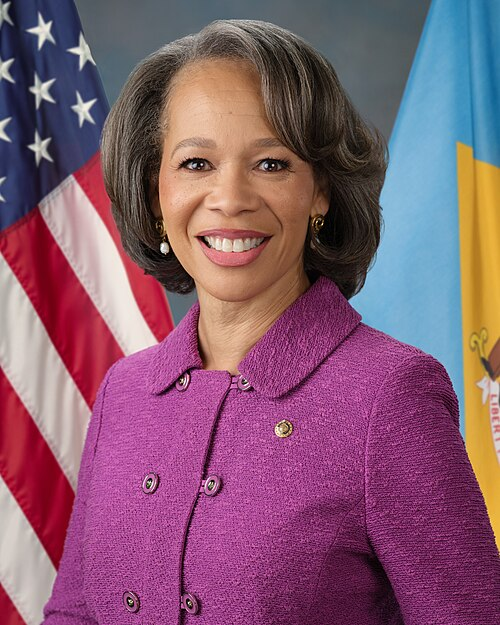
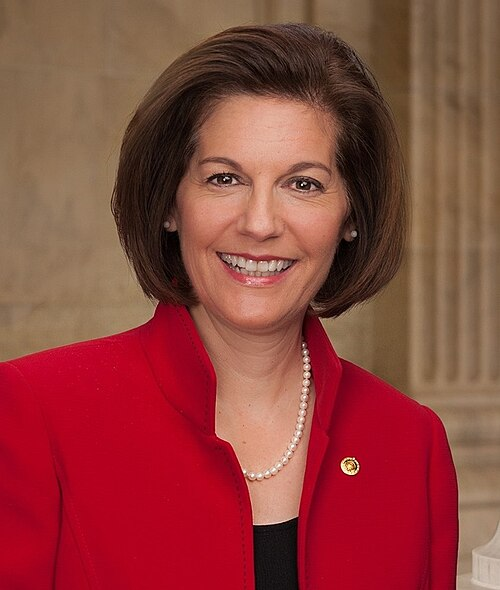
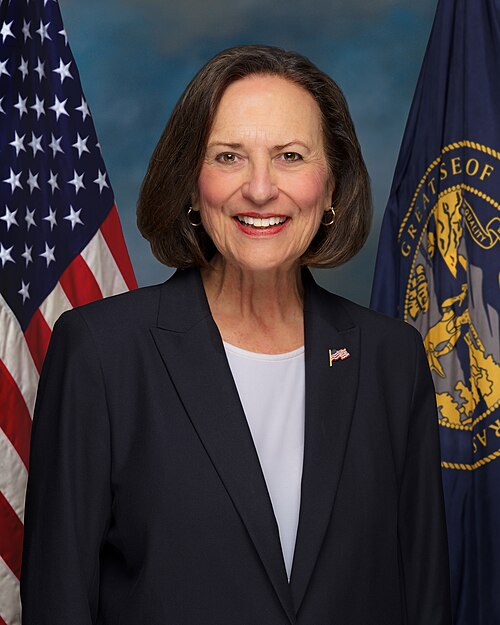
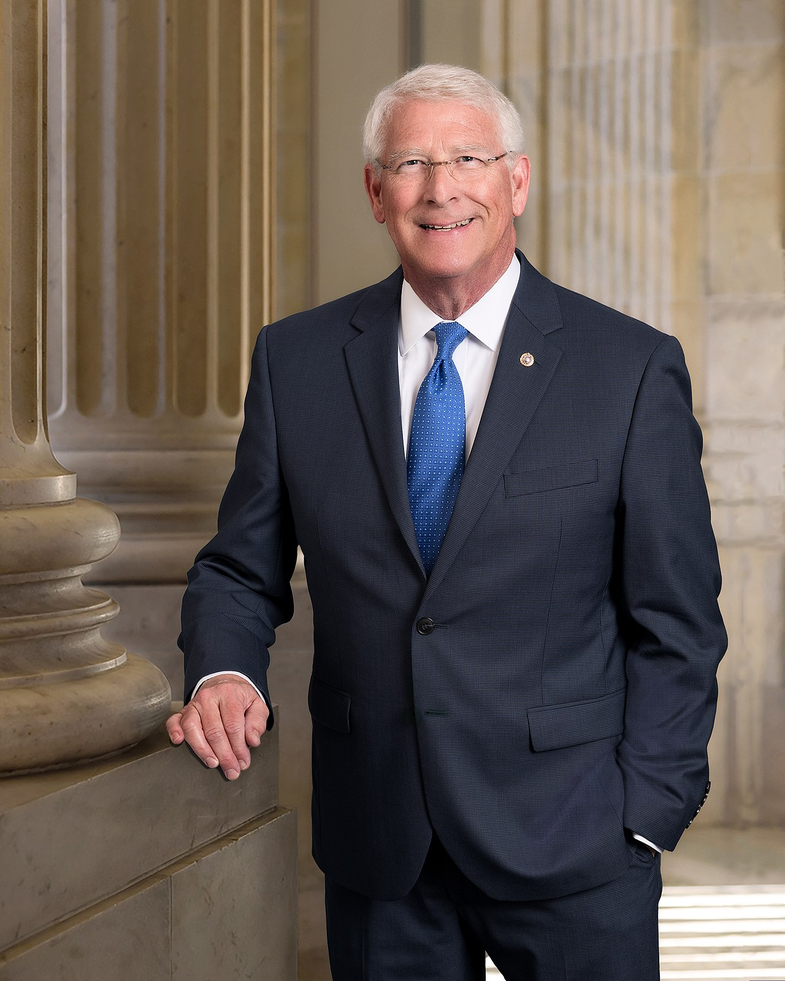
9 bill sponsors





Actions
2 actions
| Date | Action |
|---|---|
| Aug. 04, 2026 | Introduced in Senate |
| Aug. 04, 2026 | Read twice and referred to the Committee on Commerce, Science, and Transportation. |
Corporate Lobbying
0 companies lobbying
None found.
* Note that there can be significant delays in lobbying disclosures, and our data may be incomplete.