S. 3204: Preventive Health Savings Act
This bill, known as the Preventive Health Savings Act, aims to modify the way budgetary savings from preventive health care initiatives are assessed within the fiscal planning process of the U.S. Congress. Specifically, it proposes the following key changes:
Amendments to Budget Scoring
The bill amends the Congressional Budget and Impoundment Control Act of 1974, focusing on how preventive health savings are scored. It allows the Director of the Congressional Budget Office (CBO) to evaluate if proposed legislation can lead to budget savings over the long term through preventive health measures.
Process for Savings Determination
- Upon request from specific Senate or House committee leadership, the Director will analyze whether a piece of legislation would produce net reductions in government spending in future budgets as a result of preventive health care strategies.
- If the Director confirms that a proposed legislation can create such savings, they are required to include this information in their budget projections.
- These projections should include an estimate of the expected reductions in spending over the subsequent years and the rationale behind these estimates.
- The Director also has the option to project savings over extended periods beyond the usual time frames.
Limitations on Use of Estimates
It is important to note that any estimates provided by the Director regarding preventive health savings will be considered supplementary. They cannot be used to establish compliance with existing budgetary enforcement mechanisms or the Congressional Budget Act of 1974.
Definitions
The bill contains specific definitions to clarify its terms, such as:
- Budgetary Outyears: Refers to the ensuing 20 years starting from the first fiscal year that is 10 years from the current fiscal year.
- Preventive Health Care: Defined as actions aimed at safeguarding and promoting public health, preventing diseases, disabilities, and early deaths. This includes effective health interventions supported by evidence from valid studies and trials.
Purpose
Overall, the purpose of this bill is to encourage the incorporation of preventive health strategies into the budget process, potentially leading to significance in how health programs are funded and perceived in terms of their economic impact on federal spending over time.
Relevant Companies
- PFE (Pfizer Inc.): As a major player in the health care sector, Pfizer could be impacted through increased emphasis on preventive care initiatives related to vaccines, which may affect their revenue streams and research funding.
- JNJ (Johnson & Johnson): With their diverse product offerings in health care, including preventive treatments, changes in budget priorities toward preventive health could influence their strategic planning and investment in product development.
- MRK (Merck & Co.): As a company engaged in developing vaccines and preventive medicines, Merck could see impacts in terms of funding and legislative support for preventive health care initiatives.
- AET (Aetna Inc.): As a health insurance provider, changes in preventive health care funding could lead to shifts in their cost management strategies and offerings.
This is an AI-generated summary of the bill text. There may be mistakes.
Sponsors
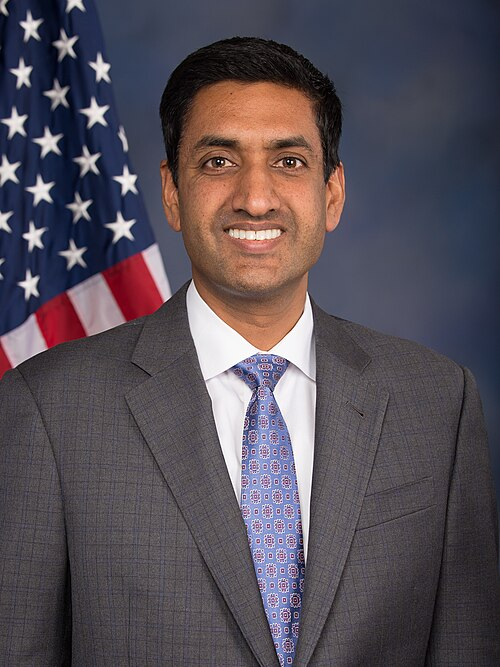
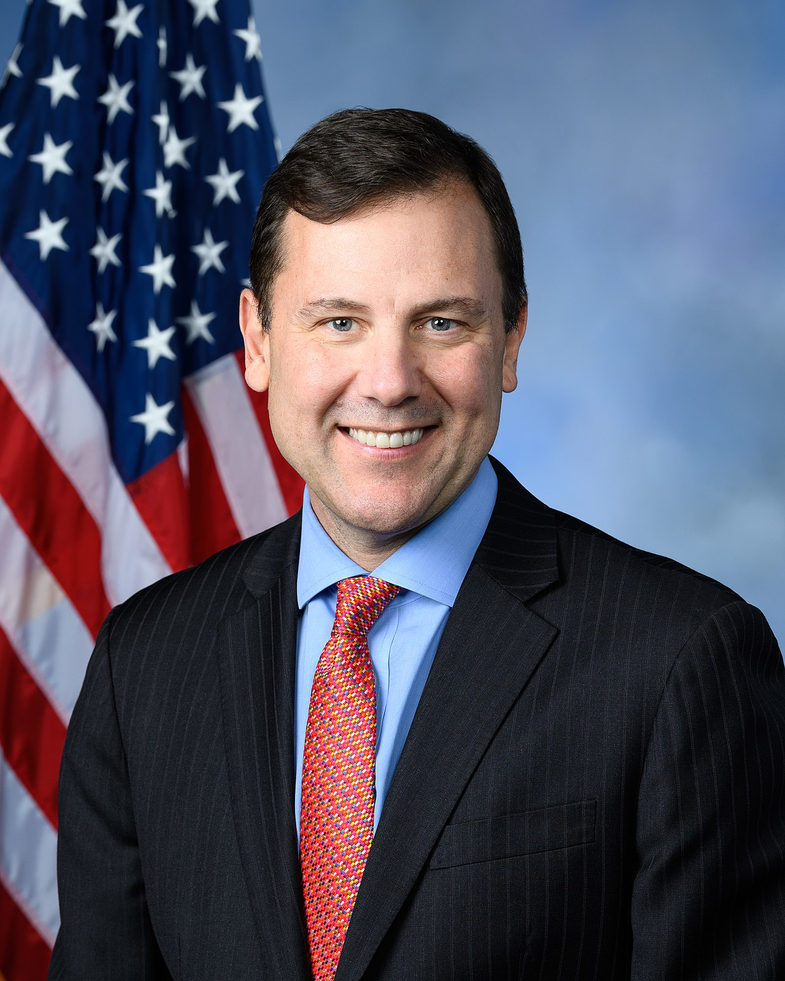
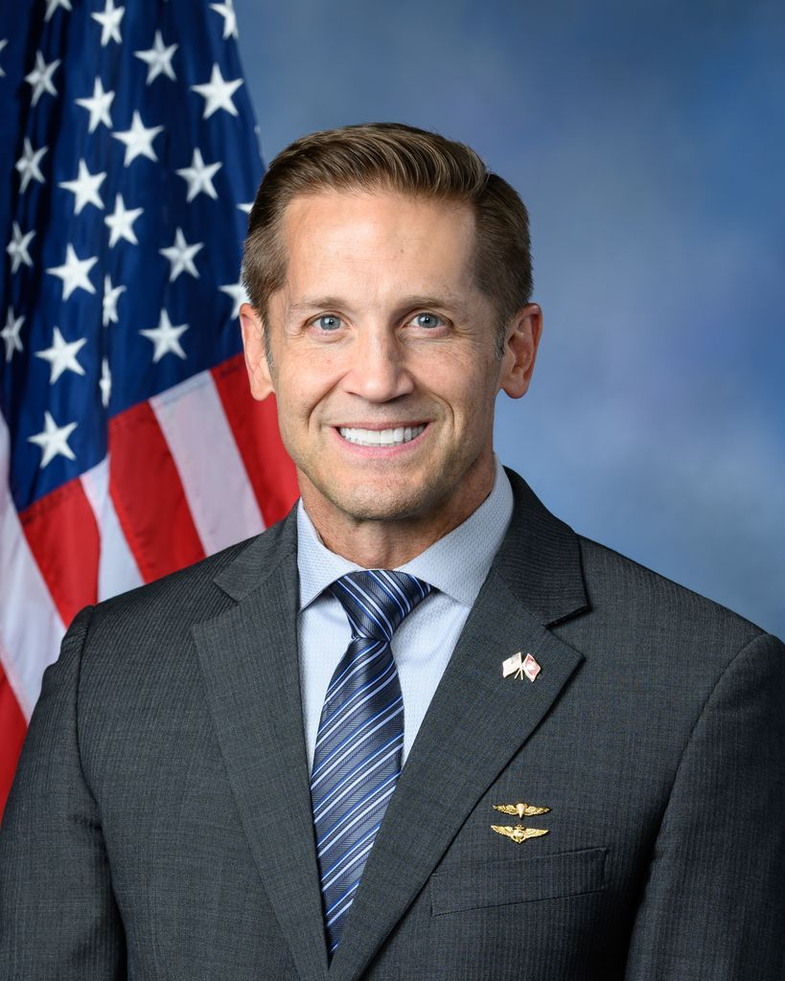
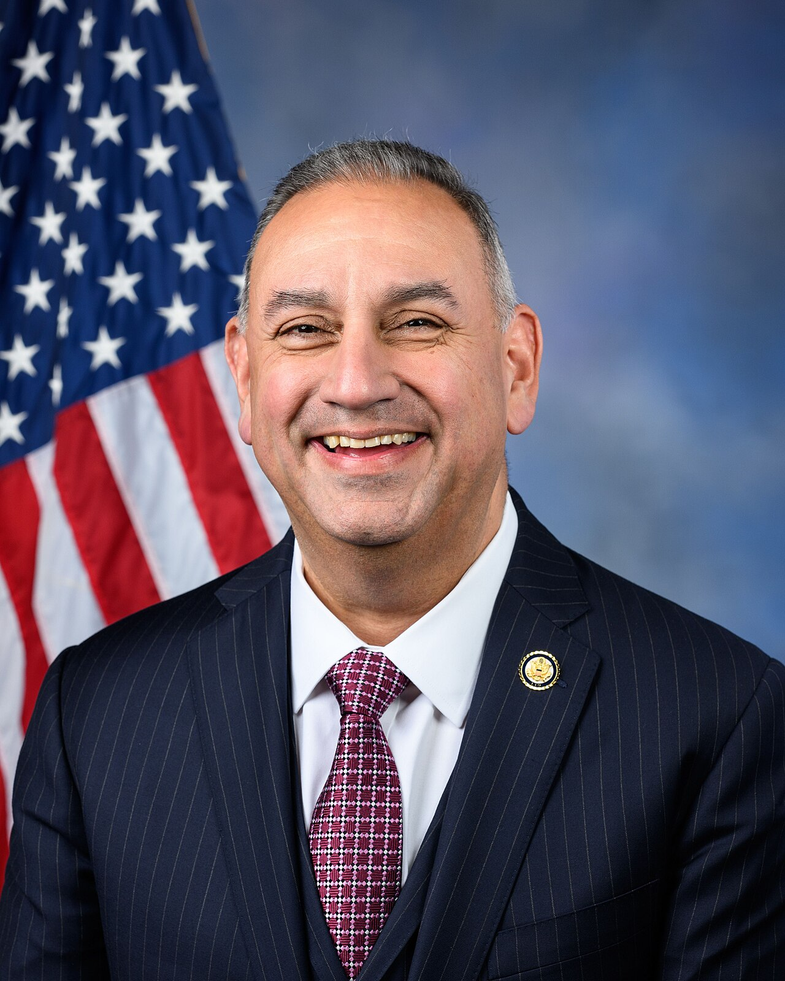
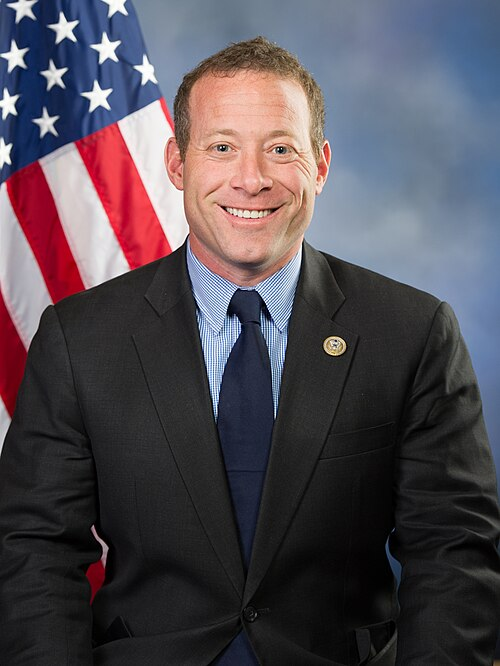
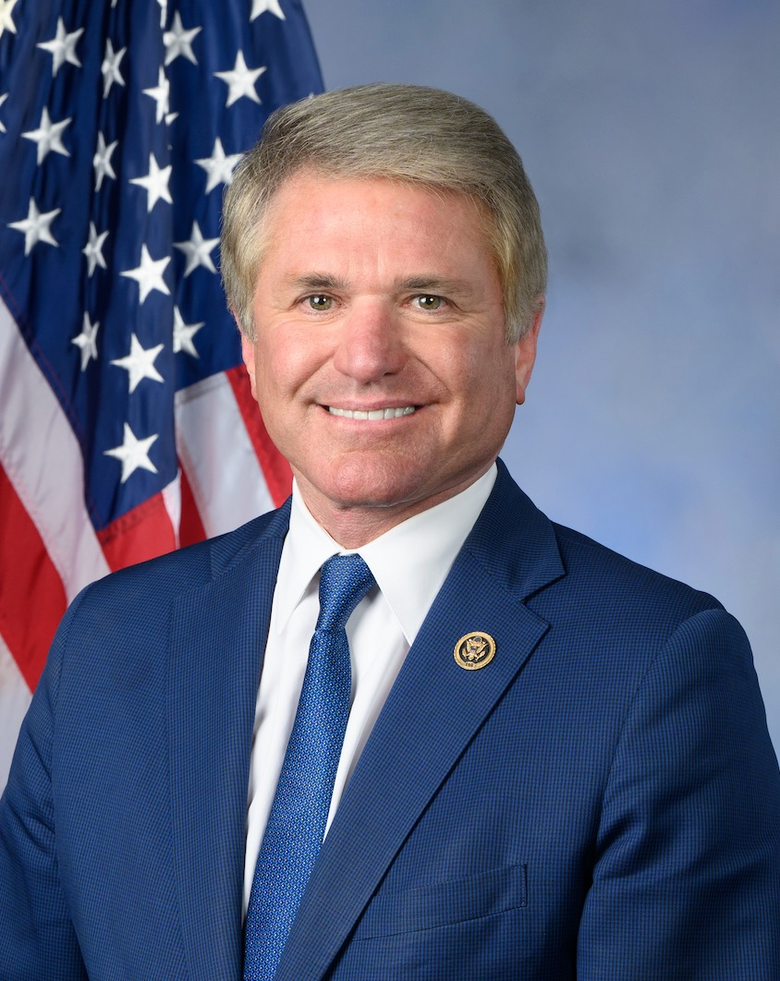
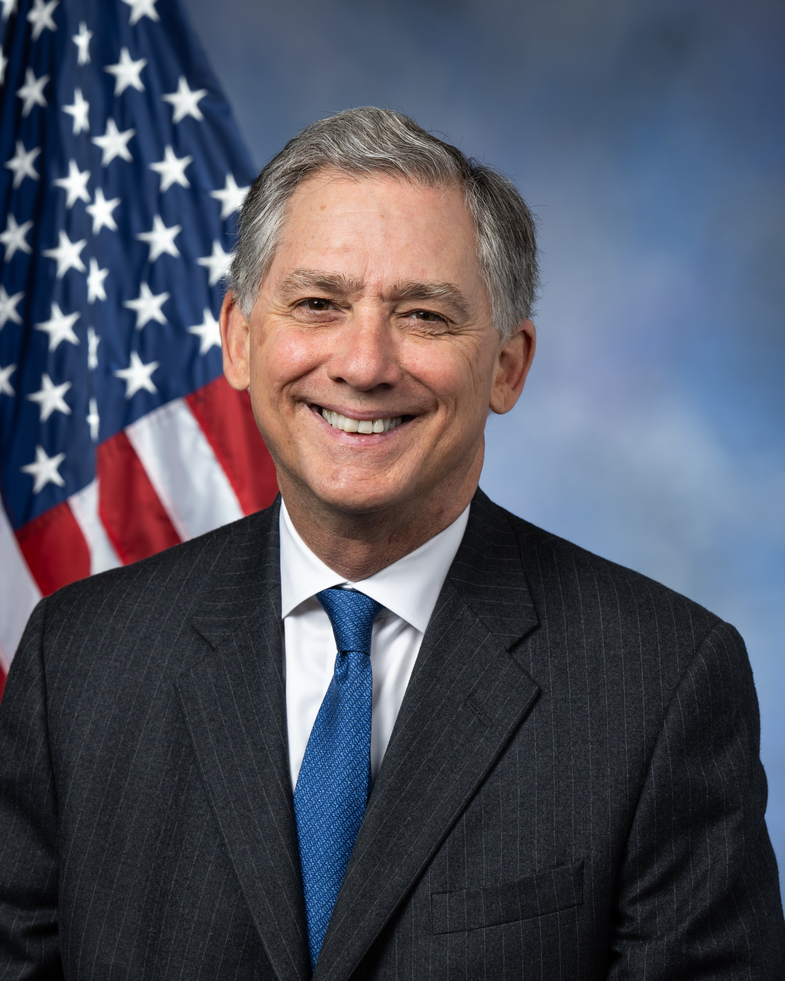
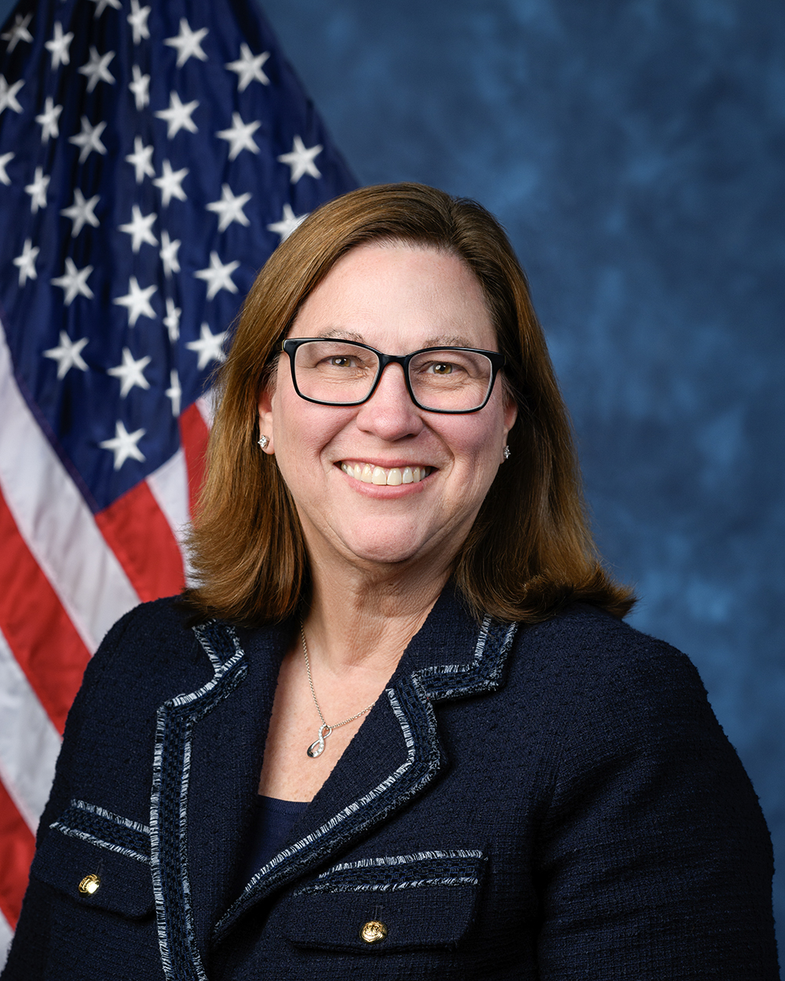
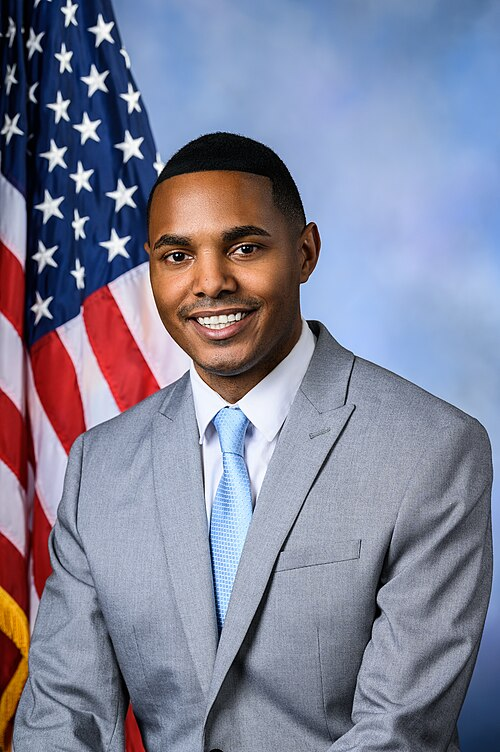
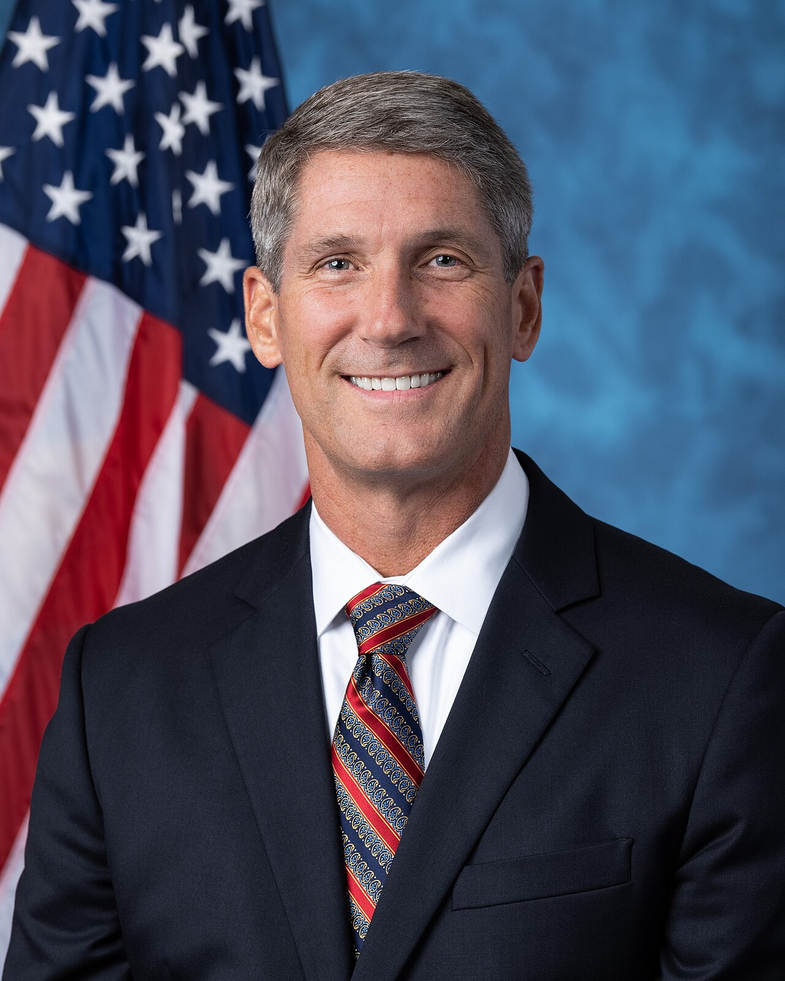
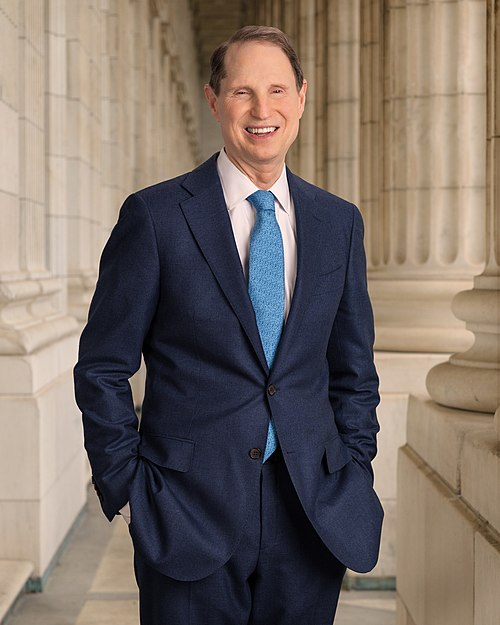
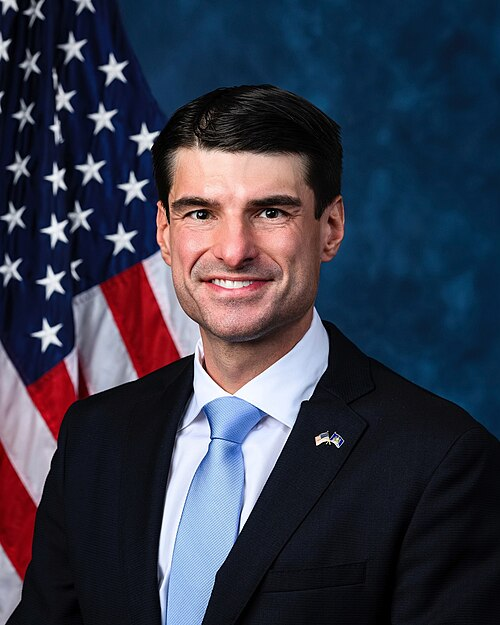
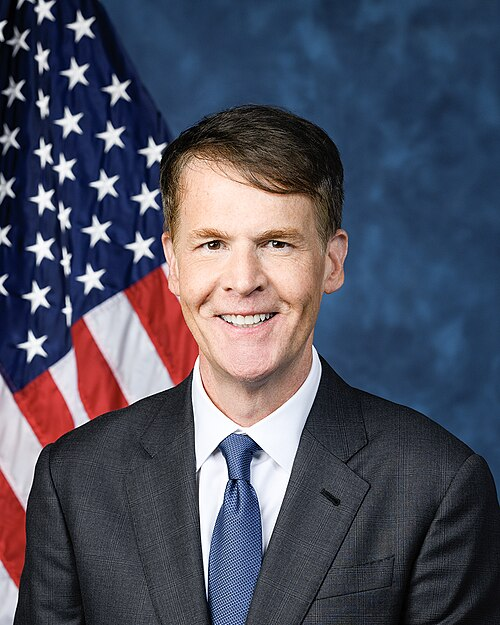
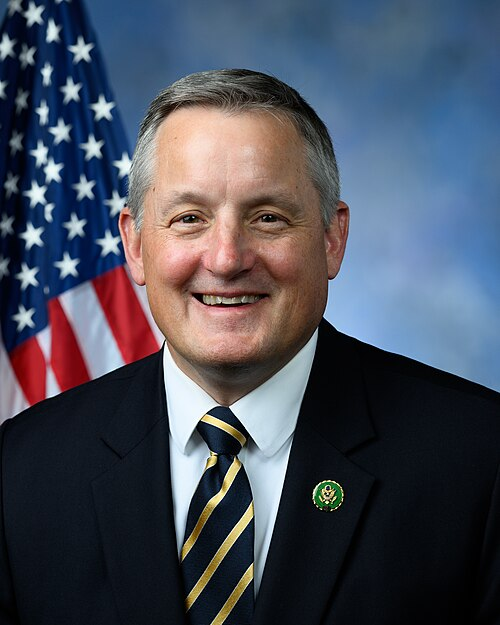
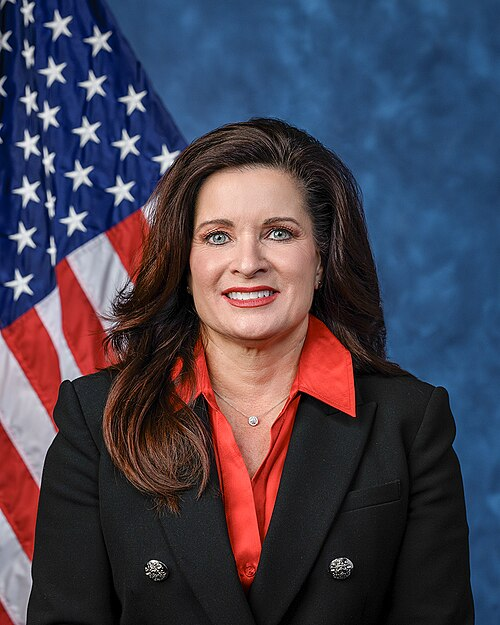
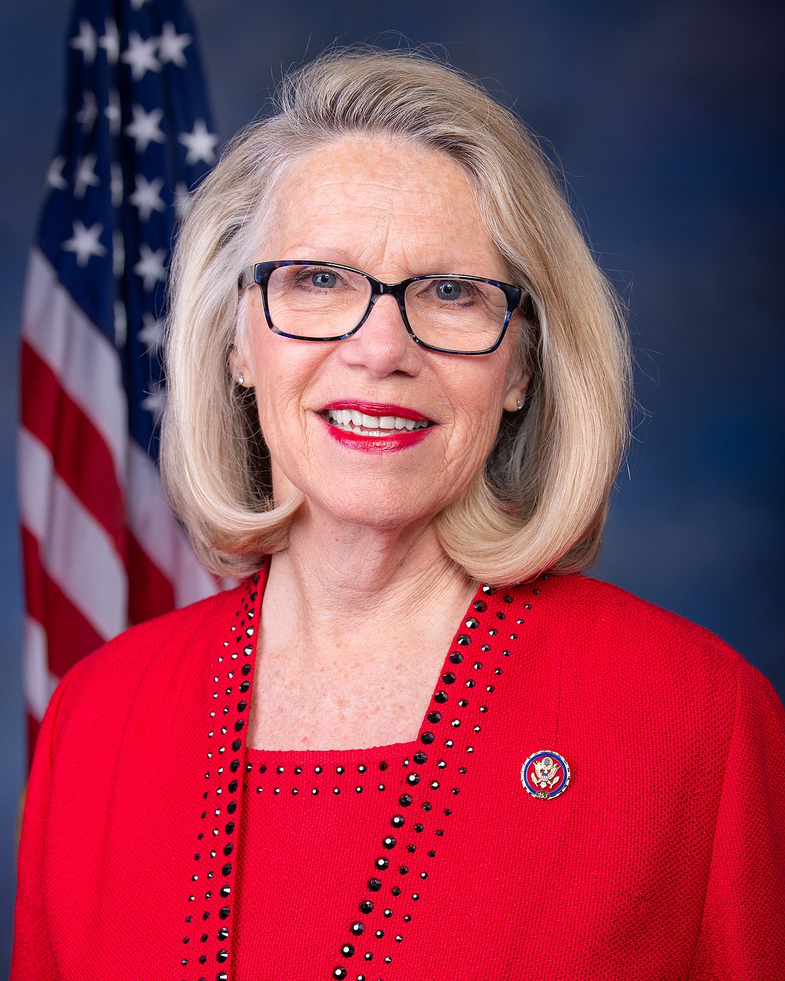
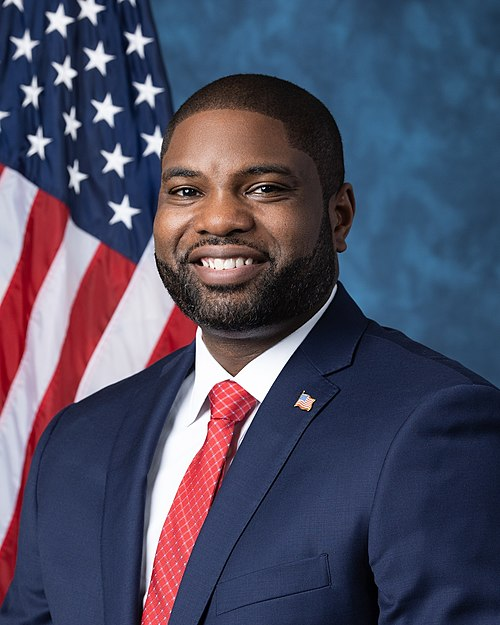
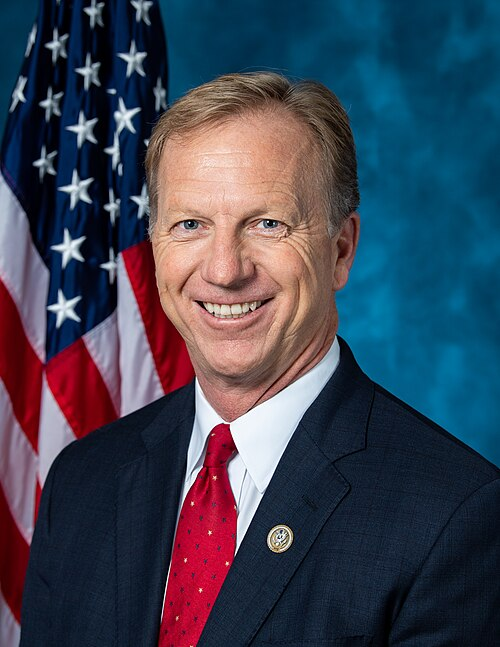
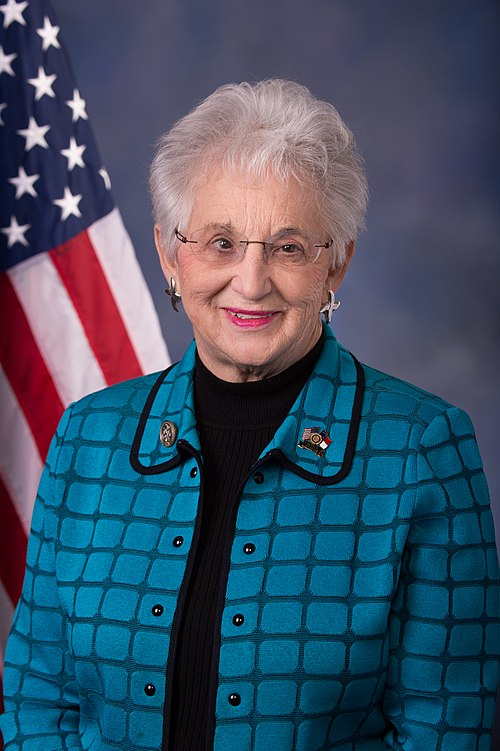
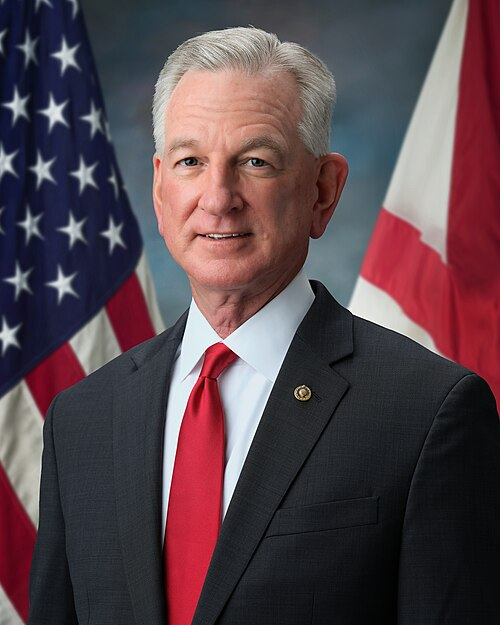
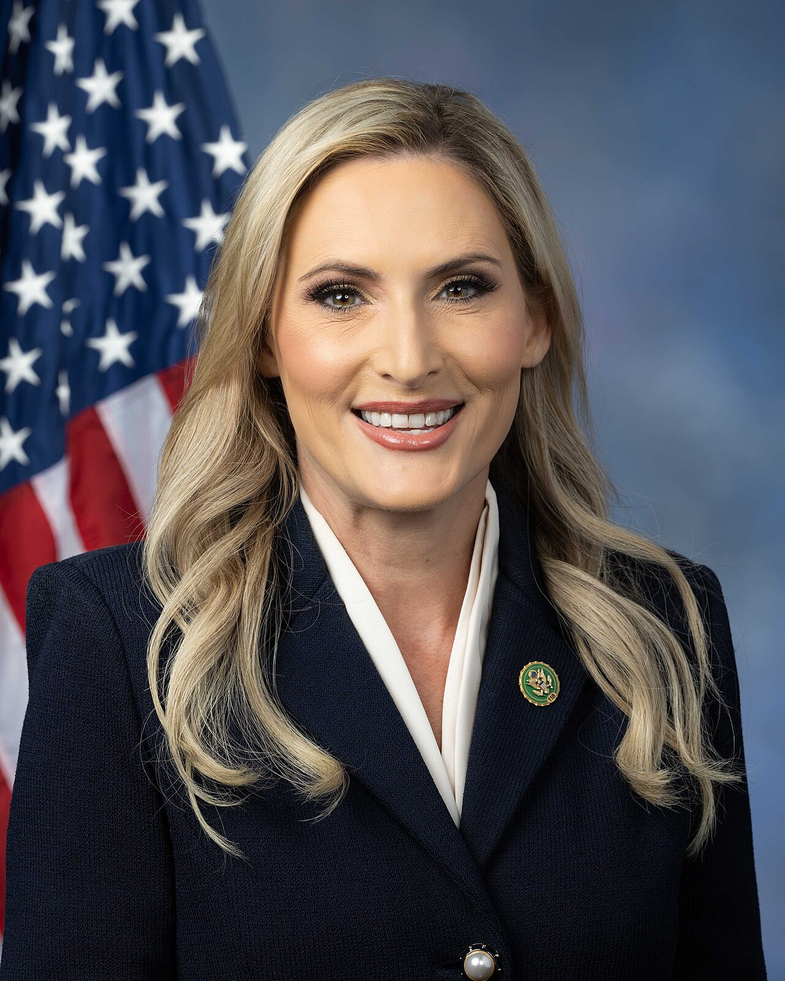
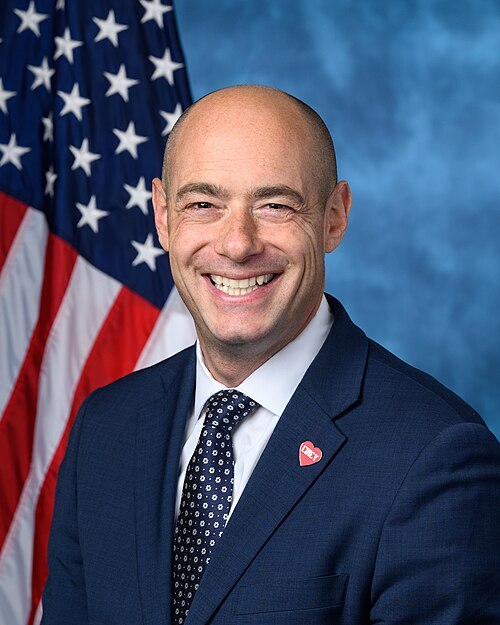
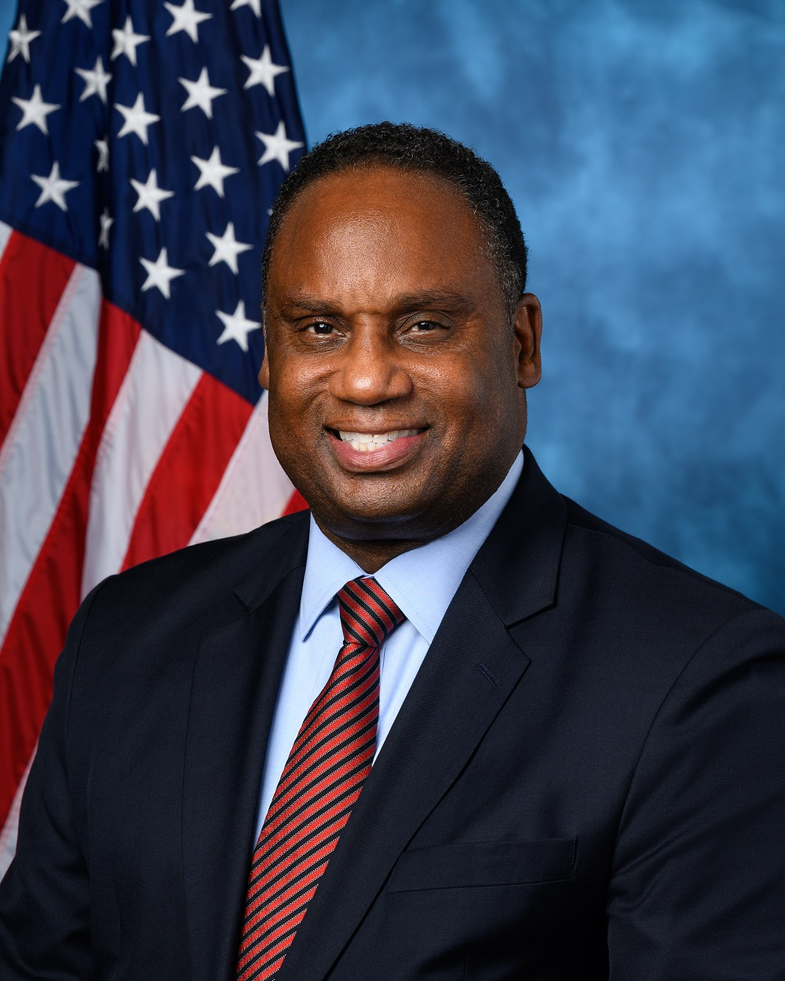
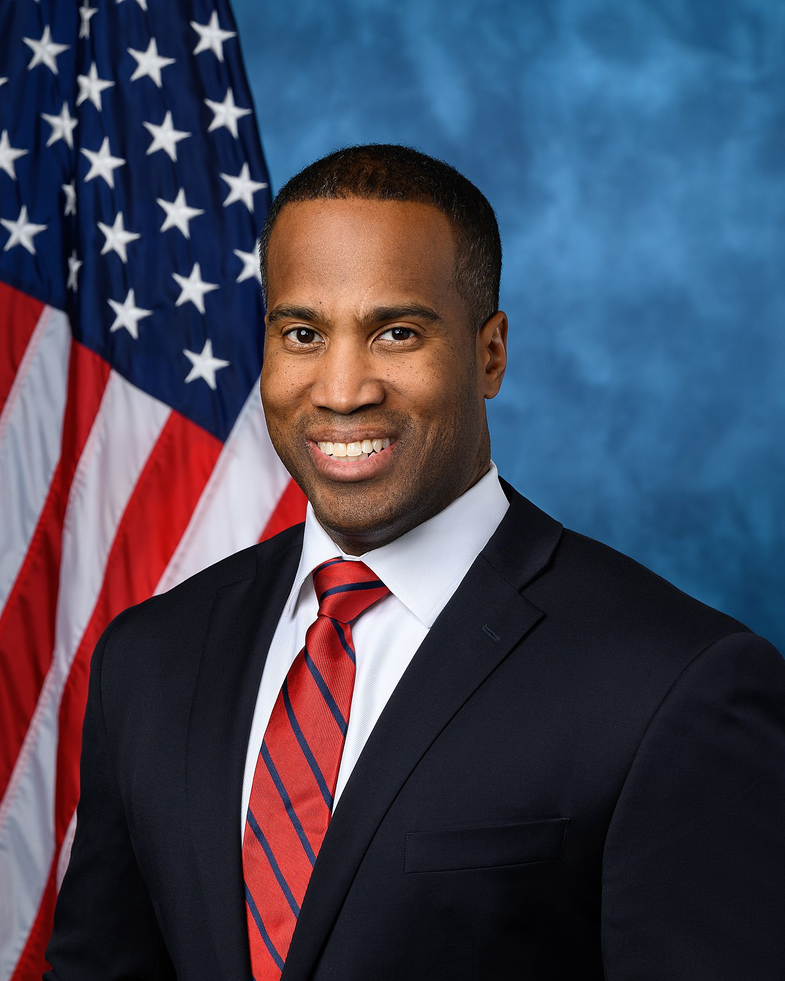
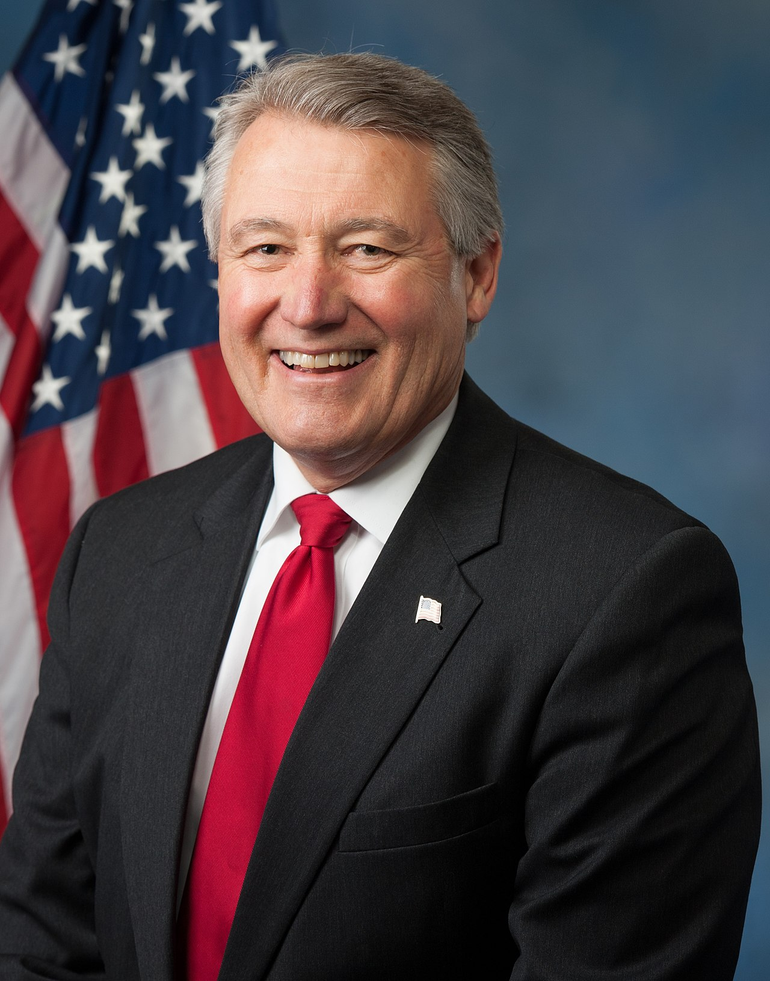
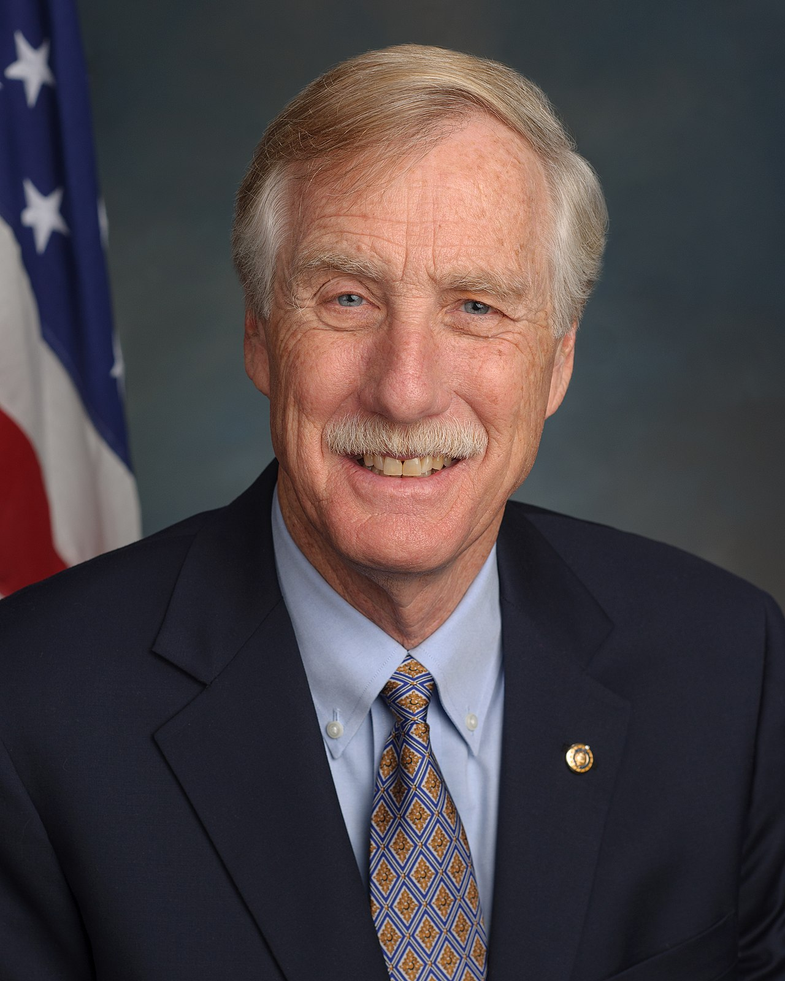
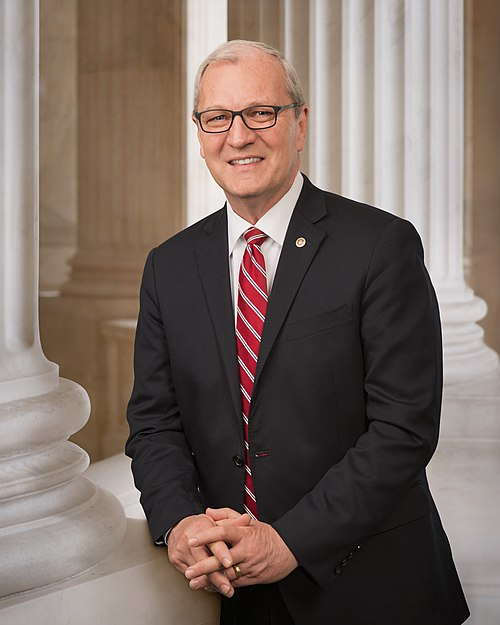
4 bill sponsors


Actions
2 actions
| Date | Action |
|---|---|
| Nov. 19, 2025 | Introduced in Senate |
| Nov. 19, 2025 | Read twice and referred to the Committee on the Budget. |
Corporate Lobbying
0 companies lobbying
None found.
* Note that there can be significant delays in lobbying disclosures, and our data may be incomplete.