H.R. 9988: Food Allergy Safety, Treatment, Education, and Research Act of 2026
This bill would change federal food allergen law in two main ways.
1. It would expand the list of major food allergens
Under current law, certain ingredients must be identified as major allergens on food labels. This bill would broaden the gluten-related category so that it is no longer limited to wheat alone. Instead, it would define the relevant category as “gluten-containing grain” and explicitly include:
- Wheat
- Rye
- Barley
- Oats
- Crossbred grains made from these, such as triticale
In practical terms, foods containing these grains would be subject to federal allergen-labeling rules under the amended definition. The bill says these changes would apply to food introduced into interstate commerce starting one year after enactment.
2. FDA would have to update its compliance guidance
Within one year after the bill becomes law, the Food and Drug Administration would have to revise its compliance policy guidance to reflect the new allergen definitions. This would help align agency enforcement and guidance with the updated labeling requirements.
3. HHS would have to report on celiac disease
The bill would also require the Secretary of Health and Human Services to submit a report to Congress within one year. The report would cover:
- How celiac disease is tracked and how data is collected in the United States
- How common celiac disease is
- The severity of reactions tied to specific foods or ingredients in people with celiac disease
- Any gaps in current surveillance or data collection
- Progress on better diagnostic tools
- Ways to prevent celiac disease from developing
- Ways to reduce risks for people living with celiac disease
- Development of new treatments to prevent, treat, cure, or manage celiac disease
Bottom line
The bill would expand federal allergen-labeling rules to include rye, barley, and oats alongside wheat, require FDA to update related guidance, and direct HHS to report to Congress on celiac disease research, surveillance, and treatment.
Relevant Companies
- CPB — Campbell Soup Company could be affected because it sells packaged foods that may use barley, rye, or oats and would need to review ingredient labeling and compliance.
- GIS — General Mills could be affected due to cereal, baking, and snack products that may contain oats, barley, or rye and could require updated allergen labeling.
- K — Kellanova could be affected because it produces cereals and snack foods that may include oats or other gluten-containing grains.
- MDLZ — Mondelez International could be affected through packaged snack and bakery products that may contain these grains and would need labeling updates.
- HSY — The Hershey Company could be affected for certain snack and baking products that may contain oats or grain-based ingredients.
- POST — Post Holdings could be affected because of its cereal businesses, where oat and other grain ingredients are common.
- ADM — Archer-Daniels-Midland could be affected as a large grain and ingredient supplier that handles oats, barley, rye, and wheat used in food manufacturing.
- BG — Bunge Global could be affected through grain sourcing and ingredient supply chains that include these crops.
This is an AI-generated summary of the bill text. There may be mistakes.
Sponsors
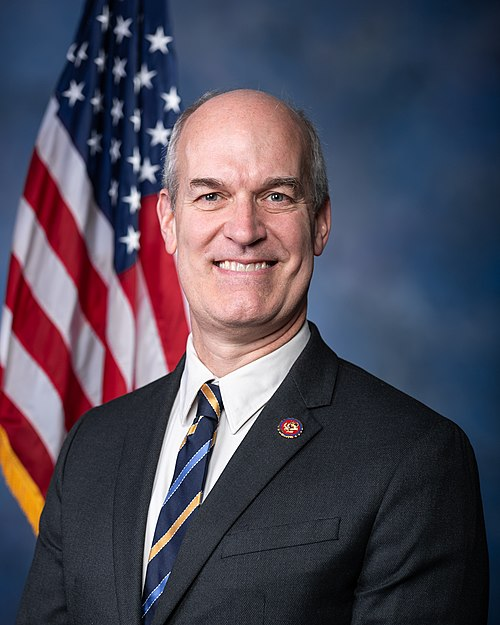
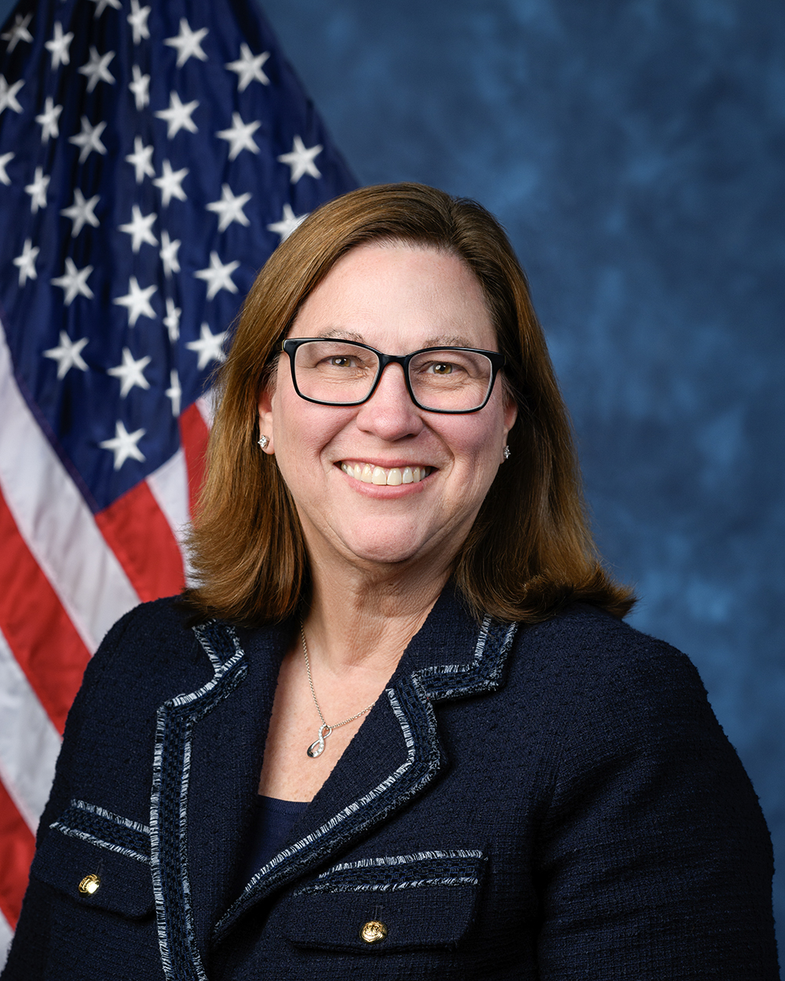
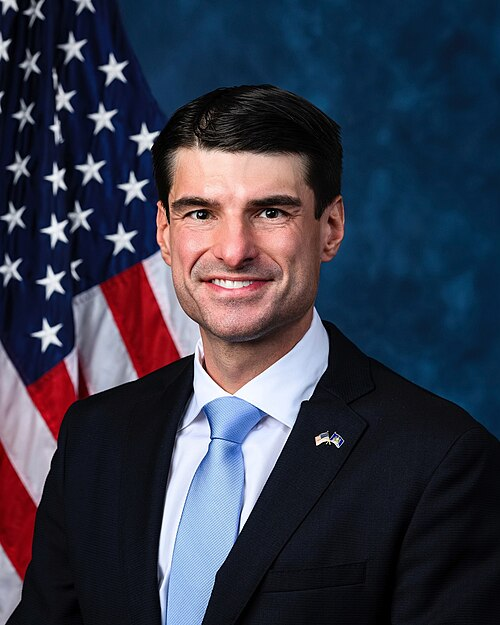
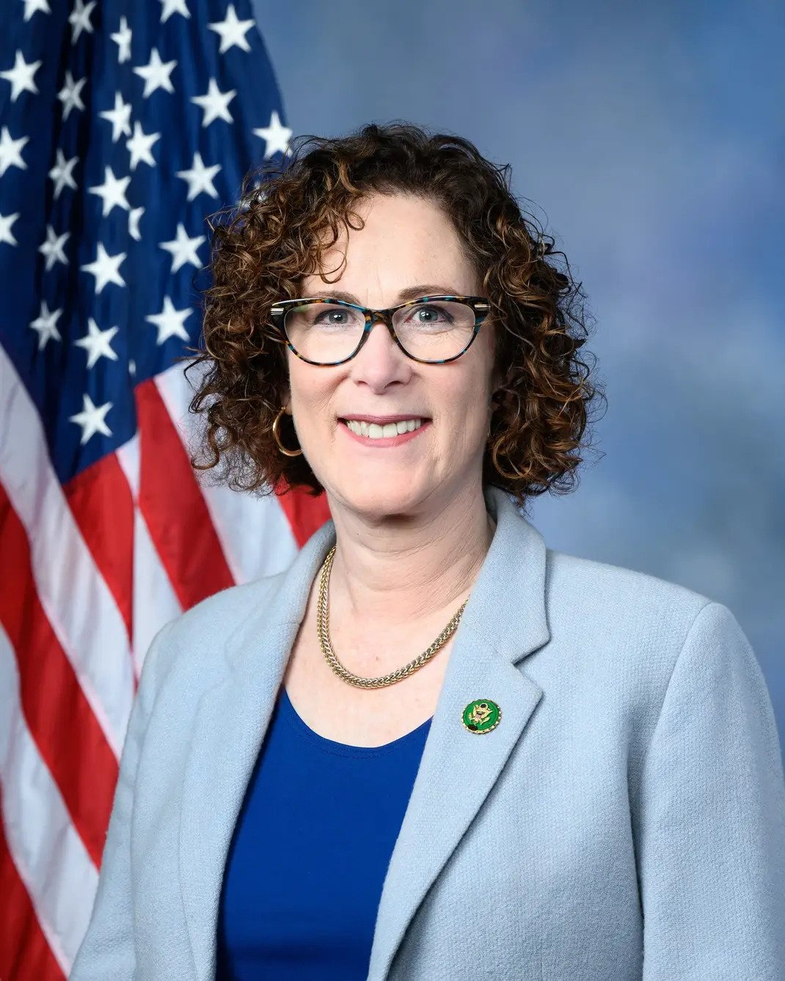
21 bill sponsors
-
TrackAnna Paulina Luna
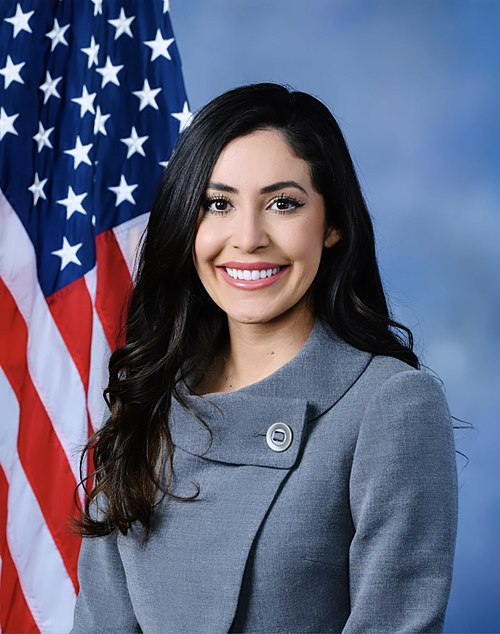
Sponsor
-
TrackTom Barrett
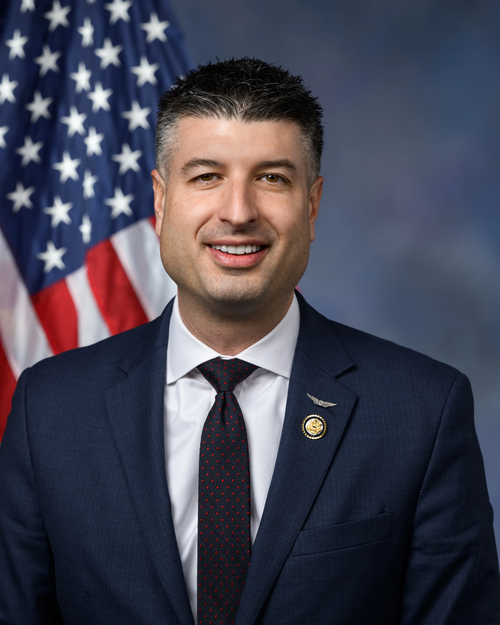
Co-Sponsor
-
TrackBrendan F. Boyle
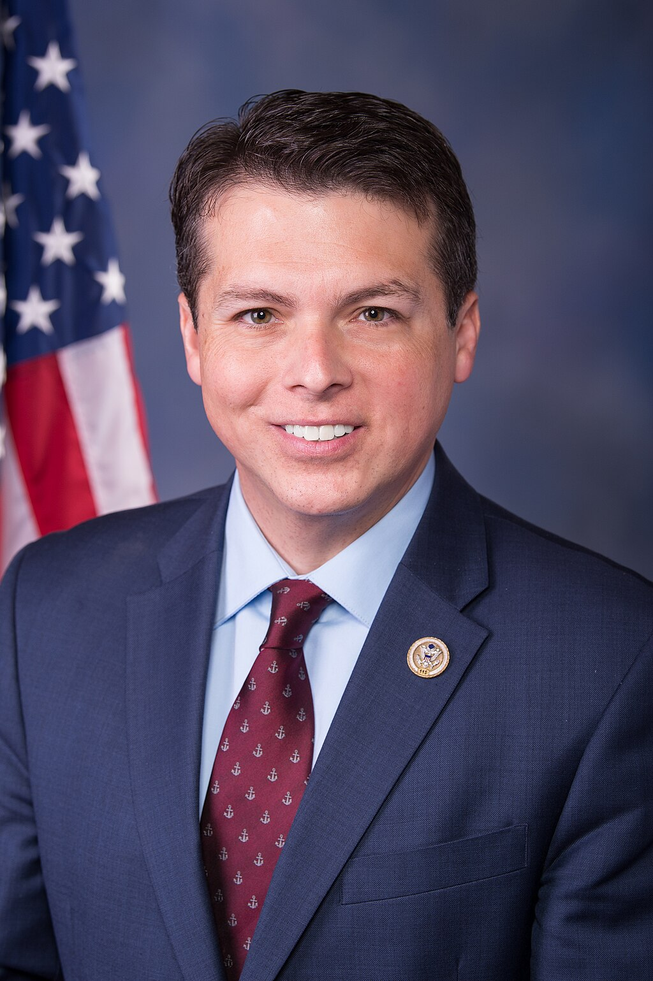
Co-Sponsor
-
TrackEarl L. "Buddy" Carter
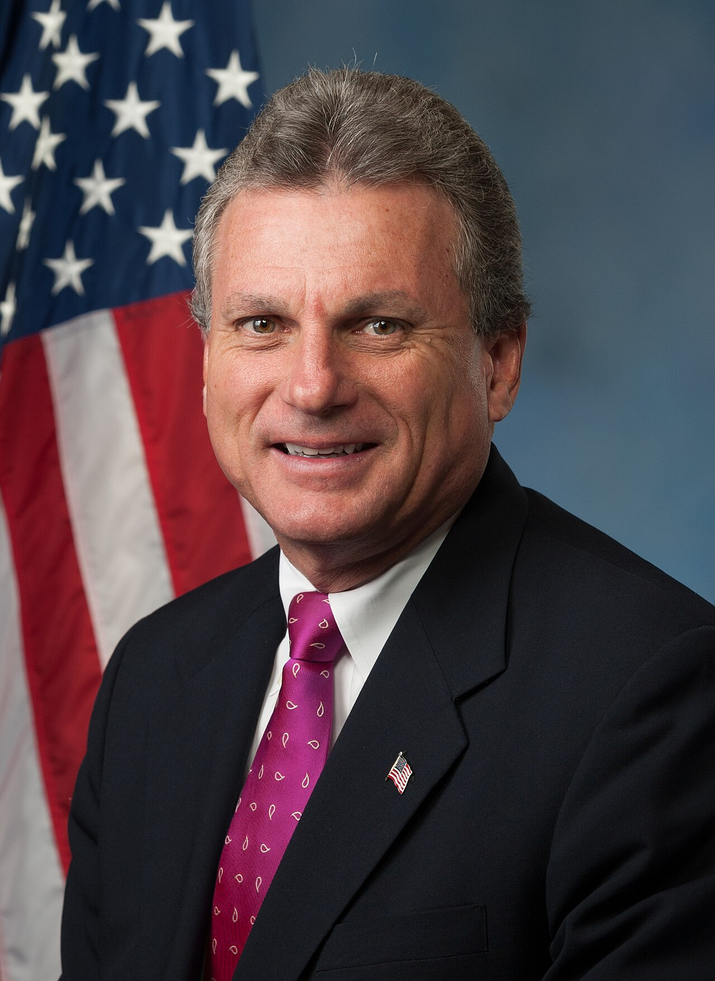
Co-Sponsor
-
TrackMadeleine Dean
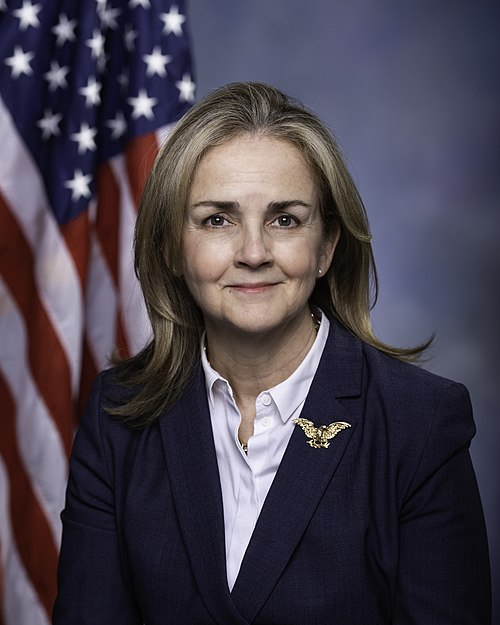
Co-Sponsor
-
TrackDebbie Dingell

Co-Sponsor
-
TrackBrian K. Fitzpatrick
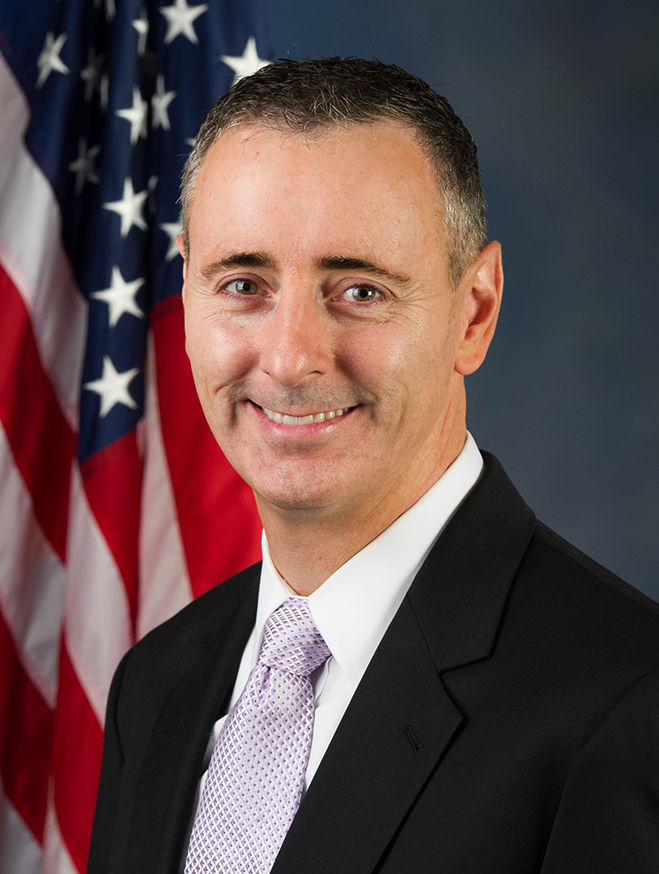
Co-Sponsor
-
TrackMaxwell Frost

Co-Sponsor
-
TrackPaul A. Gosar

Co-Sponsor
-
TrackJohn James
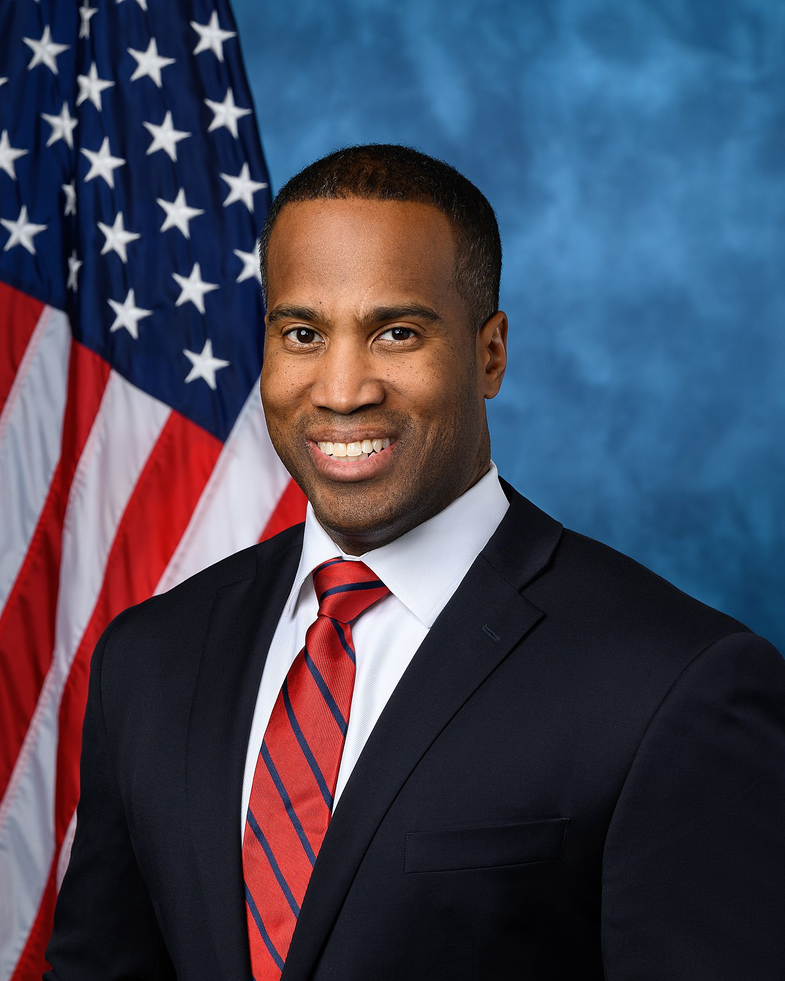
Co-Sponsor
-
TrackRyan Mackenzie
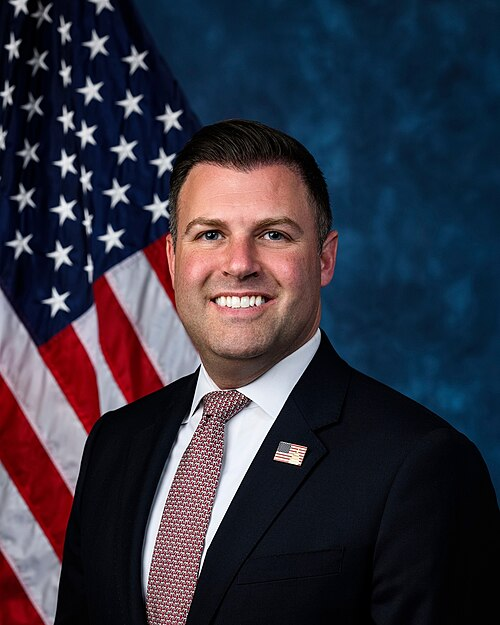
Co-Sponsor
-
TrackSarah McBride

Co-Sponsor
-
TrackRichard McCormick
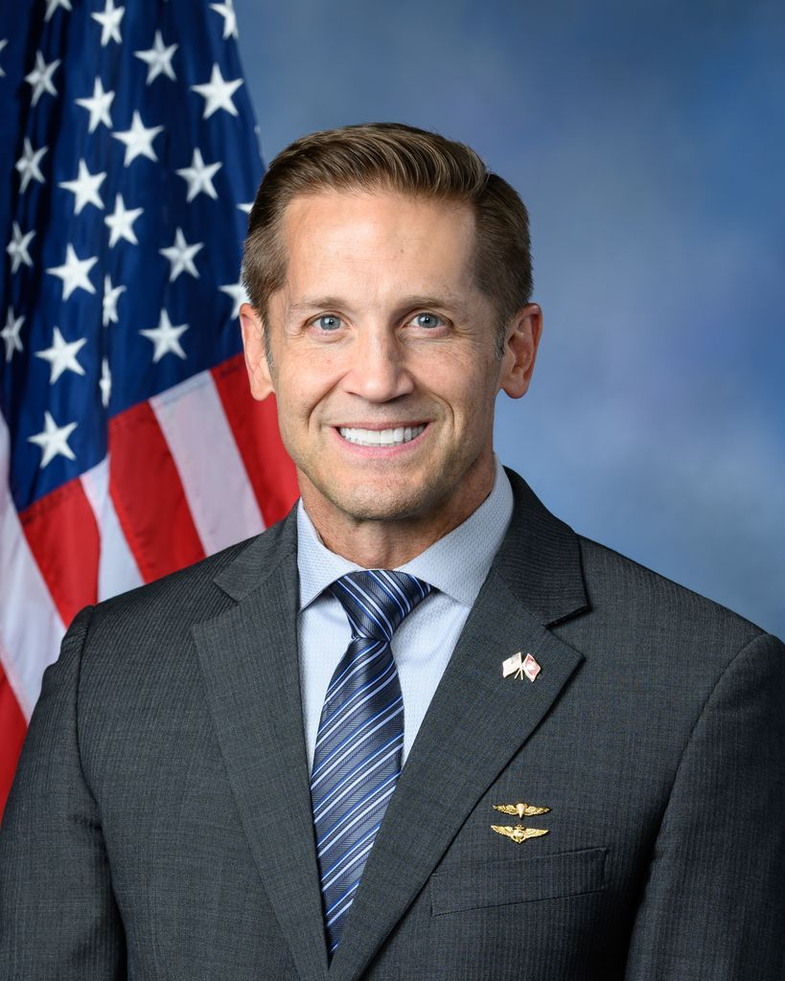
Co-Sponsor
-
TrackDaniel Meuser
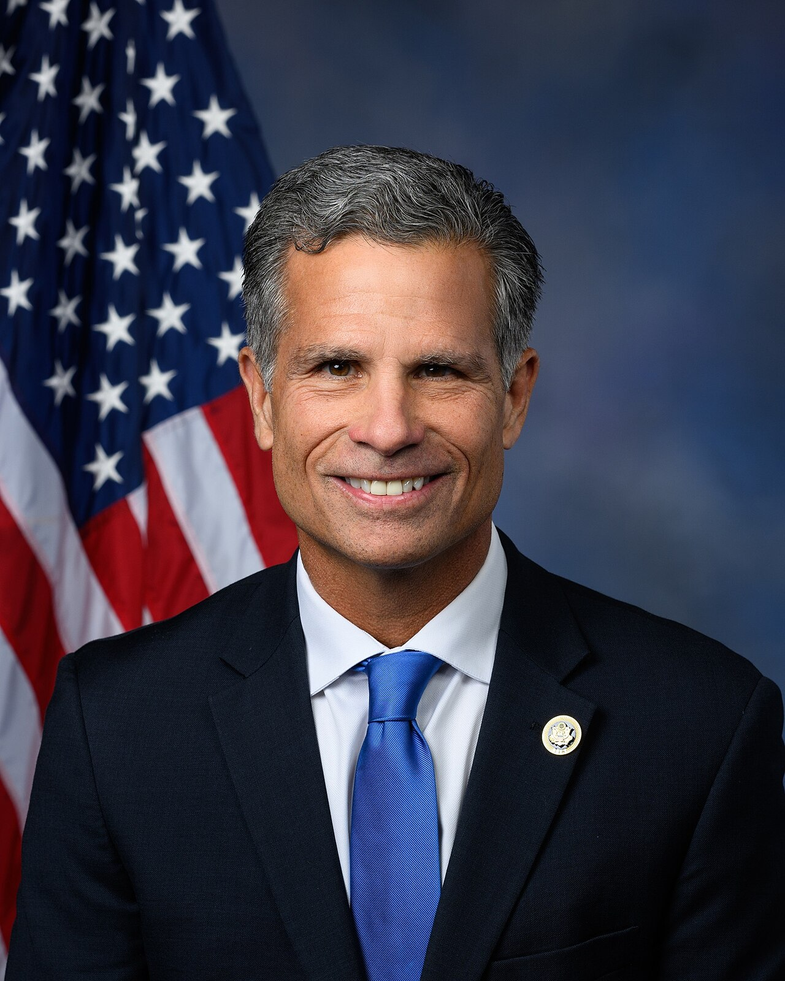
Co-Sponsor
-
TrackChellie Pingree

Co-Sponsor
-
TrackMichael A. Rulli
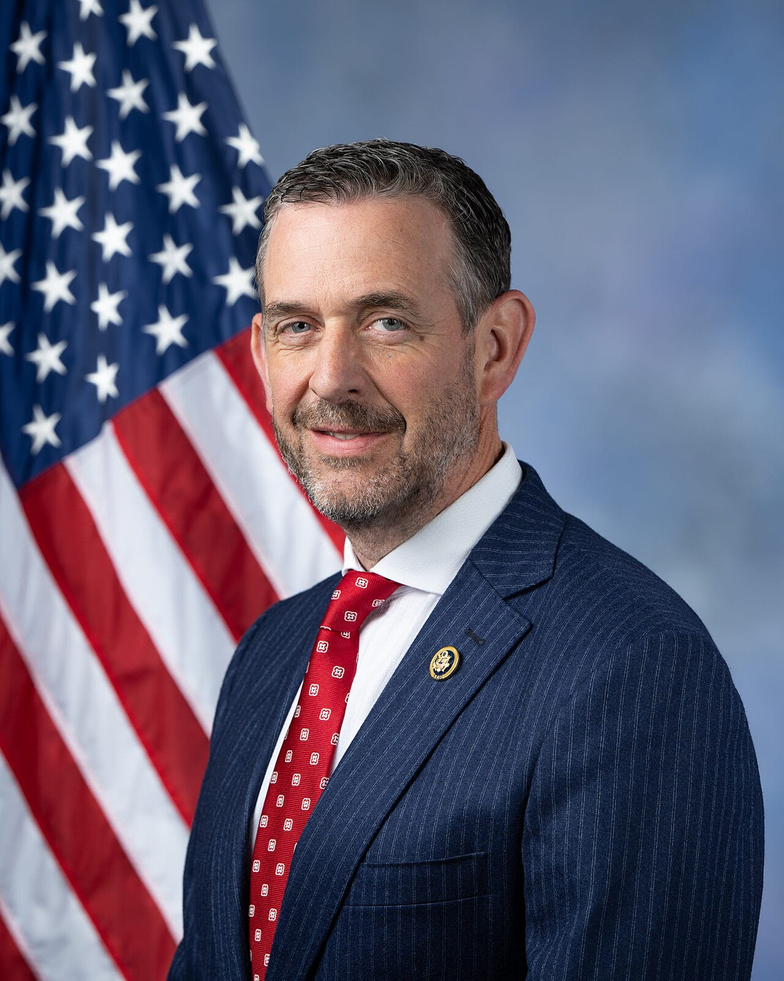
Co-Sponsor
-
TrackThomas R. Suozzi
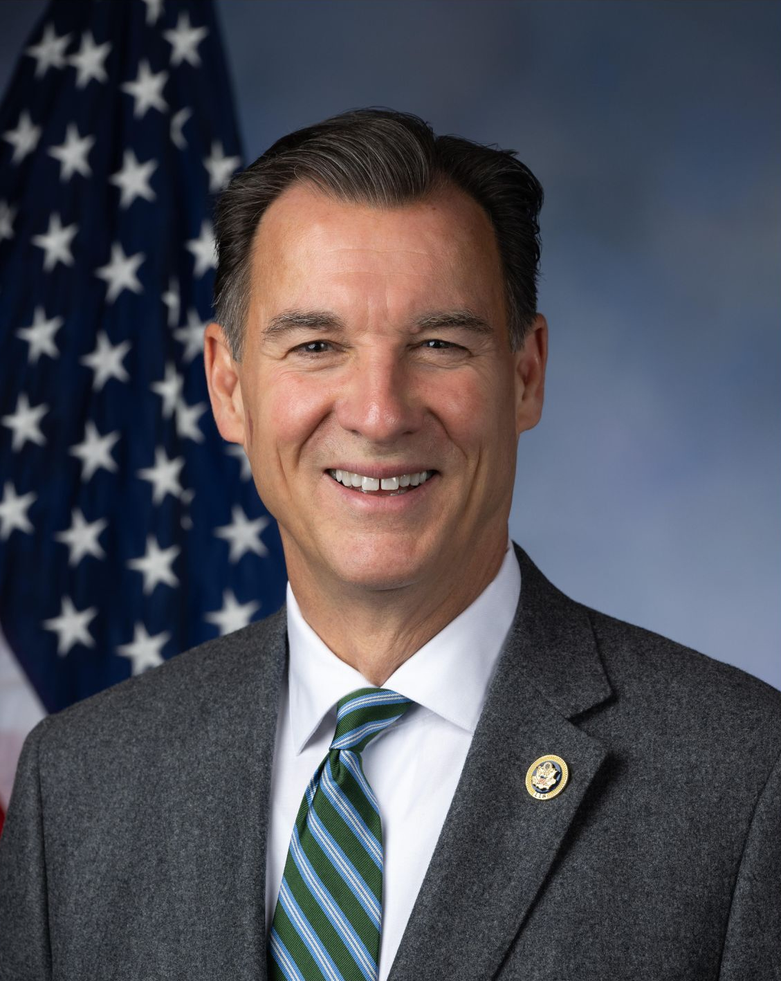
Co-Sponsor
-
TrackRashida Tlaib
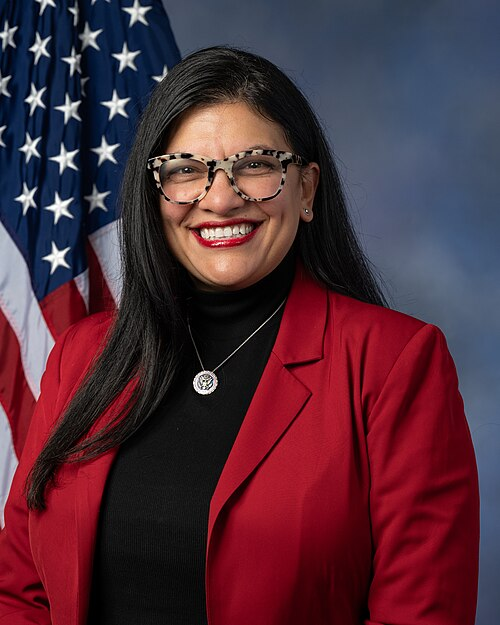
Co-Sponsor
-
TrackJefferson Van Drew
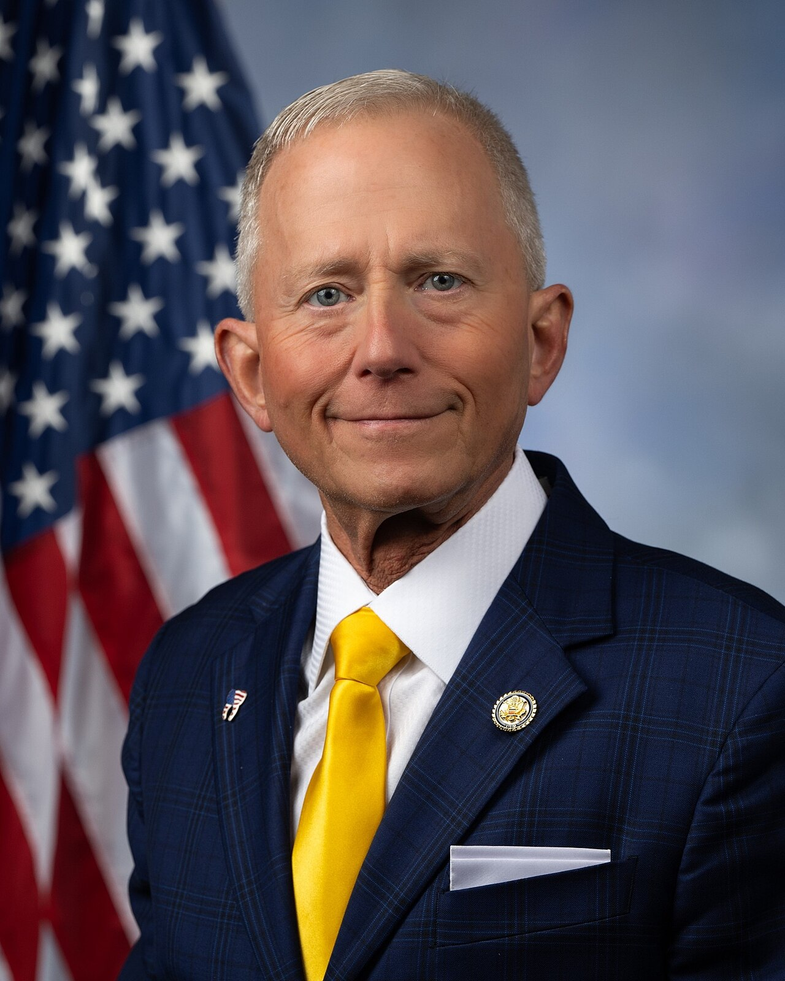
Co-Sponsor
-
TrackDebbie Wasserman Schultz
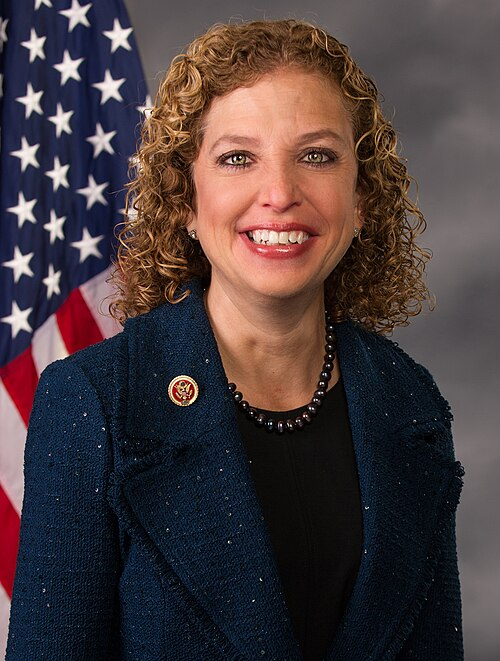
Co-Sponsor
-
TrackRandy K. Weber, Sr.
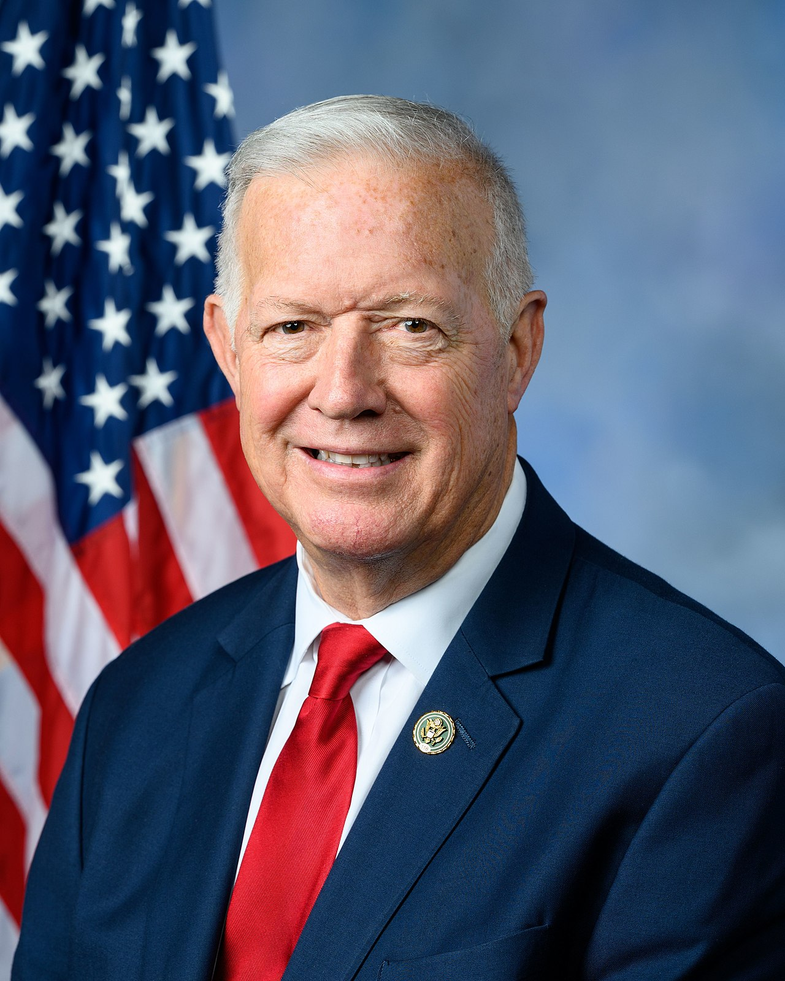
Co-Sponsor
Actions
2 actions
| Date | Action |
|---|---|
| Jul. 30, 2026 | Introduced in House |
| Jul. 30, 2026 | Referred to the House Committee on Energy and Commerce. |
Corporate Lobbying
0 companies lobbying
None found.
* Note that there can be significant delays in lobbying disclosures, and our data may be incomplete.