H.R. 9963: North Korean Fraudulent Applicants Knowingly Enriching the Regime Act
This bill would direct the State Department to work more closely with U.S. allies and partner countries to detect and disrupt schemes that North Korea uses to make money through fake or deceptive remote work arrangements.
What problem the bill targets
The bill focuses on cases where people from North Korea, or people helping North Korea, use false identities or other deceptive methods to get remote jobs, especially in technology-related work. According to the bill, the money from these schemes can help support North Korea’s missile and weapons programs.
What the State Department could do
The bill would authorize the Secretary of State to:
- Coordinate with allied and partner governments to align sanctions and other restrictions against people involved in North Korean remote worker schemes.
- Share information more closely about these schemes, money laundering, and weapons proliferation networks.
- Engage countries that are seen as hosting, enabling, or failing to stop this activity, using diplomacy, technical training, security assistance, and, where appropriate, sanctions or economic measures.
- Work on joint strategies to reduce North Korean sanctions evasion and financing related to weapons proliferation.
Private-sector cooperation
The bill would also authorize the State Department to work with private companies that may help identify or disrupt these schemes, including cybersecurity firms, banks, digital asset platforms, and online labor marketplaces. It specifically mentions the use of artificial intelligence, synthetic identities, and other emerging technologies in these activities.
Rewards and public attribution
The Secretary of State could increase Rewards for Justice payments related to information about North Korean remote work schemes and proliferation networks. The department could also publicly identify, where appropriate, illegal remote workforce schemes and related entities linked to North Korea through coordinated statements or advisories.
Reporting requirement
The bill would require the State Department to send Congress a report within 180 days of enactment, and then once a year for two more years. The report would cover:
- North Korean illegal remote workforce activity.
- Efforts to work with allies and partners.
- Actions taken to disrupt related networks.
- Coordination between the State Department and other federal agencies.
- Recommendations for further diplomatic, economic, or legislative action.
Relevant Companies
- UPST - Upstart Holdings, Inc.: Could be indirectly affected if financial institutions and fraud-detection efforts expand around identity verification and remote-work-related fraud.
- OKTA - Okta, Inc.: Identity and access management firms could see greater demand or scrutiny related to synthetic identity detection and remote access security.
- PYPL - PayPal Holdings, Inc.: Digital payment platforms could be more involved in monitoring suspicious cross-border payments tied to fraud or sanctions evasion.
- CRWD - CrowdStrike Holdings, Inc.: Cybersecurity companies may be asked to assist governments or clients in detecting and investigating these schemes.
- UPWK - Upwork Inc.: Online labor marketplaces could face increased coordination with governments on detecting fraudulent remote workers and fake identities.
This is an AI-generated summary of the bill text. There may be mistakes.
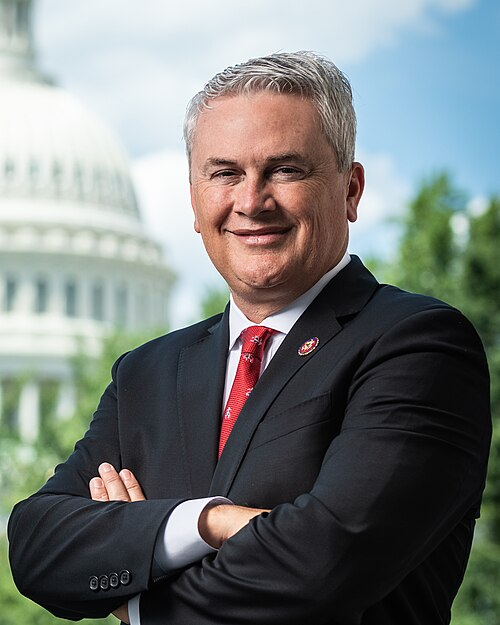
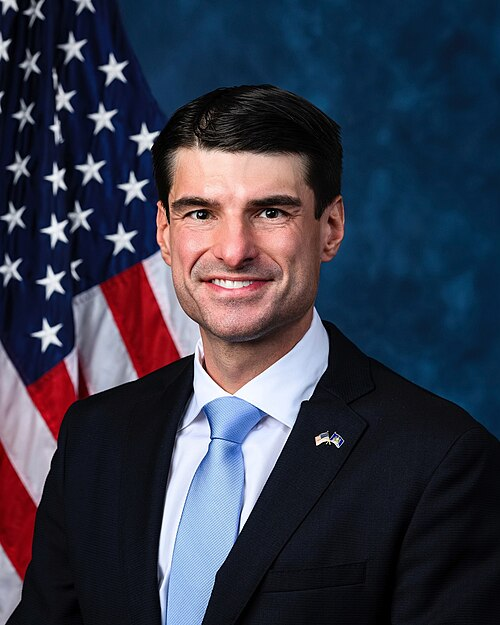
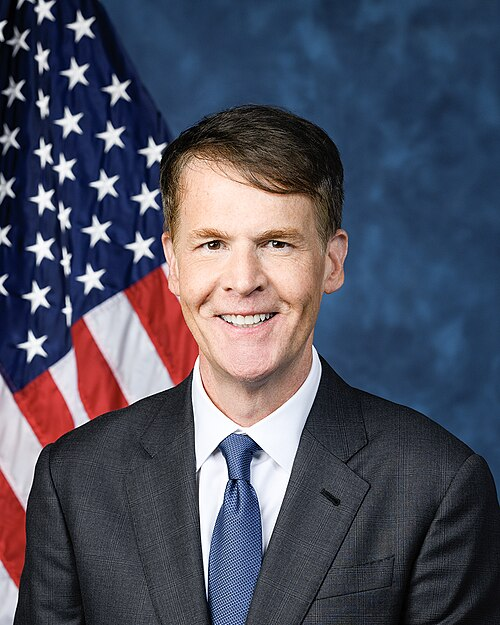
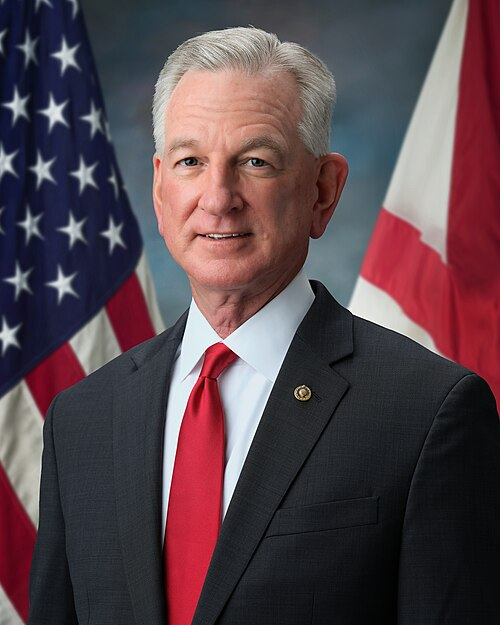
Sponsors
2 bill sponsors
Actions
2 actions
| Date | Action |
|---|---|
| Jul. 27, 2026 | Introduced in House |
| Jul. 27, 2026 | Referred to the House Committee on Foreign Affairs. |
Corporate Lobbying
0 companies lobbying
None found.
* Note that there can be significant delays in lobbying disclosures, and our data may be incomplete.