H.R. 9706: Facial Recognition to Protect Children Act
This bill would require wagering operators and prediction market platforms to use commercially available facial recognition technology to verify that users are older than 18 before they can access the platform, place a bet, or place an event-contract order. In plain terms, it would make age-checking through facial recognition a required step for these services.
What counts as covered platforms
- Wagering operators include licensed gaming facilities that offer sports wagering and interactive sports wagering platforms.
- Prediction market platforms are platforms offering certain event contracts, which are financial contracts tied to the outcome of an event or contingency.
How age verification would work
The bill says operators may not allow a user to participate unless they have verified, using facial recognition technology, that the person is over 18. It also directs operators to minimize the amount of personal data they collect, process, or transfer during the verification process, using only what is reasonably necessary for age verification. If data is collected that is not needed for compliance, it must be deleted.
FTC enforcement
The bill would treat violations as unfair or deceptive practices under the Federal Trade Commission Act. That means the Federal Trade Commission would be responsible for enforcing the rule and could use its normal enforcement tools. The FTC would also be allowed to write additional regulations to carry out the law.
Changes for prediction markets and event contracts
The bill also makes several changes to rules governing event contracts under the Commodity Exchange Act. These changes would give the Commodity Futures Trading Commission more authority over certain event contracts and add new consumer-protection rules, including:
- Public interest review: The commission could block event contracts it finds contrary to the public interest, especially if the contract is based on unlawful activity, terrorism, assassination, war, violence, gaming, or similar matters.
- Rulemaking: The commission would have to set criteria for making those public-interest decisions and provide at least a 60-day public comment period.
- Disclosure rules: Event-contract disclosures would need to be written more clearly for retail customers.
- Marketing limits: Promotional material for event contracts sold to retail customers would be restricted from being misleading or overly promotional, and would need clearer risk disclosures.
- Anti-money-laundering program: Operators would need an AML compliance program, including customer due diligence and procedures to verify that customers are at least 18.
- Funds protection: The commission would be directed to create rules on segregating customer/member funds, and operators would have to disclose risks involving loss or delays in access to funds and assets.
New oversight offices and advisory body
The bill would create an Office of the Retail Advocate within the Commodity Futures Trading Commission, led by a Retail Advocate who reports directly to the Commission. That office would help retail participants resolve problems, review proposed regulations for their effect on retail customers, do research, and make recommendations.
It would also create an Advisory Council on Consumer Protection made up of 15 members, including state attorneys general, subject-matter experts, and representatives from government and the market industry. The council would study retail participation, consumer protection, marketing features, self-exclusion options, deposit and trade limits, and the design of apps and devices used for event contracts. It would report to Congress and the Commission on a regular basis.
Bottom line
Overall, the bill would impose a facial-recognition-based age check for certain wagering and prediction market services, tighten federal oversight of event contracts, add more consumer-protection and disclosure rules, and create new offices and advisory groups focused on retail customer issues.
Relevant Companies
- CZR — Caesars Entertainment could be directly affected because it operates licensed gaming facilities and sports wagering services that would need to comply with the new facial-recognition age-verification requirement.
- DKNG — DraftKings could be impacted through its online sports wagering platform, which would likely need to add facial-recognition age checks and related compliance controls.
- FLUT — Flutter Entertainment, through its U.S. sports betting business, could face new age-verification and compliance requirements for wagering access.
- GMBL — Gambling.com Group could be affected indirectly if stricter marketing and customer-access rules change how wagering platforms acquire and serve users.
- SEAT — Vivid Seats is not a wagering operator, but companies involved in event-based or marketplace-style consumer products could be indirectly affected depending on how broadly prediction-market and event-contract rules are applied; direct impact is less certain.
- IBKR — Interactive Brokers could be affected if prediction-market or event-contract offerings available through brokerage channels are subject to the new rules and disclosures.
- CME — CME Group could be affected because the bill changes how event contracts are reviewed, approved, and restricted, which may affect products listed on derivatives markets.
This is an AI-generated summary of the bill text. There may be mistakes.
Sponsors
10 bill sponsors
-
TrackJosh Gottheimer
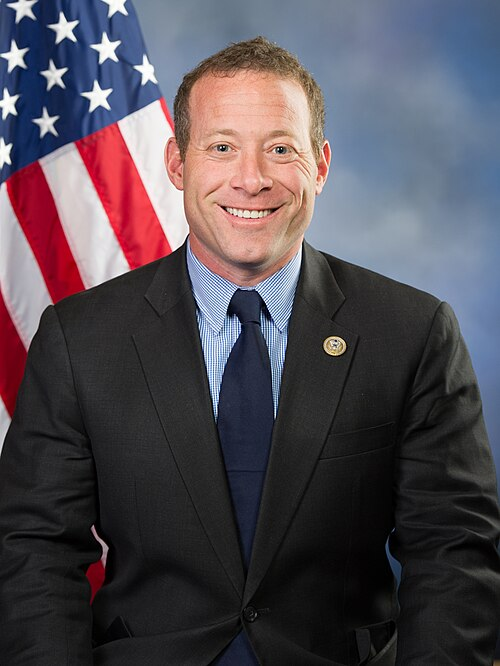
Sponsor
-
TrackRobert Bresnahan
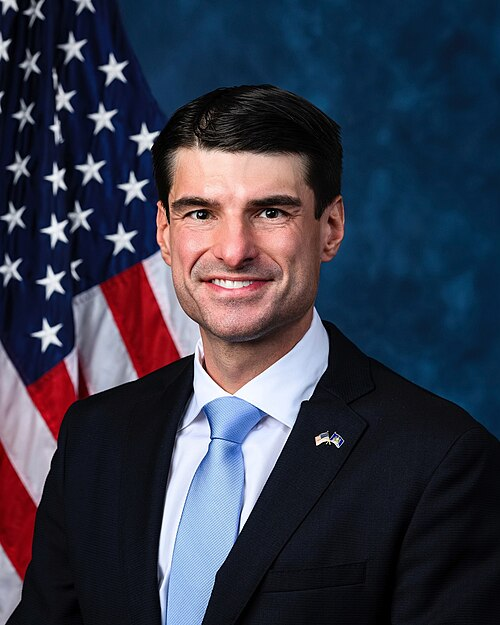
Co-Sponsor
-
TrackNick LaLota
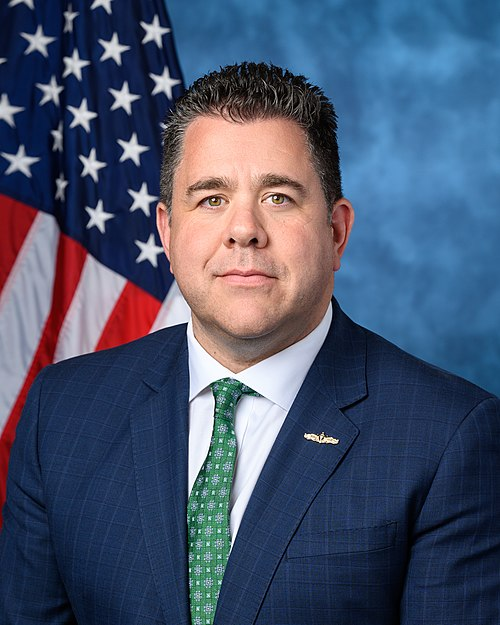
Co-Sponsor
-
TrackKristen McDonald Rivet
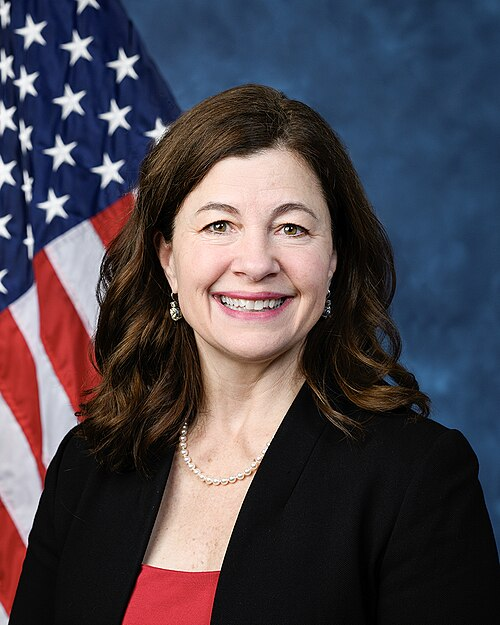
Co-Sponsor
-
TrackJimmy Panetta
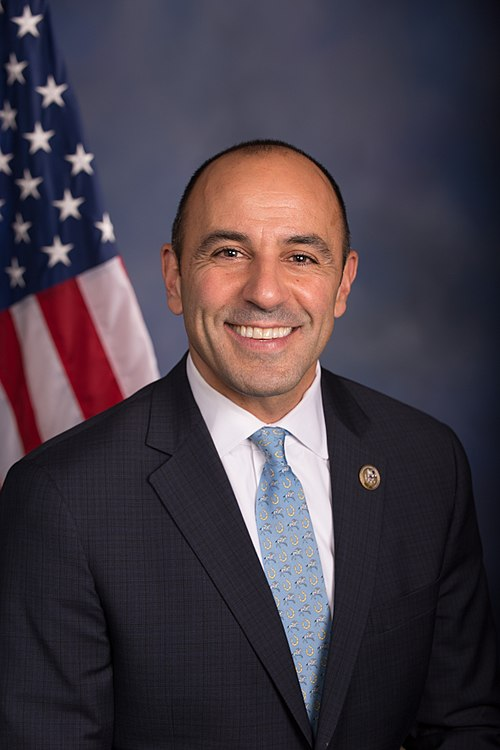
Co-Sponsor
-
TrackDarren Soto
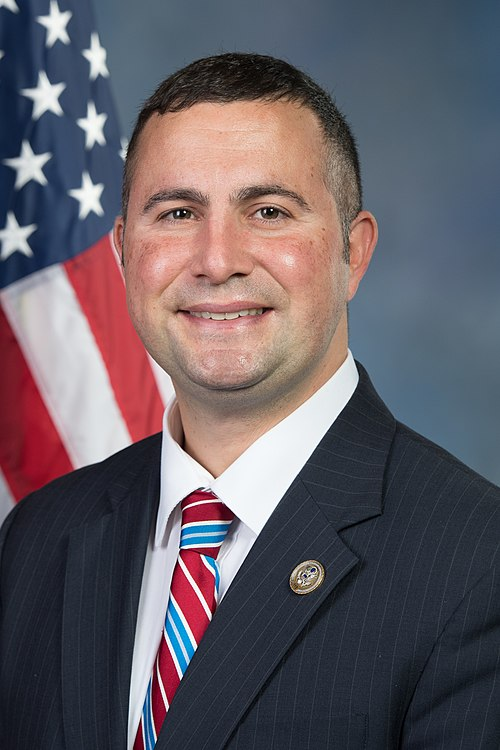
Co-Sponsor
-
TrackThomas R. Suozzi
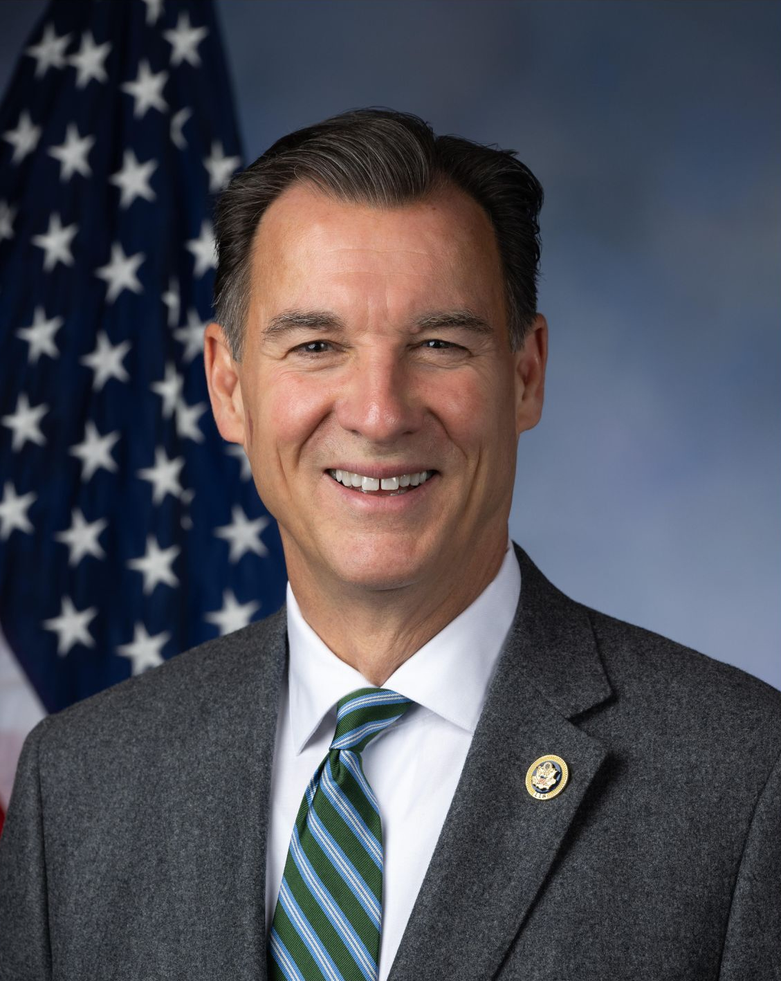
Co-Sponsor
-
TrackRitchie Torres
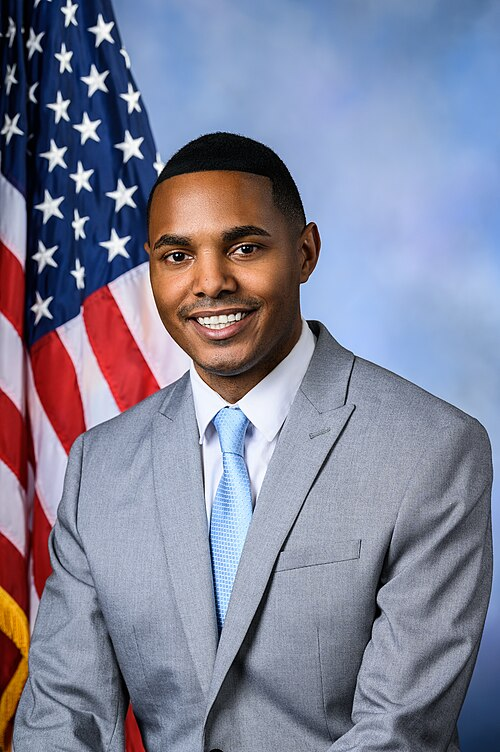
Co-Sponsor
-
TrackJefferson Van Drew
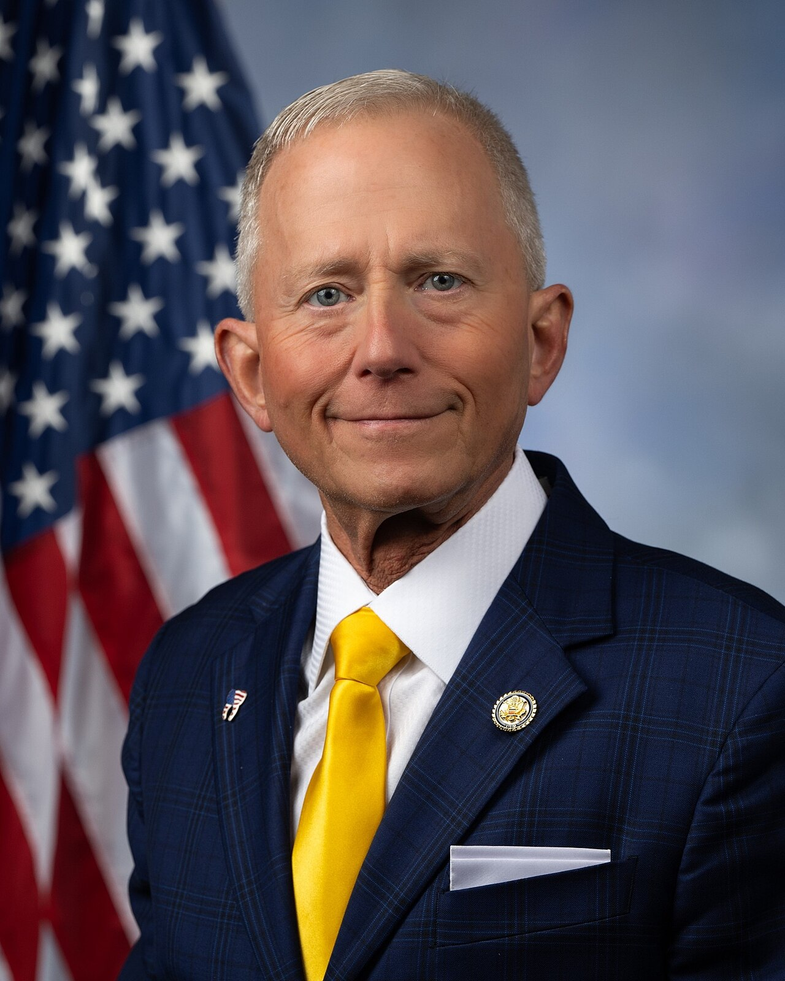
Co-Sponsor
-
TrackBruce Westerman
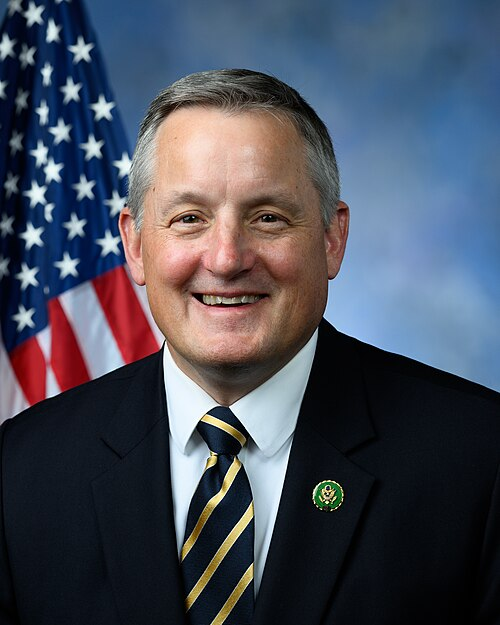
Co-Sponsor
Actions
2 actions
| Date | Action |
|---|---|
| Jul. 15, 2026 | Introduced in House |
| Jul. 15, 2026 | Referred to the Committee on Agriculture, and in addition to the Committee on Energy and Commerce, for a period to be subsequently determined by the Speaker, in each case for consideration of such provisions as fall within the jurisdiction of the committee concerned. |
Corporate Lobbying
0 companies lobbying
None found.
* Note that there can be significant delays in lobbying disclosures, and our data may be incomplete.