H.R. 9641: Essential Caregivers Act of 2026
This bill would require certain health care facilities that serve Medicare or Medicaid patients to let residents have visits from designated “essential caregivers” even during times when regular visitation is suspended.
Facilities covered
The requirements would apply to:
- Nursing facilities
- Skilled nursing facilities
- Long-term care hospitals
- Inpatient rehabilitation facilities
- Intermediate care facilities for individuals with intellectual disabilities
What an essential caregiver is
Each resident could choose up to two essential caregivers, and could change that choice at any time. If a resident cannot make that decision because of cognitive decline or mental disability, a resident representative could make the choice for them.
An essential caregiver would be someone who agrees to follow the facility’s written safety and infection-control rules. Those rules could not be more restrictive than the rules that apply to staff.
What the facilities would have to do
When regular visitation is suspended, covered facilities would have to run an “essential caregivers program.” Under that program, the facility would generally have to let the selected caregivers visit the resident in person.
The bill also allows some limits. For example, federal guidance could permit a facility to:
- Delay in-person access for the first 7 days of a visitation suspension, as long as the caregiver can still connect with the resident by audio-visual telecommunication during that time;
- Take reasonable steps to protect the rights of a roommate;
- Refuse access if the caregiver has symptoms of a serious infectious disease until the caregiver tests negative;
- Deny access if the caregiver does not follow the required safety protocols;
- Allow only one essential caregiver in person at a time.
End-of-life care
If a resident has elected end-of-life care under Medicare rules, the facility could not deny the essential caregiver in-person access or limit the length of the visit.
Complaint handling
The bill would require state survey agencies to prioritize complaints about violations of these access rules and to notify the complainant of the outcome within 3 days after the complaint is received.
Other rule changes
The bill would also make these caregiver-access requirements apply across the covered facility types by tying them into the Medicare and Medicaid statutes. It would bar the federal government from waiving these requirements under certain emergency waiver authorities.
Implementation
The Secretary of Health and Human Services would have to issue regulations within 18 months of enactment. The changes would take effect 1 year after enactment.
Relevant Companies
- ENSG — Ensign Group operates skilled nursing and rehabilitation facilities that could be affected by new visitation and caregiver-access requirements.
- CI — Cigna, through its health services and care management businesses, could be indirectly affected by changes in long-term care facility compliance and oversight.
- THC — Tenet Healthcare operates inpatient rehabilitation facilities and other care settings that could be subject to the bill’s rules.
- UHS — Universal Health Services operates inpatient rehabilitation and related facilities that may need to comply with the new visitation requirements.
This is an AI-generated summary of the bill text. There may be mistakes.
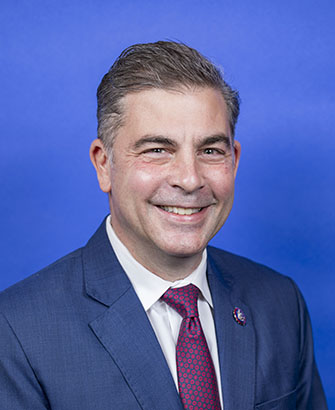
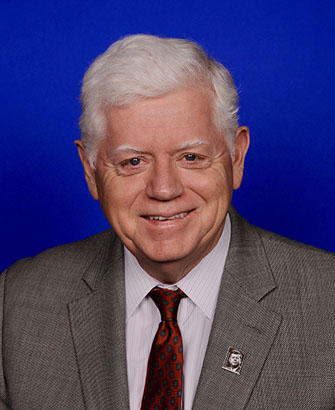
Sponsors
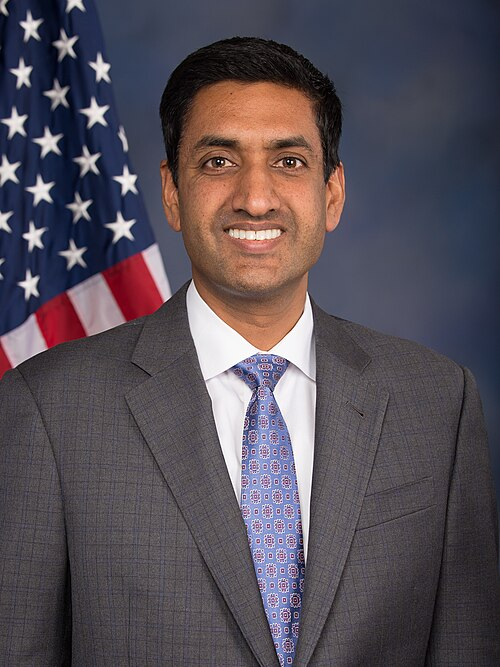
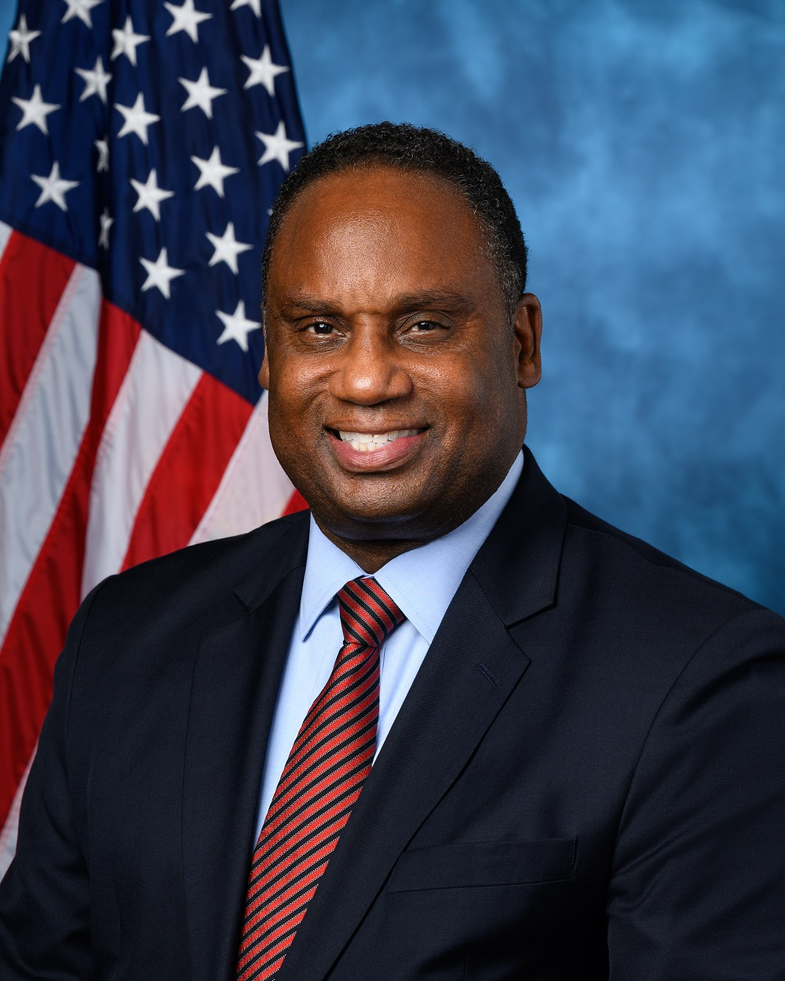
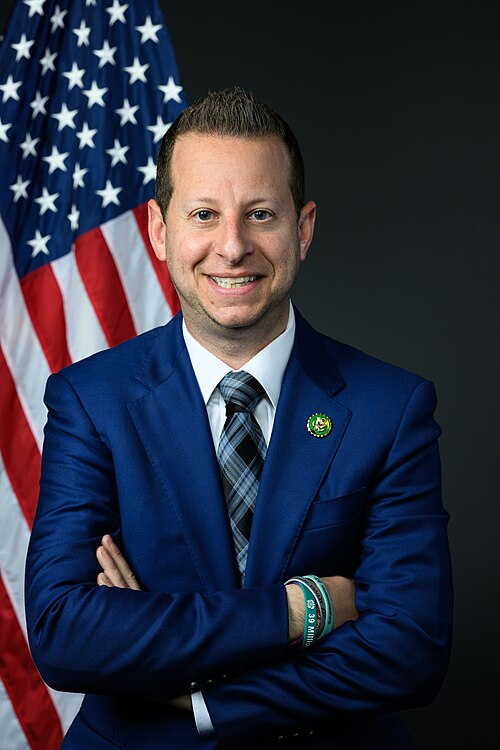
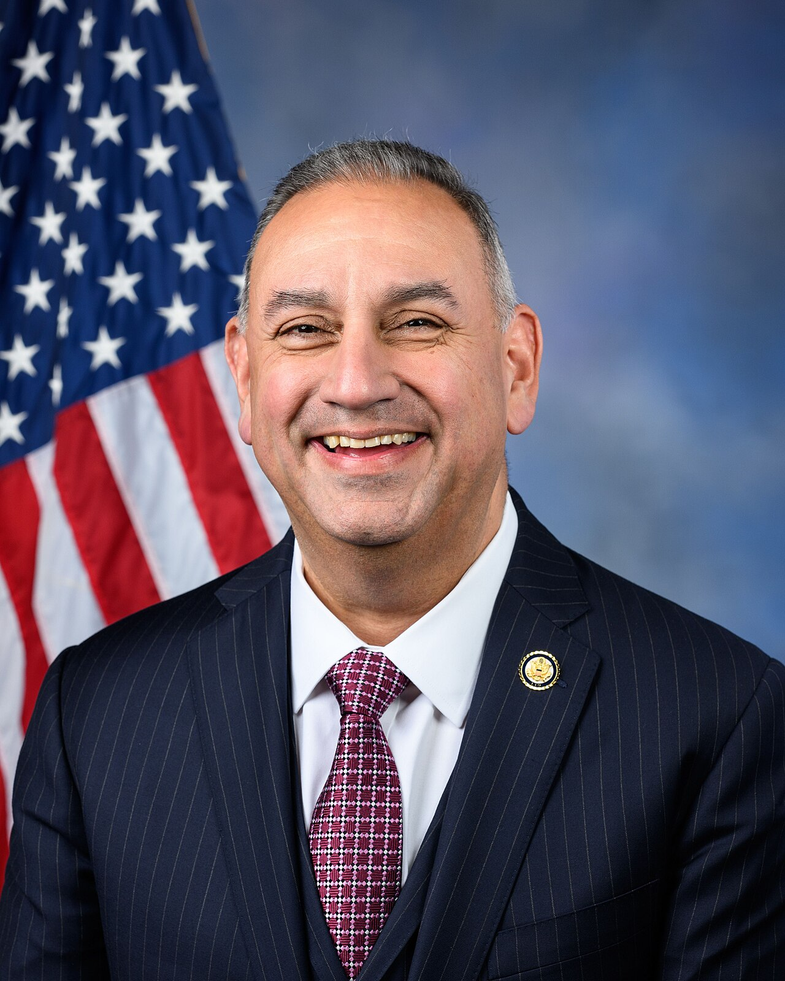
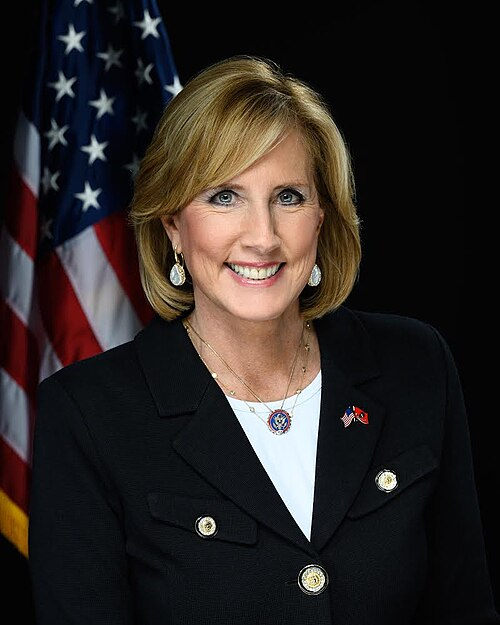
3 bill sponsors
Actions
4 actions
| Date | Action |
|---|---|
| Jul. 15, 2026 | Committee Consideration and Mark-up Session Held |
| Jul. 15, 2026 | Ordered to be Reported in the Nature of a Substitute by the Yeas and Nays: 38 - 0. |
| Jul. 13, 2026 | Introduced in House |
| Jul. 13, 2026 | Referred to the Committee on Energy and Commerce, and in addition to the Committee on Ways and Means, for a period to be subsequently determined by the Speaker, in each case for consideration of such provisions as fall within the jurisdiction of the committee concerned. |
Corporate Lobbying
0 companies lobbying
None found.
* Note that there can be significant delays in lobbying disclosures, and our data may be incomplete.