H.R. 9200: Secure the Border Act of 2026
This bill would make a wide set of changes to U.S. border security and immigration rules. It would focus on building more physical barriers at the southern border, increasing surveillance and enforcement tools, and tightening several parts of the legal immigration and asylum system.
Border security and enforcement
The bill would resume and expand border wall construction and authorize more physical barriers and surveillance technology along the border. It would also require U.S. Customs and Border Protection (CBP) to do more long-term planning for technology and operations, including setting mission priorities, using staffing models, and providing regular reports on border activity.
CBP would get additional support for air and marine operations, and certain border-related grant programs, such as Stonegarden grants, would be expanded or adjusted. The bill would also allow vegetation removal in parts of the Rio Grande area to improve border enforcement access. It would require more frequent reporting on border statistics and planning.
The bill also adds or expands rules for identity checks, biometrics, and background checks in certain settings, including airport identification requirements. It would place limits on adverse actions tied to COVID-19 vaccine mandates in some border-security-related contexts.
Asylum changes
The bill would make asylum harder to qualify for in several ways. It would narrow the definition of certain asylum claims, including claims based on membership in a “particular social group.” It would also restrict asylum for some people with criminal convictions, certain road traffic offenses, or repeated applications.
Other changes would treat several circumstances as major barriers to asylum, including:
- having already found firm resettlement in another country,
- traveling through third countries before reaching the U.S., and
- not arriving at a port of entry.
The bill would also add fees and limit work authorization for some asylum applicants, and it would tighten rules aimed at discouraging claims considered frivolous.
Detention, parole, and removal-related rules
The bill would expand detention and border-enforcement authority. It would increase the use of detention for certain migrants, including in family and child-related contexts, and would broaden policies for repatriation and removal. It would also require agreements with countries in the region to help manage migration flows.
Immigration parole would be sharply restricted. In general, this means fewer people would be allowed to temporarily enter or remain in the United States through parole while their cases are pending or for other humanitarian or public-interest reasons.
The bill would also penalize visa overstays more directly by adding consequences for people who remain in the country beyond the time allowed on their visas.
Employment verification and E-Verify
A major part of the bill would expand mandatory employment verification for most employers through E-Verify. Employers would have to check new hires against the system, with later phase-in deadlines for smaller businesses and agriculture. The bill would also require reverification in some cases when workers’ employment authorization expires.
It would set procedures for how employers use the system, create privacy and data-safeguard requirements, and establish notice and penalty rules when the system returns a nonconfirmation. The bill also includes good-faith protections for employers in some cases.
In addition, it would strengthen E-Verify by increasing penalties for violations, limiting state-level enforcement in certain ways, increasing Social Security Administration funding for the program, and creating anti-fraud measures such as photo matching, identity checks, audits, and temporary blocks or suspensions where fraud is suspected. It would also require studies related to the agricultural workforce.
Relevant Companies
- LDOS — Leidos could be affected if federal agencies increase spending on border security technology, surveillance systems, data integration, and related IT support.
- BAH — Booz Allen Hamilton could be impacted by expanded government contracting for border planning, analytics, systems integration, and enforcement support.
- RTX — RTX could see indirect effects from increased demand for surveillance, sensor, communications, and defense-related border technology.
- CIEN — Ciena could be indirectly affected if border communications and network infrastructure spending increases.
- GTLS — General Dynamics may be affected through defense and government services work tied to border security and enforcement operations.
- ADP — ADP could be indirectly affected by broader employer compliance and workforce verification changes, though not as directly as E-Verify system operators.
- TLRY — None directly; listed only as an example of a public company format? Actually, no significant direct impact found.
This is an AI-generated summary of the bill text. There may be mistakes.
Sponsors
11 bill sponsors
-
TrackChip Roy

Sponsor
-
TrackAndy Biggs

Co-Sponsor
-
TrackLauren Boebert
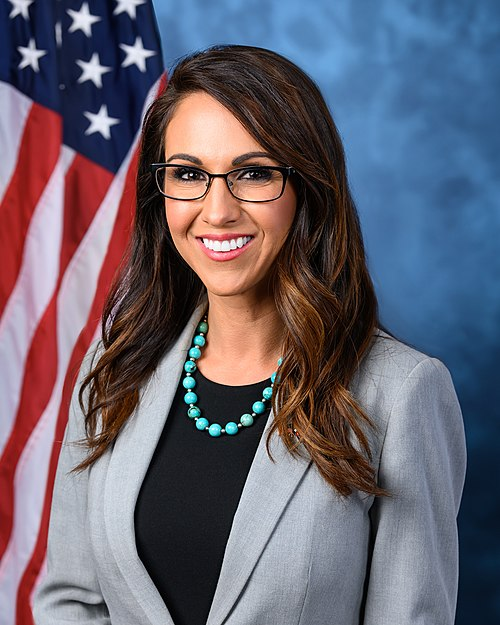
Co-Sponsor
-
TrackMichael Cloud

Co-Sponsor
-
TrackAndrew S. Clyde
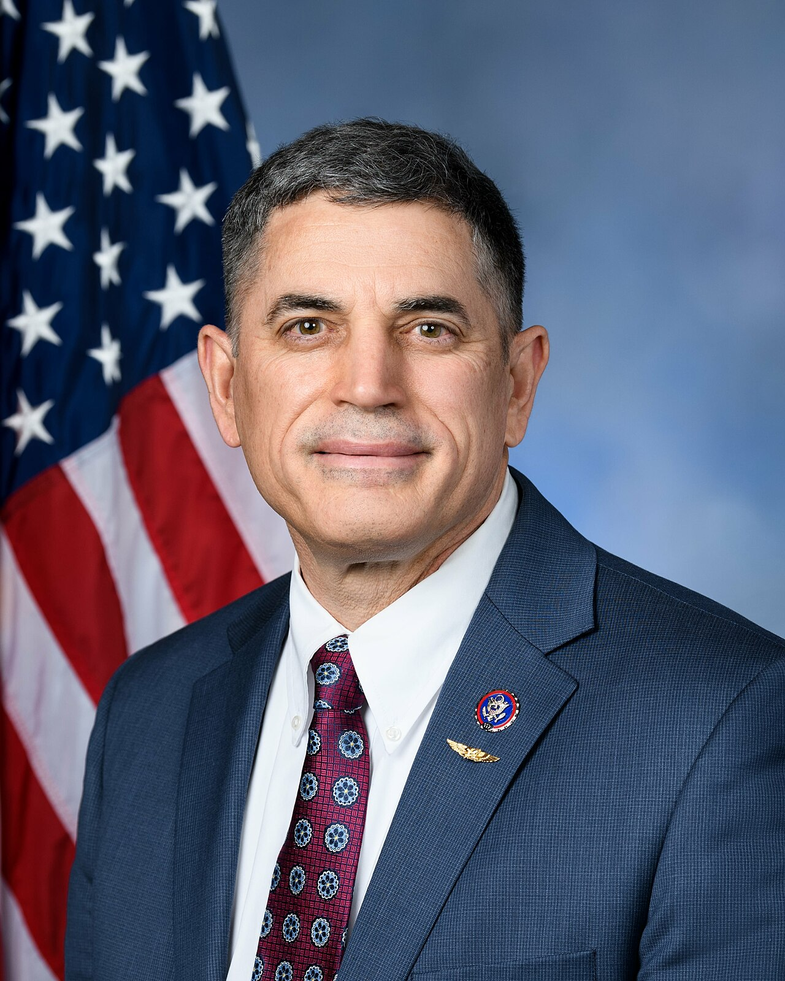
Co-Sponsor
-
TrackByron Donalds
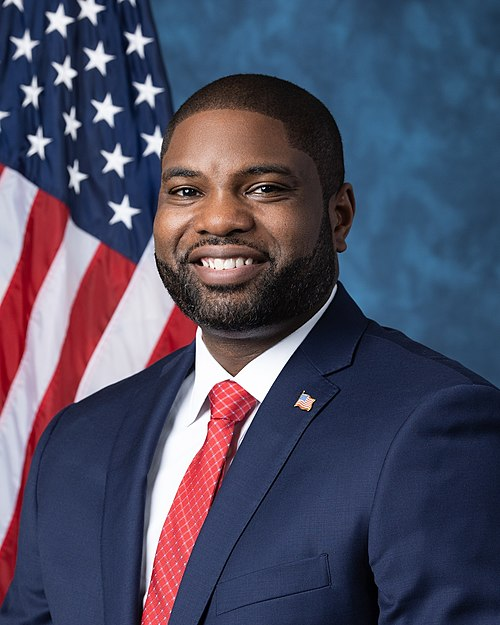
Co-Sponsor
-
TrackAndy Harris

Co-Sponsor
-
TrackClay Higgins
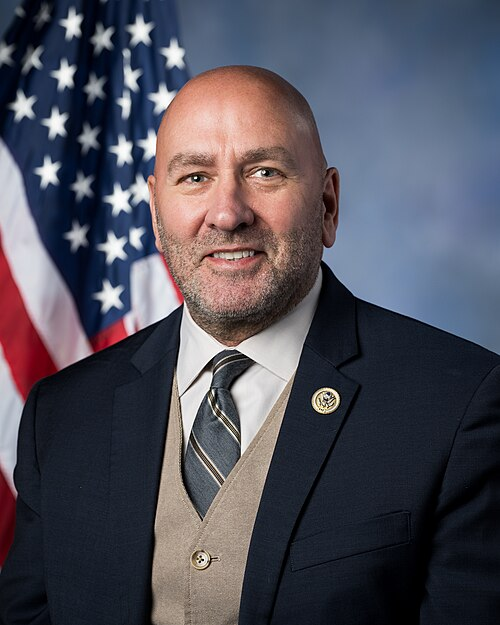
Co-Sponsor
-
TrackAndrew Ogles

Co-Sponsor
-
TrackScott Perry

Co-Sponsor
-
TrackKeith Self

Co-Sponsor
Actions
5 actions
| Date | Action |
|---|---|
| Jul. 07, 2026 | Referred to the Subcommittee on Border Security and Enforcement. |
| Jul. 07, 2026 | Referred to the Subcommittee on Oversight, Investigations, and Accountability. |
| Jul. 07, 2026 | Referred to the Subcommittee on Transportation and Maritime Security. |
| Jun. 08, 2026 | Introduced in House |
| Jun. 08, 2026 | Referred to the Committee on the Judiciary, and in addition to the Committees on Homeland Security, Ways and Means, Foreign Affairs, and Education and Workforce, for a period to be subsequently determined by the Speaker, in each case for consideration of such provisions as fall within the jurisdiction of the committee concerned. |
Corporate Lobbying
0 companies lobbying
None found.
* Note that there can be significant delays in lobbying disclosures, and our data may be incomplete.