H.R. 8981: Standards and Calibration for American Leadership in Engineering Biology Act
The proposed bill, titled the "Standards and Calibration for American Leadership in Engineering Biology Act" (SCALE Biology Act), aims to enhance the United States' capabilities in the fields of engineering biology, biomanufacturing, and biotechnology through the establishment of a specialized program within the National Institute of Standards and Technology (NIST). Below are the main components and activities outlined in the bill:
Establishment of Biometrology Laboratory Program
The bill intends to create a biometrology laboratory program at NIST, which would focus on measurement research relevant to engineering biology, biomanufacturing, and biotechnology. This program is designed to:
- Facilitate innovation and enhance industrial competitiveness.
- Improve the accuracy and reliability of biological data and materials.
- Support the safe and responsible use of biological technologies to ensure economic and national security.
Activities and Research Focus
The proposed program will carry out various activities including:
- Conducting research to support the development of voluntary technical standards, guidelines, and methodologies for the industry.
- Research on measurement technologies that understand the conversion of DNA information into cellular function.
- Developing tools and processes for biological data and conducting assessments on the lifecycle and sustainability of biomanufacturing products.
- Addressing biorisk, biosafety, and biosecurity concerns in biotechnology.
- Providing access to advanced research facilities and supporting research across various institutions, including collaboration with industry and government agencies.
Coordination and Outreach
The bill requires the Director of NIST to:
- Coordinate with other federal agencies and industry representatives to foster collaborative research and establish measurement infrastructure.
- Engage stakeholders through workshops and other activities to set the research and development priorities for the biometrology program.
Funding and Implementation Timeline
The bill sets forth funding levels for the program, which are:
- $55 million for fiscal year 2026
- $60 million for fiscal year 2027
- $70 million for fiscal year 2028
- $78 million for fiscal year 2029
- $85 million for fiscal year 2030
It also mandates the Director to submit various reports on the implementation and progress of the program to ensure transparency and public availability of information.
Definition of Key Terms
The bill includes definitions for several terms relevant to its provisions, including:
- Biomanufacturing: The use of biological systems to produce goods.
- Biosafety: Practices to reduce the risk of harm from biological materials.
- Biosecurity: Measures to prevent loss or misuse of biological materials.
- Engineering biology: The design and construction of biological components for specific functions.
Relevant Companies
- AMGN (Amgen Inc.): As a biotechnology company, it may be positively impacted by advances in biomanufacturing standards and technologies.
- REGN (Regeneron Pharmaceuticals, Inc.): This company may benefit from improved biomanufacturing processes and data accuracy for biological products.
- TMO (Thermo Fisher Scientific Inc.): Expected to be influenced by the establishment of new measurement standards and research opportunities in biomanufacturing and biotechnology.
This is an AI-generated summary of the bill text. There may be mistakes.
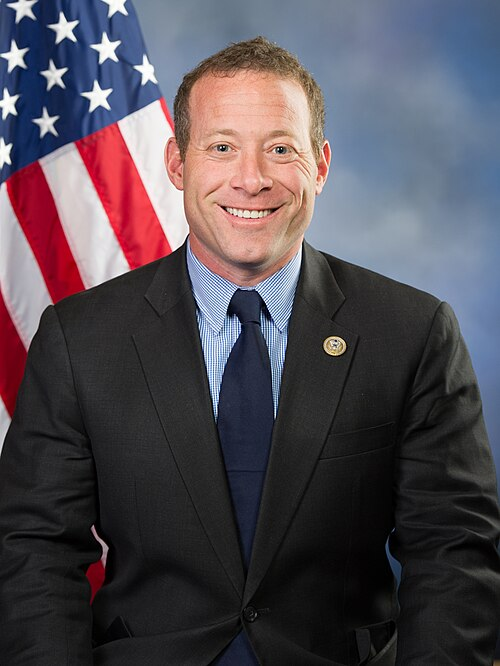
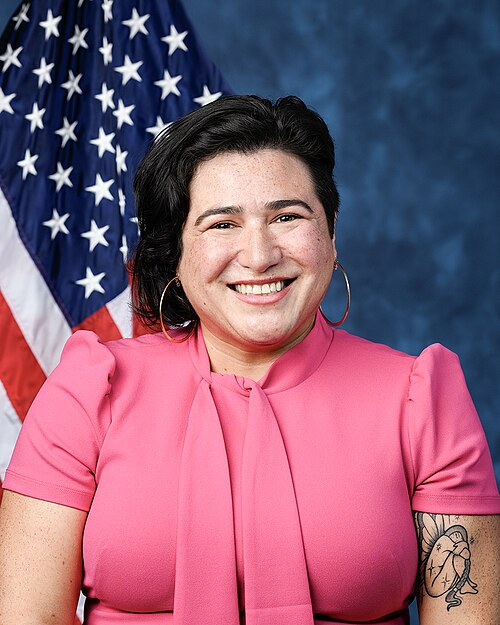
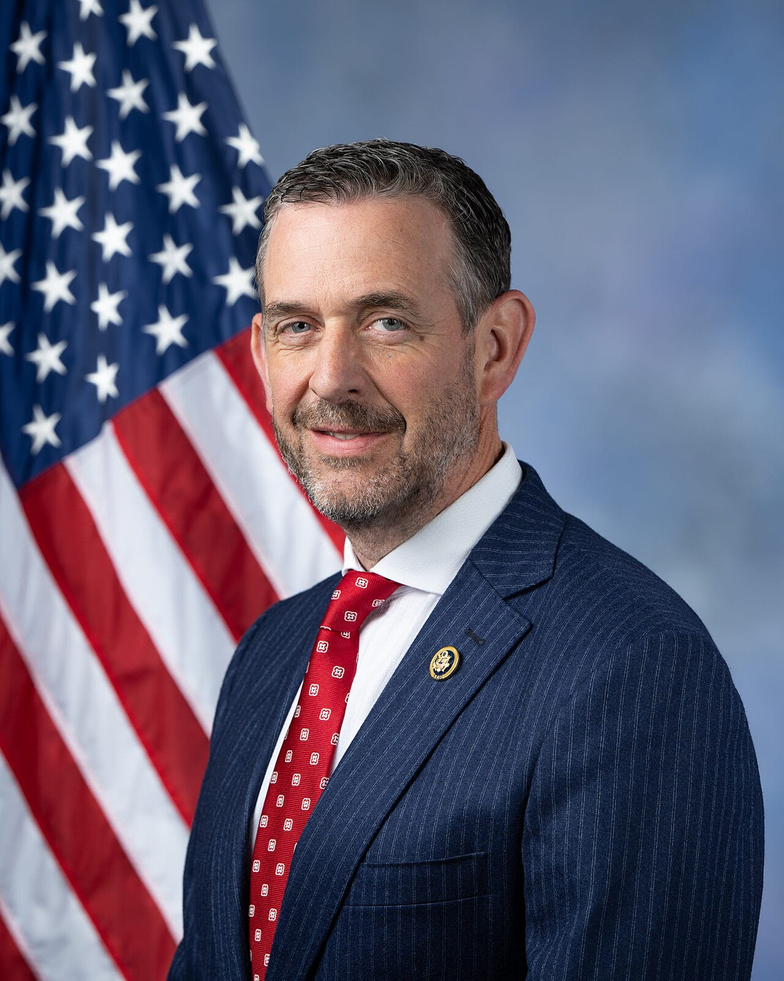
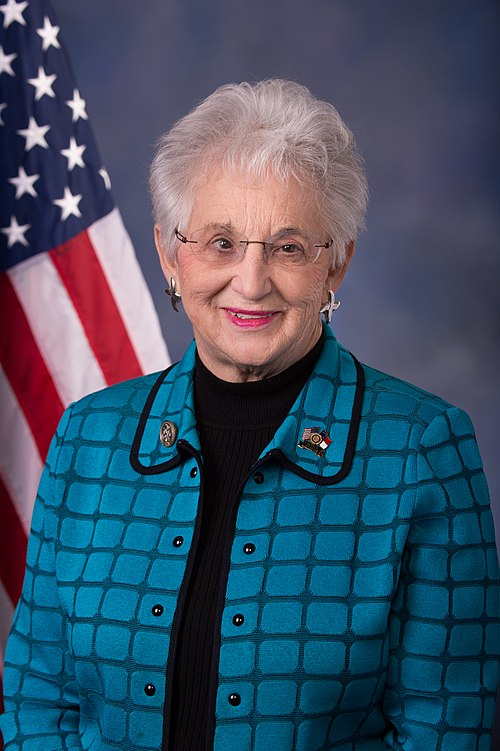
Sponsors
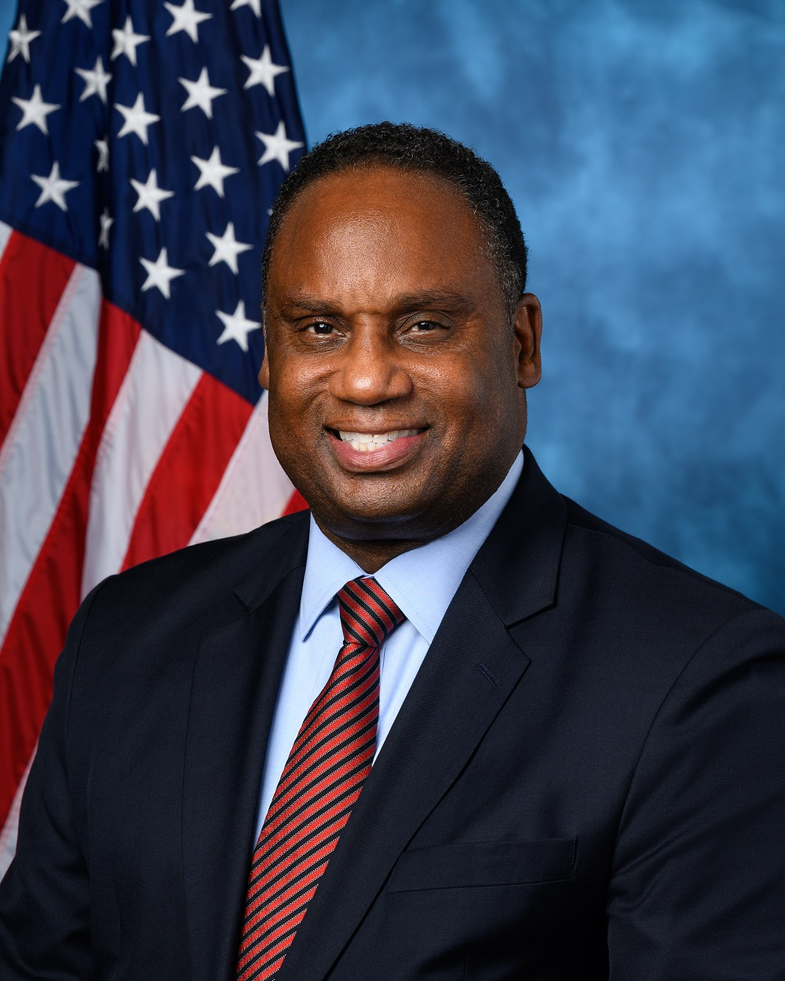
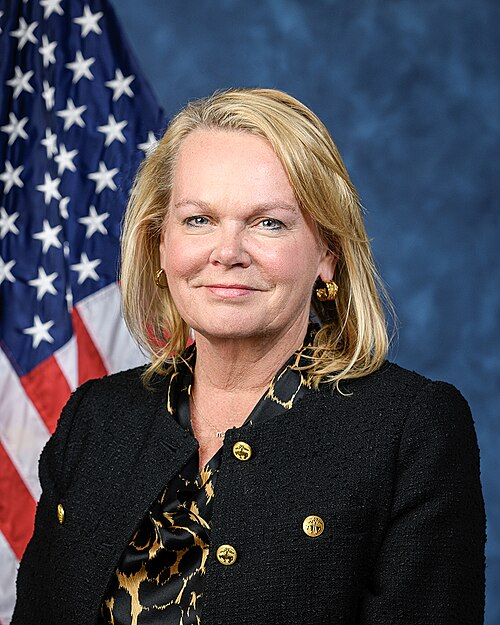
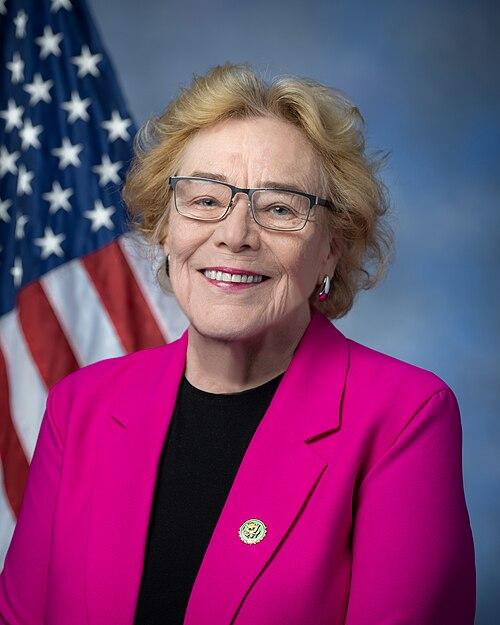
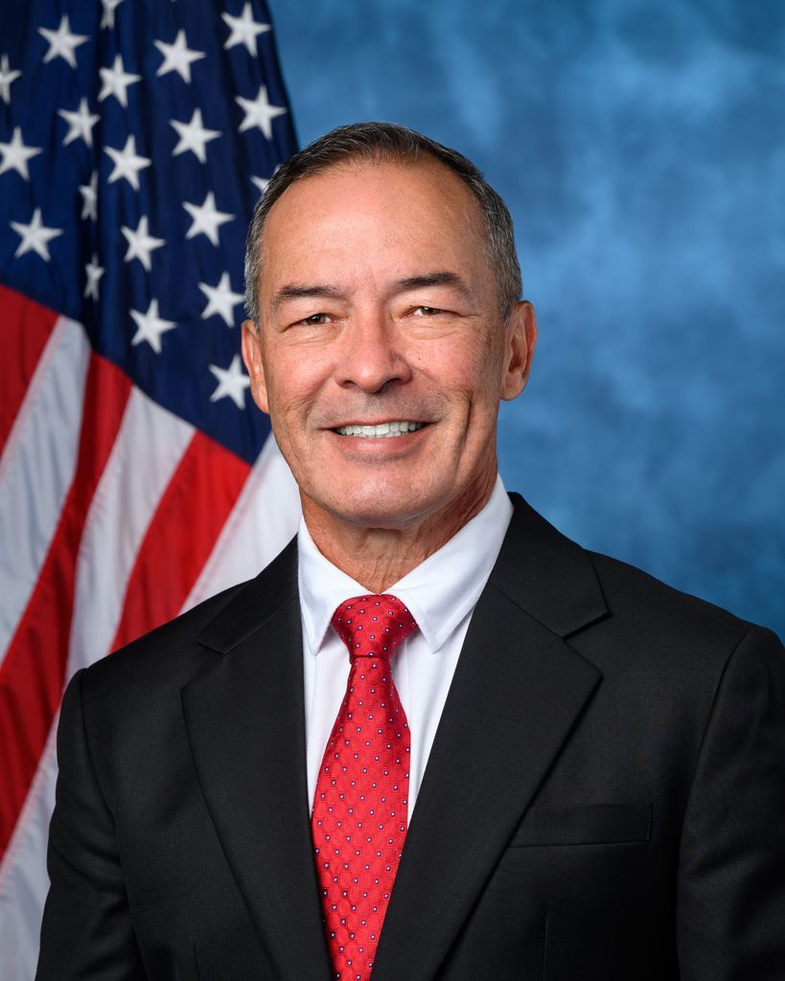
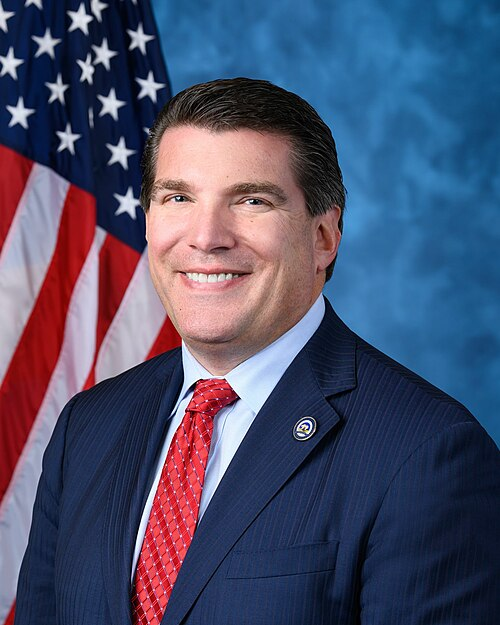
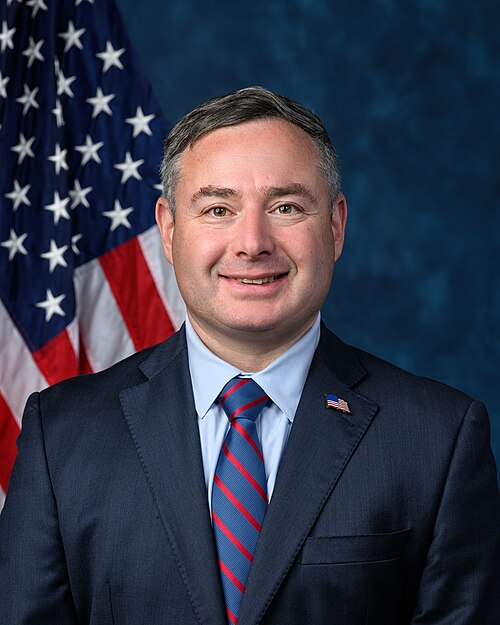
6 bill sponsors

Actions
4 actions
| Date | Action |
|---|---|
| Jul. 21, 2026 | Committee Consideration and Mark-up Session Held |
| Jul. 21, 2026 | Ordered to be Reported in the Nature of a Substitute (Amended) by Voice Vote. |
| May. 21, 2026 | Introduced in House |
| May. 21, 2026 | Referred to the House Committee on Science, Space, and Technology. |
Corporate Lobbying
0 companies lobbying
None found.
* Note that there can be significant delays in lobbying disclosures, and our data may be incomplete.