H.R. 8840: Fair Care Act of 2026
This bill would make a wide range of changes to health insurance, prescription drug regulation, Medicare, Medicaid, employer health benefits, and related reporting and enforcement rules.
Health savings accounts and employer coverage
The bill would expand the rules for health savings accounts (HSAs) by allowing more types of health plans to qualify, increasing contribution limits, expanding rollovers, and allowing more employer contributions. It would also add new reporting requirements tied to HSAs.
It would change rules for employer-sponsored health plans by defining employee classes for HSA-integrated plans, setting minimum class sizes, limiting how much premiums can vary, and restricting when a plan is treated as an ERISA-covered plan if it is voluntary or not employer-endorsed. It would also protect HSAs in bankruptcy and allow unused premium credits to be deposited into HSAs.
Health insurance market changes
The bill would change private health insurance rules in several ways. It would bar preexisting condition exclusions, require coverage certifications and special enrollment rights, extend dependent coverage up to age 26, and set limits on cost-sharing. It would also add enforcement penalties for violations.
It would expand association health plans, define and regulate short-term coverage, and create a state/federal reinsurance pool with federal funding support. The bill would repeal the employer mandate and adjust premium tax credits based on age. It would also change premium and coverage rules for exchange plans and add copper-tier plans and broader enrollment options.
The bill would give states more flexibility through waiver programs and would fund enforcement against consolidation. It would also limit certain contract terms between insurers and providers that are seen as restricting competition.
Genetic information and wellness programs
The bill would expand the definition of genetic information to include fetuses and embryos. It would also place detailed rules on employer wellness programs, including limits on rewards, requirements that programs be reasonably designed, annual employee access, alternative standards for people who cannot meet the main standard, and required disclosures.
Drug pricing, PBMs, and transparency
The bill would impose new transparency rules on pharmacy benefit managers (PBMs) and related entities. PBMs would have to pass through all rebates and fees to group health plans within 90 days, disclose and audit those amounts, and face civil penalties for violations. The bill would also require frequent pricing updates and detailed reporting from PBMs and health plans, and would ban certain hidden pricing practices.
It would also direct studies and reporting on PBM practices, and it includes additional reforms affecting Medicare, Medicaid, and medical malpractice.
340B drug program and reporting
The bill would require 340B-covered entities to report information about charity care, reimbursements compared with acquisition costs, contracts, and vendors. That information would be made public. It would also require HHS, the Inspector General, and GAO to produce reports. HRSA would be directed to report on outpatient low-income utilization. The bill also includes reforms related to drug competition, biosimilar substitution, and conditional approval for rare-disease drugs.
Conditional and provisional drug approval
The bill would create a provisional or conditional approval pathway for certain drugs, especially rare-disease drugs and biological products. These products could be approved subject to stronger labeling and disclosure requirements, mandatory patient registries, informed consent, periodic renewal, and possible withdrawal if harms emerge. The bill would also include liability limits and require coverage for some of these products. It would modify exclusivity rules for some rare-disease drugs and biosimilars.
FDA oversight and congressional review
The bill would add a new process for congressional review of FDA rules. Major rules would require congressional approval, while nonmajor rules could be disapproved. It would require more detailed reporting, GAO review, and annual review of a share of existing FDA rules. Rules that are not approved within a certain period could expire. The bill would also require FDA rulemaking costs to be offset and would create another provisional drug approval pathway with registry-based monitoring and renewal requirements.
Medicare changes
The bill would create a single annual out-of-pocket cap for Medicare beginning in 2026. It would expand telehealth and remote monitoring coverage, loosen some telehealth restrictions, broaden the types of sites and providers that can deliver covered telehealth services, and require studies and reports on these changes.
It would also reform Medicare Advantage and Medigap, and make related conforming changes throughout the Medicare program. In addition, it would place some restrictions on higher-income Medicare beneficiaries and change some enrollment rules for dual-eligible individuals.
Medicaid changes
The bill would require audits of Medicaid payments and set rules for state financing, including a minimum 75% federal matching level and limits on what costs can count toward a state’s share. It would cap aid to most people above 100% of the poverty level, add bonuses for chronic-care management, and allow states to opt to receive Medicare payments for some full-benefit dual eligibles.
It would also preserve existing waivers, require budget neutrality for new waivers, and direct reporting to Congress. More generally, it would make a range of Medicaid eligibility and payment changes.
Other insurance and federal health rules
The bill would set additional rules for premium variation, insurance enrollment, and subsidies. It would also expand state waiver flexibility, add anti-discrimination rules, and allow unused premium credits to be deposited into HSAs in some cases. It includes reforms to malpractice rules and other health-market provisions.
Relevant Companies
- CVS — Through its PBM and health insurance operations, it could be affected by new PBM rebate pass-through, transparency, and pricing rules.
- CI — Cigna, including its Express Scripts PBM business, could be directly affected by PBM rebate, disclosure, and audit requirements.
- UNH — UnitedHealth, through OptumRx and its health plan operations, could be affected by PBM transparency rules and broader insurance market changes.
- ELV — Elevance Health could be affected by exchange plan, Medicare, Medicaid, and PBM-related changes.
- HUM — Humana could be affected by Medicare Advantage reforms, telehealth coverage changes, and Medicare out-of-pocket cap provisions.
- MOH — Molina Healthcare could be affected by Medicaid payment, eligibility, and enrollment rule changes.
- CNC — Centene could be affected by ACA exchange rules, Medicaid changes, and PBM-related transparency provisions.
- MCK — McKesson could be affected by drug pricing, biosimilar, and 340B reporting changes that influence distribution and reimbursement flows.
- CAH — Cardinal Health could be affected by 340B, drug pricing, and pharmaceutical supply-chain changes.
- ABC — AmerisourceBergen could be affected by 340B reporting and broader drug pricing reforms.
This is an AI-generated summary of the bill text. There may be mistakes.
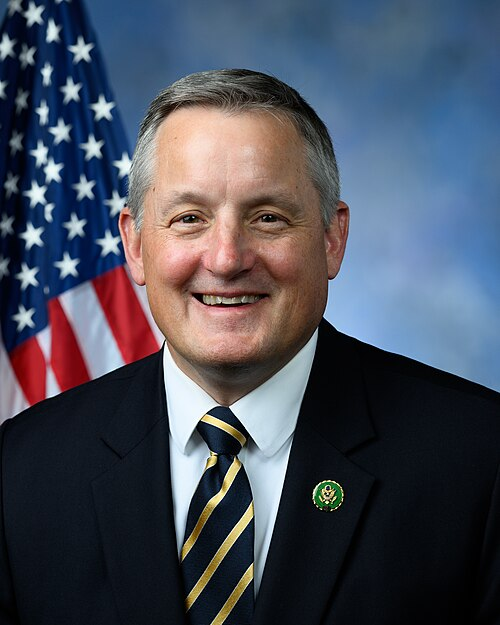
Sponsors
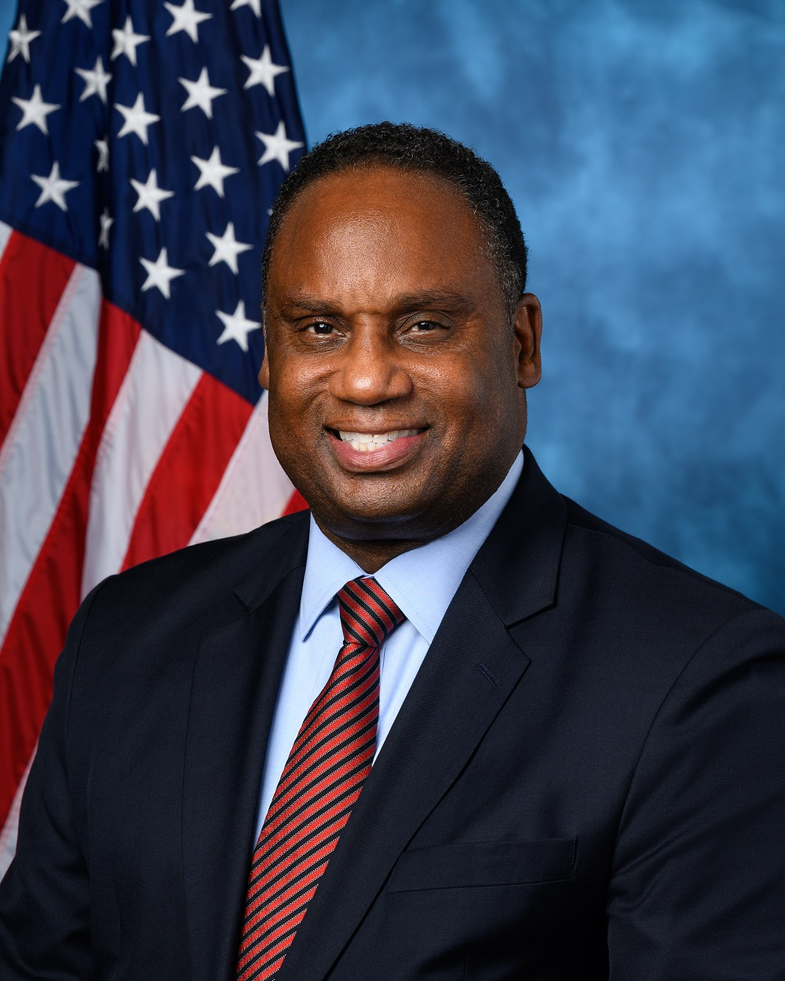
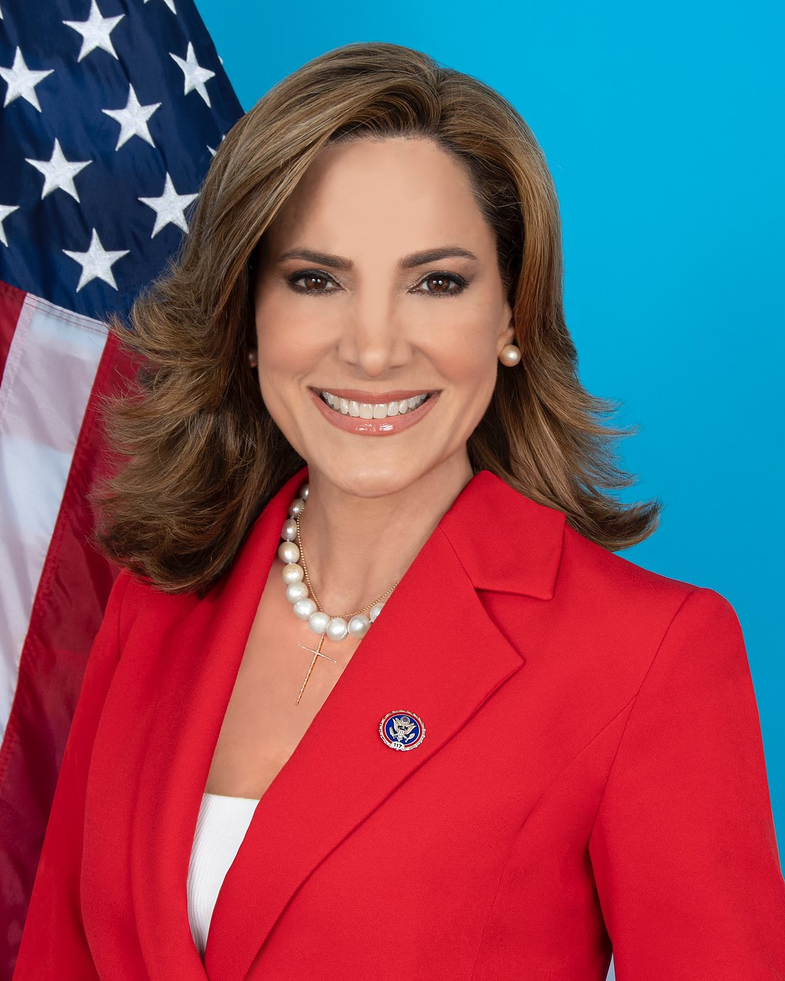
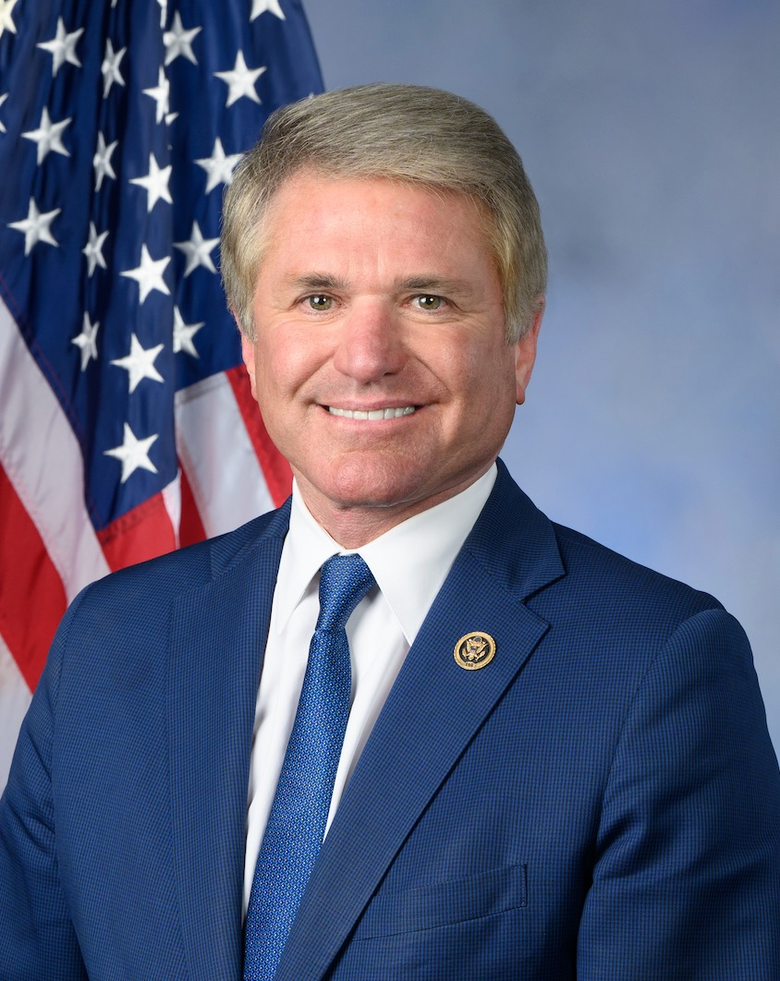
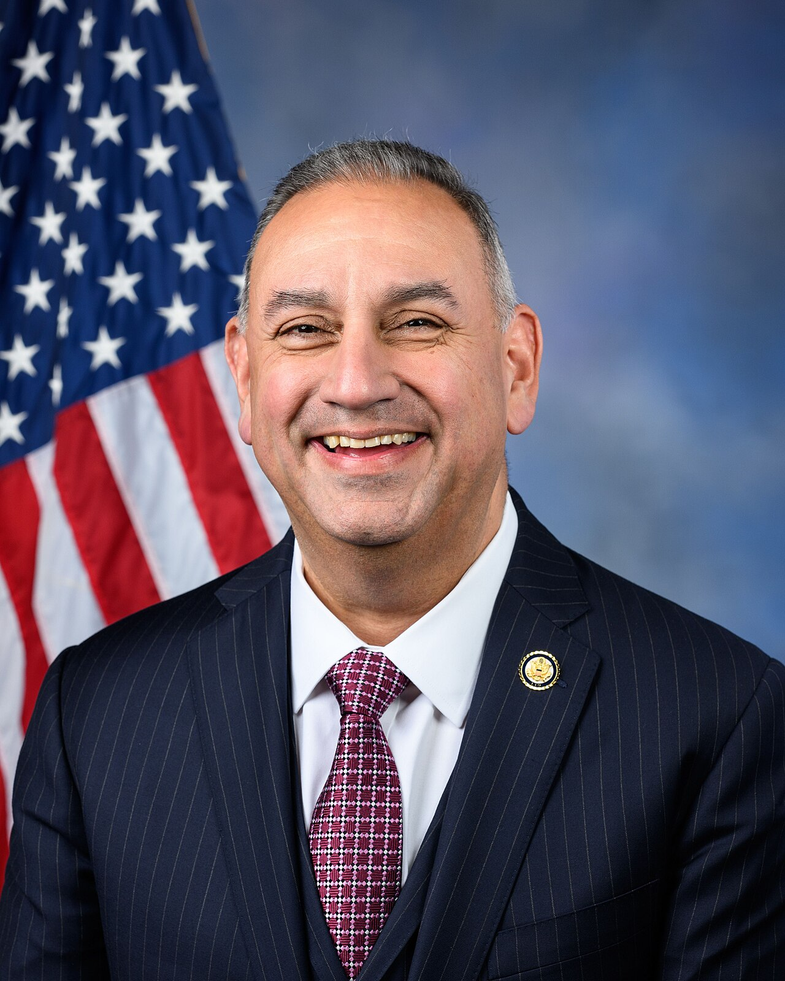
1 sponsor
Actions
2 actions
| Date | Action |
|---|---|
| May. 14, 2026 | Introduced in House |
| May. 14, 2026 | Referred to the Committee on Energy and Commerce, and in addition to the Committees on Ways and Means, Education and Workforce, the Judiciary, Oversight and Government Reform, Rules, the Budget, Armed Services, and House Administration, for a period to be subsequently determined by the Speaker, in each case for consideration of such provisions as fall within the jurisdiction of the committee concerned. |
Corporate Lobbying
0 companies lobbying
None found.
* Note that there can be significant delays in lobbying disclosures, and our data may be incomplete.