H.R. 8011: Strengthening and Expanding Capacity for Unified Response and Excellence in Health Act
This bill, known as the Strengthening and Expanding Capacity for Unified Response and Excellence in Health Act (or SECURE Health Act), aims to enhance global health security and improve health outcomes by primarily focusing on support for frontline health workers both domestically and internationally. Here are the key components and objectives of the bill:
Key Objectives
- To strengthen the global health workforce, which includes improving access to healthcare and addressing severe health worker shortages worldwide.
- To enhance investments in health workers and ensure they are adequately trained, equipped, and supported.
- To integrate worker support across multiple health areas instead of focusing solely on individual diseases.
- To bolster the role of frontline health workers in preventing malnutrition, facilitating nutrition interventions, and saving lives, particularly among mothers and children.
U.S. Government Policies
The bill establishes several policies aimed at enhancing the global health workforce:
- The U.S. will actively expand and support the training and employment of frontline health workers worldwide.
- Funding will be allocated to support the true responsibilities of health workers, promoting a holistic approach to healthcare instead of fragmented disease-specific funding.
- Host organizations must contribute to salary support of health workers to ensure sustainability.
Strategy Development
The President is tasked with creating a five-year strategy known as the Global Health Workforce Strategy, which will:
- Identify government spending related to the health workforce.
- Include measurable goals and detailed plans for workforce investments.
Coordination and Oversight
The bill mandates the appointment of a Global Health Workforce Coordinator within the Department of State to oversee the implementation of the Act. This role includes:
- Coordinating and managing the activities outlined in the bill.
- Approving strategies and resource allocations for health workforce programs.
Interagency Collaboration
An interagency task force will also be established to ensure collaboration among various federal departments. The task force will be responsible for:
- Coordinating the implementation of the Act.
- Ensuring alignment of global health investments across federal entities.
Reporting Requirements
The bill includes requirements for annual reports to be published by the President, detailing efforts in training and supporting frontline health workers. These reports will cover:
- Funding breakdown for supporting health worker salaries and integration of training efforts.
- Information on support for salaries and sustained employment, including transition plans from foreign to domestic funding.
Global Reporting
The United States will also pursue the establishment of a biennial report to independently assess the global health workforce's status, aiming to:
- Track funding and evaluate policies supporting health workers.
- Encourage international cooperation and funding for workforce improvement.
Broader Implications
The Act recognizes the importance of a well-supported health workforce in promoting global stability, reducing health crises, and positively impacting economic growth. The bill articulates that healthier populations tend to lead to more productive and prosperous societies, directly relevant for U.S. national security and economic interests.
Relevant Companies
- PFE (Pfizer Inc.): A major pharmaceutical company that may experience changes in global health demand and investments in frontline healthcare capacities.
- JNJ (Johnson & Johnson): As a leading health and wellness company, it is likely to be involved in global health initiatives and workforce training programs.
- MRK (Merck & Co., Inc.): Could be impacted by increased collaborations in global health projects aimed at improving workforce health standards.
This is an AI-generated summary of the bill text. There may be mistakes.
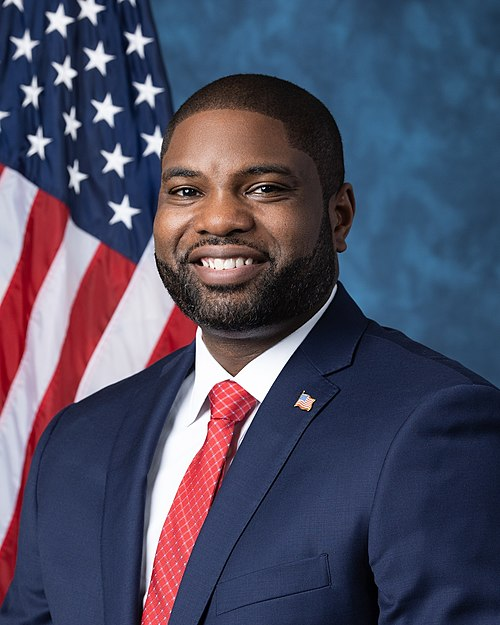
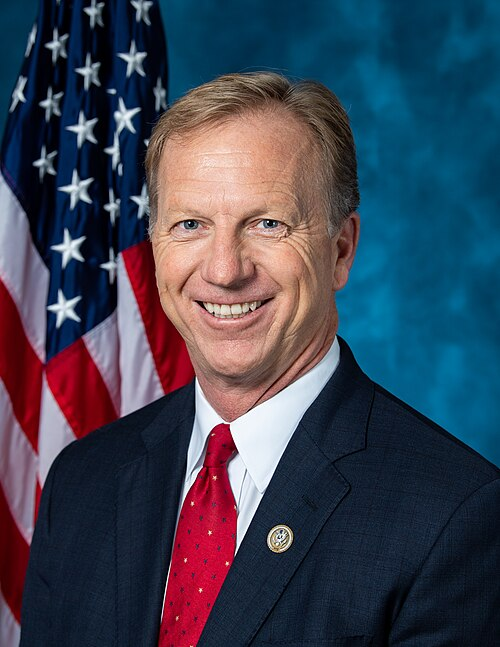
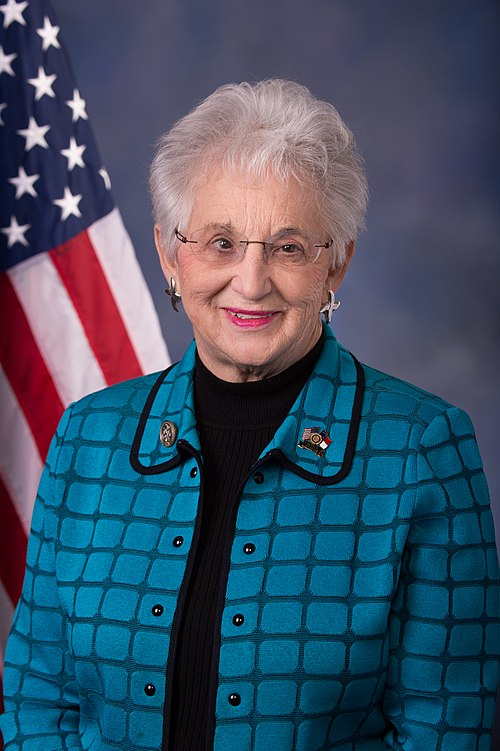
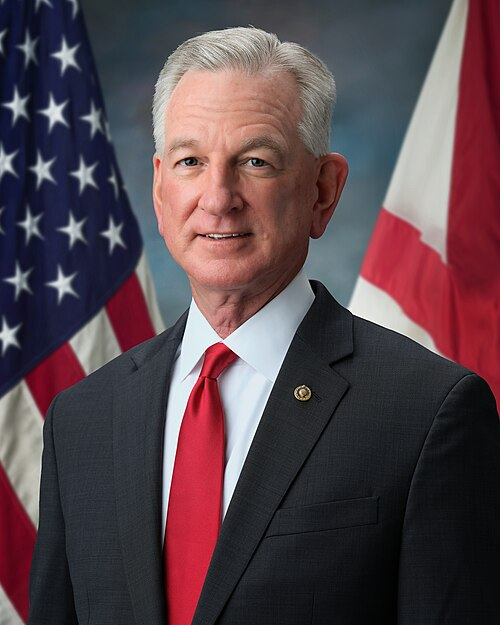
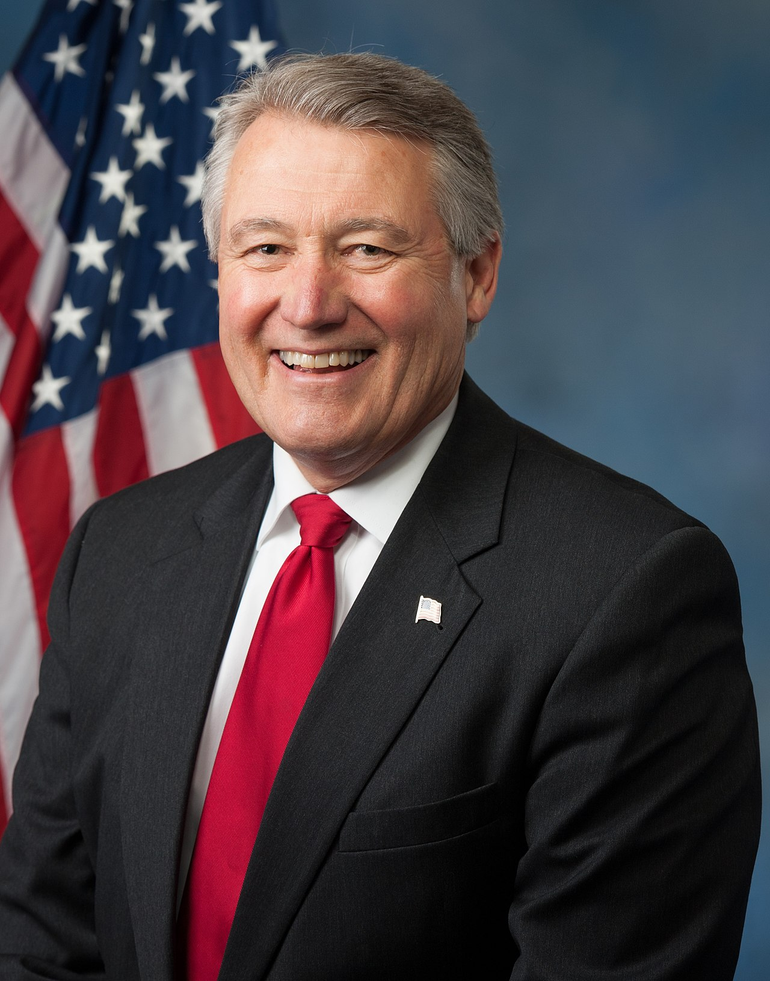
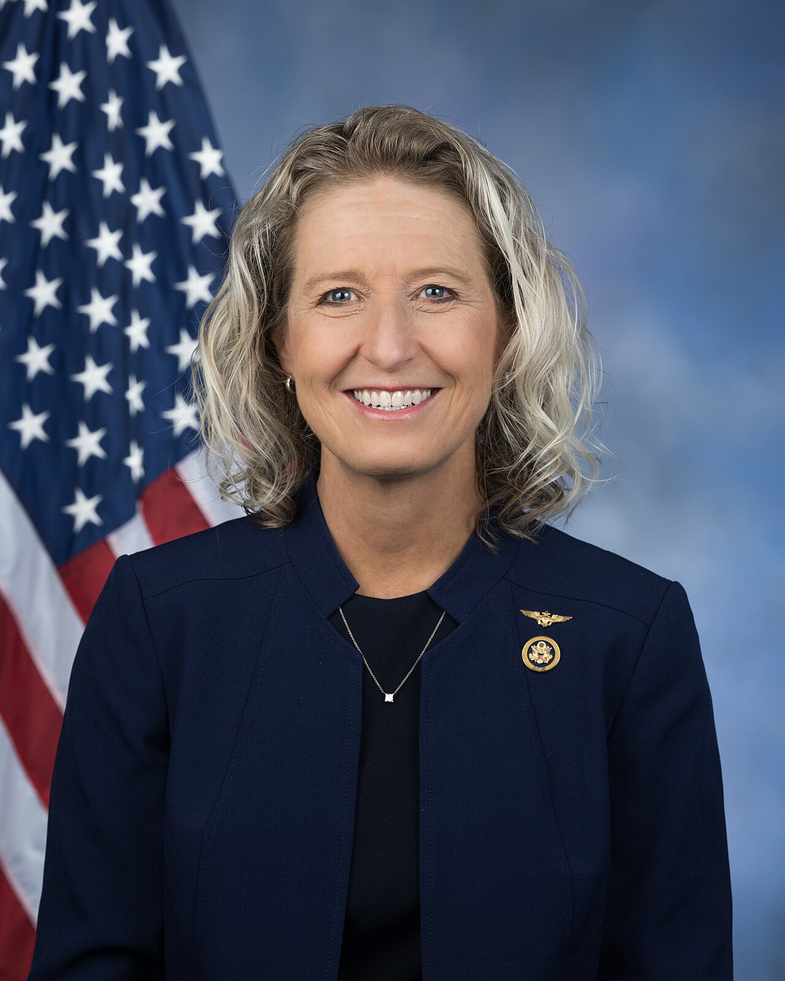
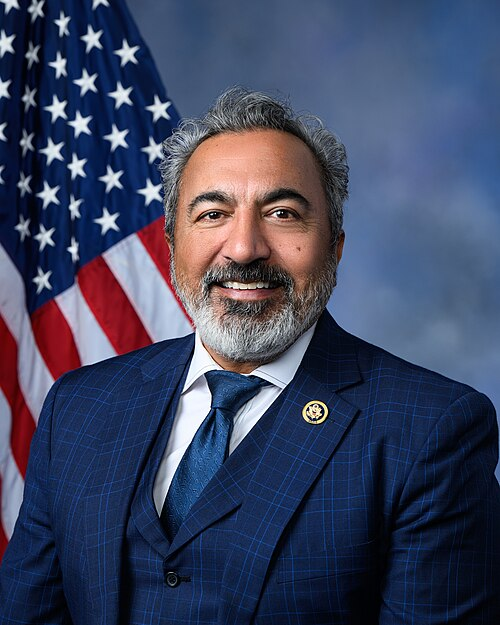
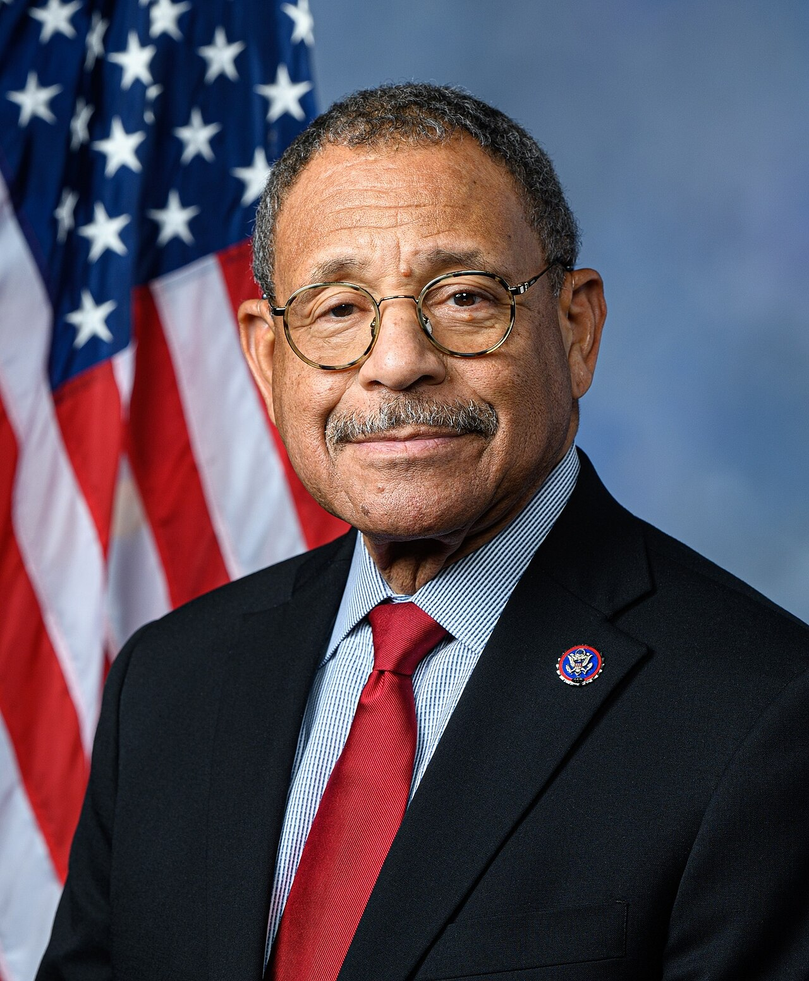
Sponsors
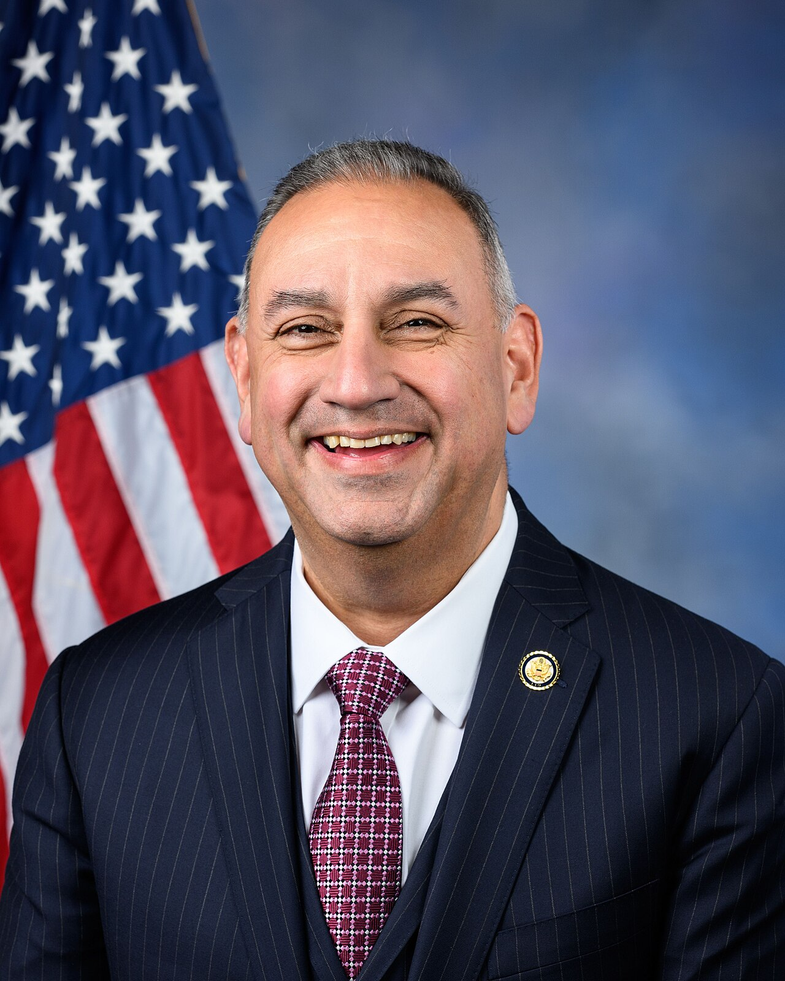
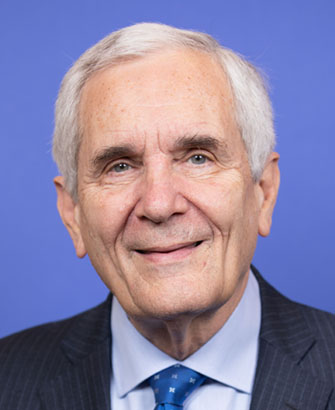
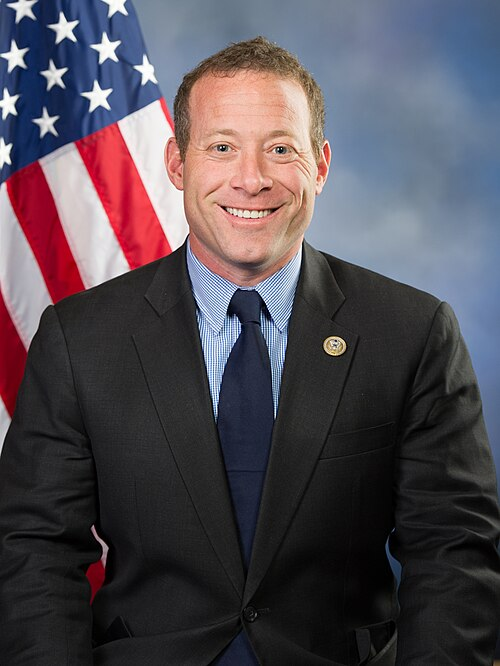
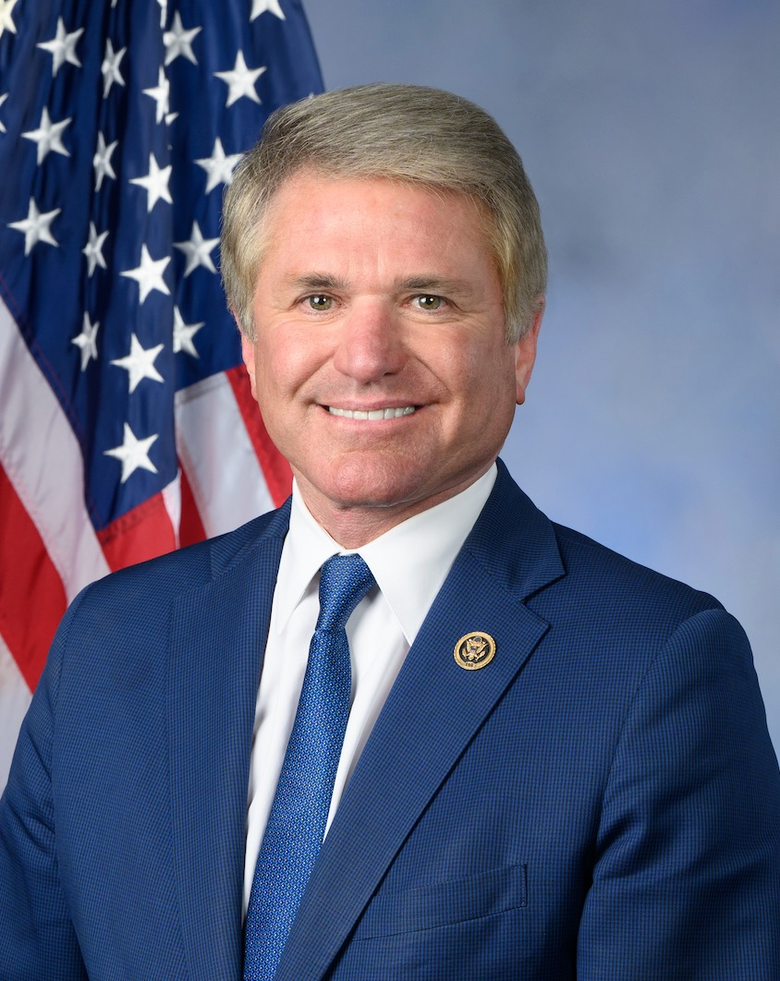
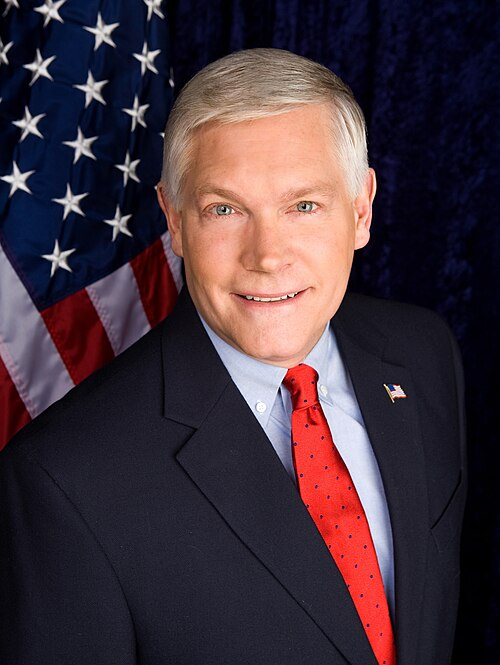
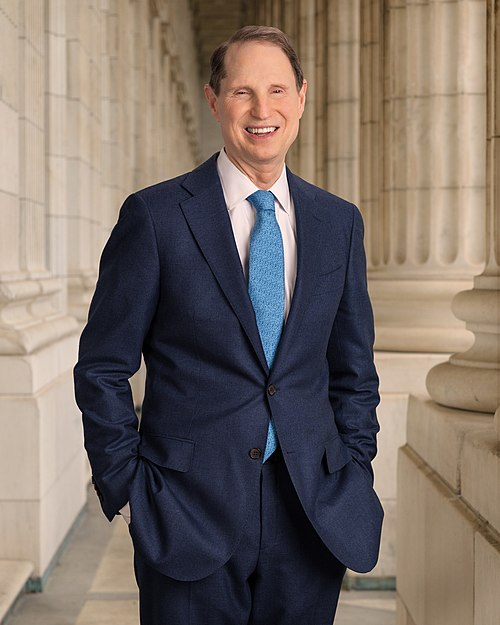
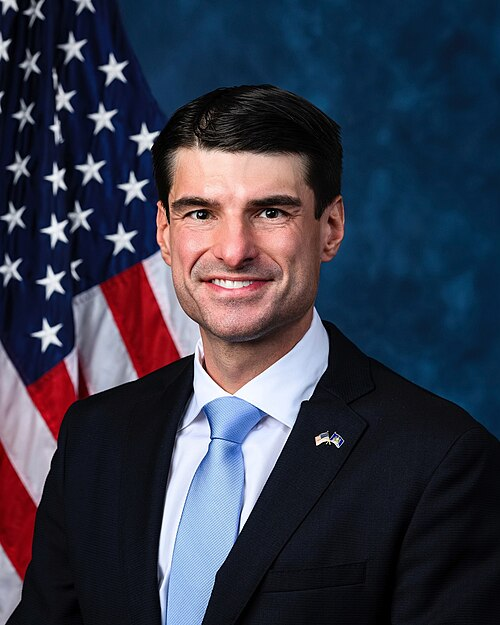
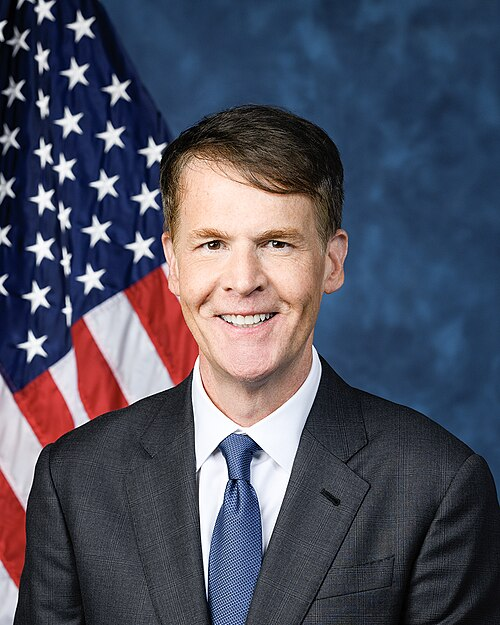
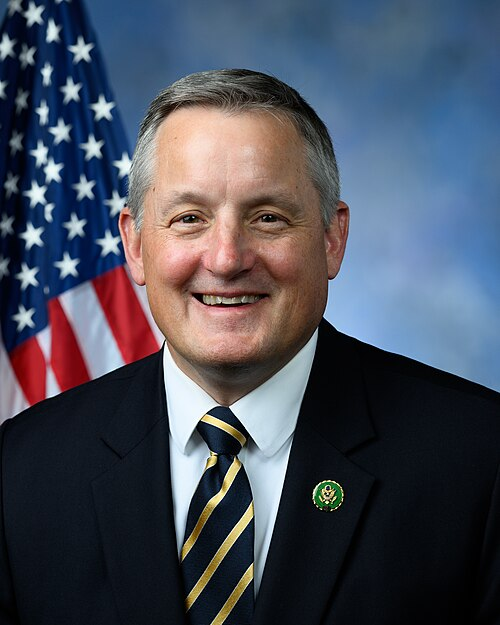
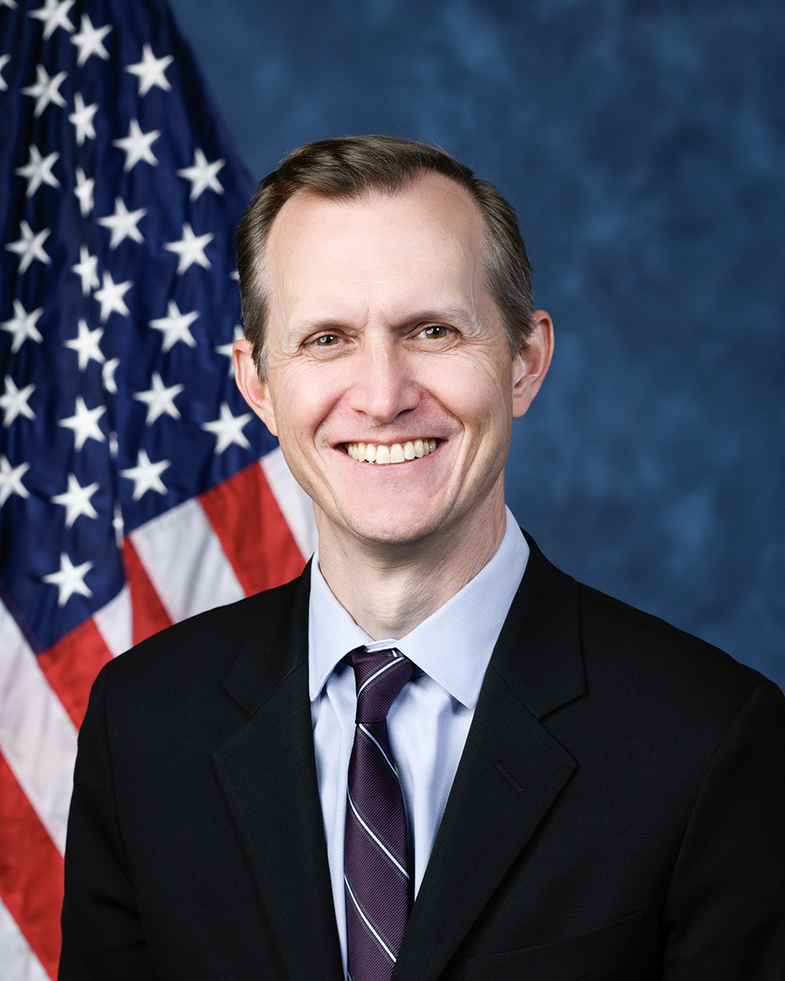
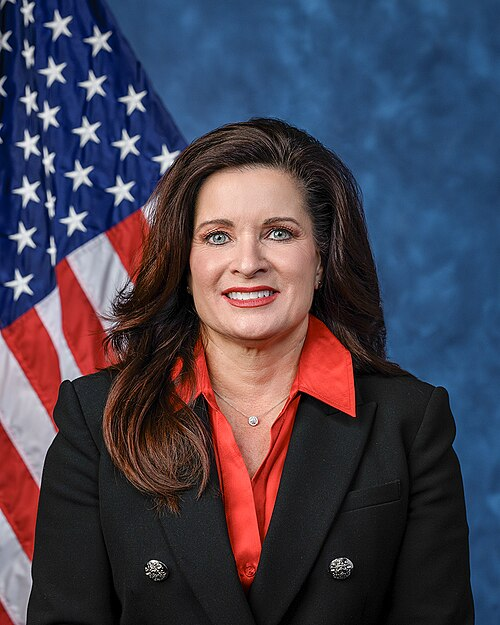
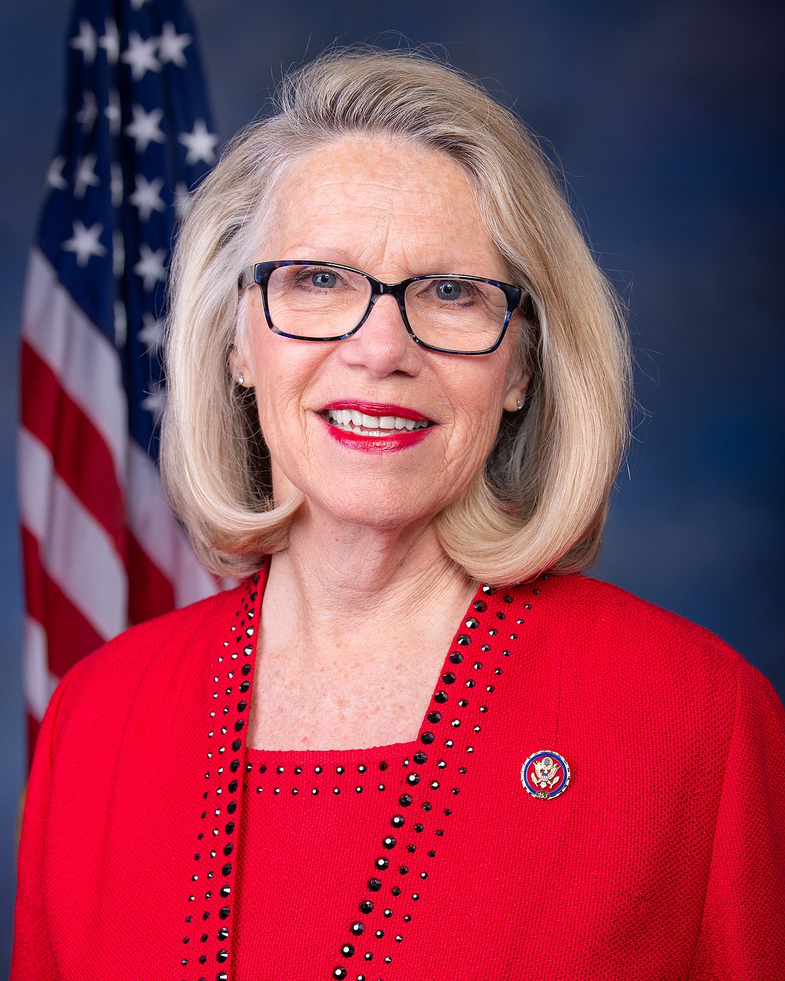
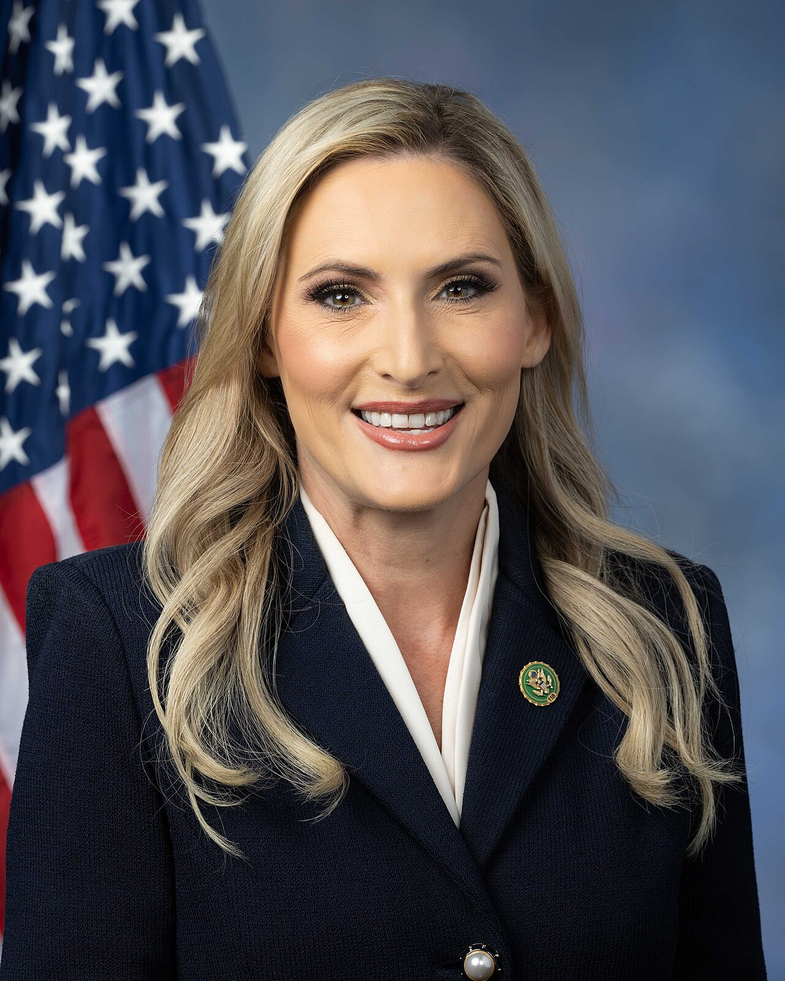
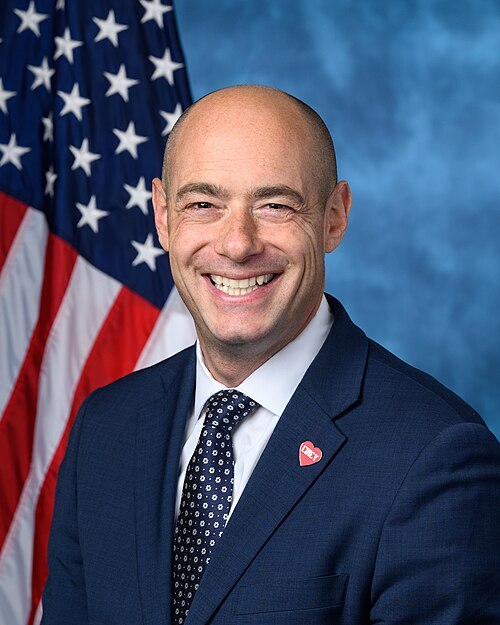
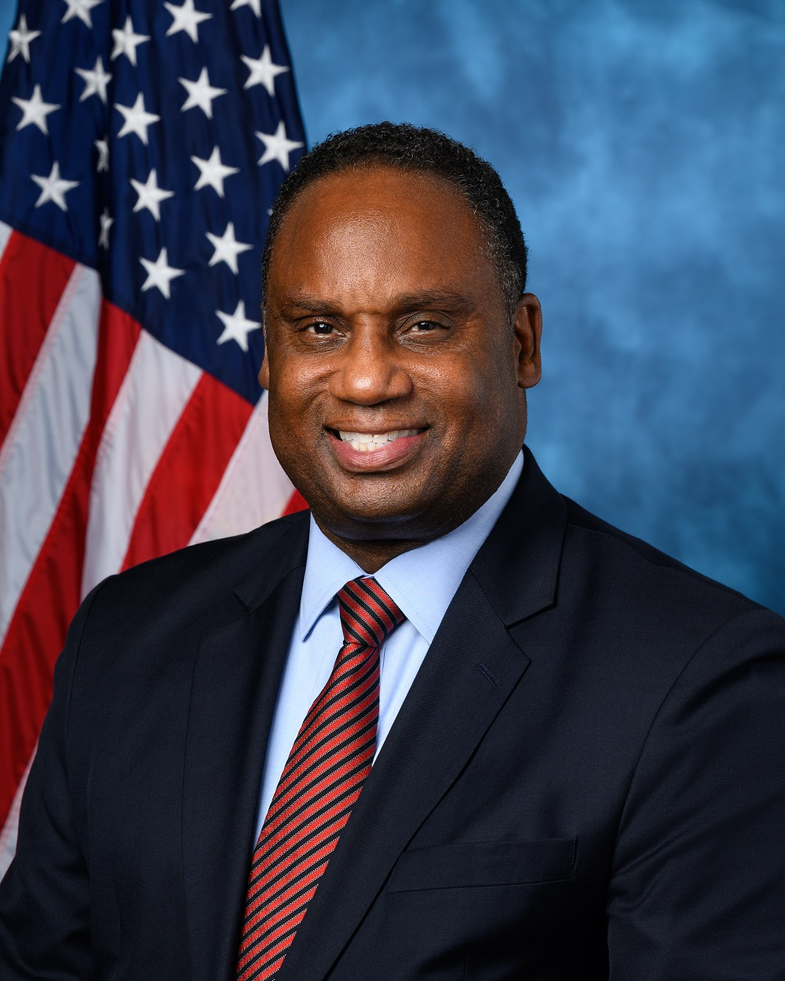
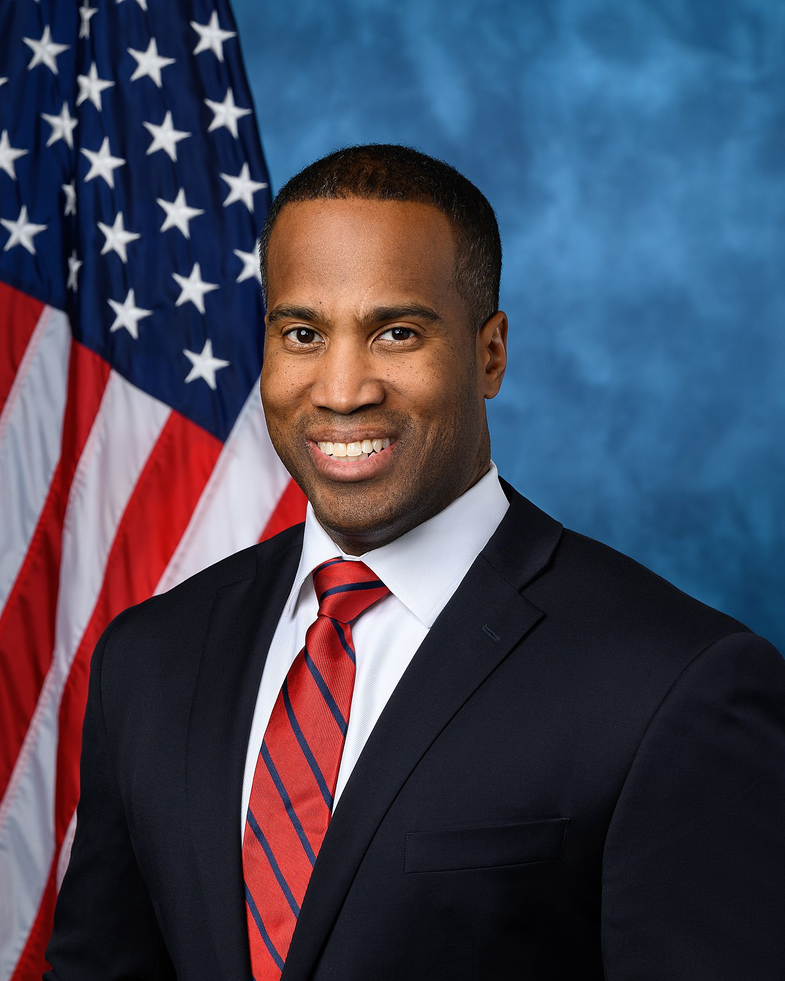
3 bill sponsors
Actions
2 actions
| Date | Action |
|---|---|
| Mar. 19, 2026 | Introduced in House |
| Mar. 19, 2026 | Referred to the Committee on Foreign Affairs, and in addition to the Committees on Armed Services, and Intelligence (Permanent Select), for a period to be subsequently determined by the Speaker, in each case for consideration of such provisions as fall within the jurisdiction of the committee concerned. |
Corporate Lobbying
0 companies lobbying
None found.
* Note that there can be significant delays in lobbying disclosures, and our data may be incomplete.