H.R. 7871: Medicaid VBPs for Patients Act
This bill, known as the Medicaid VBPs for Patients Act, is designed to modify certain aspects of the Medicaid program, particularly concerning the purchasing of drugs under value-based purchasing (VBP) arrangements. Here’s a breakdown of what the bill aims to do:
Value-Based Purchasing Arrangements
The bill seeks to codify value-based purchasing arrangements within the Medicaid system. These arrangements allow for the prices of drugs to be based on their effectiveness and the outcomes they produce, rather than just their list prices. Under these arrangements:
- Drug manufacturers can negotiate multiple pricing options for a single drug, which is contingent on the manufacturer's offer to all states.
- Value-based purchasing arrangements can include conditions where manufacturers provide refunds or price adjustments if patients do not achieve the agreed health outcomes.
Changes to Price Calculation
The bill amends how the average manufacturer price (AMP) and average sales price (ASP) of drugs are calculated. Specifically:
- When calculating the AMP for drugs sold under VBP arrangements, any discounts or rebates provided due to outcomes must be factored in, which might lower the reported average price.
- For drugs sold under VBP arrangements that involve payments made over time, the calculation will consider the total payment as if it were made all at once for rebate calculations.
Guidance for States
The Secretary of Health and Human Services is required to provide guidance to state Medicaid agencies on how they can engage in VBP arrangements, especially for inpatient medications. This also includes how states can collaborate to allow for the transfer of funds in their purchasing agreements.
Exceptions and Rules
The bill includes provisions that exempt certain VBP remuneration from anti-kickback laws. This means that manufacturers can legally provide incentives to states based on patient outcomes without facing legal repercussions.
Study and Reporting
The bill mandates the Government Accountability Office (GAO) to conduct a study examining:
- The effectiveness of VBP arrangements in improving patient access to medications and reducing overall healthcare costs.
- Disparities in accessing drugs sold under these arrangements.
- The impact on Medicaid and related health programs.
A report detailing the findings of this study must be submitted to Congress by June 30, 2029.
Implementation Timeline
Many of the provisions contained in this bill must be implemented within 180 days after it becomes law, ensuring timely adoption of the new framework for value-based purchasing in Medicaid.
Relevant Companies
- PFE (Pfizer Inc.): As a pharmaceutical company, Pfizer may be directly impacted by changes in drug pricing and purchasing arrangements under Medicaid.
- AMGN (Amgen Inc.): Similar to Pfizer, Amgen is involved in producing medications that could fall under value-based arrangements, potentially affecting how they price their drugs in the market.
- BMY (Bristol-Myers Squibb Company): This company produces various medications that may be subject to the new purchasing arrangements and pricing calculations.
This is an AI-generated summary of the bill text. There may be mistakes.
Sponsors
18 bill sponsors
-
TrackBrett Guthrie
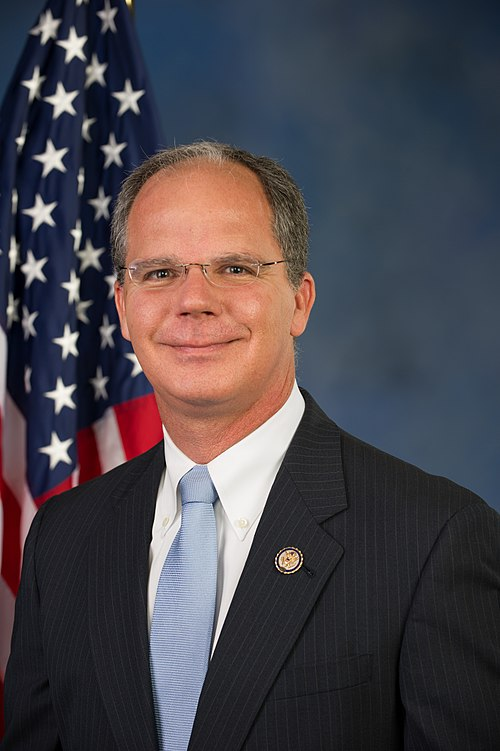
Sponsor
-
TrackJake Auchincloss
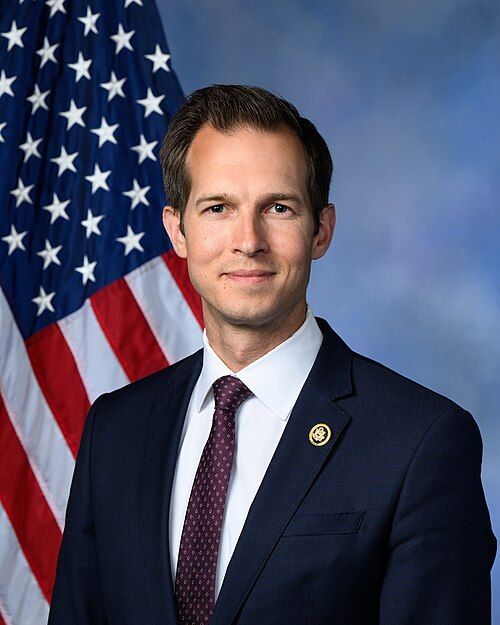
Co-Sponsor
-
TrackTroy Balderson
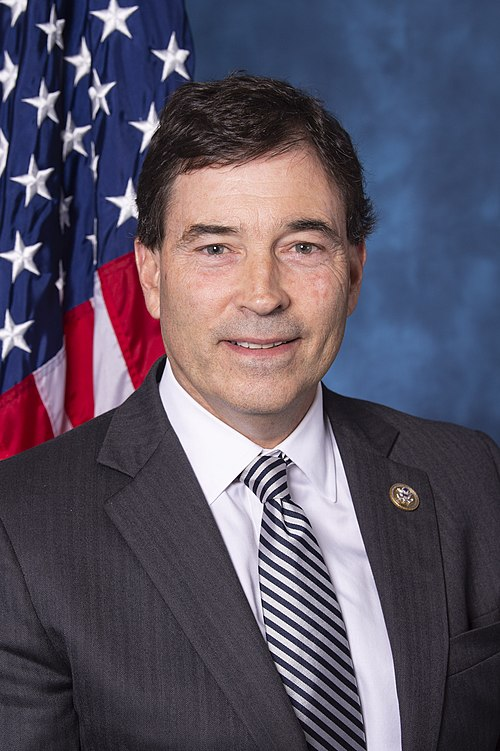
Co-Sponsor
-
TrackGus M. Bilirakis

Co-Sponsor
-
TrackKat Cammack
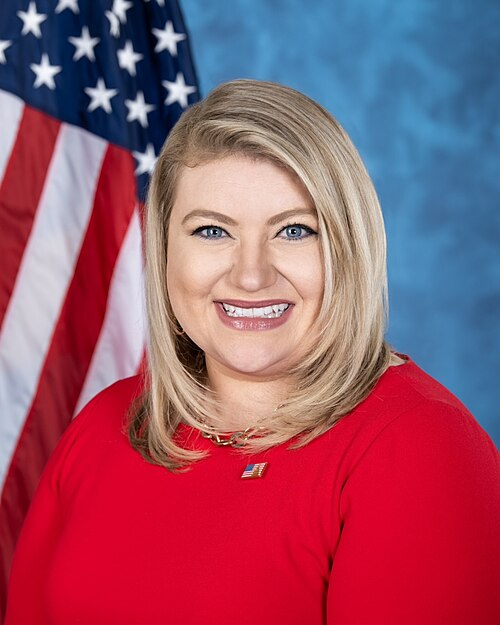
Co-Sponsor
-
TrackEarl L. "Buddy" Carter
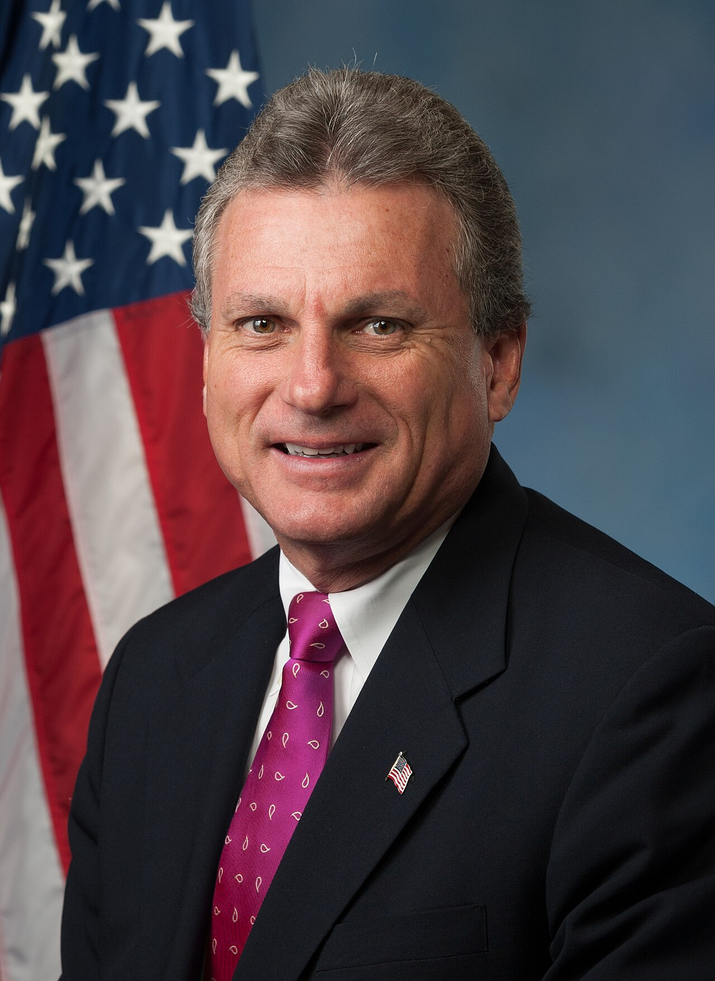
Co-Sponsor
-
TrackDonald G. Davis

Co-Sponsor
-
TrackNeal P. Dunn
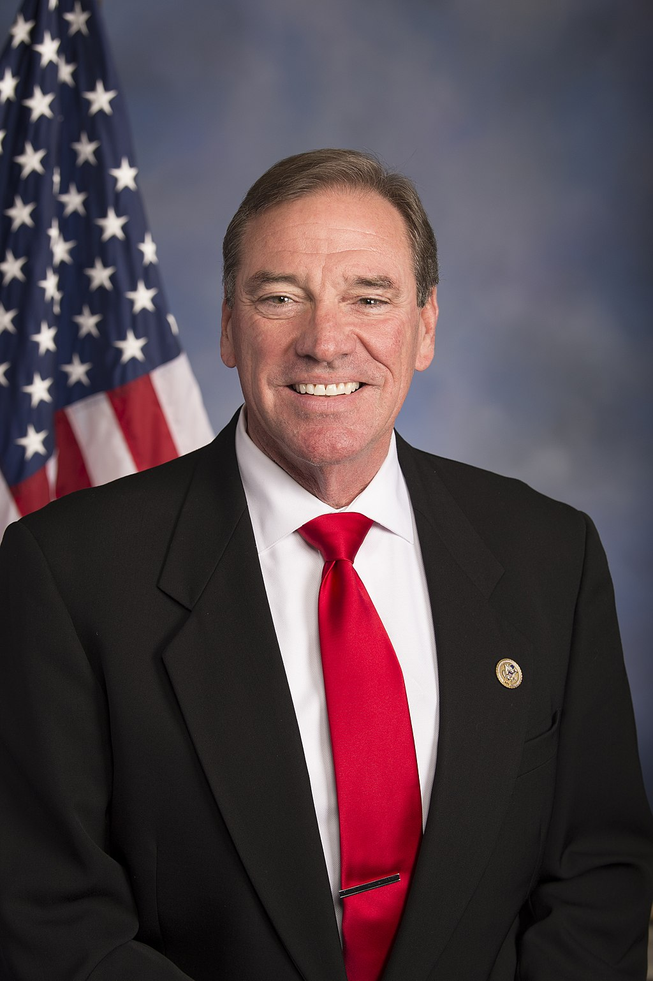
Co-Sponsor
-
TrackGlenn Ivey
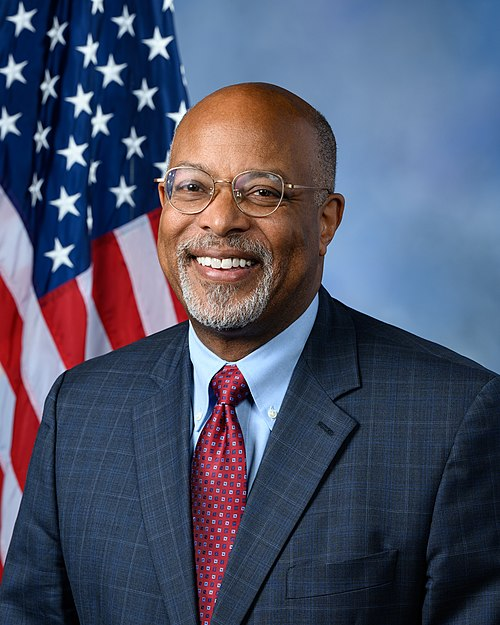
Co-Sponsor
-
TrackJohn Joyce
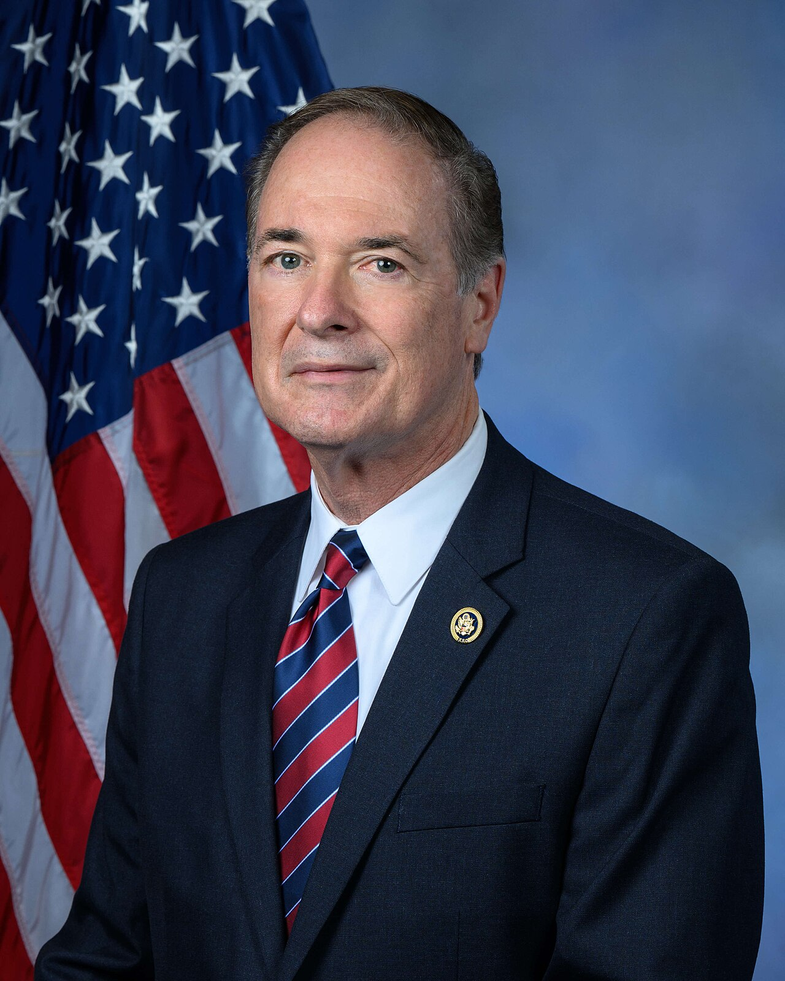
Co-Sponsor
-
TrackMike Kelly
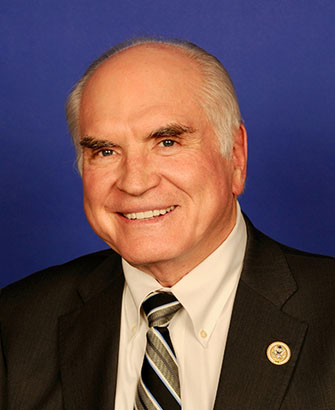
Co-Sponsor
-
TrackTed Lieu
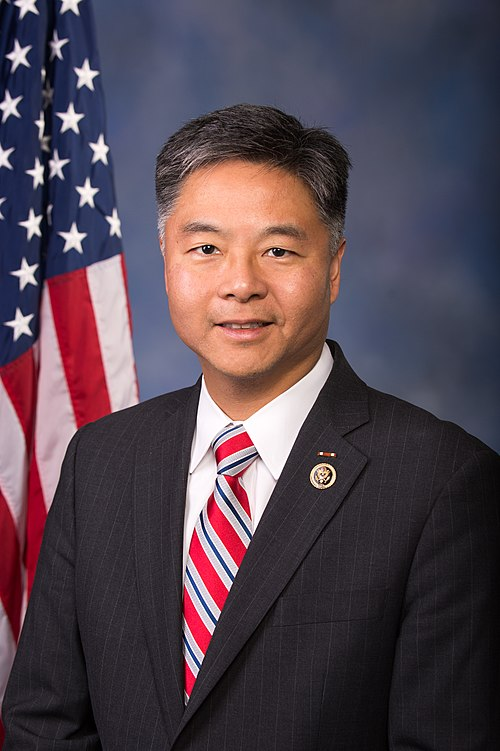
Co-Sponsor
-
TrackDaniel Meuser
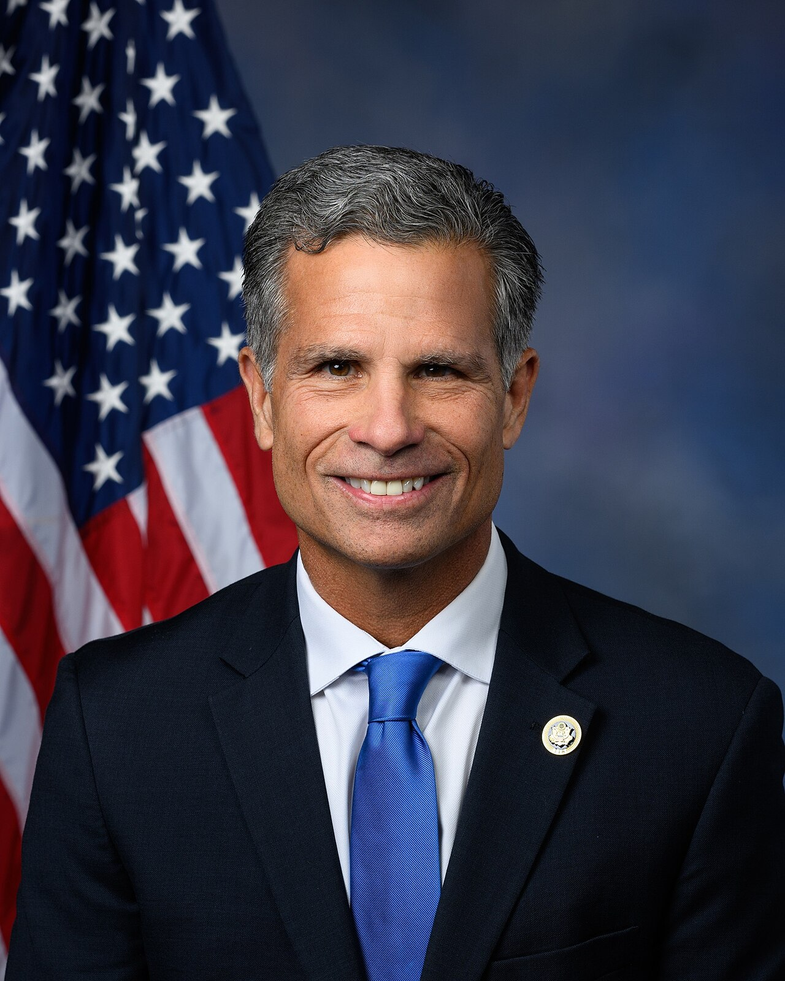
Co-Sponsor
-
TrackMariannette Miller-Meeks
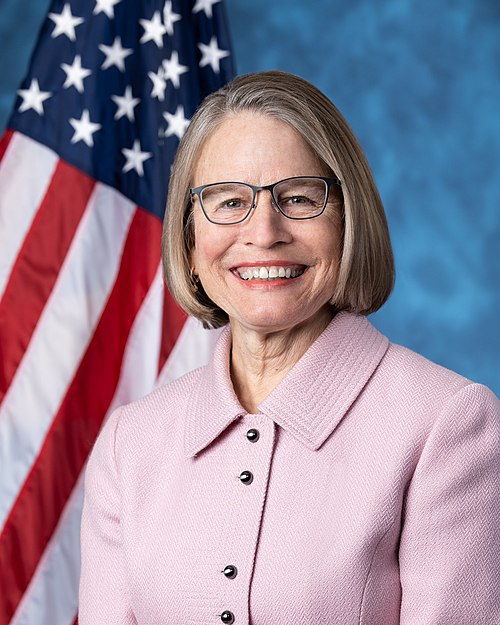
Co-Sponsor
-
TrackKevin Mullin
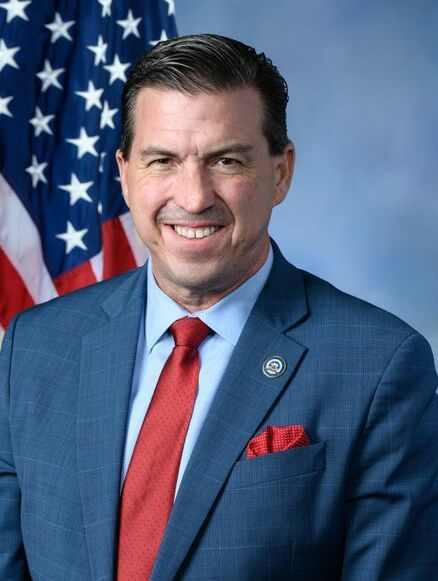
Co-Sponsor
-
TrackScott H. Peters
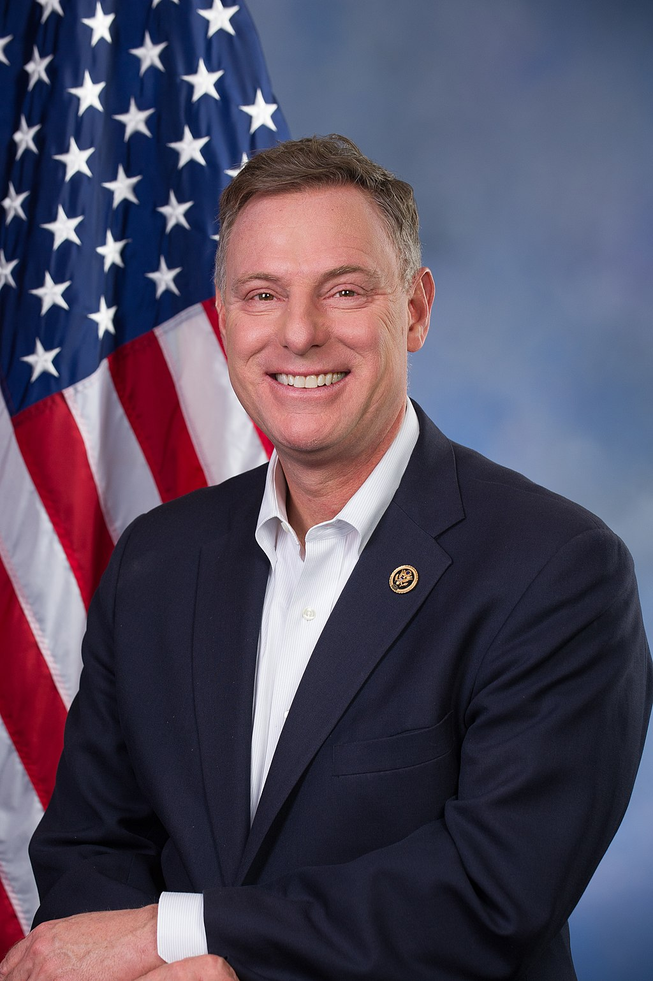
Co-Sponsor
-
TrackBeth Van Duyne
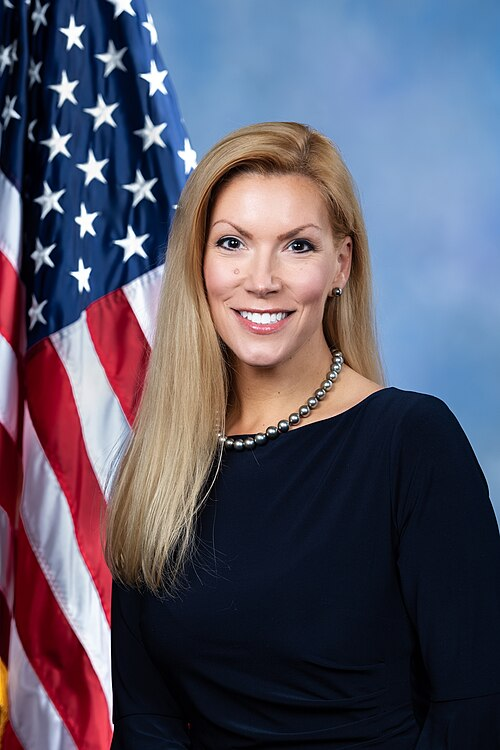
Co-Sponsor
-
TrackJoe Wilson
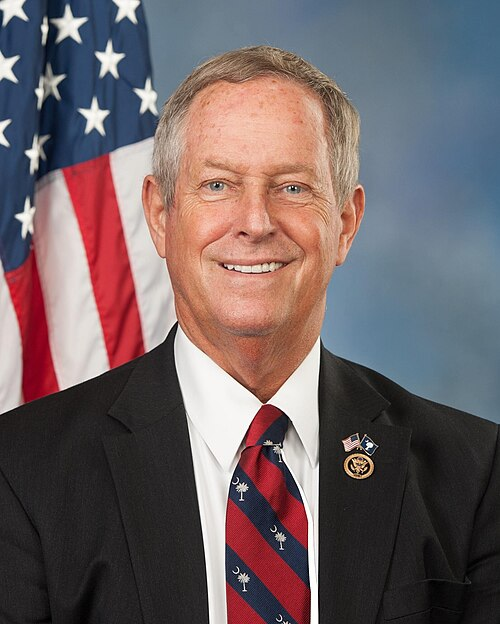
Co-Sponsor
Actions
2 actions
| Date | Action |
|---|---|
| Mar. 09, 2026 | Introduced in House |
| Mar. 09, 2026 | Referred to the Committee on Energy and Commerce, and in addition to the Committee on Ways and Means, for a period to be subsequently determined by the Speaker, in each case for consideration of such provisions as fall within the jurisdiction of the committee concerned. |
Corporate Lobbying
0 companies lobbying
None found.
* Note that there can be significant delays in lobbying disclosures, and our data may be incomplete.