H.R. 5605: Medical Device Nonvisual Accessibility Act of 2025
This bill, known as the Medical Device Nonvisual Accessibility Act of 2025, aims to make medical devices with digital interfaces more accessible to individuals who are blind or have low vision. It addresses the growing complexity of user interfaces in medical devices, such as blood pressure monitors and sleep apnea machines, which are increasingly being used at home but are often difficult for visually impaired users to operate.
Key Provisions
- Nonvisual Accessibility Standards: The bill proposes new standards that require certain medical devices to have user interfaces that are equally effective for blind or low-vision individuals as they are for sighted users. This means that these individuals should be able to access information and perform tasks with similar privacy, independence, and ease of use.
- Waivers: The Secretary of Health and Human Services can waive these standards for a device if it is shown that adhering to them would fundamentally alter the device or cause undue hardship for the manufacturer.
- Training and Consultation: The bill mandates that training will be provided to manufacturers regarding compliance with these standards. Additionally, the Secretary will consult with organizations and individuals who are blind or have low vision during the development of these standards.
- Regulatory Timeline: The Secretary must propose regulations to implement these standards within one year of the bill's enactment and finalize those rules within two years, with the final rules taking effect one year after publication.
Definitions
The bill defines a "covered device" as a class II or III medical device that is not solely intended for healthcare provider use outside of a home setting and which has a digital user interface. Key terms related to the bill include:
- Fundamental Alteration: A change to the device that would render it unusable or incapable of performing its essential function.
- Undue Hardship: Significant difficulty or expense required for a manufacturer to comply with the standards, based on various factors like the overall financial resources of the manufacturer.
The overall intent of the bill is to enhance the usability of medical devices for individuals with visual impairments, promoting greater independence and safety when using such technologies at home.
Relevant Companies
- ABT (Abbott Laboratories): A manufacturer of medical devices such as glucose monitors which may need to adapt their interfaces to meet the new accessibility standards.
- MDT (Medtronic): Known for various medical devices, including insulin pumps and other home-use medical technologies that would need to comply with accessibility guidelines.
- BDX (Becton, Dickinson and Company): Engaged in developing medical devices that could also fall under the requirements of this legislation.
This is an AI-generated summary of the bill text. There may be mistakes.
Sponsors
24 bill sponsors
-
TrackJanice D. Schakowsky

Sponsor
-
TrackDon Bacon
Co-Sponsor
-
TrackSanford D. Bishop, Jr.
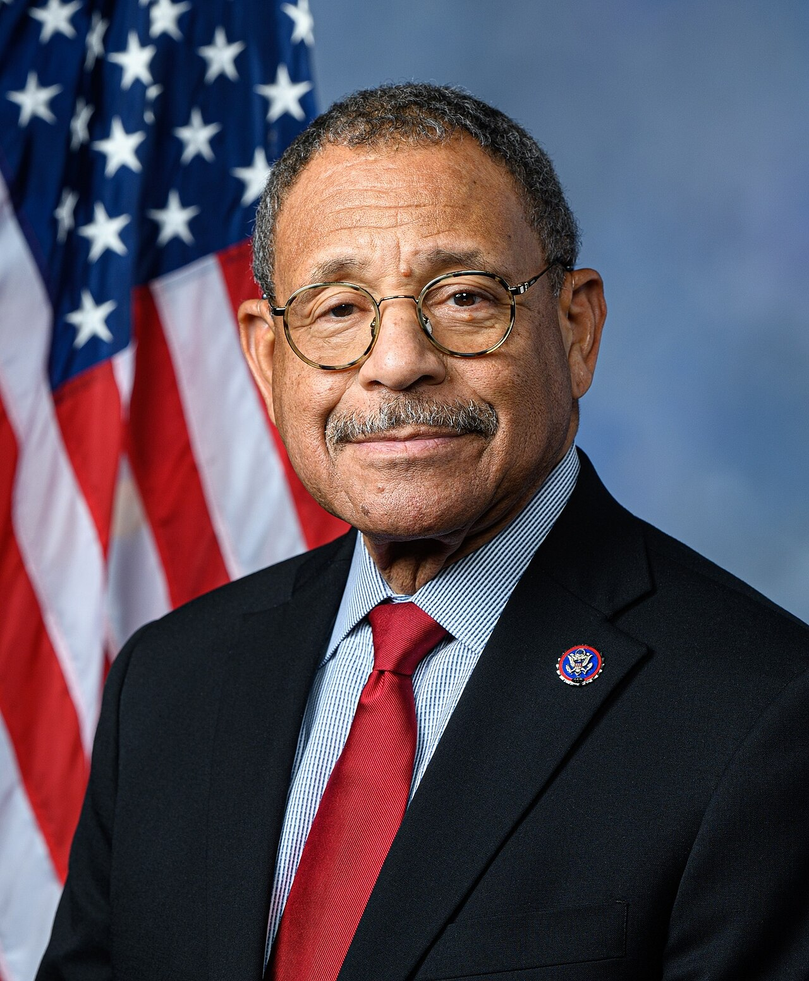
Co-Sponsor
-
TrackSean Casten
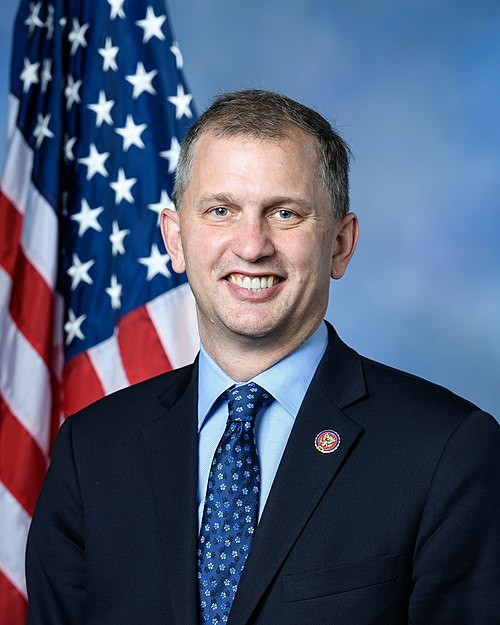
Co-Sponsor
-
TrackAngie Craig
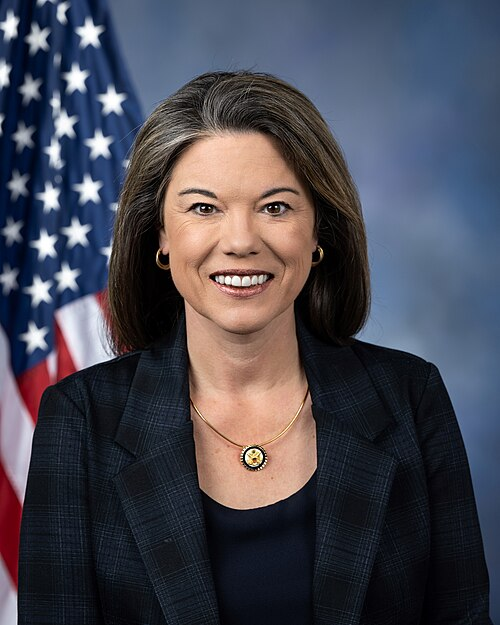
Co-Sponsor
-
TrackLloyd Doggett
Co-Sponsor
-
TrackBrian K. Fitzpatrick
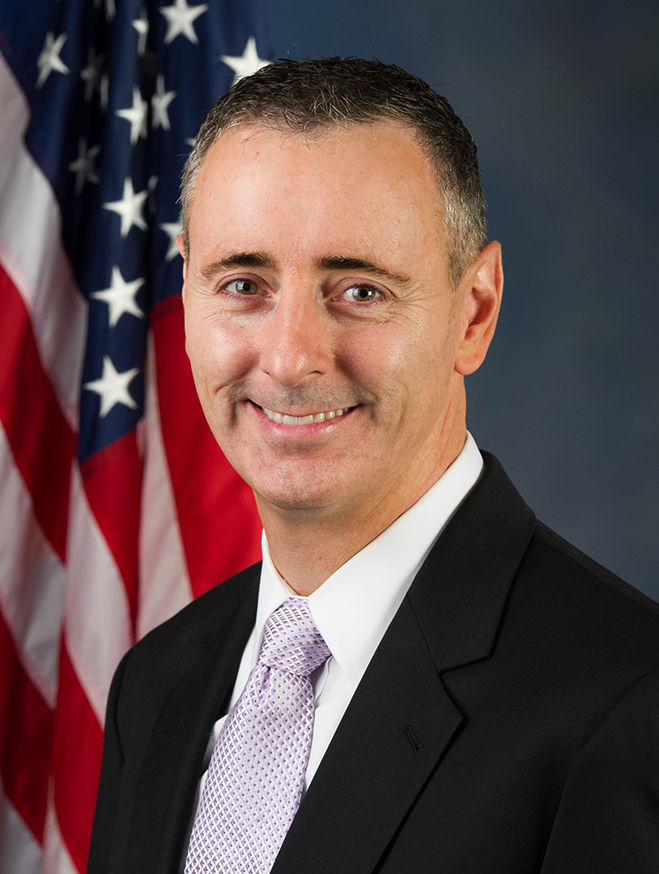
Co-Sponsor
-
TrackMaxwell Frost
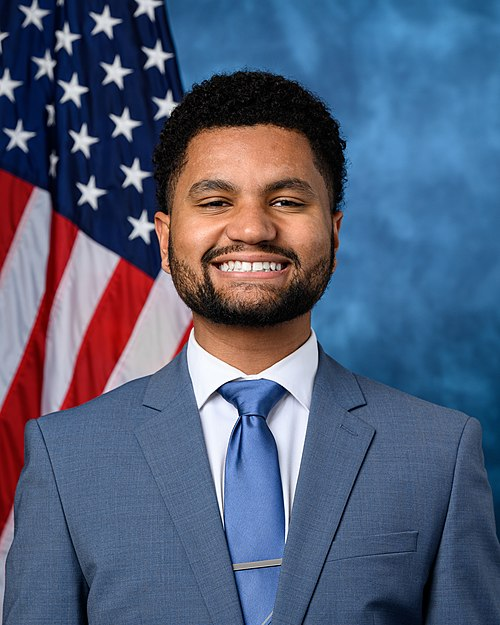
Co-Sponsor
-
TrackJesús G. "Chuy" García
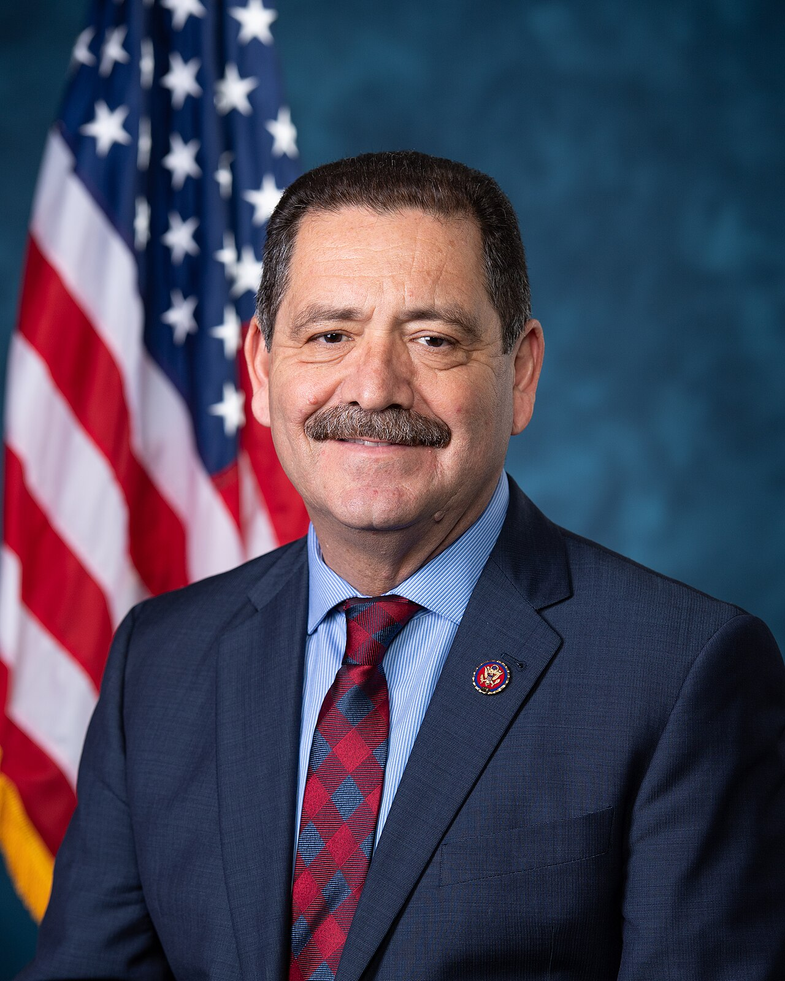
Co-Sponsor
-
TrackJahana Hayes
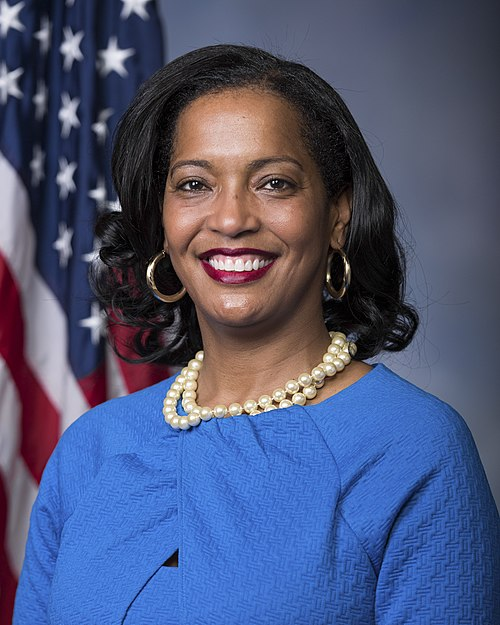
Co-Sponsor
-
TrackGeorge Latimer
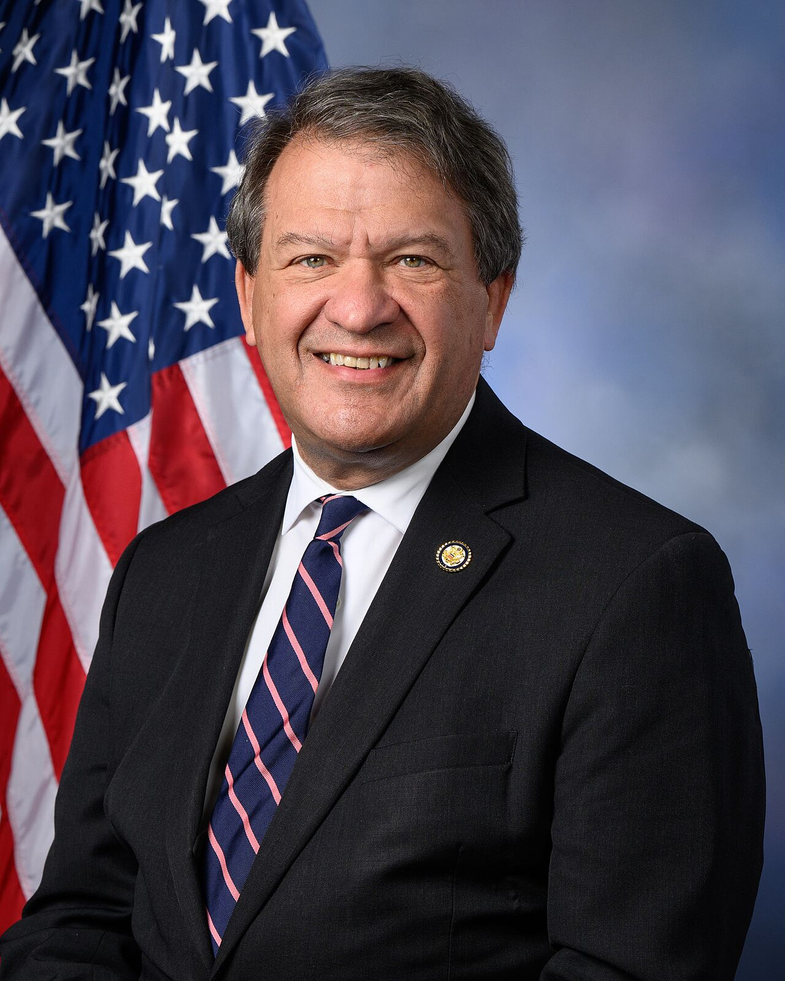
Co-Sponsor
-
TrackStephen F. Lynch
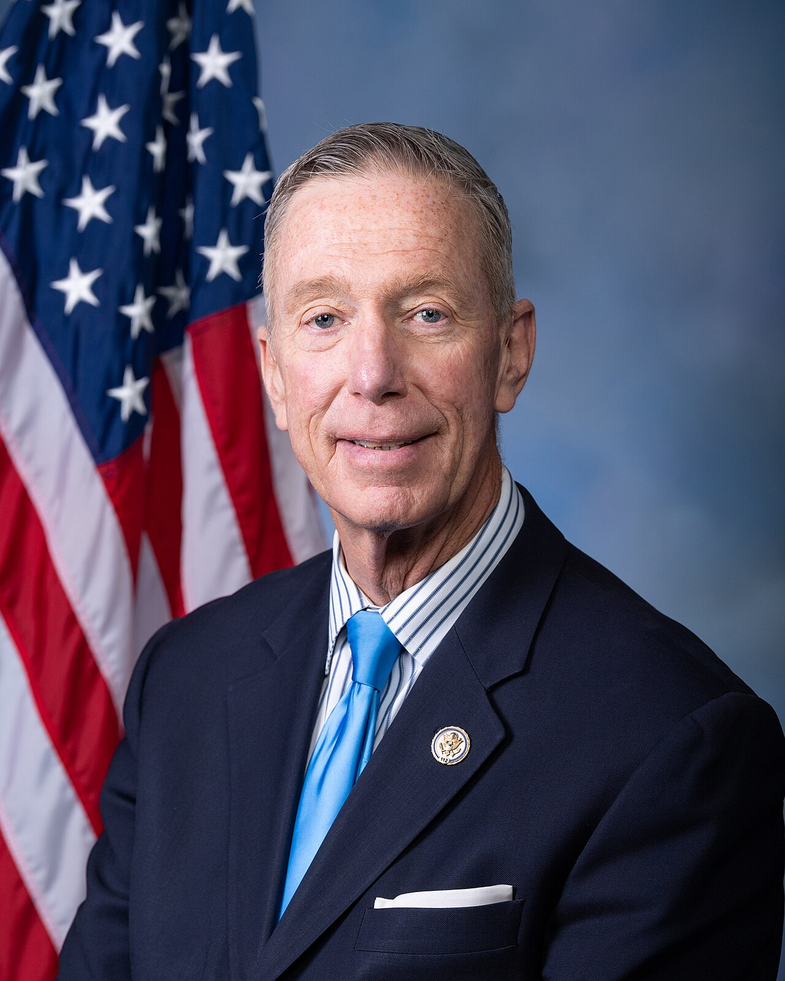
Co-Sponsor
-
TrackLucy McBath
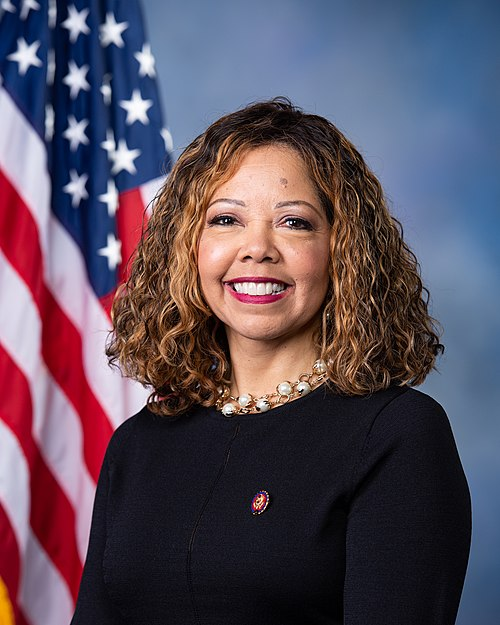
Co-Sponsor
-
TrackJennifer L. McClellan
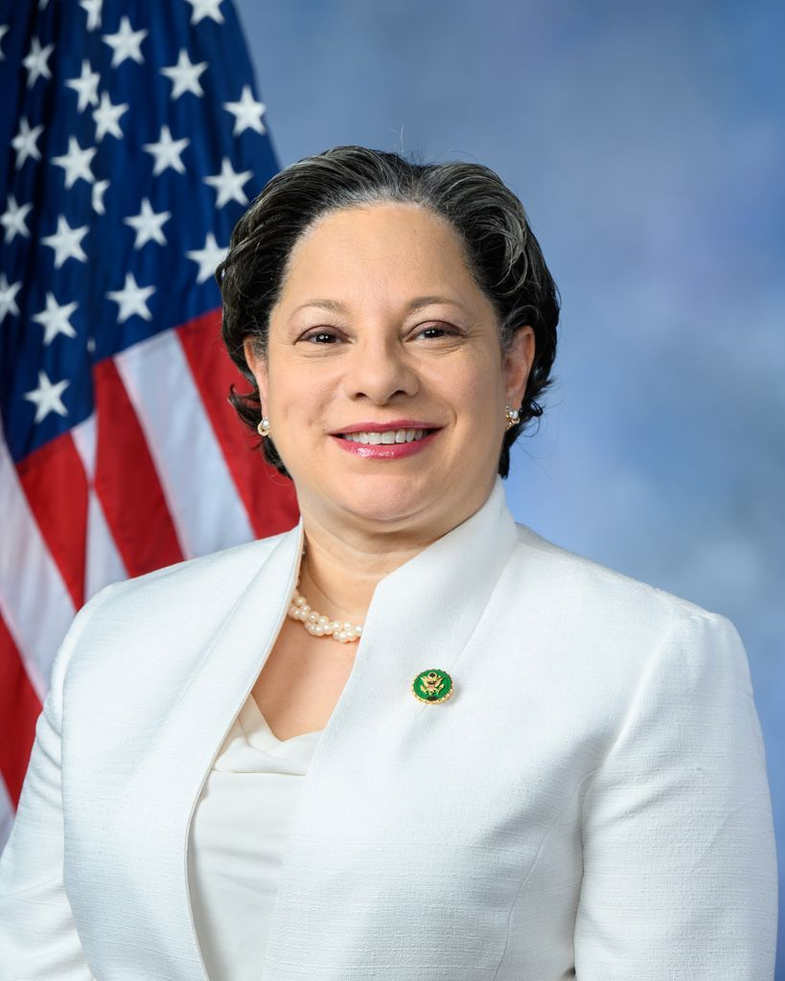
Co-Sponsor
-
TrackEleanor Holmes Norton

Co-Sponsor
-
TrackJimmy Panetta
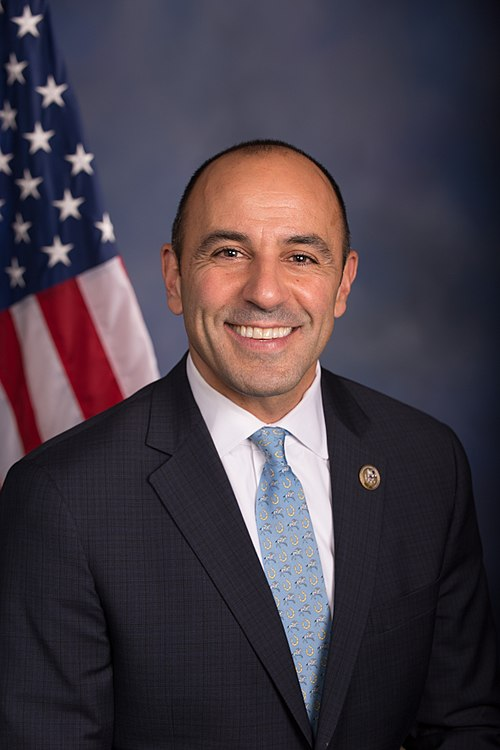
Co-Sponsor
-
TrackMark Pocan
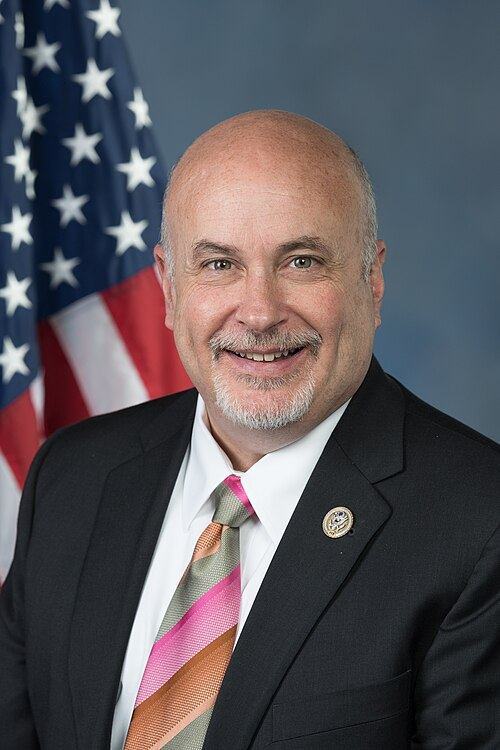
Co-Sponsor
-
TrackMike Quigley
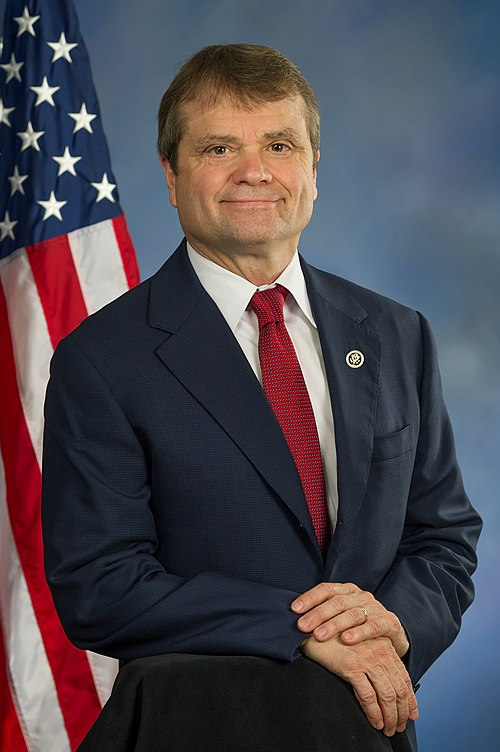
Co-Sponsor
-
TrackJamie Raskin
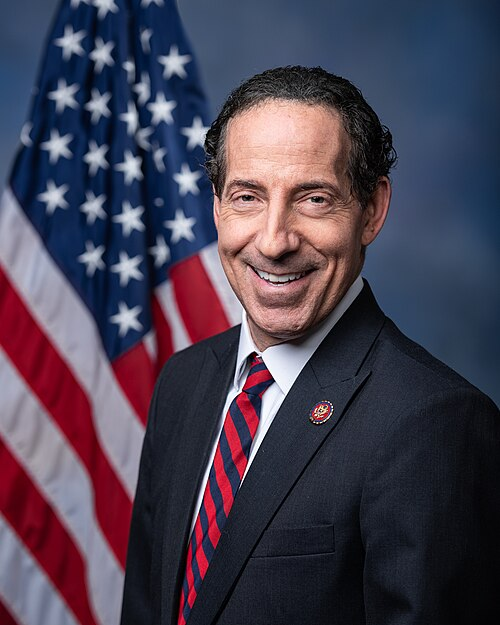
Co-Sponsor
-
TrackDeborah K. Ross
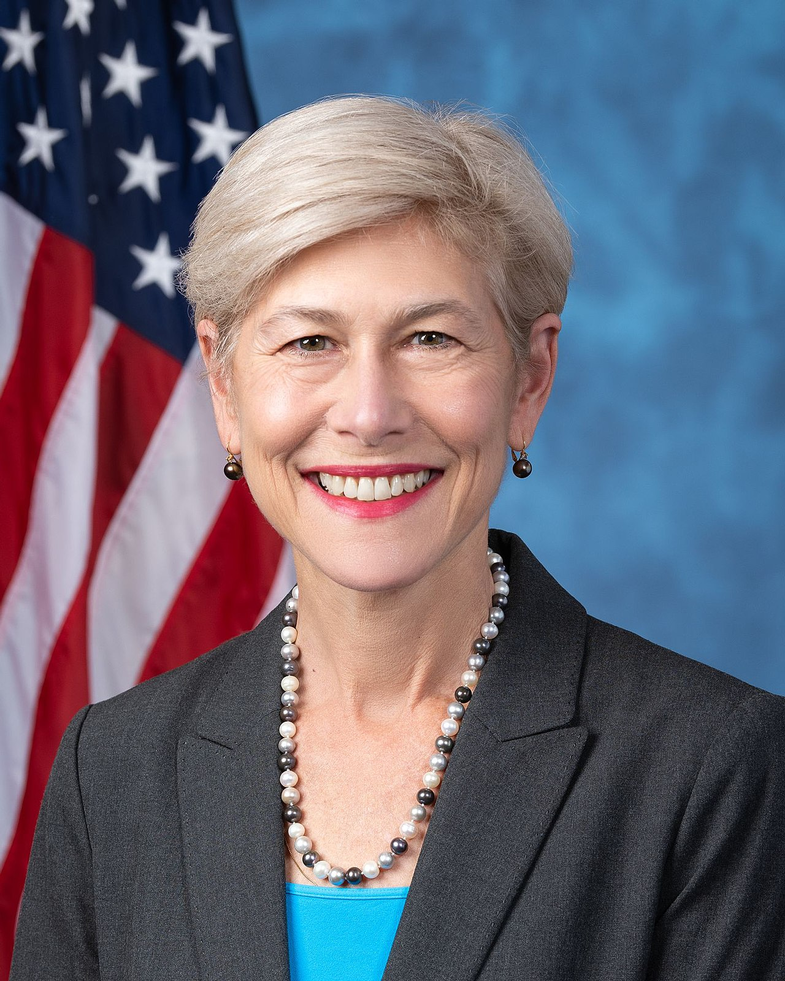
Co-Sponsor
-
TrackJohn H. Rutherford
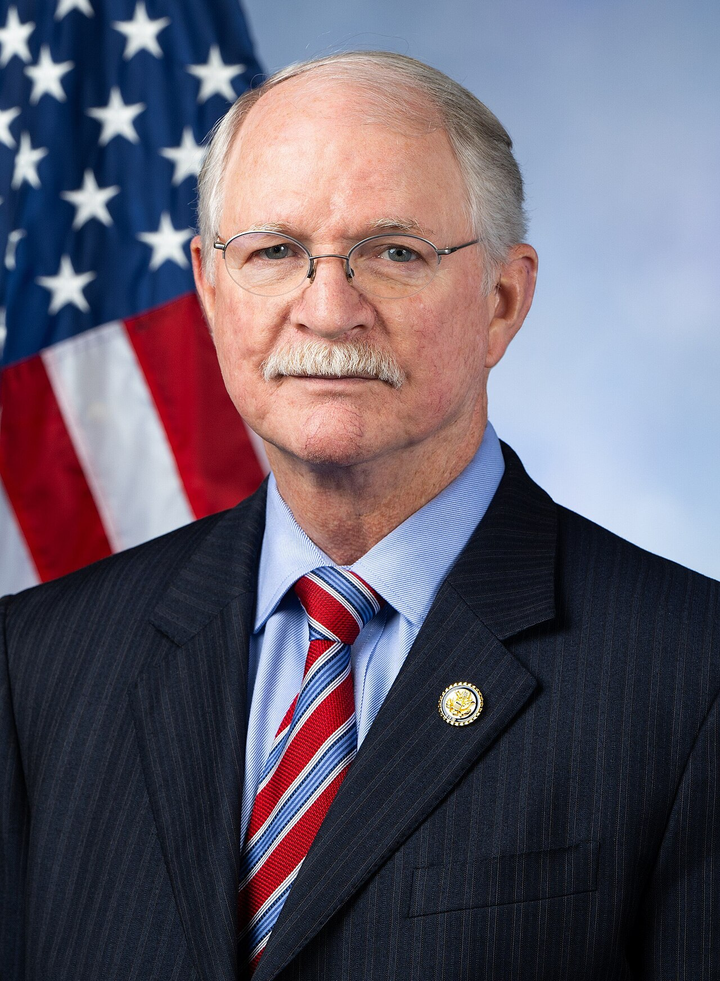
Co-Sponsor
-
TrackPete Sessions

Co-Sponsor
-
TrackAdam Smith
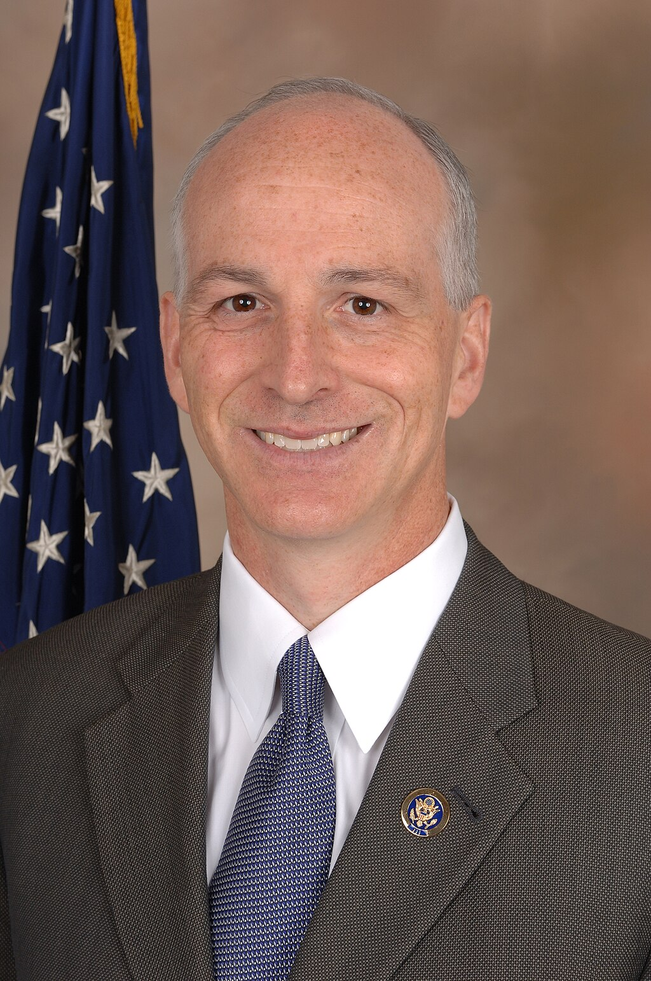
Co-Sponsor
-
TrackJames R. Walkinshaw

Co-Sponsor
Actions
2 actions
| Date | Action |
|---|---|
| Sep. 26, 2025 | Introduced in House |
| Sep. 26, 2025 | Referred to the House Committee on Energy and Commerce. |
Corporate Lobbying
0 companies lobbying
None found.
* Note that there can be significant delays in lobbying disclosures, and our data may be incomplete.