H.R. 4191: Mapping America’s Pharmaceutical Supply Act
The **Mapping America’s Pharmaceutical Supply Act** (or **MAPS Act**) aims to enhance the Federal Government's coordination in identifying and addressing health and national security risks associated with pharmaceutical supply chains. Below are the key components of the bill:
Essential Medicines List
The bill mandates the Secretary of Health and Human Services, along with other relevant Federal agencies, to:
- Update and maintain a list of essential medicines, which will include active pharmaceutical ingredients and drugs that are:
- Related to responding to potential chemical, biological, radiological, or nuclear threats.
- Identified as high priority due to their potential for shortages.
- Critical for patients with chronic conditions, wherein shortages could lead to adverse health outcomes.
- Review the list at least every two years and update it accordingly, with the first update due within 180 days of the bill's enactment.
- Publish the Essential Medicines List promptly after each update.
Risk Assessment of Essential Medicines
The Secretary is required to conduct a comprehensive risk assessment of the supply chains for the active pharmaceutical ingredients and drugs on the Essential Medicines List. This assessment will focus on:
- Identifying key materials used in manufacturing these ingredients and drugs.
- Determining which medicines rely heavily on foreign suppliers and which are sourced from single suppliers.
- Evaluating domestic manufacturing capabilities and advanced manufacturing technologies.
- Identifying public health and national security risks, including cybersecurity vulnerabilities.
- Determining any deficiencies in policy that impede risk mitigation.
- Outlining strategies for mitigating identified risks, which may involve using authorities under the Defense Production Act.
A report on the findings must be submitted to Congress within 180 days of the bill's enactment, followed by annual updates.
Pharmaceutical Supply Chains Mapping
The Secretary will coordinate an effort to map the pharmaceutical supply chains, from the manufacturing of key materials to the distribution of finished drugs. This mapping will include:
- Visualizing supply chains for drugs on the Essential Medicines List.
- Using data analytics to identify vulnerabilities threatening public health and national security.
A report detailing the progress of these mapping efforts must be submitted to Congress within 18 months of the bill's enactment and annually thereafter.
Definitions and Additional Provisions
The bill includes definitions for relevant terms and ensures that the participation of the Secretary in creating the essential medicines list complies with existing executive orders. It also addresses confidentiality concerning commercial information shared for the purposes of the bill and establishes necessary cybersecurity measures to protect sensitive information.
Relevant Companies
- PFE - Pfizer Inc.: As a major pharmaceutical manufacturer, Pfizer may need to adapt to changes in compliance and reporting requirements if essential medicines are included in the list.
- MRK - Merck & Co., Inc.: The company could be affected by the mapping and risk assessment processes if its products are classified as essential medicines.
- NVS - Novartis AG: Changes to supply chain regulations and a focus on essential medicines could have implications for Novartis's manufacturing and distribution strategies.
- JNJ - Johnson & Johnson: Compliance requirements and the assessment of supply chain vulnerabilities may necessitate operational adjustments at Johnson & Johnson.
This is an AI-generated summary of the bill text. There may be mistakes.
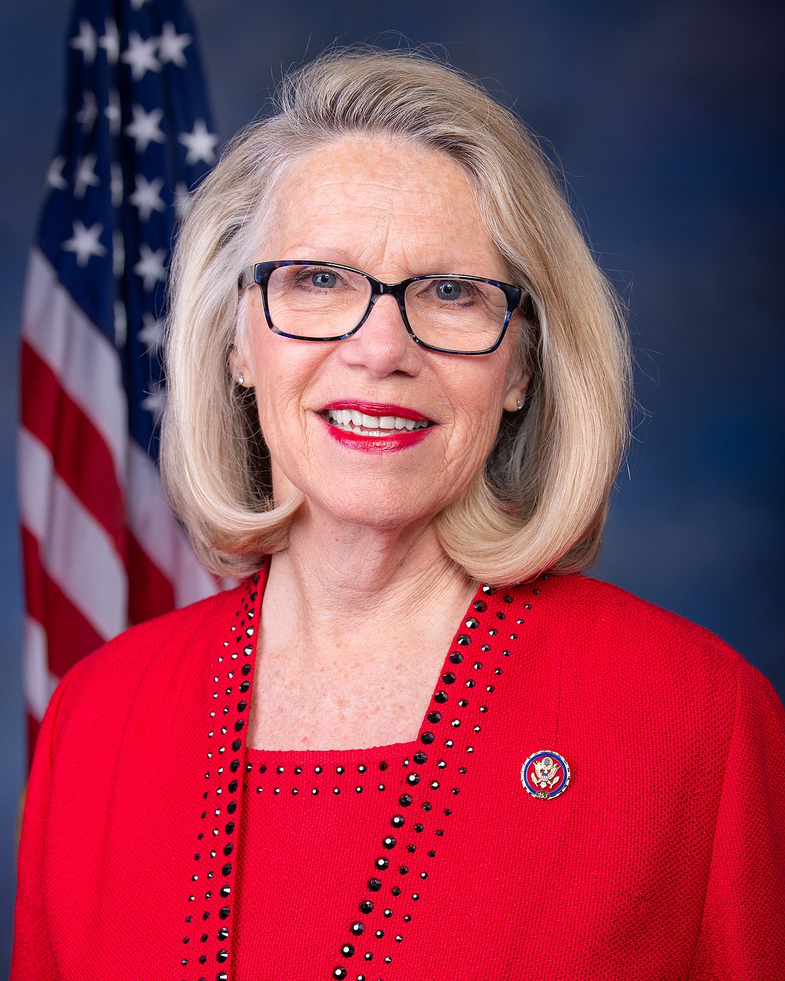
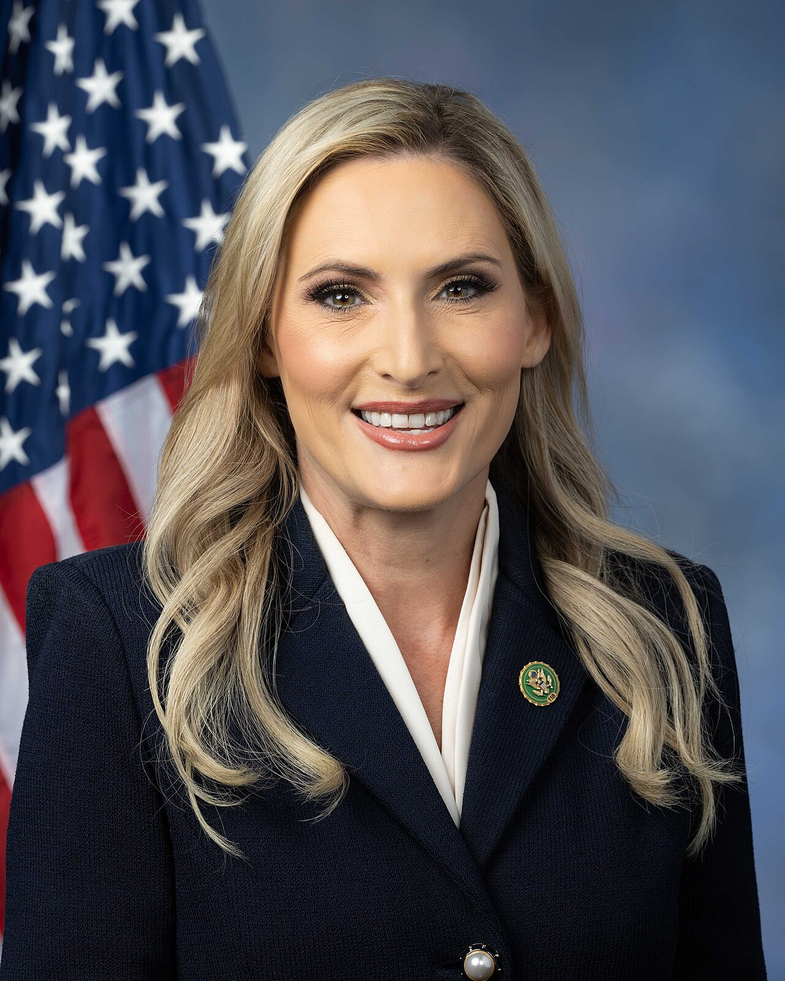
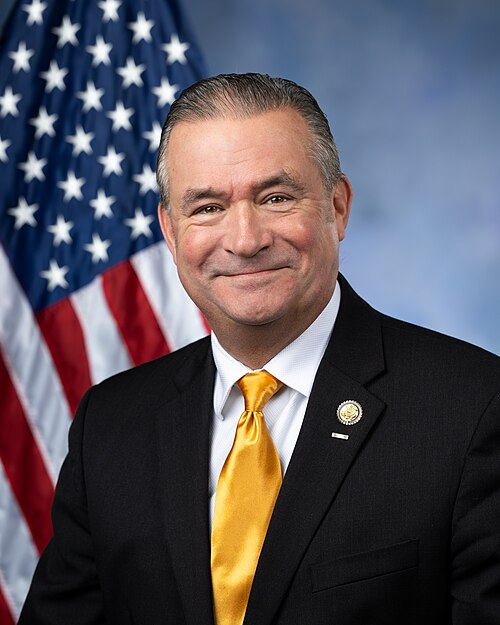
Sponsors
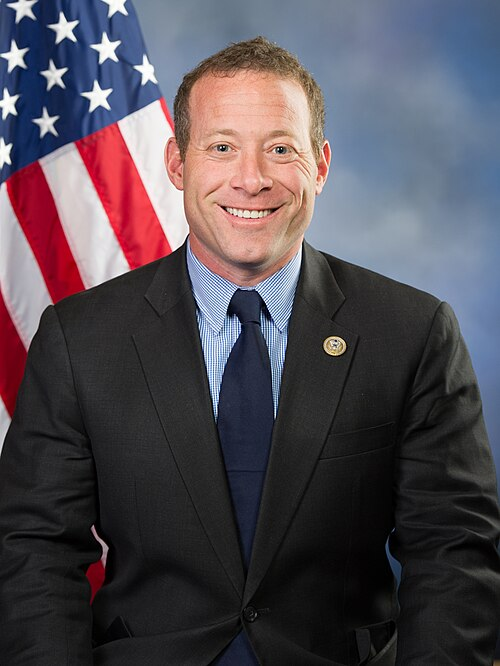
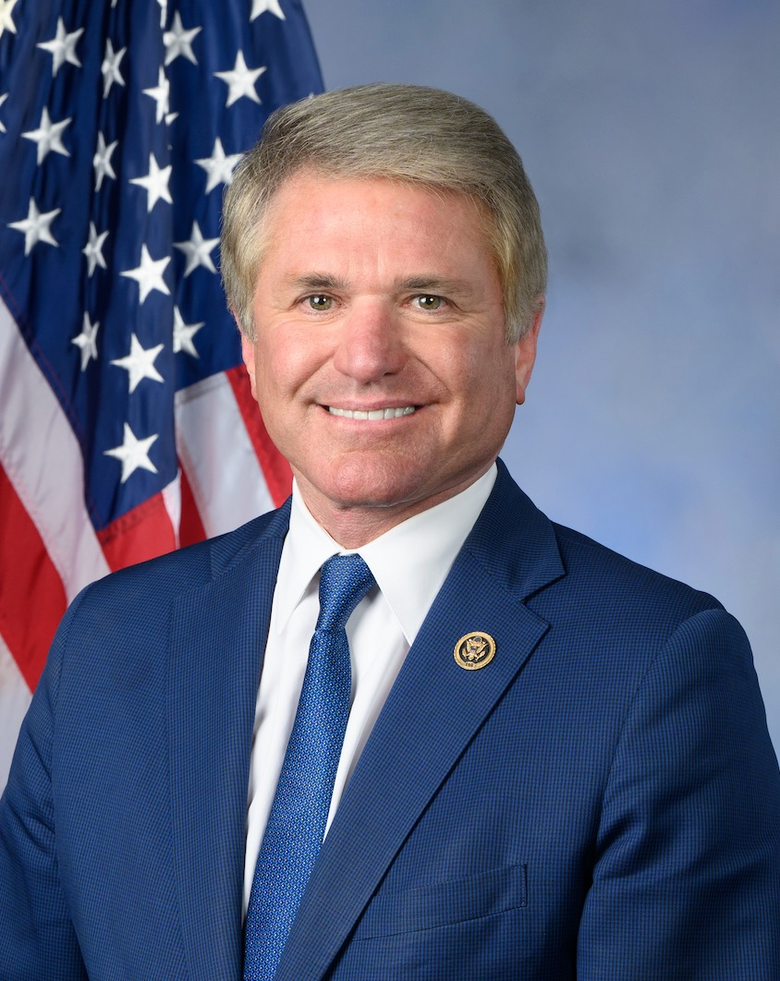
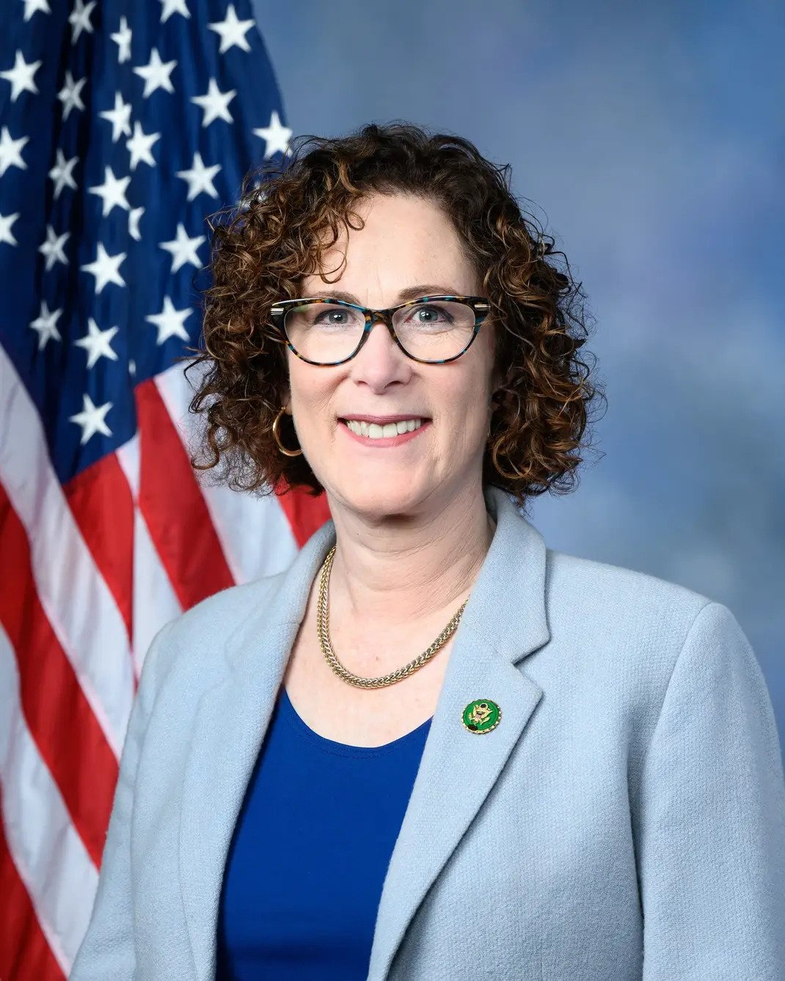
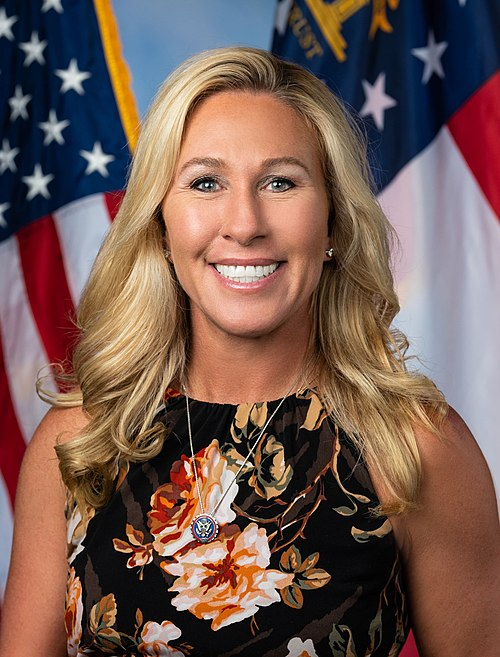
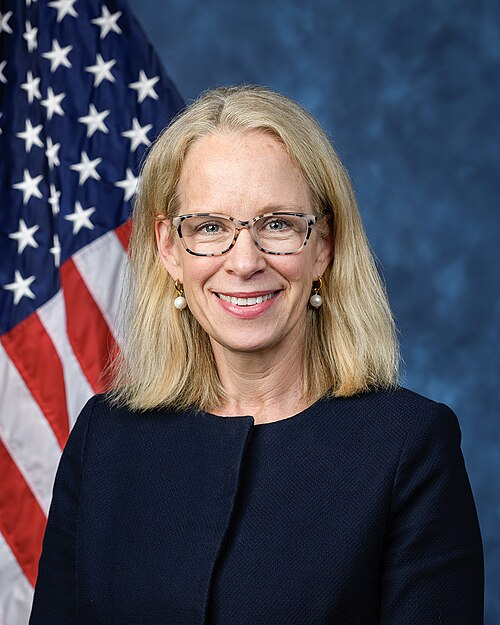
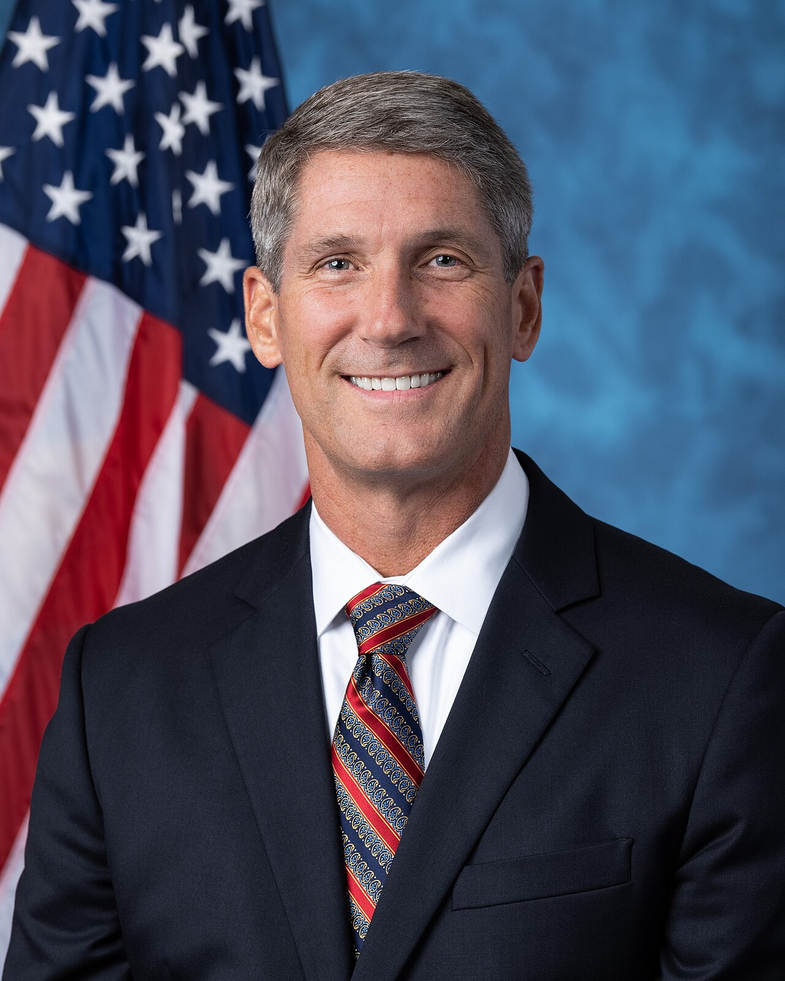
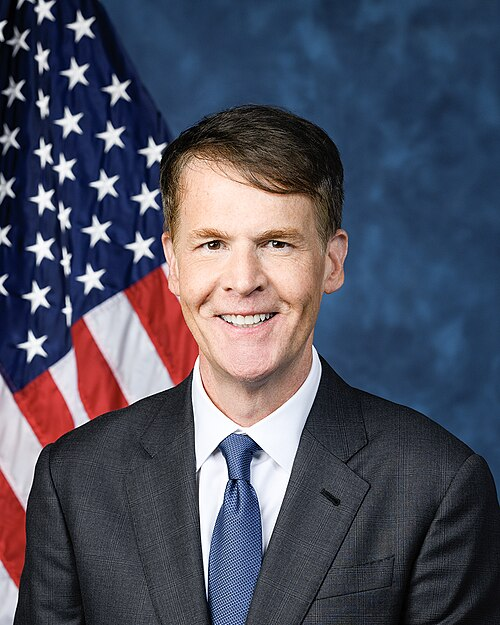
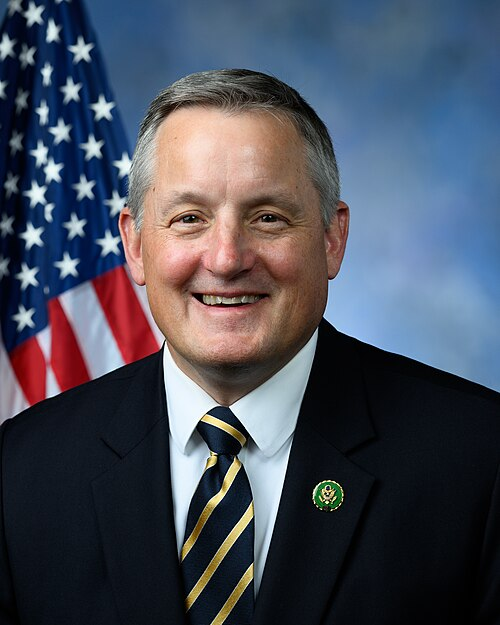
3 bill sponsors


Actions
2 actions
| Date | Action |
|---|---|
| Jun. 26, 2025 | Introduced in House |
| Jun. 26, 2025 | Referred to the House Committee on Energy and Commerce. |
Corporate Lobbying
0 companies lobbying
None found.
* Note that there can be significant delays in lobbying disclosures, and our data may be incomplete.