H.R. 11033: To amend the Internal Revenue Code of 1986 to include qualified domestic film or television production as a qualified production activity for purposes of the special allowance for qualified production property.
This bill would change federal tax rules so that certain film and television production facilities can qualify for a special tax break that is currently available for other types of production property.
What the bill changes
Under current law, the tax break generally applies to property used in qualified production activities, but film and television production facilities are not treated the same way as some other production facilities. This bill would add qualified domestic film or television production to the types of activities and property that can qualify.
Who could qualify
The bill defines a qualified domestic film or television production facility as a facility such as:
- a soundstage,
- a backlot,
- an integrated set-construction or mill space,
- dedicated virtual-production infrastructure, or
- a similar facility used as part of making qualified film or television productions.
To qualify, at least 75% of the facility’s use during a testing period would have to be tied to one or more qualified film or television productions. The bill would allow this test to be measured either by:
- stage use, measured by square-foot-days, or
- rental/license revenue, if the taxpayer elects that method and keeps that election.
How the timing would work
The bill would use two testing periods:
- the 12 months after the property is first placed in service, and
- each later tax year that falls within the 10-year period covered by the tax rule.
If a facility is expected to meet the 75% test when it is first put into service, it would not fail immediately just because the exact percentage cannot yet be measured, as long as the expectation is backed by written leases, licenses, or similar agreements. If the facility later does not meet the test, the tax consequences would apply based on when the failure occurs.
Other rules in the bill
- Two or more buildings or structures on the same or nearby parcels could be treated as one facility if they operate as a single studio campus.
- The Treasury Department would be directed to issue regulations or guidance on how to apply the rule, including how to measure square-foot-days and handle shared-use space.
Effective date
The changes would apply only to property placed in service after the bill becomes law.
Relevant Companies
- NEP — NEP is linked to film and television production through its studio and production-related real estate holdings; it could benefit if more studio facilities qualify for favorable tax treatment.
- DIS — Disney owns major film and television production operations and studio infrastructure that could be affected by incentives for domestic production facilities.
- NFLX — Netflix operates large-scale film and television production activities and could be indirectly affected if the tax change lowers the cost of domestic production facilities.
- CMCSA — Comcast, through NBCUniversal, has significant film and television production and studio assets that could be impacted by the new eligibility rules.
- WBD — Warner Bros. Discovery has major studio and production operations that could be affected by the expanded tax treatment for qualifying facilities.
- SONY — Sony Pictures’ domestic production facilities could be affected if more studio property qualifies for the tax allowance.
This is an AI-generated summary of the bill text. There may be mistakes.
Sponsors
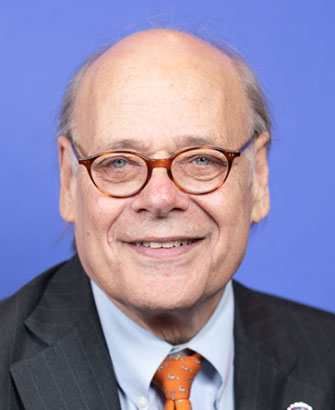
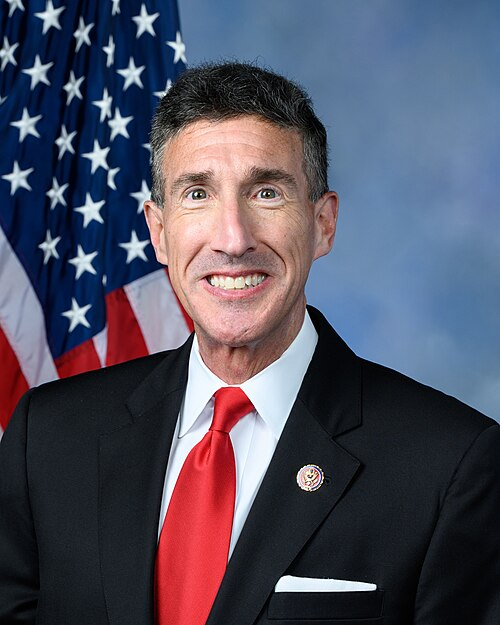
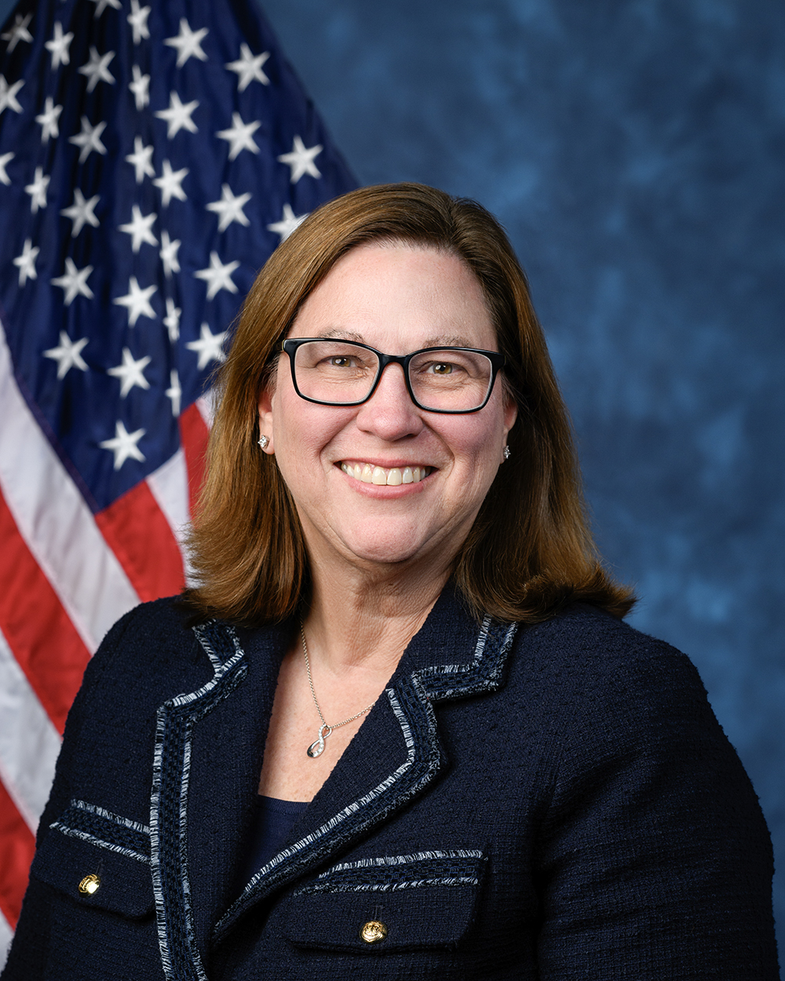
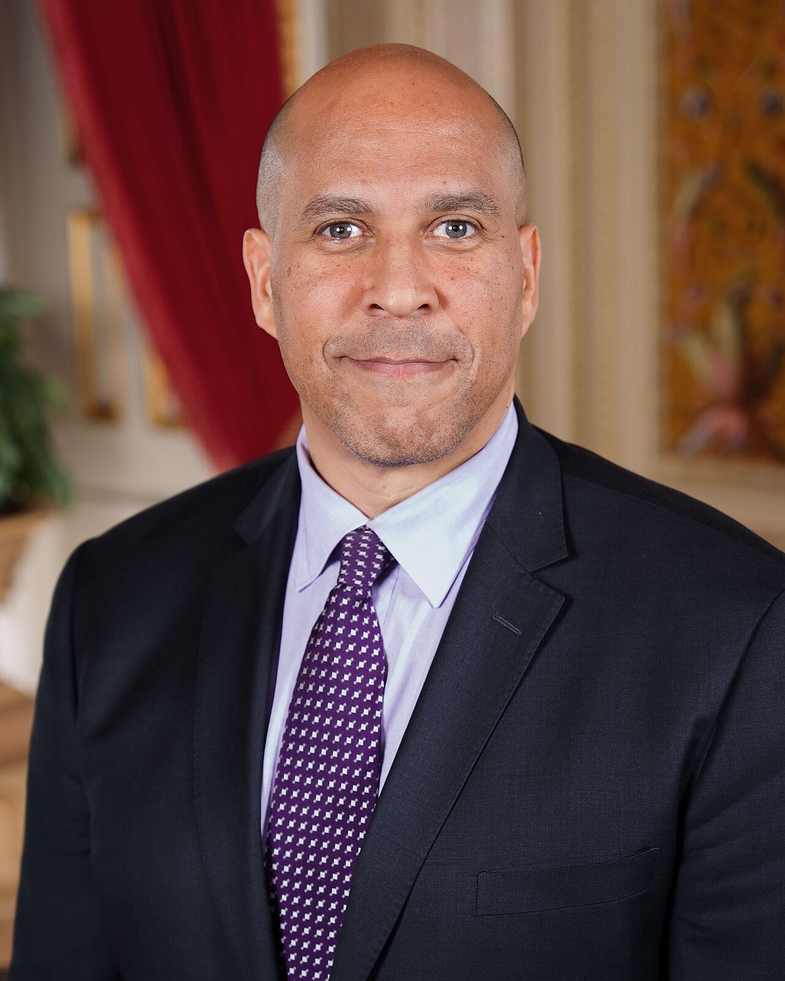
1 sponsor

Actions
2 actions
| Date | Action |
|---|---|
| Nov. 13, 2026 | Introduced in House |
| Nov. 13, 2026 | Referred to the House Committee on Ways and Means. |
Corporate Lobbying
0 companies lobbying
None found.
* Note that there can be significant delays in lobbying disclosures, and our data may be incomplete.