H.R. 10721: Stop Orphaned Wells Act
This bill would change how oil and gas leases on federal lands are managed, with the goal of making operators more financially responsible and improving oversight of wells that are not producing.
Leasing and financial responsibility requirements
The bill would require stronger, site-specific bonds for oil and gas leases. A bond is money or financial security that operators must post so the government has funds available if they fail to properly close, clean up, or restore a site. Under this bill, the amount and structure of that security would be tied more closely to the specific risks of each lease, rather than using a one-size-fits-all approach.
It would also limit the transfer of leases to companies that are financially fit to hold them. In other words, a lease could not easily be passed to a new operator unless that operator meets financial and compliance standards. The bill would also expand liability so that earlier owners or operators may remain responsible for certain obligations, even after a lease changes hands.
Fitness to operate certification
The bill would create a new “fitness to operate” certification system. Before operating or taking over a lease, a company would need to show that it meets requirements related to finances, compliance history, and operational responsibility. The Secretary responsible for the program would have to issue regulations for this system within one year.
This certification would not be a one-time approval. The bill directs ongoing compliance reviews, meaning operators could be checked over time to confirm they continue to meet the standards needed to keep operating.
Orphaned and idled wells
The bill would define and regulate orphaned and idled wells. Orphaned wells are wells that no longer have a responsible operator able to manage them, while idled wells are wells that are not actively producing but are not yet permanently closed. The bill would give the government clearer authority to oversee these wells and address risks associated with them, such as leaks, safety problems, or abandonment.
Reporting and enforcement
The Secretary would have to submit annual reports to Congress identifying leaseholders that are not in compliance and describing enforcement actions taken against them. This would provide regular oversight of how the rules are being enforced and which operators are failing to meet requirements.
Funding
The bill authorizes $30 million per year for fiscal years 2028 through 2032 to carry out these activities, including the certification system, reporting, and enforcement-related work.
Relevant Companies
- XOM - Exxon Mobil could be affected if it holds or acquires federal oil and gas leases that would be subject to the new bonding, transfer, and compliance rules.
- CVX - Chevron could face similar impacts through its federal leasing activities, including tighter financial responsibility standards and ongoing compliance reviews.
- COP - ConocoPhillips may be impacted if its lease operations require larger bonds or if lease transfers become more restricted.
- EOG - EOG Resources could be affected where it operates or seeks to acquire oil and gas leases covered by the new certification and bonding requirements.
- OXY - Occidental Petroleum could be impacted by stricter lease transfer standards and liability rules for current and prior operators.
- HES - Hess could be affected if it participates in federal oil and gas leasing, especially through changes to operator fitness reviews and financial assurance requirements.
This is an AI-generated summary of the bill text. There may be mistakes.
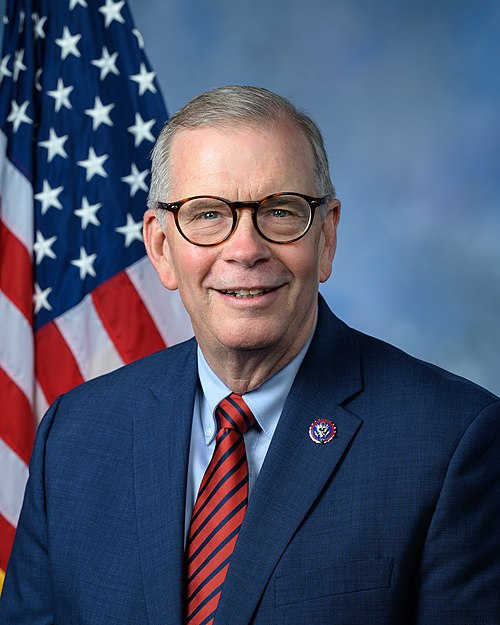
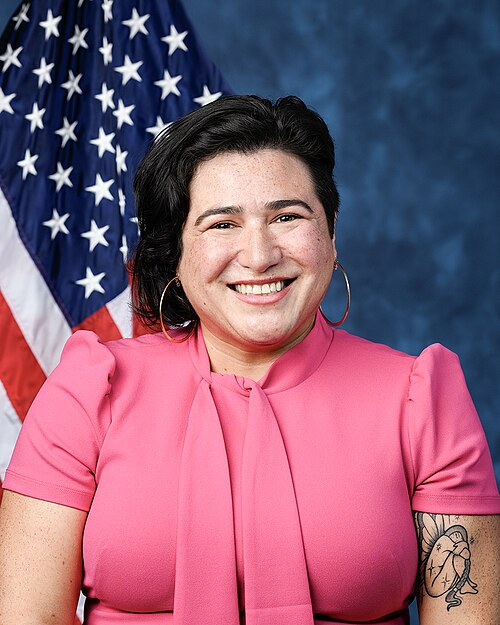
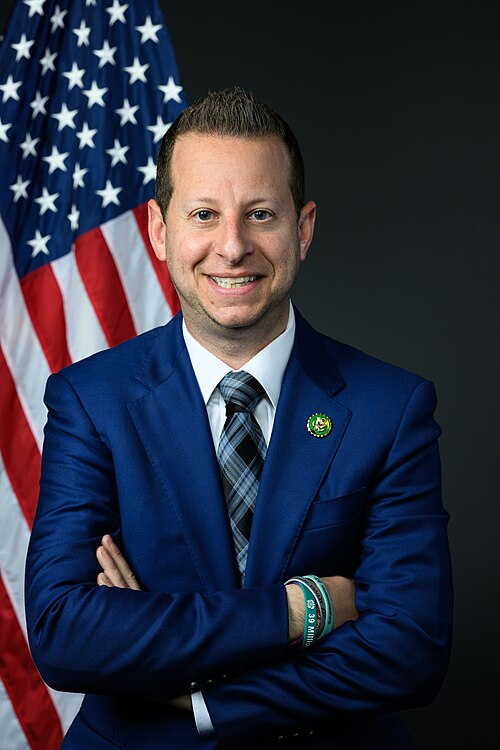
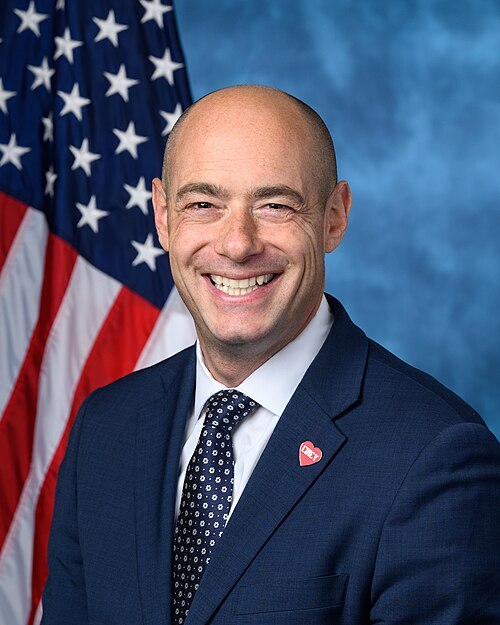
Sponsors
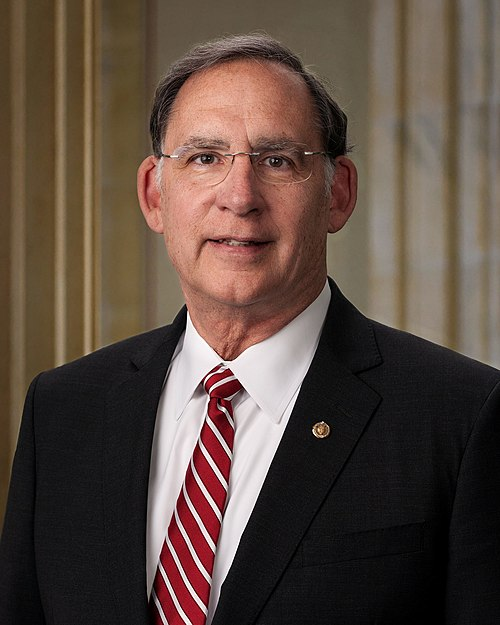
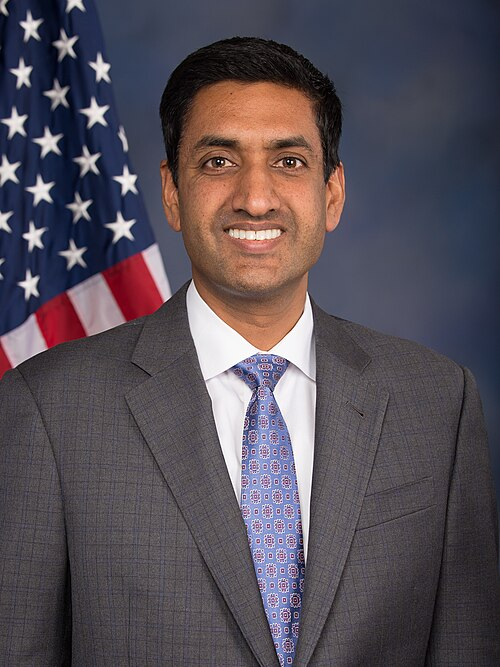
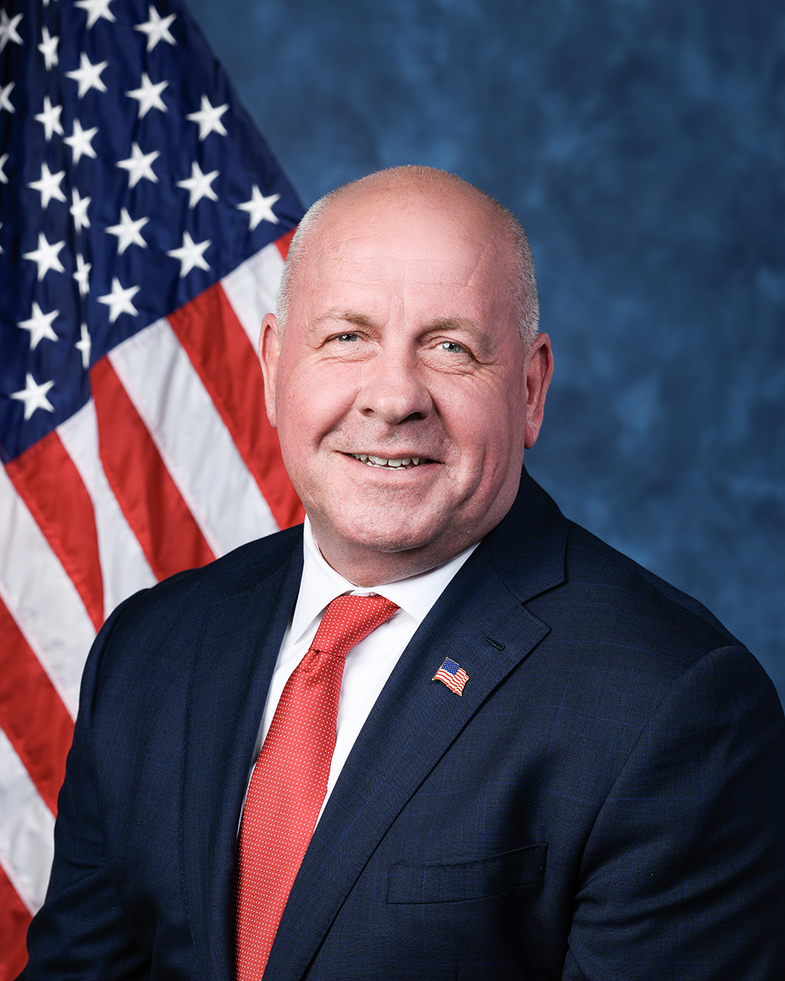
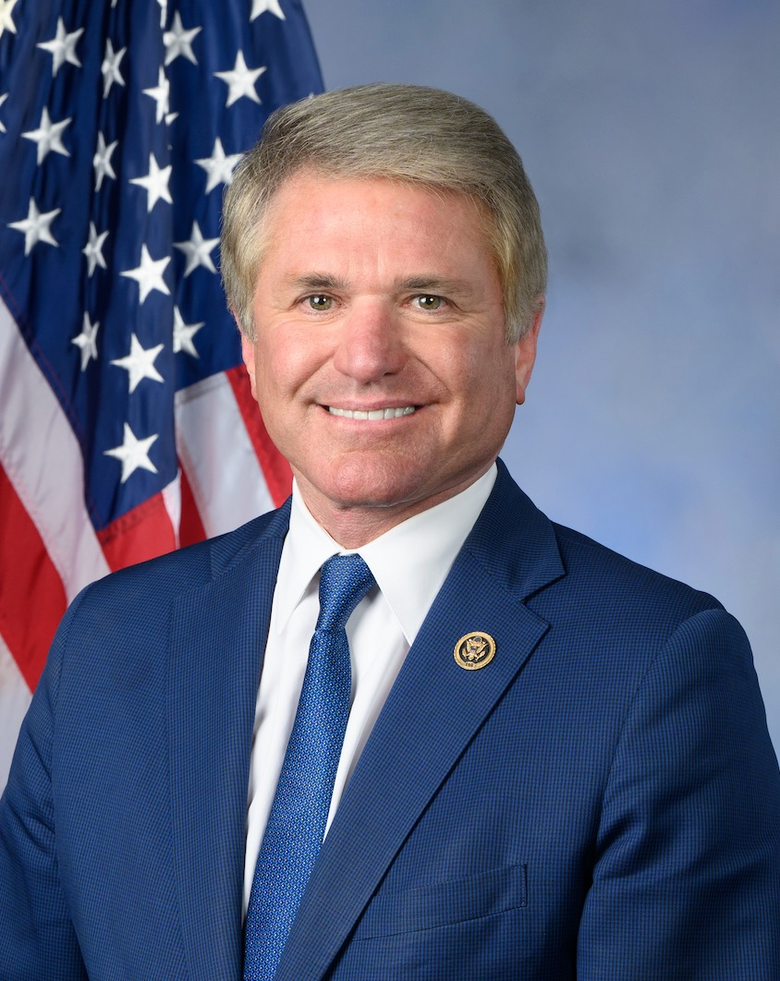
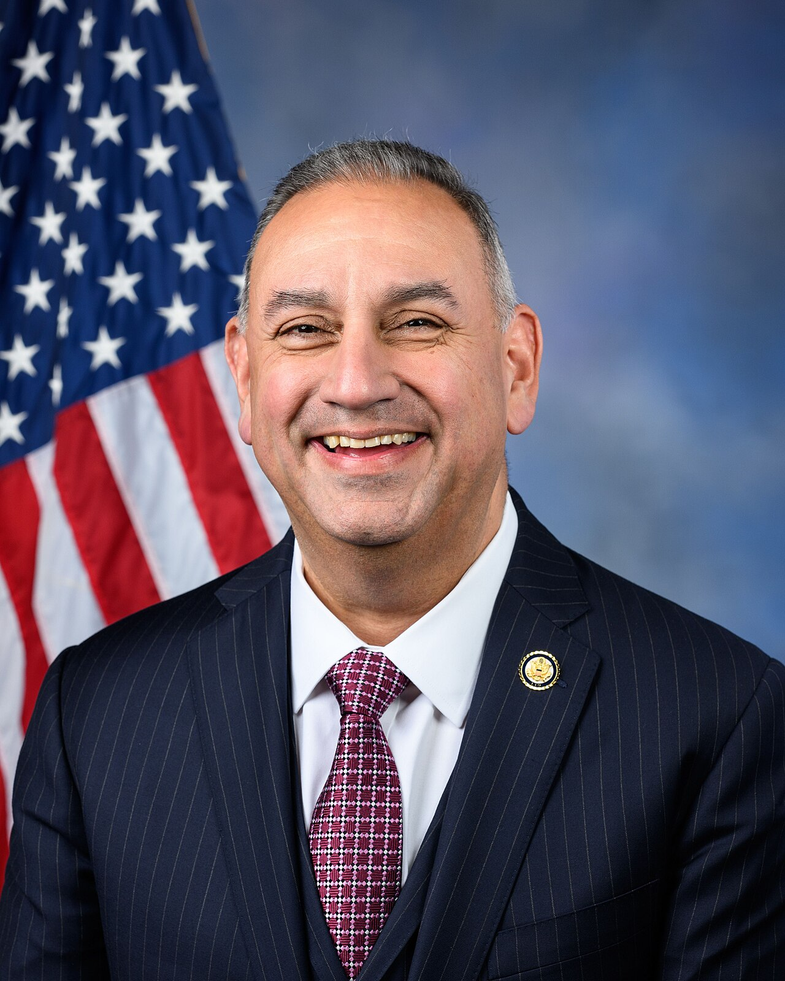
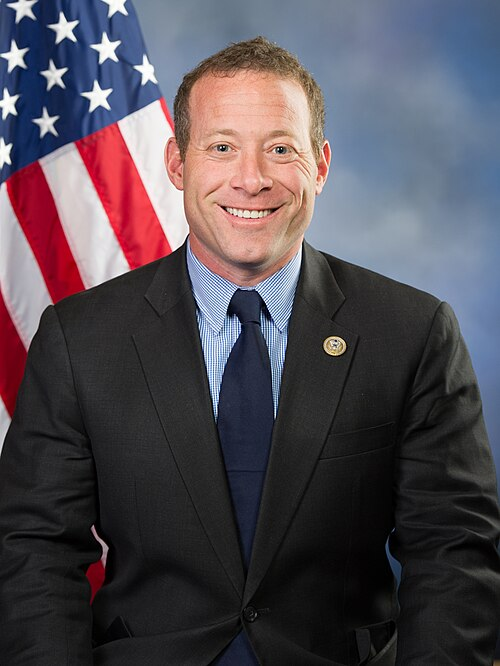
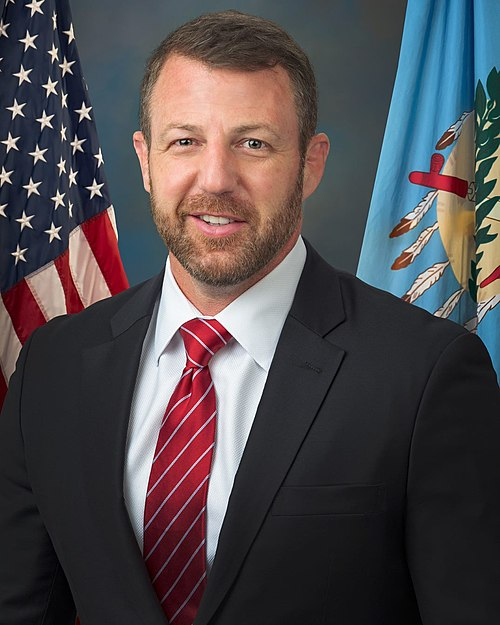
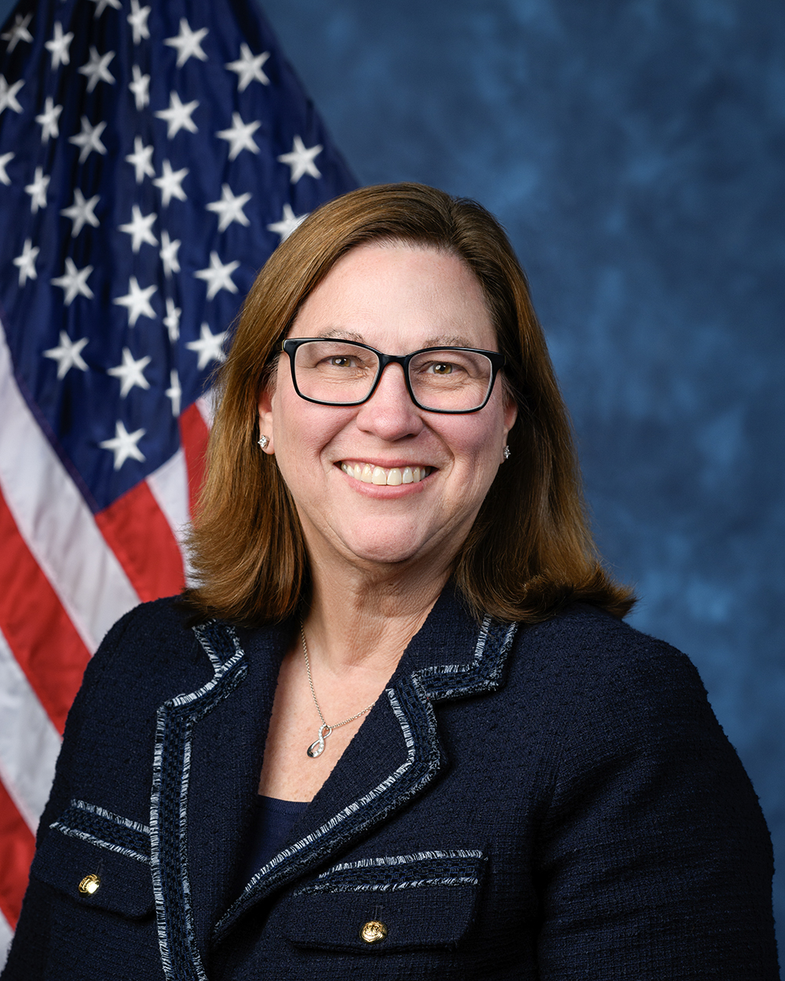
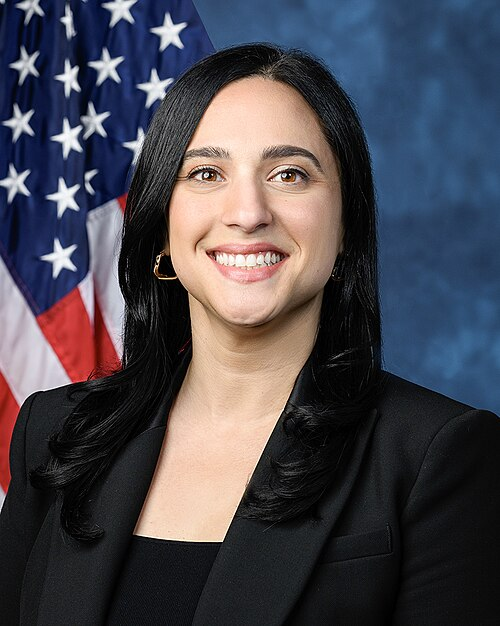
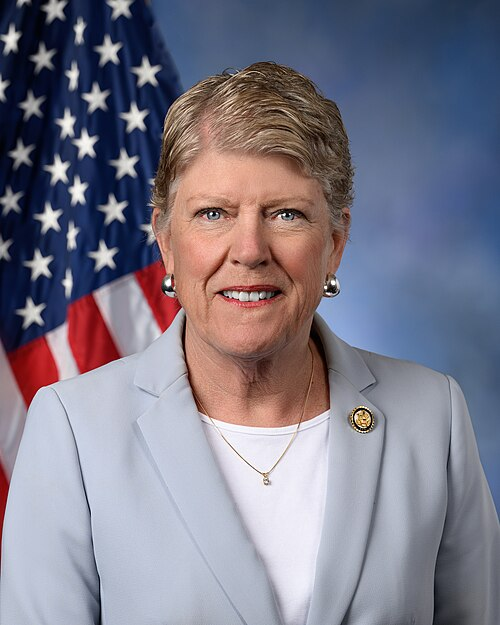
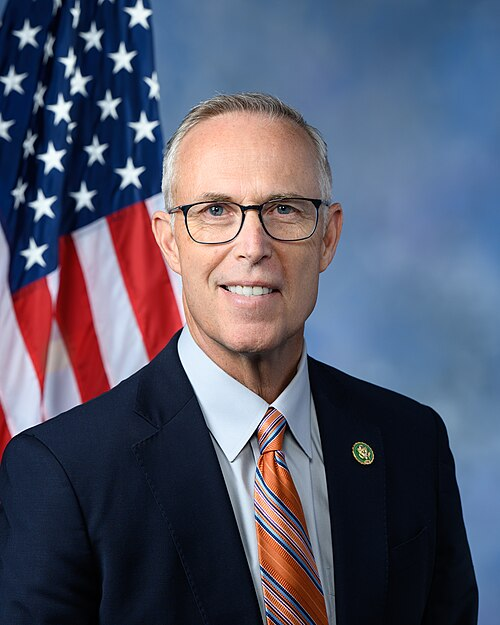
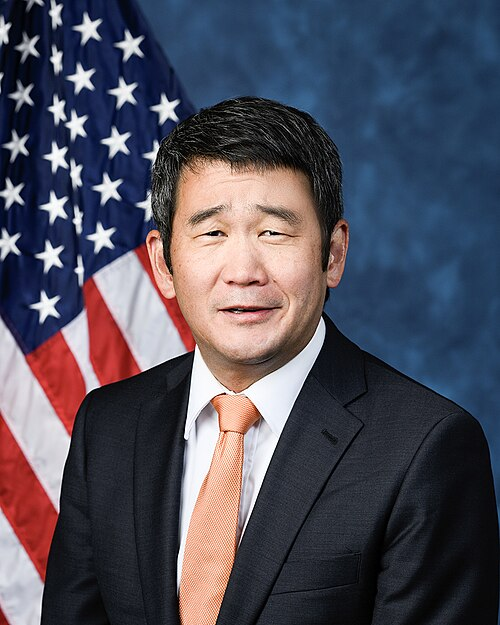
6 bill sponsors

Actions
2 actions
| Date | Action |
|---|---|
| Oct. 05, 2026 | Introduced in House |
| Oct. 05, 2026 | Referred to the House Committee on Natural Resources. |
Corporate Lobbying
0 companies lobbying
None found.
* Note that there can be significant delays in lobbying disclosures, and our data may be incomplete.