H.R. 10651: End Tax Breaks for Dark Money Act
This bill would change how taxes apply when someone donates appreciated property—such as stocks that have gone up in value—to certain tax-exempt groups.
What it would do
Under current law, a donor may be able to transfer appreciated property to some tax-exempt organizations without recognizing the gain in the same way they would if they sold the property first. This bill would expand the tax rule that already applies to political organizations so that it also applies to a broader set of tax-exempt groups.
In practical terms, the bill would treat transfers of appreciated property to these groups the same as transfers to political organizations for tax purposes.
Which organizations are covered
The bill defines the covered “specified organizations” as:
- Political organizations as defined in the tax code, and
- Certain tax-exempt organizations described in sections 501(c)(4), 501(c)(5), and 501(c)(6) of the Internal Revenue Code.
These are generally:
- 501(c)(4): social welfare organizations,
- 501(c)(5): labor, agricultural, and horticultural organizations, and
- 501(c)(6): business leagues, chambers of commerce, and similar trade or professional groups.
How the tax rule would change
The bill would amend section 84 of the tax code so that the rule on transfers of appreciated property applies not just to political organizations, but to these broader “specified organizations.” It also makes corresponding wording changes in the section heading and table of contents.
When it would take effect
The changes would apply to transfers made after the date the bill is enacted, and for taxable years ending after that date.
Relevant Companies
- CVS — If charitable or advocacy groups associated with corporations or industry interests receive appreciated property, the bill could affect how those donations are made and the tax treatment of related transfers.
- KO — Large companies that support tax-exempt advocacy, trade, or membership organizations could see indirect effects if donation structures involving appreciated assets become less tax-advantaged.
- JPM — Financial firms that participate in or support trade associations and other covered organizations could be indirectly affected if the tax cost of contributing appreciated property changes.
- BA — Companies that contribute to business leagues or chambers of commerce through appreciated assets could face different tax treatment for those donations.
This is an AI-generated summary of the bill text. There may be mistakes.
Sponsors
18 bill sponsors
-
TrackJudy Chu
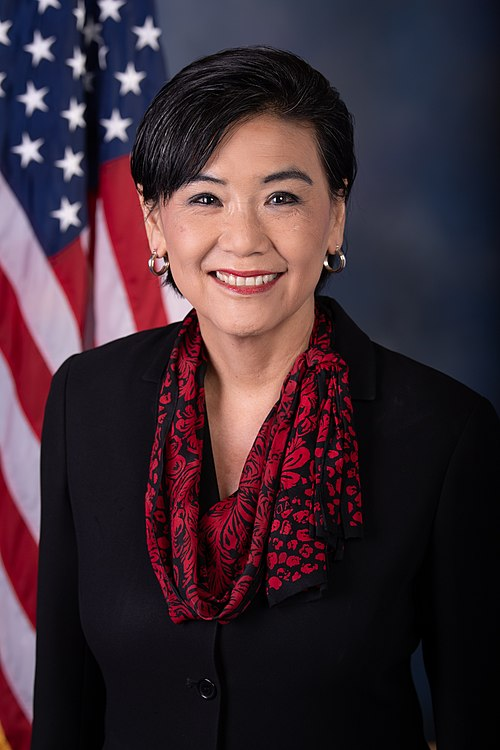
Sponsor
-
TrackSean Casten

Co-Sponsor
-
TrackDanny K. Davis

Co-Sponsor
-
TrackRosa L. DeLauro

Co-Sponsor
-
TrackChristopher R. Deluzio

Co-Sponsor
-
TrackLaura Friedman

Co-Sponsor
-
TrackJesús G. "Chuy" García
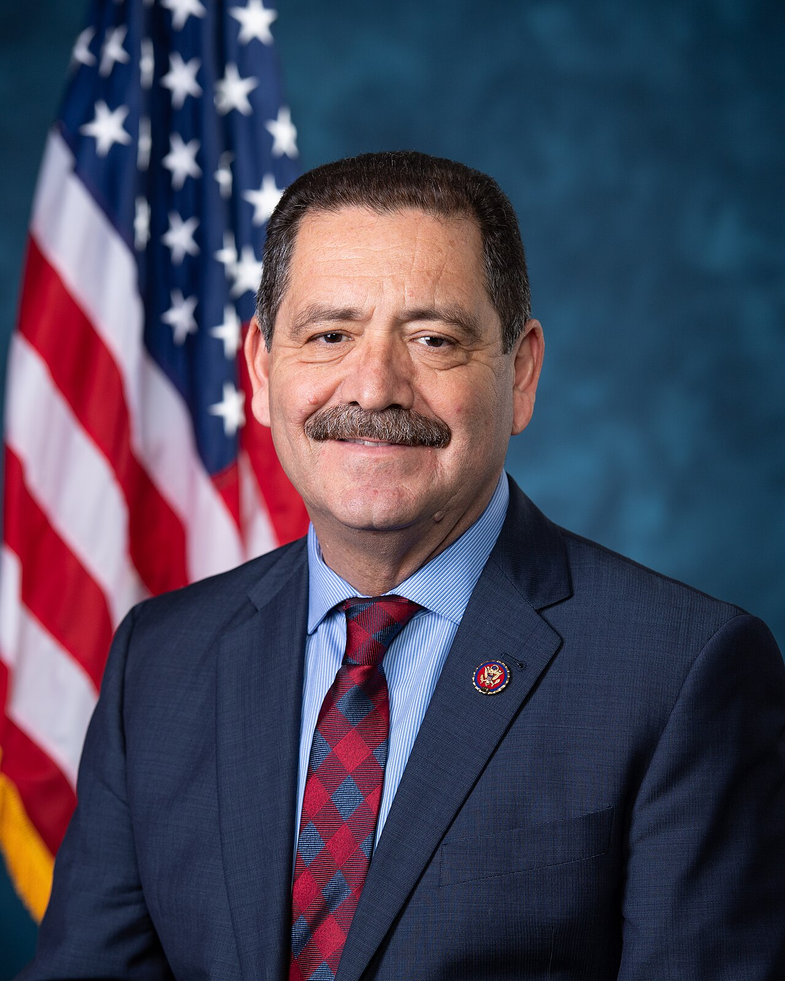
Co-Sponsor
-
TrackDaniel S. Goldman

Co-Sponsor
-
TrackJimmy Gomez
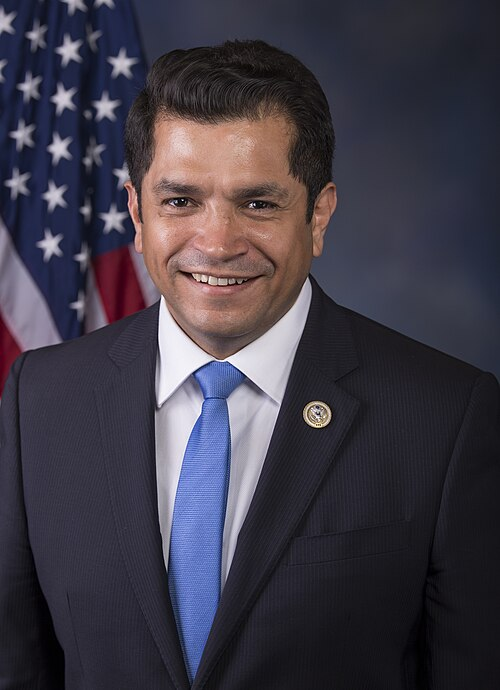
Co-Sponsor
-
TrackSummer L. Lee

Co-Sponsor
-
TrackEleanor Holmes Norton

Co-Sponsor
-
TrackIlhan Omar

Co-Sponsor
-
TrackDelia C. Ramirez

Co-Sponsor
-
TrackJamie Raskin
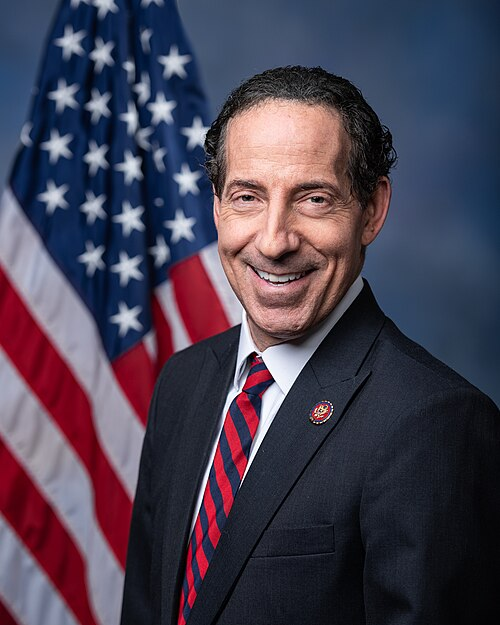
Co-Sponsor
-
TrackAndrea Salinas

Co-Sponsor
-
TrackJanice D. Schakowsky

Co-Sponsor
-
TrackLateefah Simon

Co-Sponsor
-
TrackRashida Tlaib

Co-Sponsor
Actions
2 actions
| Date | Action |
|---|---|
| Oct. 01, 2026 | Introduced in House |
| Oct. 01, 2026 | Referred to the House Committee on Ways and Means. |
Corporate Lobbying
0 companies lobbying
None found.
* Note that there can be significant delays in lobbying disclosures, and our data may be incomplete.