H.R. 10582: Motion Picture, Television, and Entertainment Revitalization Act
This bill would create a new federal tax credit for certain U.S.-based film and television productions. In general, eligible productions could claim a credit equal to a percentage of their qualified compensation costs, meaning wages and certain paid services tied to making the production in the United States. The credit would apply under the general business credit rules, and companies would be allowed to transfer the credit in certain cases.
What productions could qualify
The credit would cover:
- Feature films
- Television pilots
- Television seasons
To qualify, the production would generally need to:
- Be made in the ordinary course of business and for commercial purposes
- Cost more than $1 million
- Have at least 75% of principal photography days in the United States
- Be completed during the taxable year
Certain types of productions would not qualify, including talk shows, interview shows, game shows, award shows, news programming, live sports, radio productions, gala event programming, daytime dramas, social-media-first productions, advertising or marketing campaigns, fundraising content, and productions mainly for industrial, corporate, or institutional use. Productions involving performer records required under a federal obscenity recordkeeping law would also be excluded.
How the credit would work
The base credit rate would be 20% of qualified compensation, with the possibility of increases of up to 10 additional percentage points, for a maximum of 30%.
The bill would add a 5-point increase in certain situations:
- If the production is made in a rural qualified opportunity zone or a disaster area, subject to location and timing rules
- If the production is completed by an independent producer
- If the taxpayer is a multi-state producer meeting requirements tied to production activity and compensation in at least 10 states
- If the taxpayer increases domestic production compared with a prior baseline, according to a formula in the bill
The bill also includes special rules for animated productions, visual effects work, and post-production work. For those, certain U.S.-based animation, visual effects, or post-production costs could count even if filming itself is not entirely in the United States, subject to detailed thresholds.
Other key details
- Qualified compensation generally includes pay for actors, directors, producers, writers, choreographers, composers, casting agents, camera operators, set designers, lighting and sound technicians, makeup artists, editors, and visual-effects providers.
- Residuals and participations would not count.
- The credit would reduce the tax basis of the production property.
- The Treasury Secretary could require reporting and issue regulations to administer the credit.
- The credit would apply to productions whose principal photography begins after December 31, 2026.
Relevant Companies
- CMCSA — Comcast could be affected through its film and television production businesses, including Universal Pictures and NBCUniversal television production, if more domestic productions become eligible for the credit.
- DIS — Disney could benefit or adjust production decisions through its film and TV studios, which may qualify for the new credit on eligible U.S.-based productions.
- WBD — Warner Bros. Discovery could be directly affected through its film and television production operations if more productions are shifted or kept in the United States to qualify.
- NFLX — Netflix could be impacted because its original film and television productions may qualify if they meet the bill’s location and cost requirements.
- PARA — Paramount Global could be affected through its studio and television production activities if eligible U.S. productions receive the credit.
- SONY — Sony, through Sony Pictures, could be affected by changes in the after-tax cost of qualifying U.S. film and TV production.
This is an AI-generated summary of the bill text. There may be mistakes.
Sponsors
42 bill sponsors
-
TrackNathaniel Moran
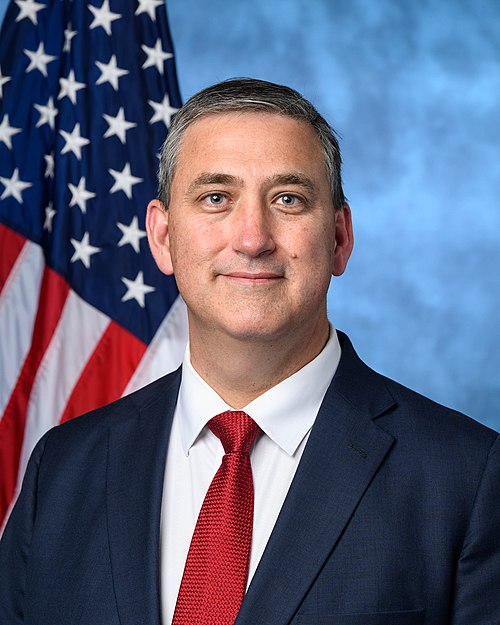
Sponsor
-
TrackMark Alford
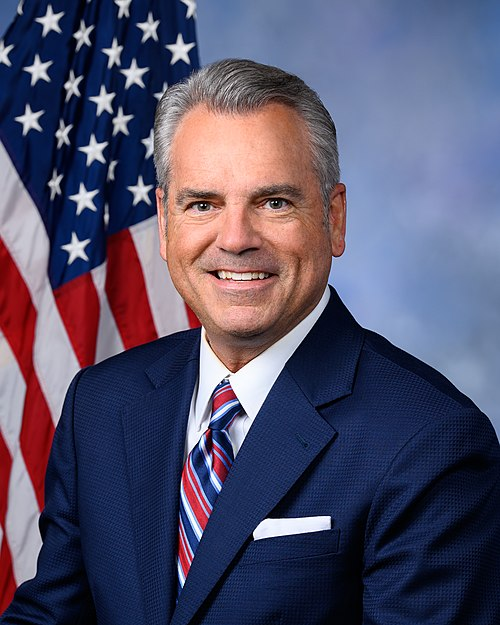
Co-Sponsor
-
TrackAndy Barr
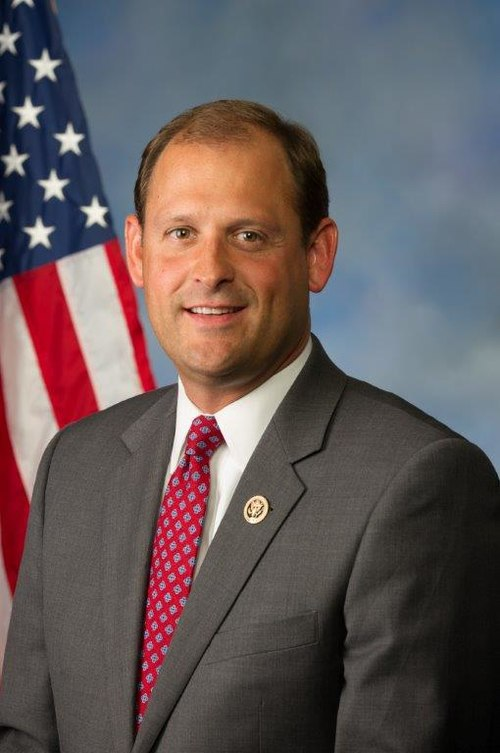
Co-Sponsor
-
TrackBrendan F. Boyle
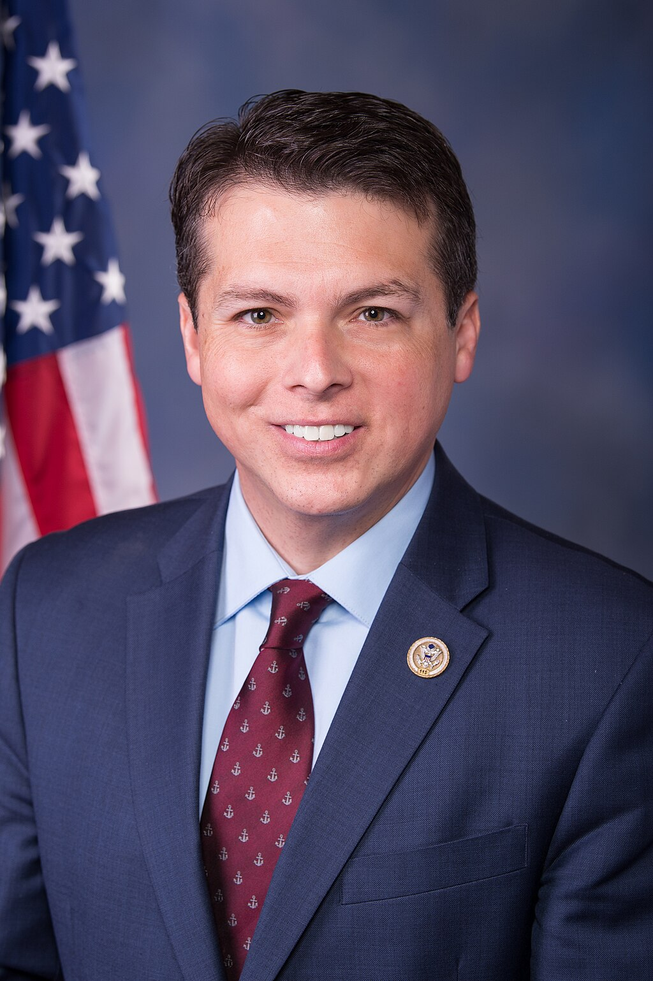
Co-Sponsor
-
TrackMike Carey

Co-Sponsor
-
TrackEarl L. "Buddy" Carter
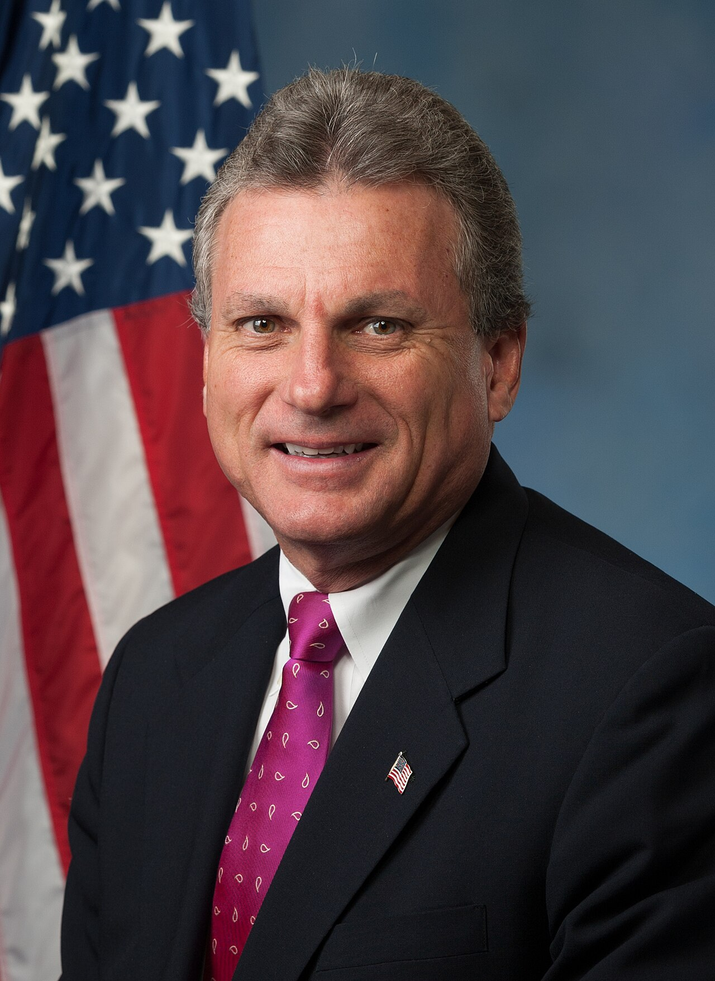
Co-Sponsor
-
TrackJudy Chu
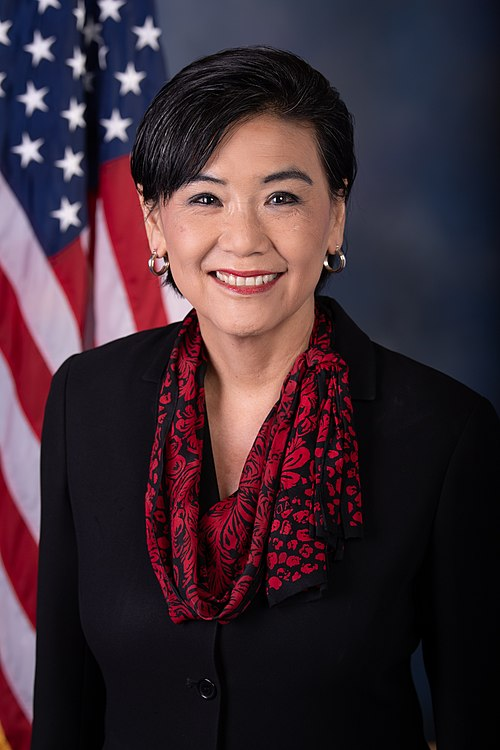
Co-Sponsor
-
TrackGilbert Ray Cisneros, Jr.
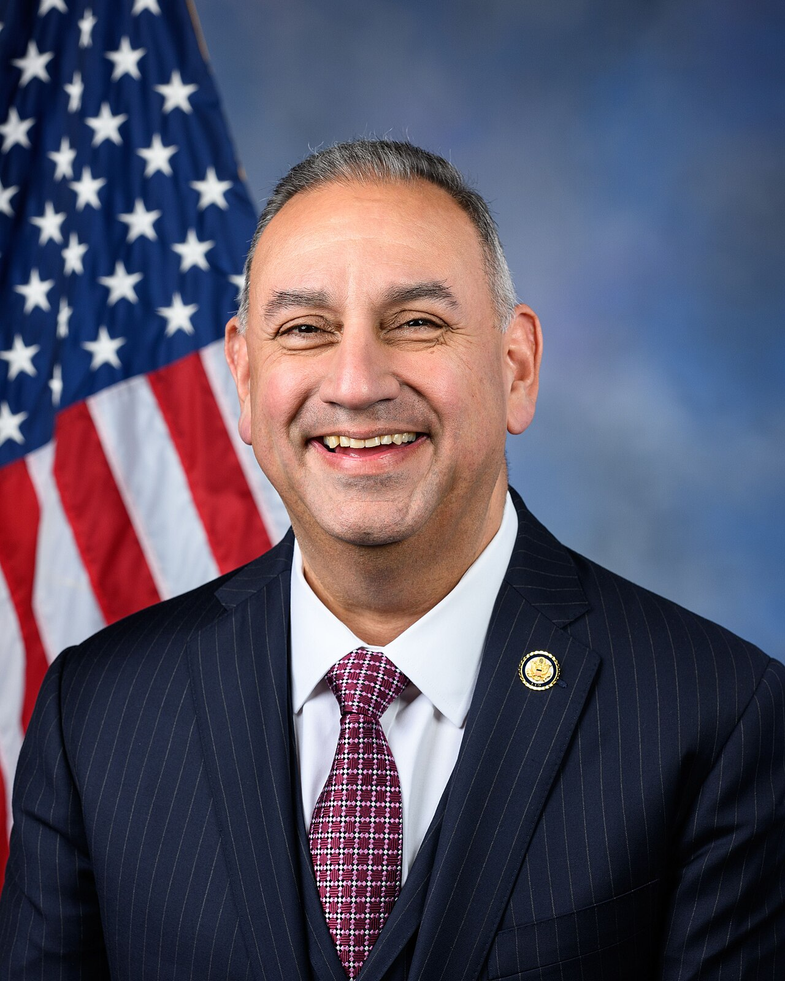
Co-Sponsor
-
TrackChristopher R. Deluzio
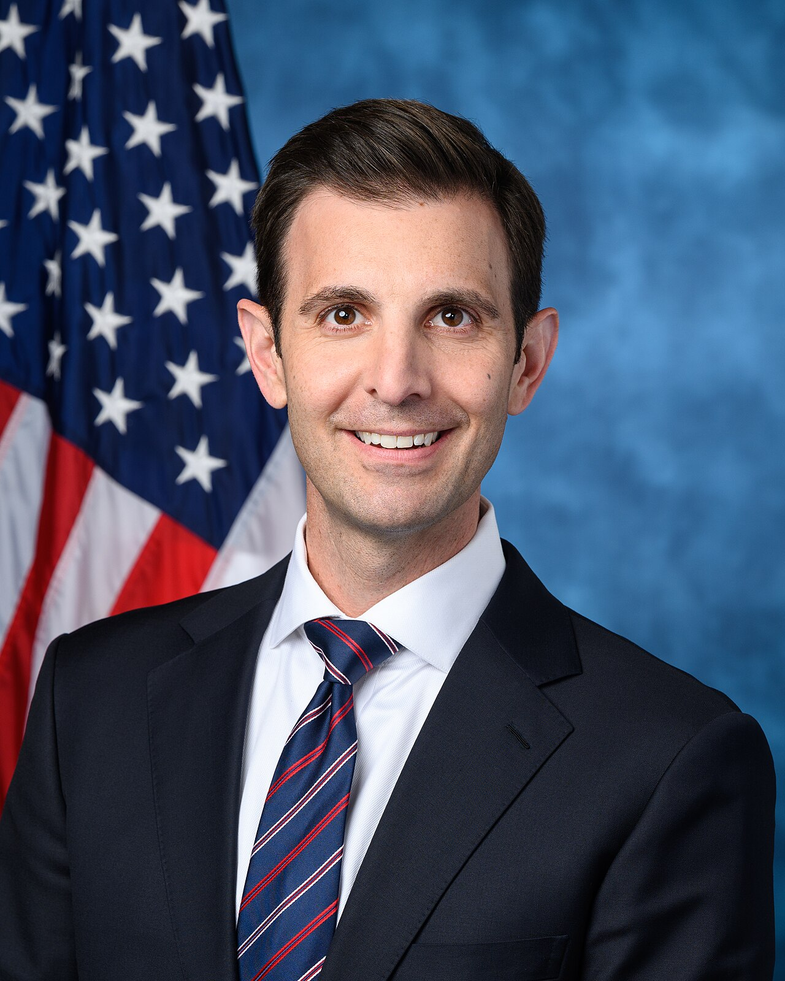
Co-Sponsor
-
TrackSarah Elfreth
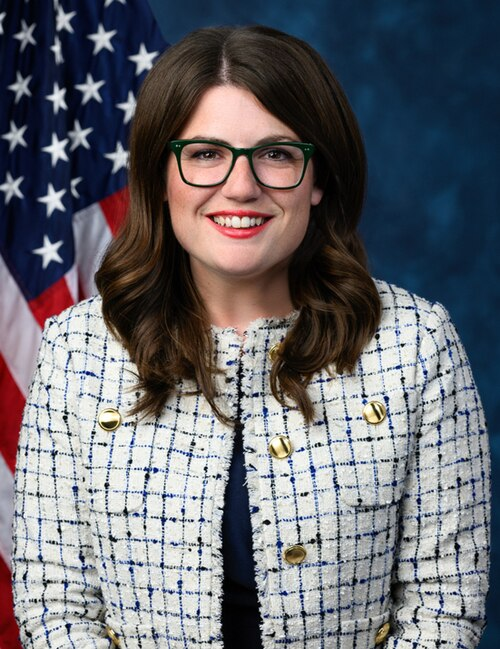
Co-Sponsor
-
TrackScott Fitzgerald
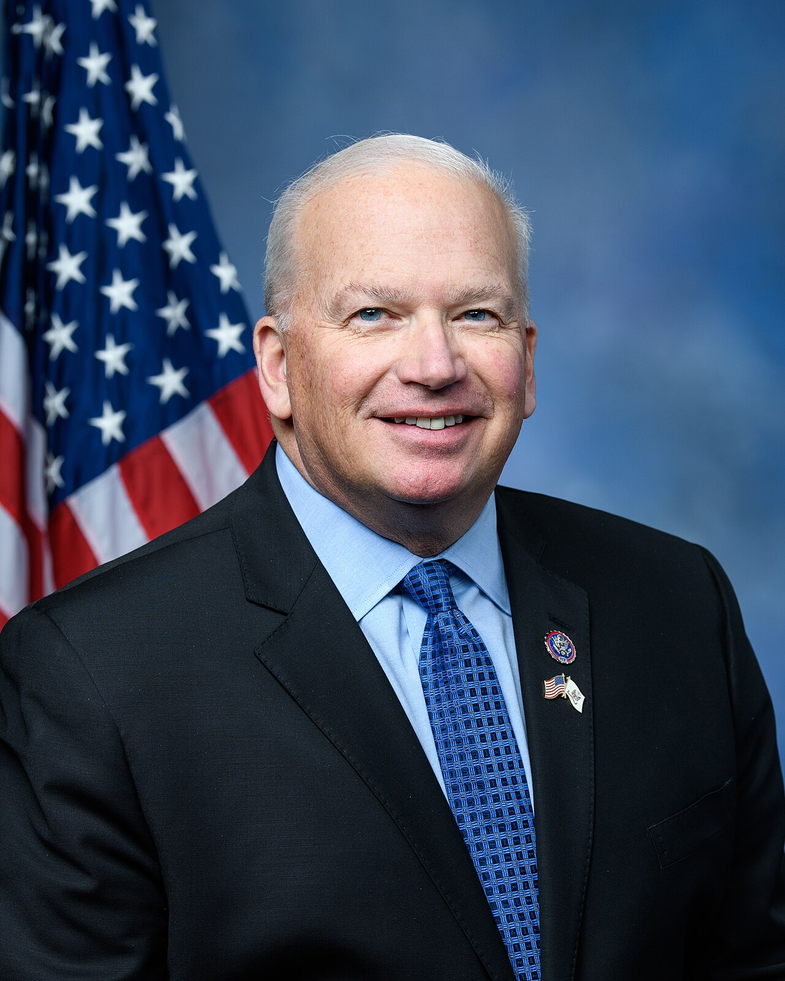
Co-Sponsor
-
TrackBrian K. Fitzpatrick
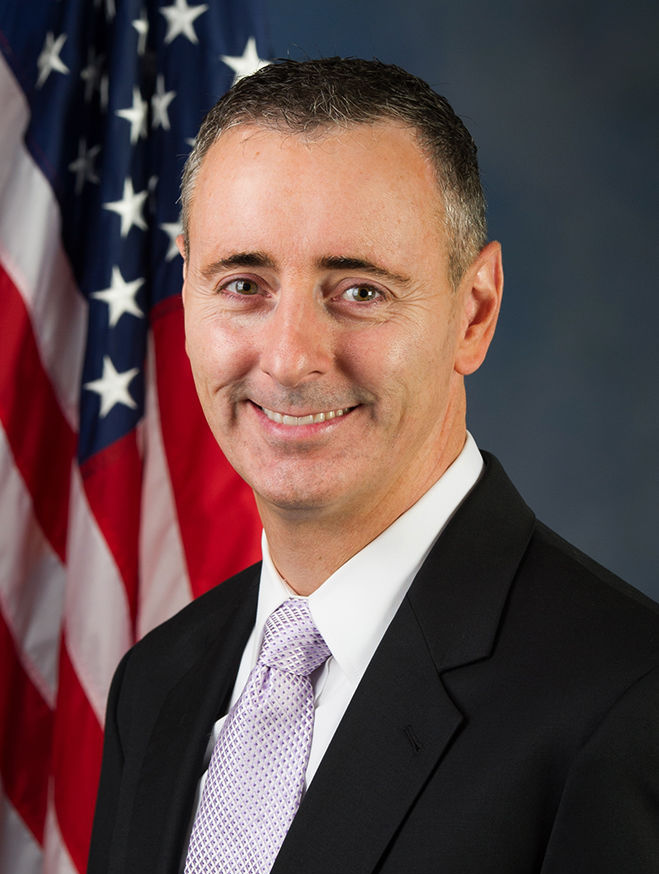
Co-Sponsor
-
TrackVince Fong
Co-Sponsor
-
TrackLaura Friedman
Co-Sponsor
-
TrackAndrew R. Garbarino
Co-Sponsor
-
TrackJosh Gottheimer
Co-Sponsor
-
TrackDarrell Issa
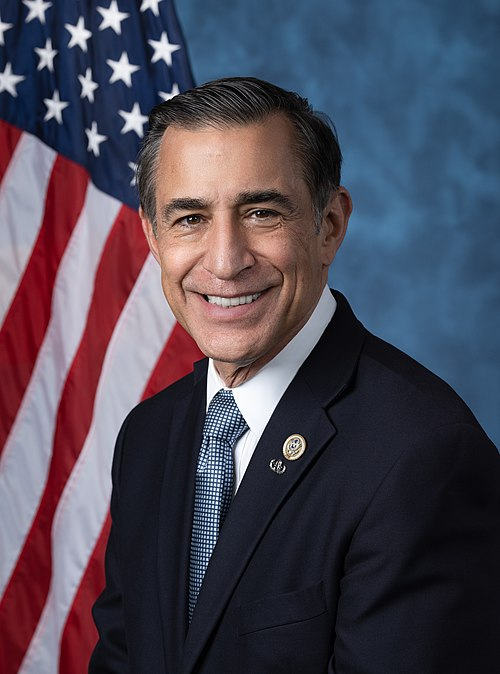
Co-Sponsor
-
TrackBrian Jack
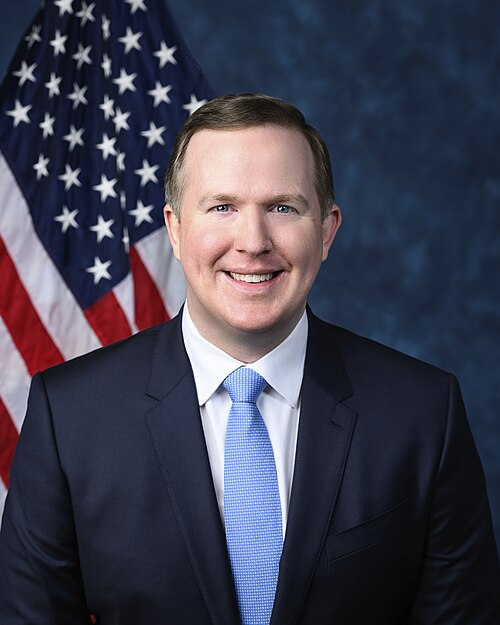
Co-Sponsor
-
TrackJohn Joyce
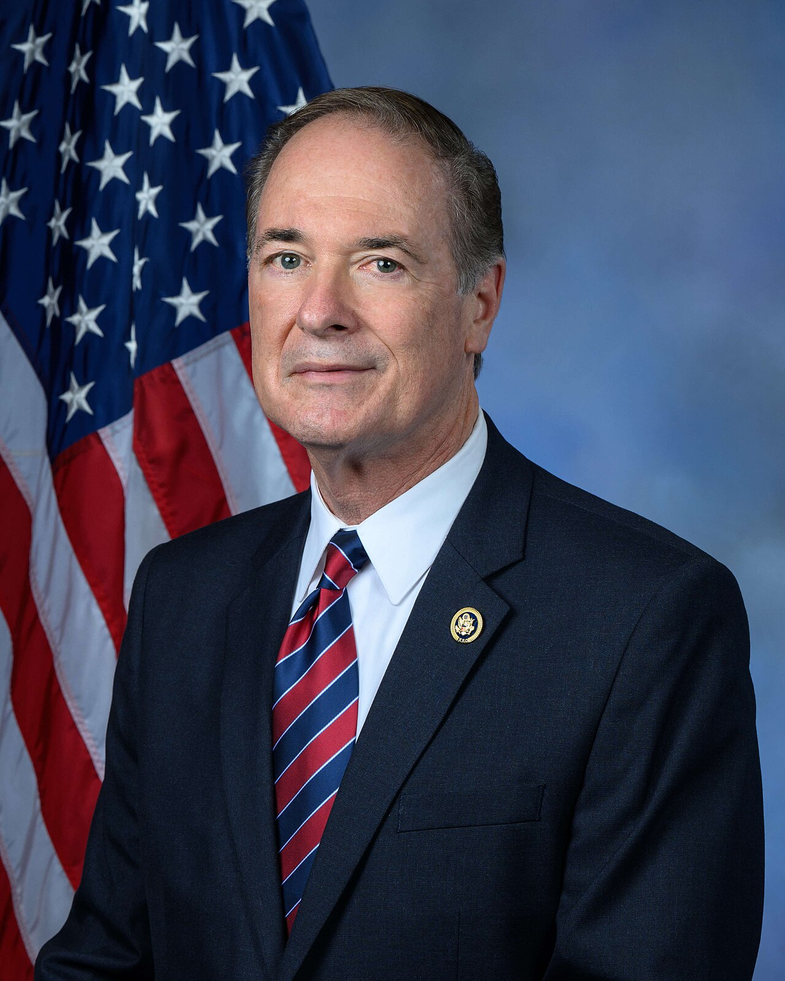
Co-Sponsor
-
TrackSydney Kamlager-Dove
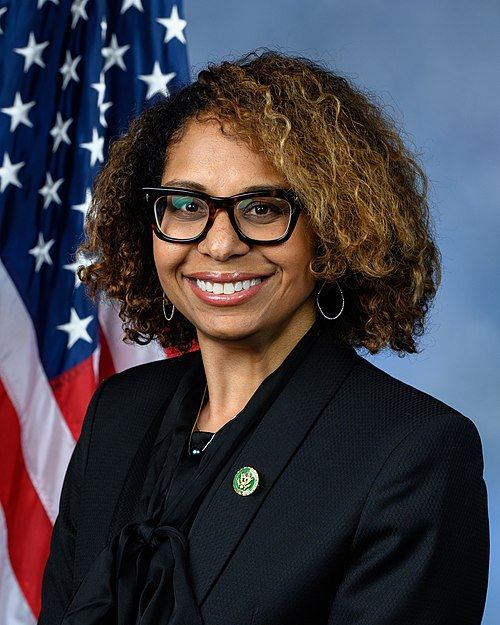
Co-Sponsor
-
TrackThomas H. Kean, Jr.
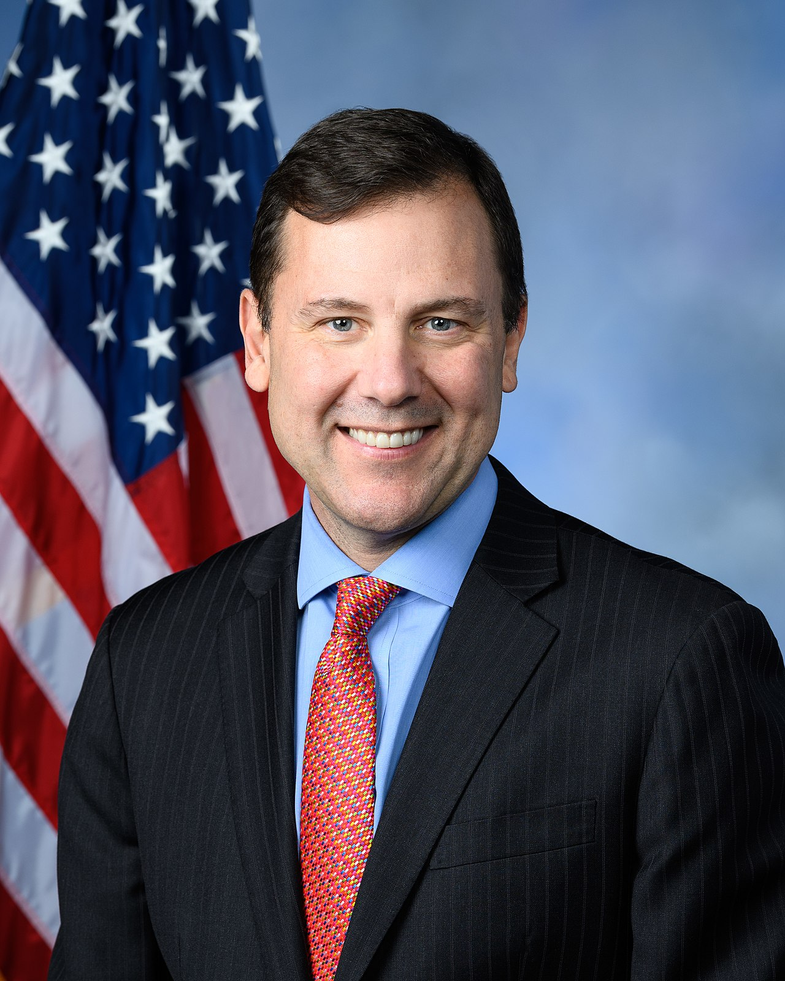
Co-Sponsor
-
TrackDavid Kustoff
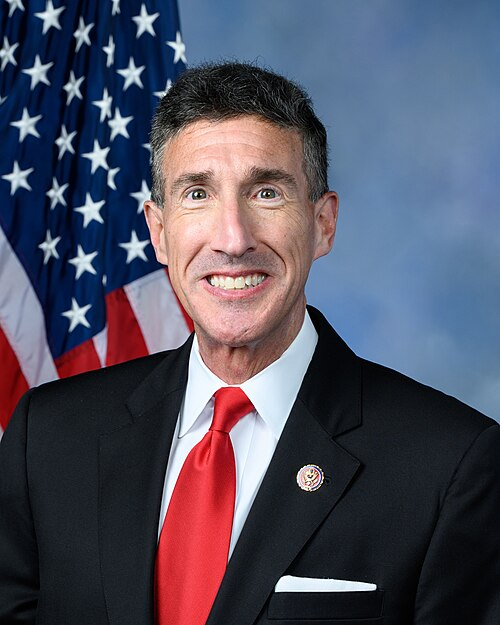
Co-Sponsor
-
TrackMichael Lawler
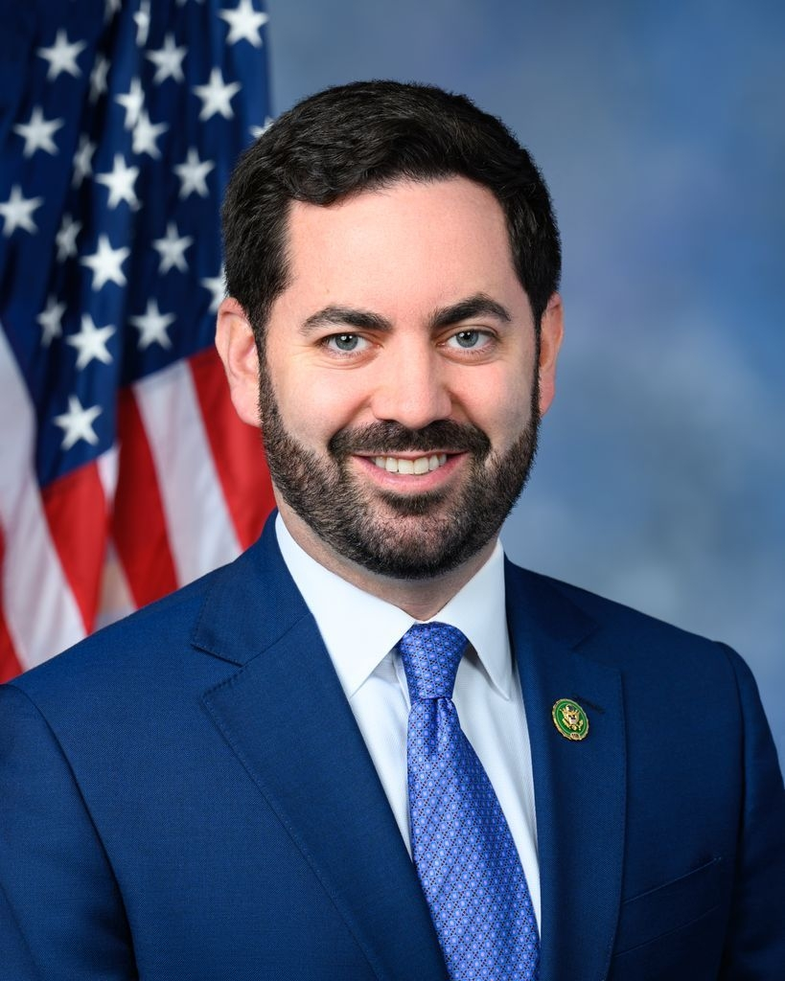
Co-Sponsor
-
TrackStephen F. Lynch
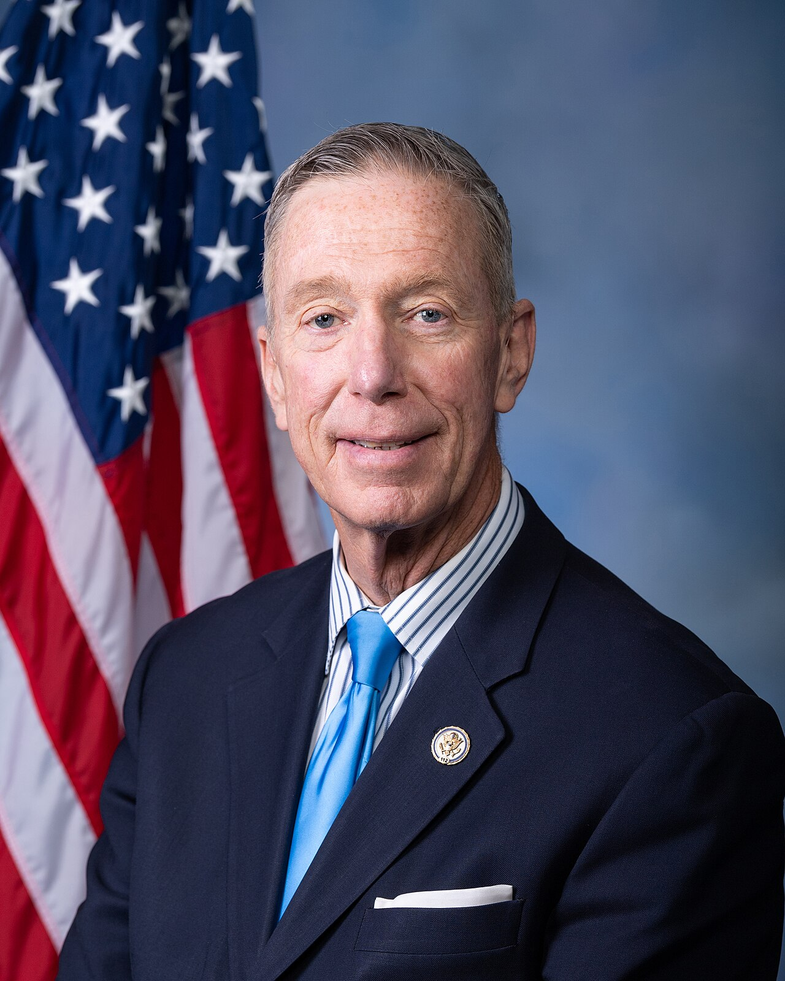
Co-Sponsor
-
TrackCarol D. Miller
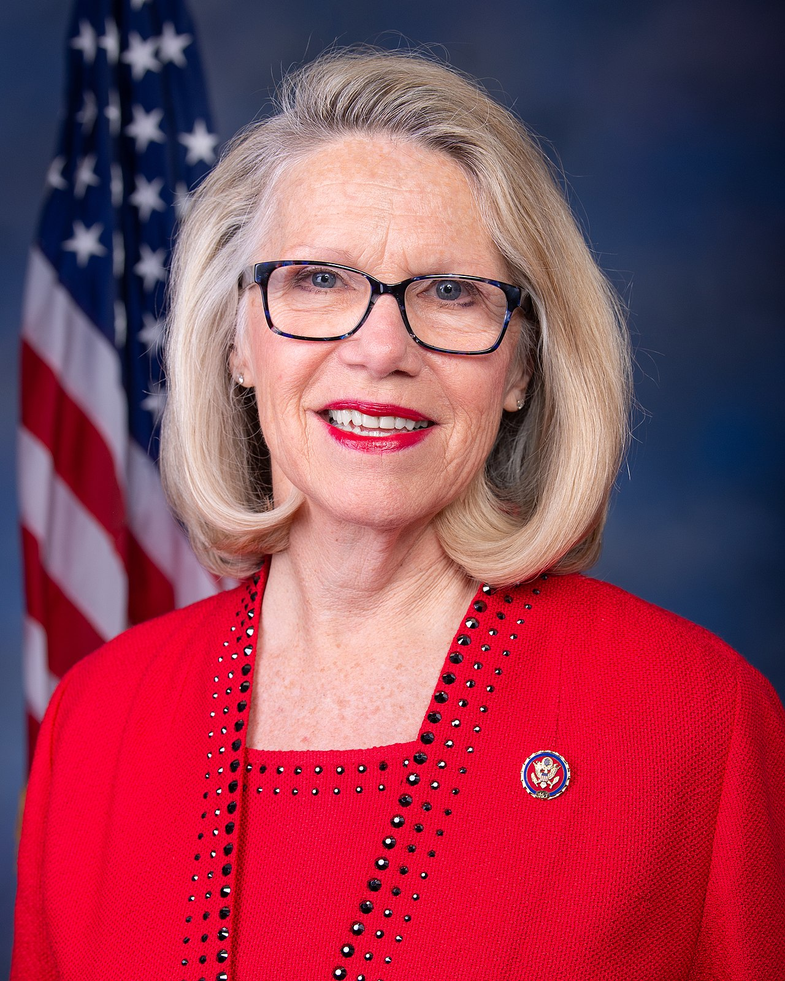
Co-Sponsor
-
TrackMariannette Miller-Meeks
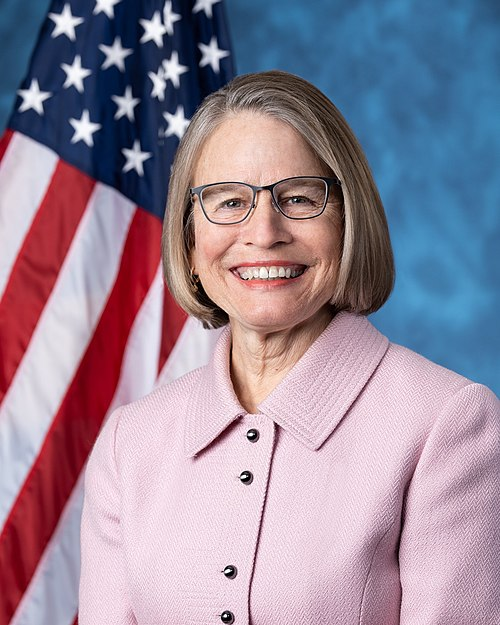
Co-Sponsor
-
TrackDave Min
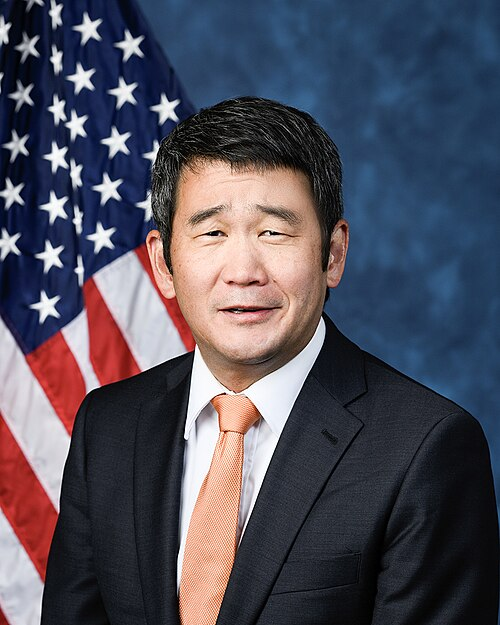
Co-Sponsor
-
TrackBlake D. Moore
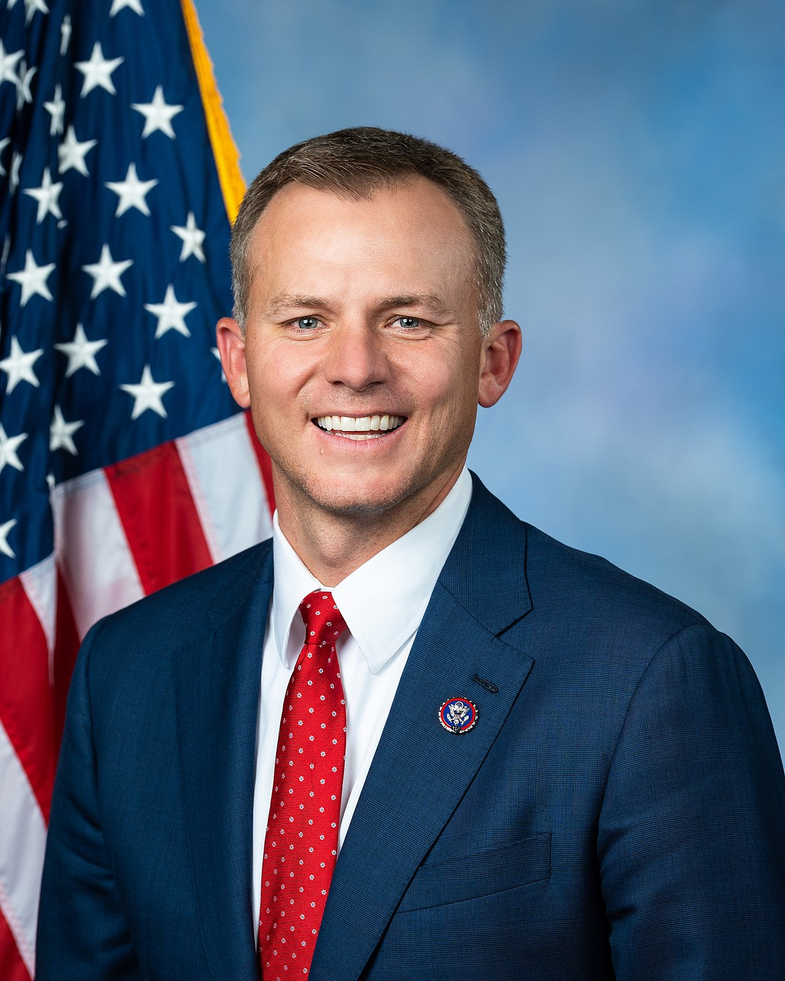
Co-Sponsor
-
TrackEleanor Holmes Norton
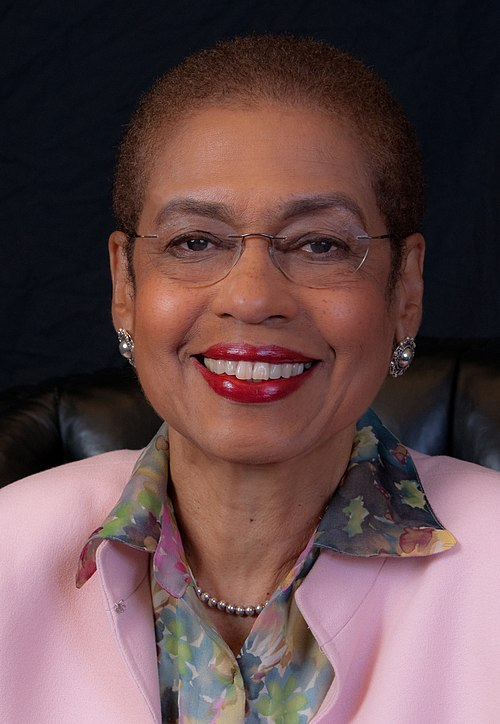
Co-Sponsor
-
TrackJimmy Panetta
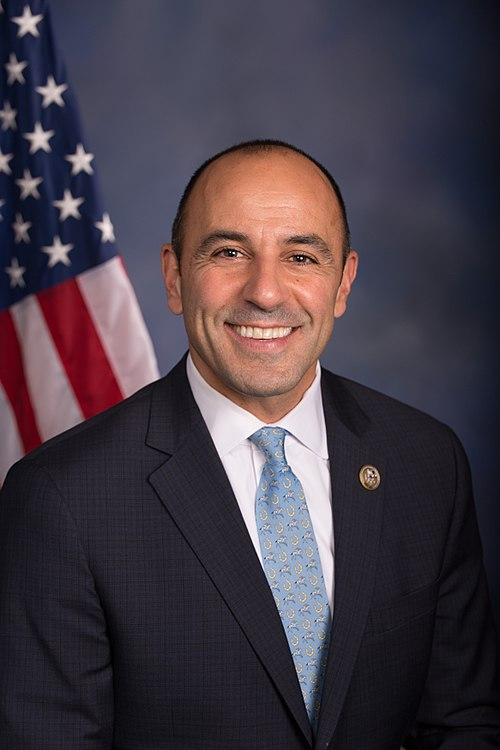
Co-Sponsor
-
TrackNellie Pou
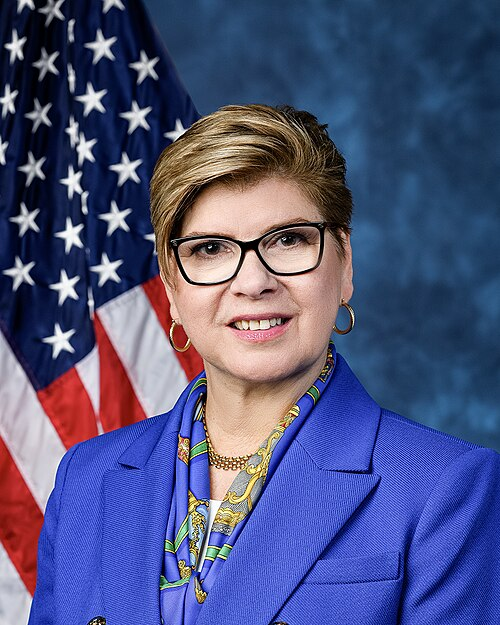
Co-Sponsor
-
TrackLuz Rivas
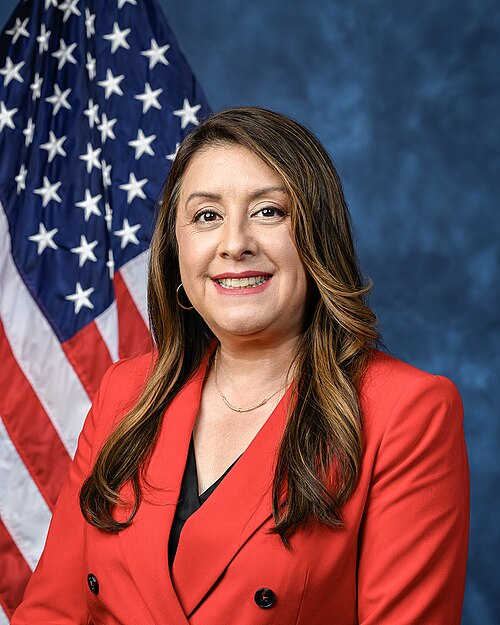
Co-Sponsor
-
TrackDavid Rouzer
Co-Sponsor
-
TrackAndrea Salinas
Co-Sponsor
-
TrackBrad Sherman
Co-Sponsor
-
TrackMelanie A. Stansbury
Co-Sponsor
-
TrackMarlin A. Stutzman
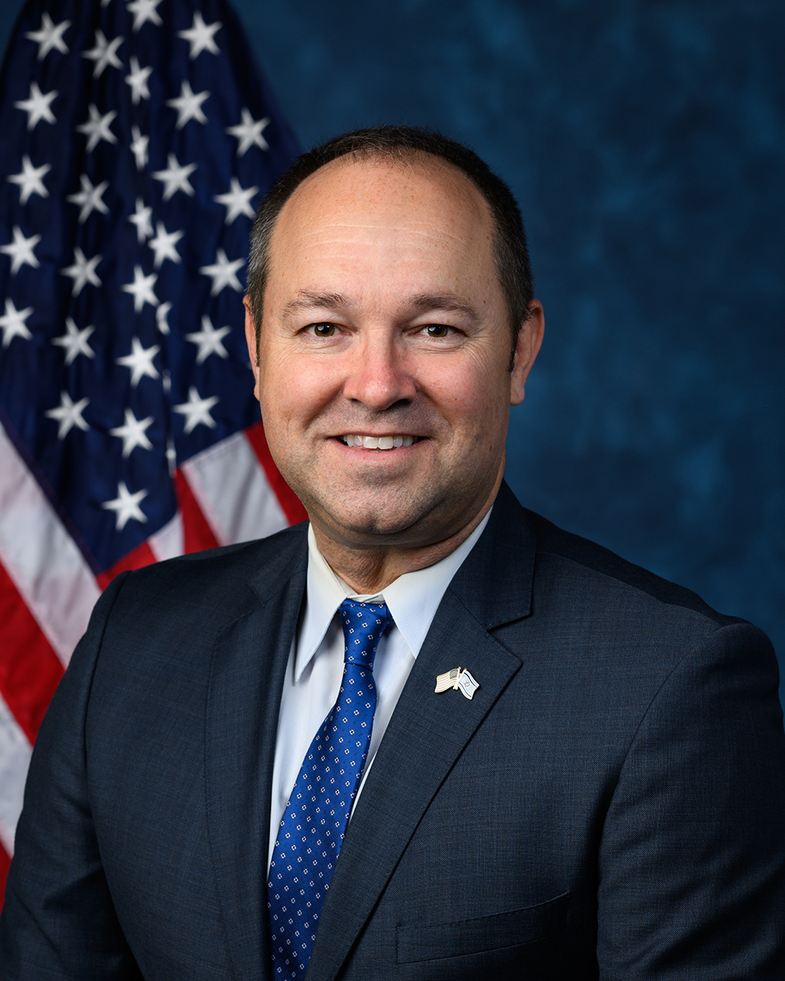
Co-Sponsor
-
TrackThomas R. Suozzi
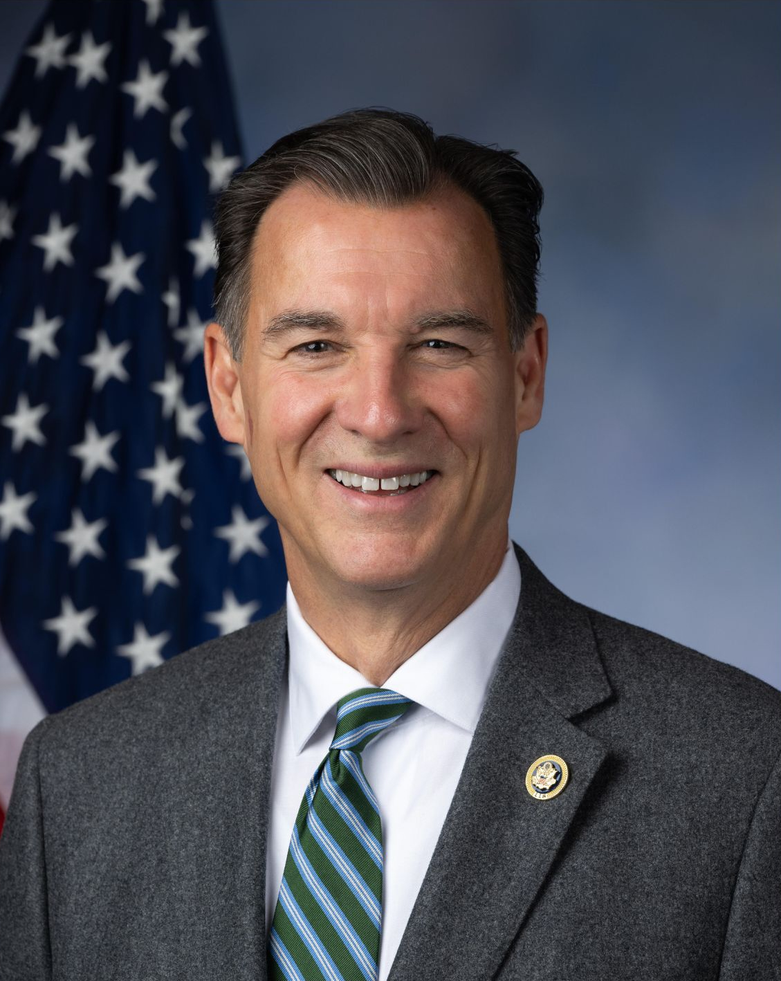
Co-Sponsor
-
TrackLinda T. Sánchez
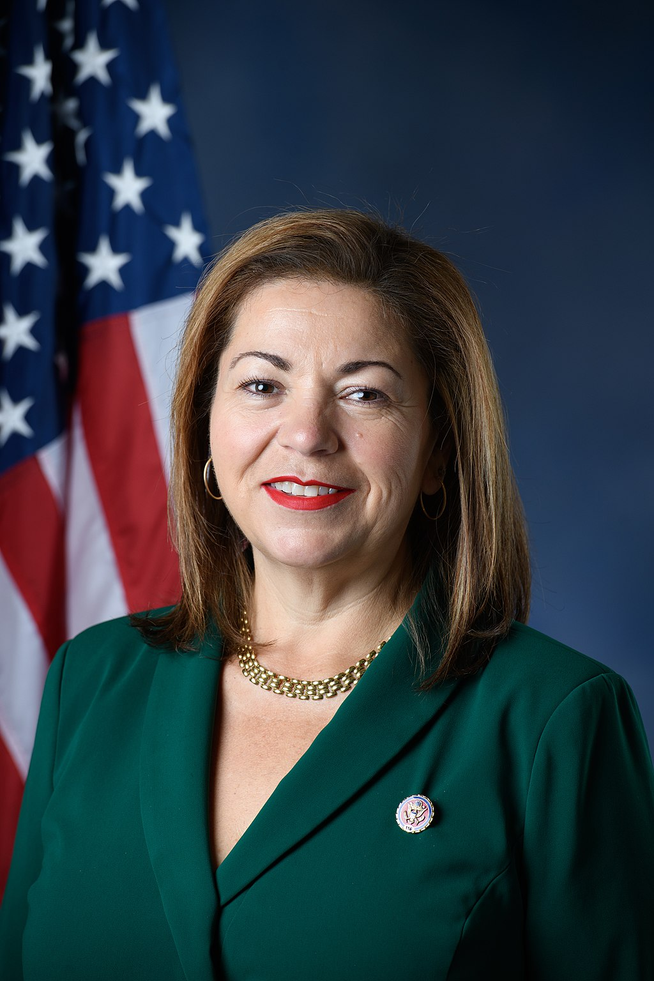
Co-Sponsor
-
TrackClaudia Tenney
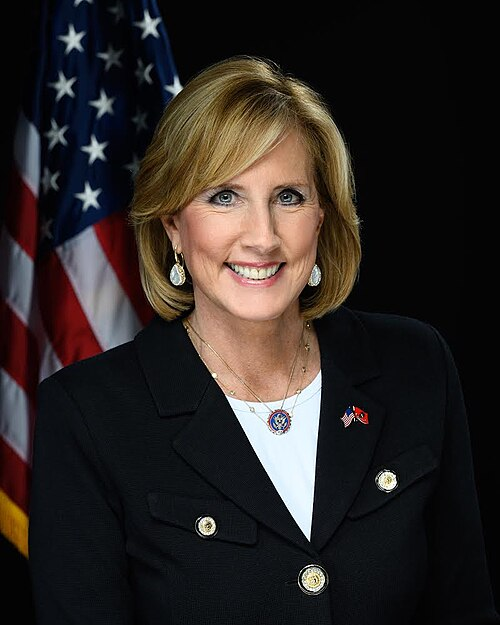
Co-Sponsor
-
TrackMaxine Waters
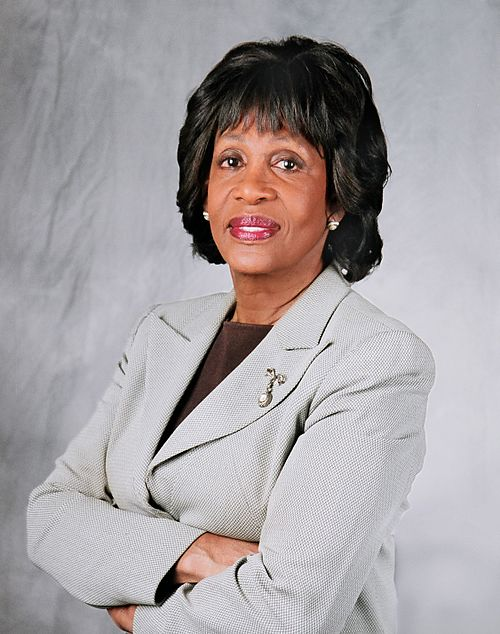
Co-Sponsor
-
TrackGeorge Whitesides
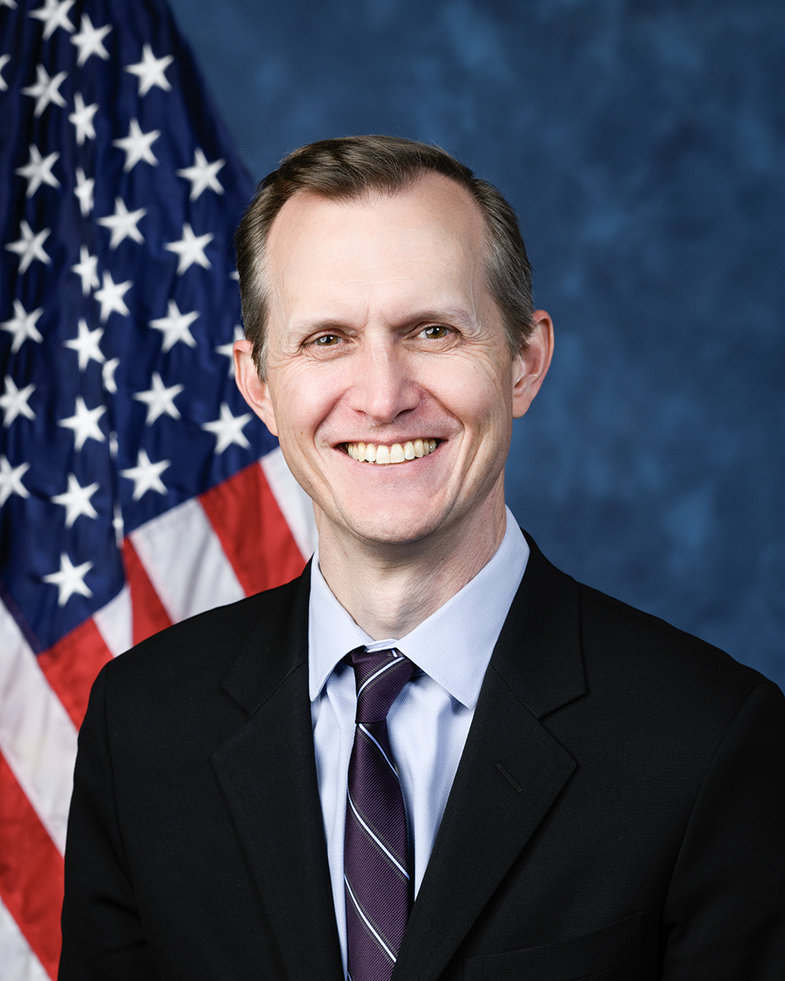
Co-Sponsor
Actions
2 actions
| Date | Action |
|---|---|
| Sep. 24, 2026 | Introduced in House |
| Sep. 24, 2026 | Referred to the House Committee on Ways and Means. |
Corporate Lobbying
0 companies lobbying
None found.
* Note that there can be significant delays in lobbying disclosures, and our data may be incomplete.