H.R. 10506: Packers and Stockyards Improvements Act
This bill would change how the Department of Agriculture enforces parts of the Packers and Stockyards Act, which is the main federal law governing competition and business practices in livestock, poultry, and meat markets.
Expanded enforcement tools
The bill would give the Secretary of Agriculture the power to use civil investigative demands when investigating possible violations. That means USDA could require a person or company to turn over documents, records, data files, physical items, written answers, or oral testimony before a formal enforcement case is filed.
The bill sets out procedures for how these demands would work, including:
- what information a demand must describe,
- how long a recipient has to respond,
- how oral testimony would be taken and recorded,
- how service of the demand would be made, and
- how the government could go to federal court to enforce compliance if someone refuses to respond.
It also allows the recipient to ask USDA to modify or set aside the demand within a short time period, and it provides rules for confidentiality of materials obtained through the process.
Live poultry dealers would be covered more directly
The bill would explicitly extend certain Packers and Stockyards Act enforcement provisions to live poultry dealers as well as packers. It would also repeal some existing sections and renumber others so that the law’s structure fits the new provisions.
More routine data sharing between agencies
The bill would require livestock data collected by USDA under the Agricultural Marketing Act to be shared on a regular basis with:
- USDA employees responsible for enforcing the Packers and Stockyards Act, and
- Commodity Futures Trading Commission employees responsible for enforcing the Commodity Exchange Act.
The stated purpose is to help monitor possible violations of those laws.
Whistleblower protections
The bill would add protections for employees, contractors, subcontractors, and agents who report possible violations of the Packers and Stockyards Act or assist in related investigations or proceedings. Employers would be prohibited from firing, demoting, harassing, blacklisting, intimidating, or otherwise retaliating against such individuals for protected reporting or cooperation.
A worker who believes they were retaliated against could file a complaint with the Department of Labor. If the department does not issue a final decision within 180 days, and the delay is not the worker’s fault, the worker could go to federal court. Available remedies could include reinstatement, back pay, compensation for losses and legal costs, and punitive damages up to $400,000 in some cases.
New definitions of unfair practices
The bill would add a new section defining certain conduct in livestock, poultry, and meat markets as unfair practices under the Packers and Stockyards Act. In general, it would treat as unfair practices certain acts by packers, swine contractors, and live poultry dealers that are:
- collusive, coercive, predatory, restrictive, deceitful, or exclusionary, and may harm competition; or
- likely to cause substantial injury that the affected market participant cannot reasonably avoid and that the company cannot justify with offsetting benefits.
It also lists several specific practices that would count as unfair, including:
- using comparisons among poultry growers to lower compensation or create excessive variation in pay,
- using highly variable price terms in livestock or meat contracts based on other transactions with too little specificity or too few reference transactions,
- requiring a livestock producer to deal exclusively or nearly exclusively with one packer unless there is a workable livestock exchange option,
- not fully compensating producers for delays in picking up livestock beyond seven days after pricing,
- terminating poultry growing arrangements or swine production contracts without fully paying for debt or investments tied to the arrangement, and
- failing to fully compensate livestock producers for added costs and lower prices caused by closure of a processing plant, for up to seven years in some circumstances.
Relevant Companies
- TSN — Tyson Foods could be affected because it operates in poultry, beef, and pork processing and would fall within the kinds of packer and poultry-dealer practices covered by the bill.
- HRL — Hormel Foods could be affected through its meat operations, depending on how contract and pricing practices are applied in the livestock and meat markets.
- WMT — Walmart is not a direct regulated entity under the bill, but could be indirectly affected if supply or pricing conditions in meat and poultry markets change.
- COST — Costco could be indirectly affected through meat and poultry sourcing and pricing, though it would not be the main target of the bill.
This is an AI-generated summary of the bill text. There may be mistakes.
Sponsors
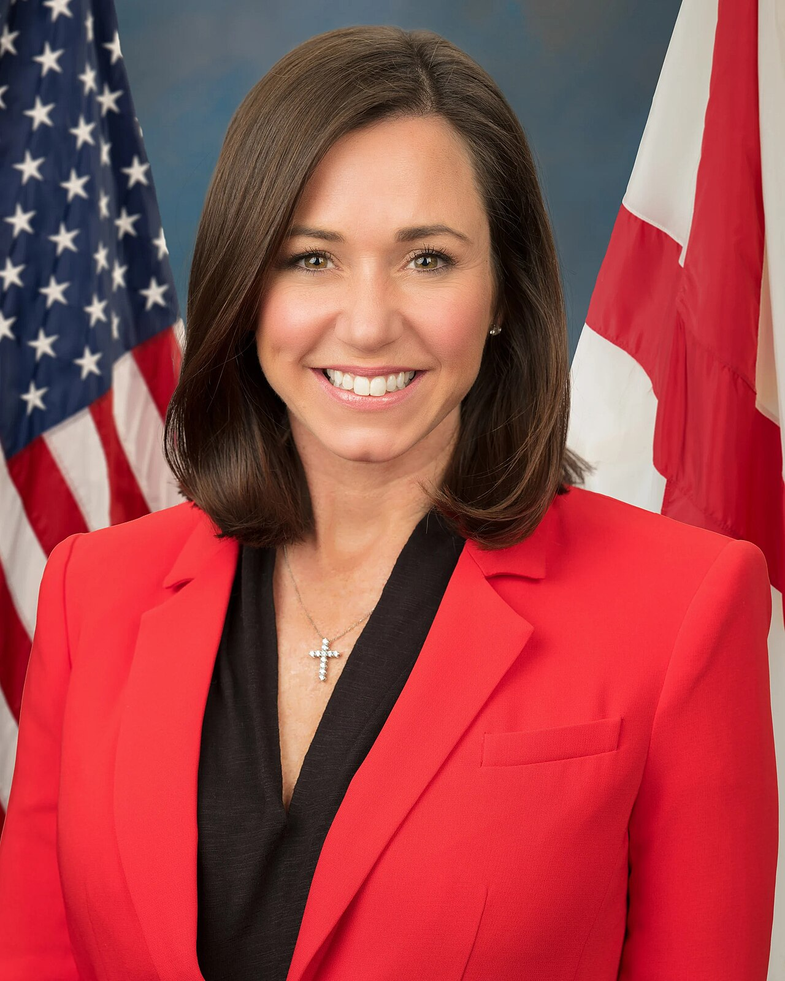
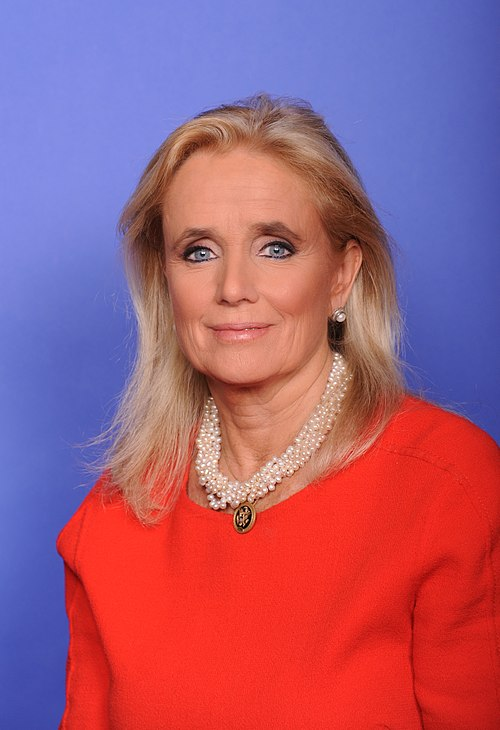
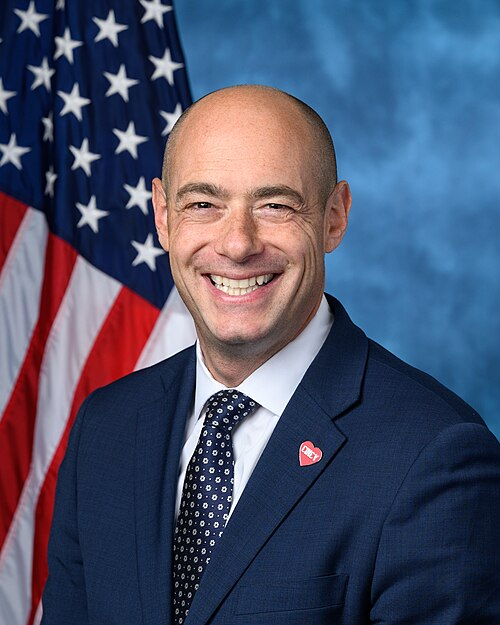
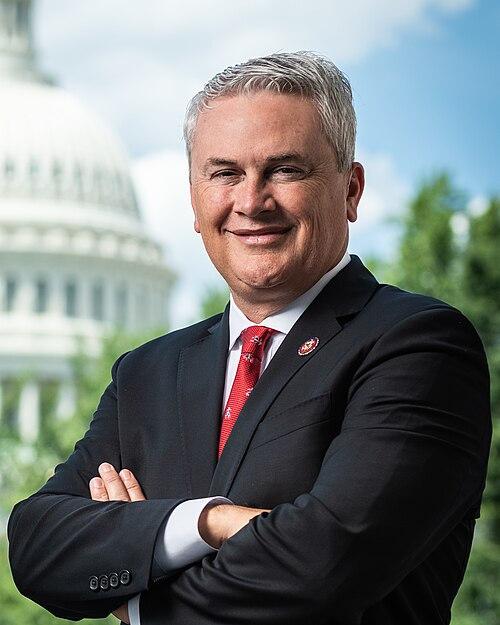
1 sponsor
Actions
2 actions
| Date | Action |
|---|---|
| Sep. 17, 2026 | Introduced in House |
| Sep. 17, 2026 | Referred to the House Committee on Agriculture. |
Corporate Lobbying
0 companies lobbying
None found.
* Note that there can be significant delays in lobbying disclosures, and our data may be incomplete.