H.R. 10459: Patriotic Corporations of America Act of 2026
This bill would add a set of conditions that companies must meet in order to win new federal contracts, including contracts with the Department of Defense. It would apply these rules to contracts entered into on or after the bill’s effective date, which is set retroactively to January 1, 2025 for the Defense Department provisions.
Federal contract rules
Before awarding a federal contract, the government would have to check that the bidder meets a number of labor, tax, environmental, ownership, and disclosure requirements. These include:
- Paying workers at least the greater of $15 an hour, adjusted over time, or a wage tied to the federal minimum wage plus 10%.
- Agreeing to remain neutral toward union organizing efforts during the contract.
- Agreeing not to permanently replace workers involved in strikes or similar work stoppages.
- Showing no recent violations or settlements involving employee organizing rights.
- Providing at least 7 days each of paid sick leave, paid family and medical leave, and paid vacation per year.
- Having no recent employer-shared responsibility penalty under the Affordable Care Act employer mandate.
- Submitting plans for workplace safety and for dealing with natural disasters or health crises, including emergency evacuation, protective equipment, medical aid, whistleblower protections, and treatment of essential workers.
- Submitting a plan to recruit and promote people of color, women, LGBTQ+ people, people with disabilities, and veterans.
- For contracts over $100 million, submitting a plan to address child care needs of the workforce.
- For larger contracts, publicly disclosing political contributions, including to Super PACs and certain nonprofit groups.
Environmental and tax rules
The bill would also bar contracts for companies that, within the last five years, paid or settled certain Environmental Protection Agency-related penalties above $100,000. It would require bidders to:
- Have headquarters in the United States.
- Have federal income tax liability that exceeds their tax credits, with certain exceptions.
- Not be treated as an expatriated entity or surrogate foreign corporation.
- Disclose financial and tax information on a country-by-country basis.
Private equity-related limits
If a private equity firm controls the contractor, the bill adds more restrictions. The contractor would have to disclose parent companies and controlling investors, and it would have to agree not to engage in several financial practices during the contract, such as:
- Dividend recapitalizations.
- Large dividend payments above a set debt-based threshold.
- Dividend payments while pensions are underfunded.
- Selling real estate and leasing it back.
- Transferring assets to related companies without approval.
The controlling private equity firm would also have to stop charging management and monitoring fees during the contract. In some cases, a violation by one company controlled by the same private equity firm could lead to a five-year ban on federal contracting for other controlled companies.
Market competition rules
The bill says federal contract money should not be used in ways that facilitate market consolidation. It would require contractors to promise not to buy rivals if the acquisition would likely reduce competition or create a monopoly for a period after the contract ends. A violation could lead to a five-year ban from bidding on covered contracts.
Contract preferences
The bill would also create a preference system. Agencies would give more preference to bidders that meet more of the listed conditions, including:
- A pay ratio of no more than 100-to-1.
- No outsourcing of jobs outside the United States.
- At least one employee-elected board seat, if the company has a board.
- A portable pension contribution equal to at least 5% of payroll.
- A plan to give employees stock until they own at least 20% of the company.
- A collective bargaining agreement.
- At least 40% women and people of color among top executives, and on the board if there is one.
- Public disclosure of workforce demographics and pay gaps.
- Affirmative action programs for apprenticeships.
- Steps to help certain workers with disabilities move into competitive integrated employment.
- A five-year ban on stock buybacks.
- A workforce child care plan.
- A climate impact assessment and steps to reduce negative climate effects.
- Rules for labeling AI-generated content.
- Controls preventing AI tools from being used to spread election misinformation, create sexual material about someone without consent, or conduct workplace surveillance.
- Compliance with the NIST AI Risk Management Framework.
Defense Department contracts
The bill would apply similar rules specifically to Department of Defense contracts, with some differences in the paid leave requirements and AI disclosure rules. The Defense Department version also requires the contractor to avoid certain labor violations, environmental penalties, tax-avoidance structures, and private-equity practices, and it creates a similar contracting preference system for companies that meet more of the listed standards.
Relevant Companies
- LDOS - Defense contractor firms could be affected if they seek or hold federal contracts and need to meet the bill’s labor, disclosure, and ownership rules.
- HII - Large defense contractors would need to comply with the added Department of Defense contracting requirements.
- LMT - Companies doing significant federal defense work could face changes to bidding conditions and contract compliance obligations.
- NOC - Defense suppliers and primes could be directly affected by the new contracting rules and preferences.
- GD - Federal procurement requirements could affect how this company bids on and structures government contracts.
- BA - Government contracting, especially defense-related work, could be impacted by the bill’s labor, tax, and disclosure conditions.
This is an AI-generated summary of the bill text. There may be mistakes.
Sponsors
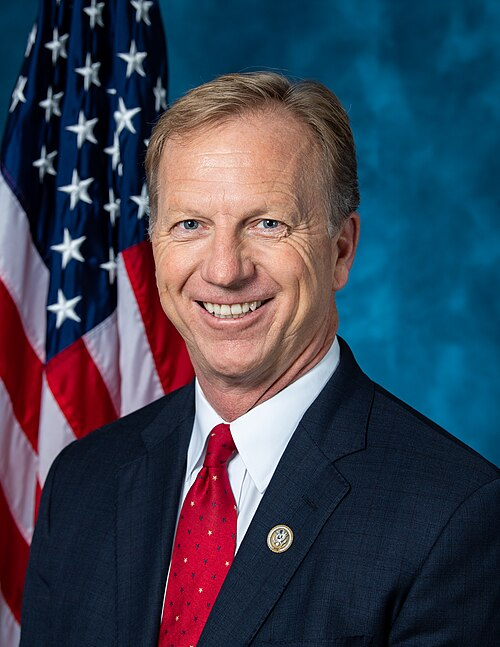
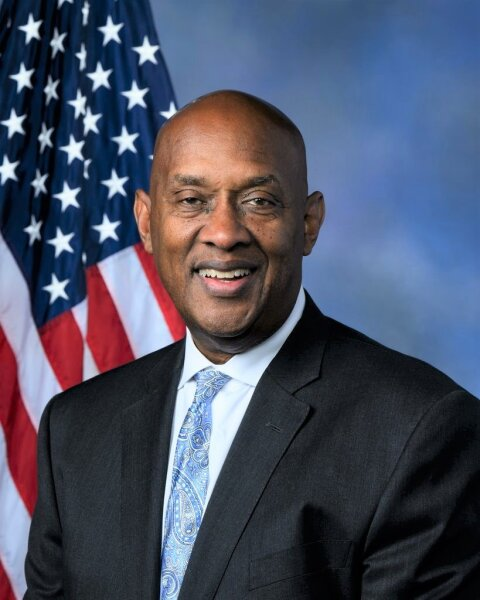
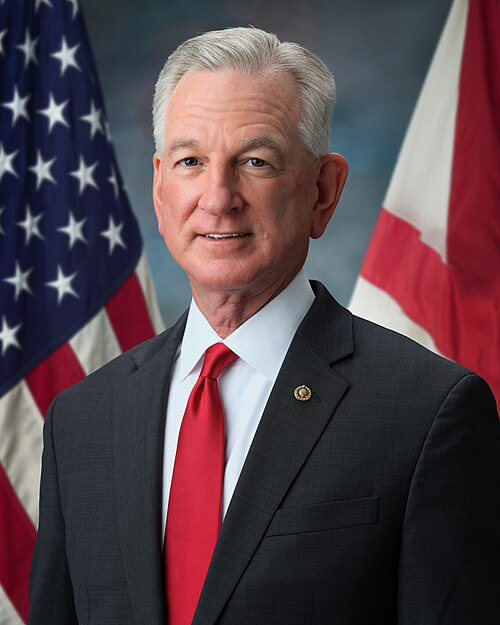
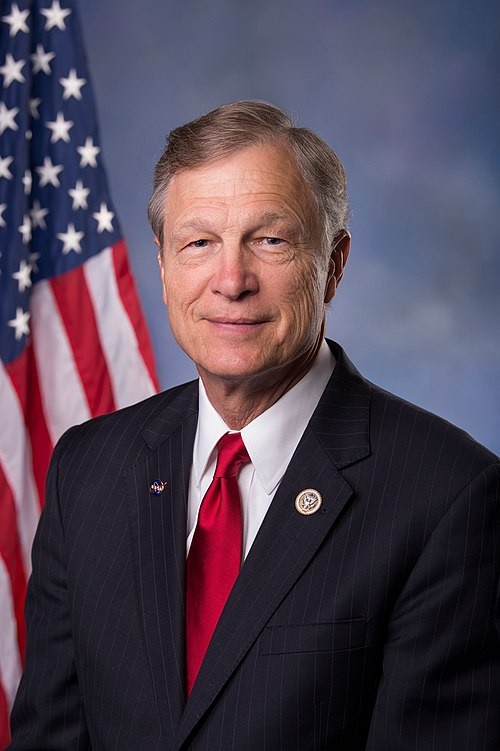
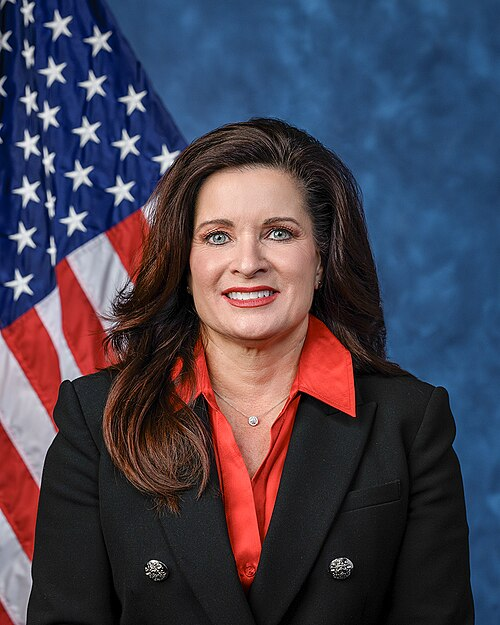
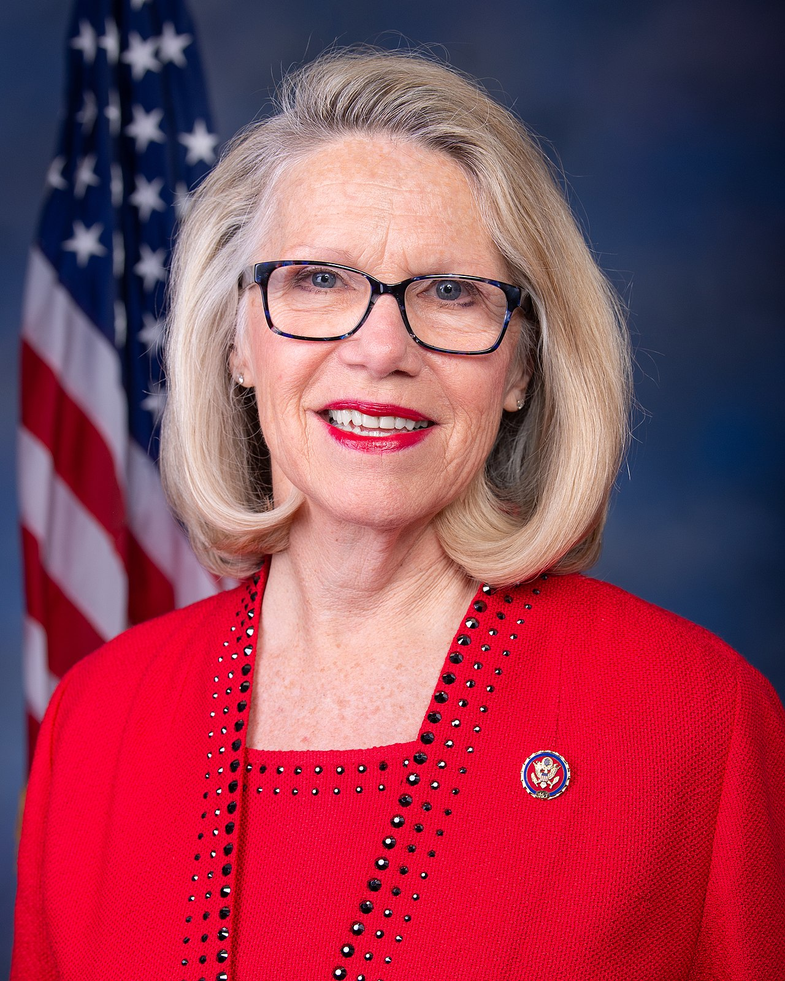
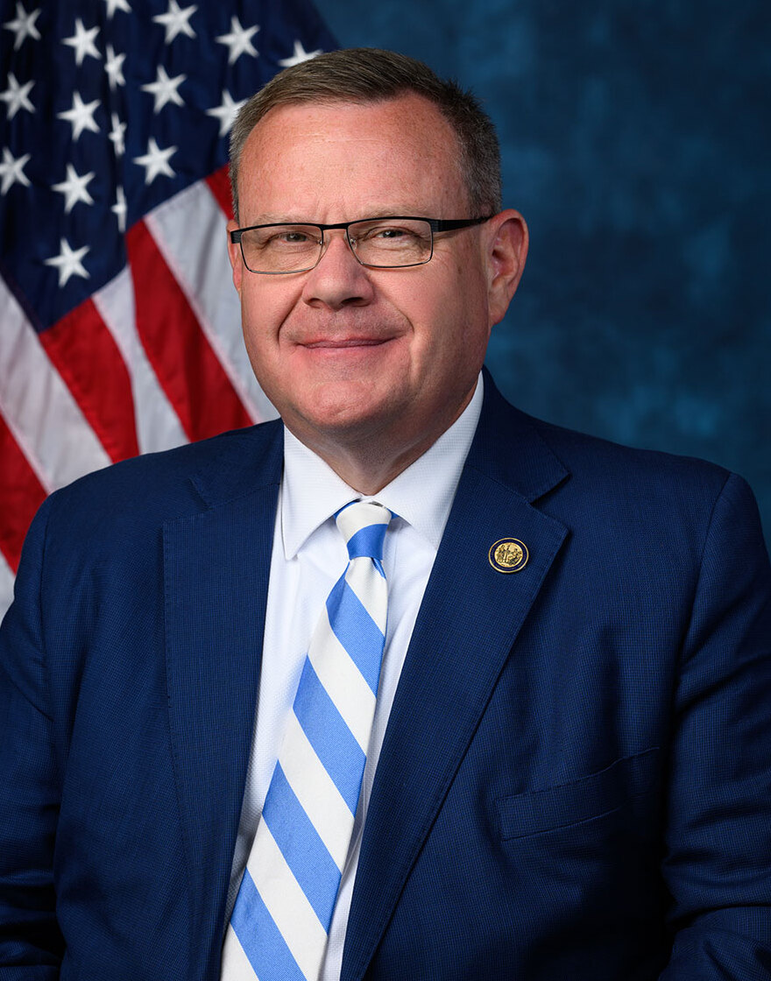
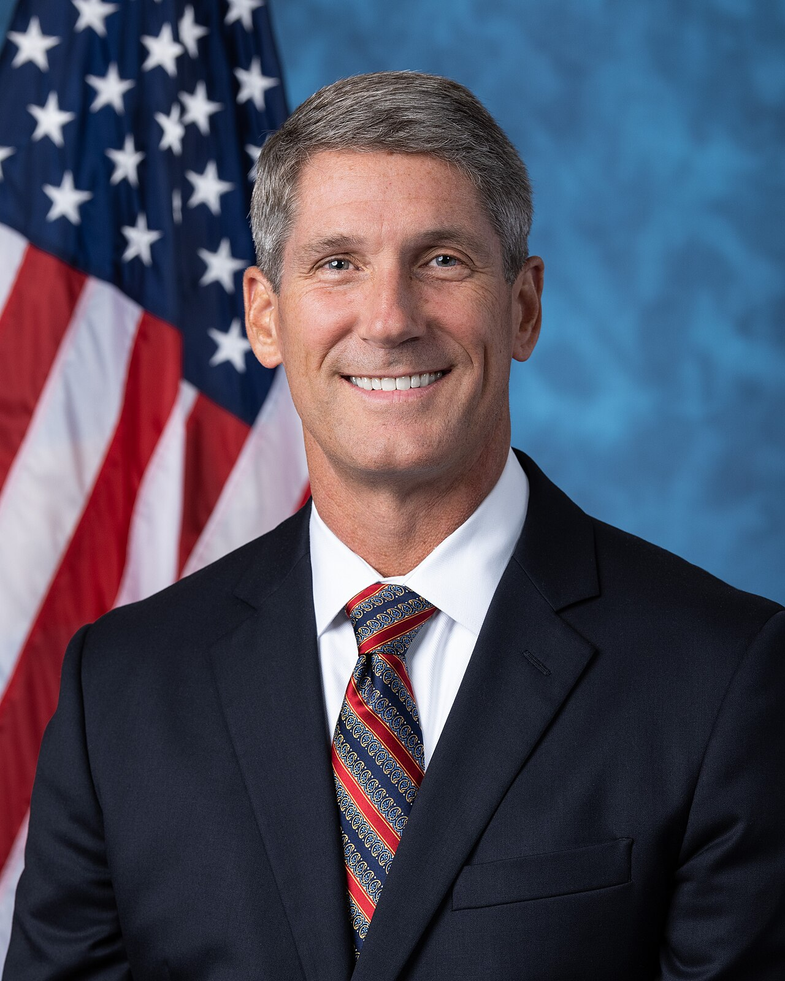
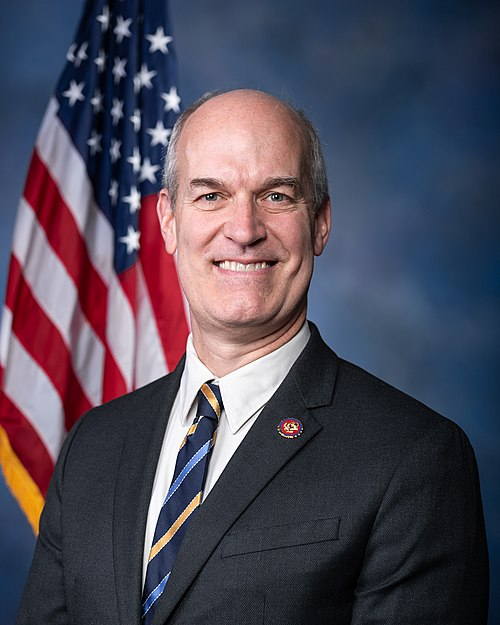
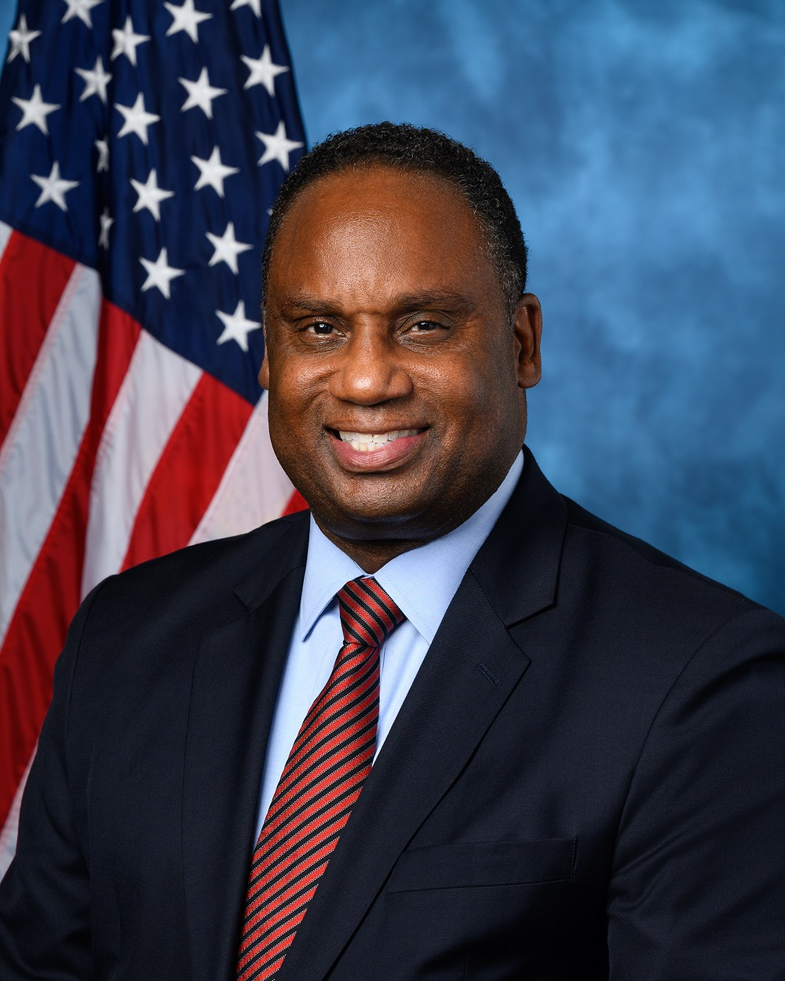
2 bill sponsors


Actions
2 actions
| Date | Action |
|---|---|
| Sep. 16, 2026 | Introduced in House |
| Sep. 16, 2026 | Referred to the Committee on Oversight and Government Reform, and in addition to the Committee on Armed Services, for a period to be subsequently determined by the Speaker, in each case for consideration of such provisions as fall within the jurisdiction of the committee concerned. |
Corporate Lobbying
0 companies lobbying
None found.
* Note that there can be significant delays in lobbying disclosures, and our data may be incomplete.