H.R. 10249: Kids Safety on Set Act of 2026
This bill would require certain people working on entertainment projects to pass a criminal background check if their role involves supervising minors or having frequent or private interaction with minors who are not their own children or legal wards.
What the background check would cover
The check would have to be completed within 90 days before the person starts work, or before they receive an ownership interest in the project. It would use fingerprint-based screening, such as Live Scan or an equivalent FBI check. The screening would look only for offenses involving:
- violence
- sex offenses
- stalking
- offenses involving minors
The entertainment industry entity would have to pay the cost, and the bill caps the cost at $100 per background check.
Who would be covered
The bill defines an “entertainment industry entity” broadly. It includes organizations that create, produce, promote, or distribute entertainment works such as:
- live and recorded theater
- dance
- music
- fashion productions
- motion pictures
- live and recorded television, including unscripted shows and commercials
- certain video games
- recorded video content monetized through streaming subscriptions or online ads
The bill says it does not apply to entities that solely produce journalism. It also says it would not apply to works released under a Creative Commons license.
What “supervisory” or “private interaction” means
The bill would apply to people whose jobs give them authority over minors or require close contact with them. It defines “compulsory authority” broadly to include authority that comes from a person’s position, title, ownership stake, or public status that could compel a minor to act. It also defines “supervisory duties” as duties requiring someone to supervise a minor’s activities.
Penalties for noncompliance
If an entertainment industry entity has an employee who is in violation of the background-check requirement, the Attorney General could seek:
- a civil penalty of up to twice the total cost of the project production activity involving that employee
- an immediate temporary restraining order to stop that production activity
- follow-up injunctions to keep the activity halted until the person is no longer in violation or is removed from the project
The bill also says that if the person violating the rule has more than a 2% beneficial ownership stake in the project, their investor rights and any right to be physically present during production would be revoked.
Relevant Companies
- CMCSA — Comcast, including NBCUniversal, could be affected through film, TV, and entertainment productions that use minors.
- DIS — Disney could be affected through its film, television, streaming, and related production operations involving minors.
- NFLX — Netflix could be affected through productions and original content that involve minors and on-set supervision.
- WBD — Warner Bros. Discovery could be affected through film and television production activities involving minors.
- PARA — Paramount Global could be affected through film and television productions that use minors.
- SONY — Sony Group’s film and television businesses could be affected if productions involve minors.
This is an AI-generated summary of the bill text. There may be mistakes.
Sponsors
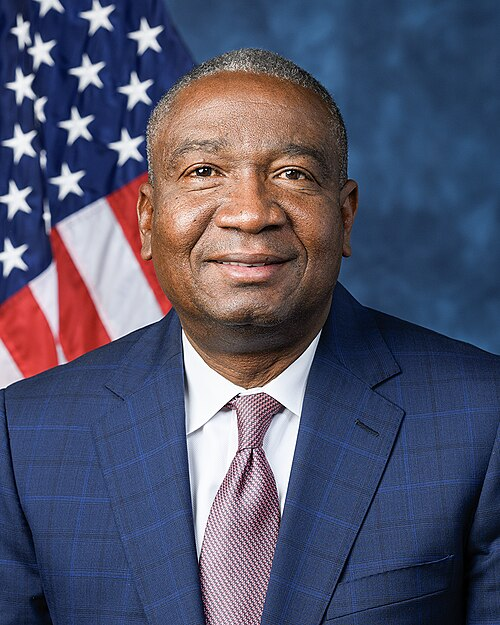
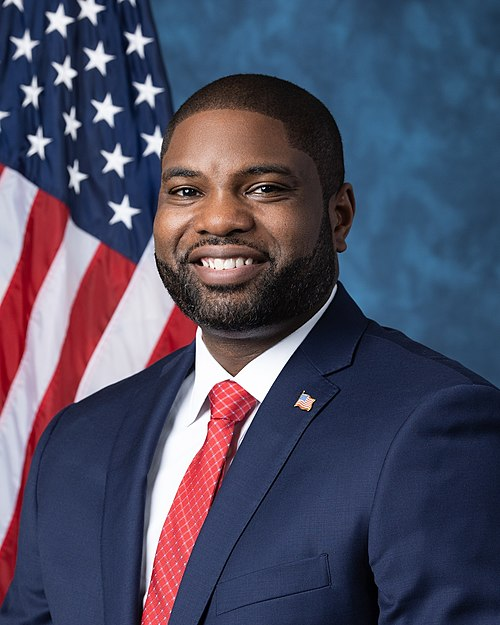
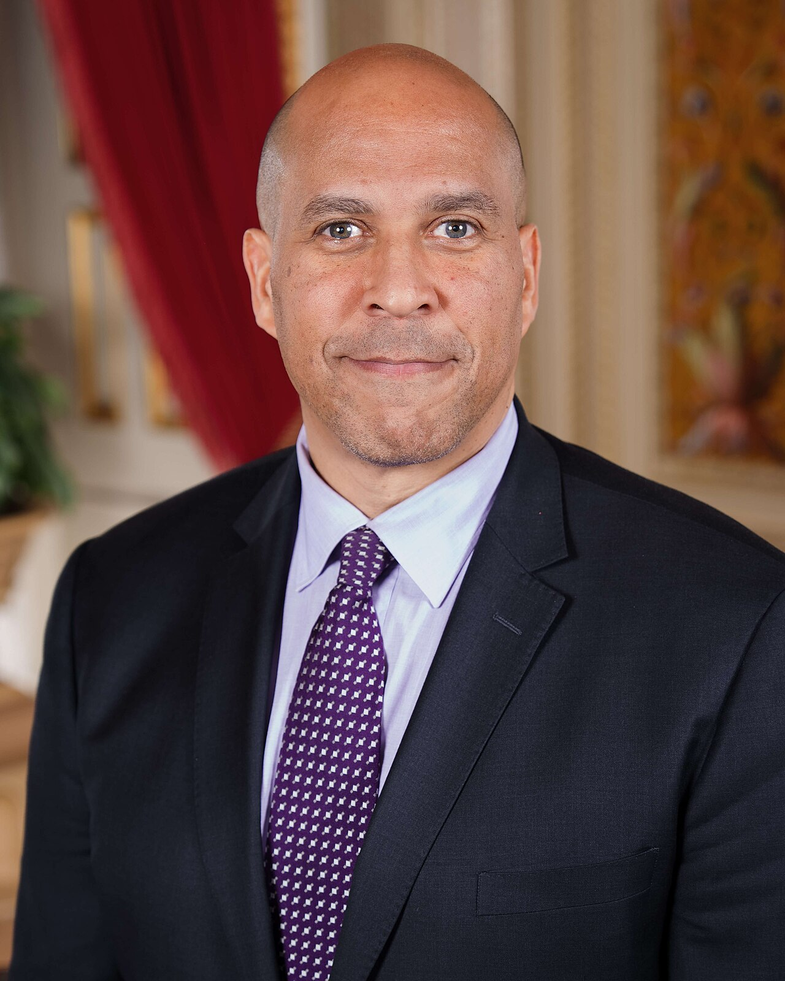
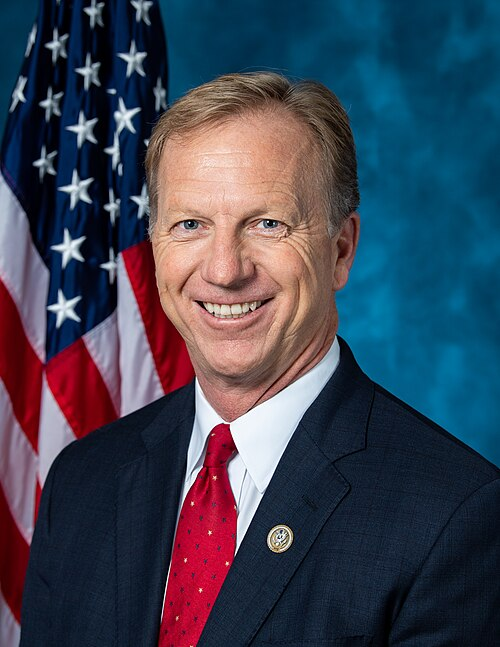
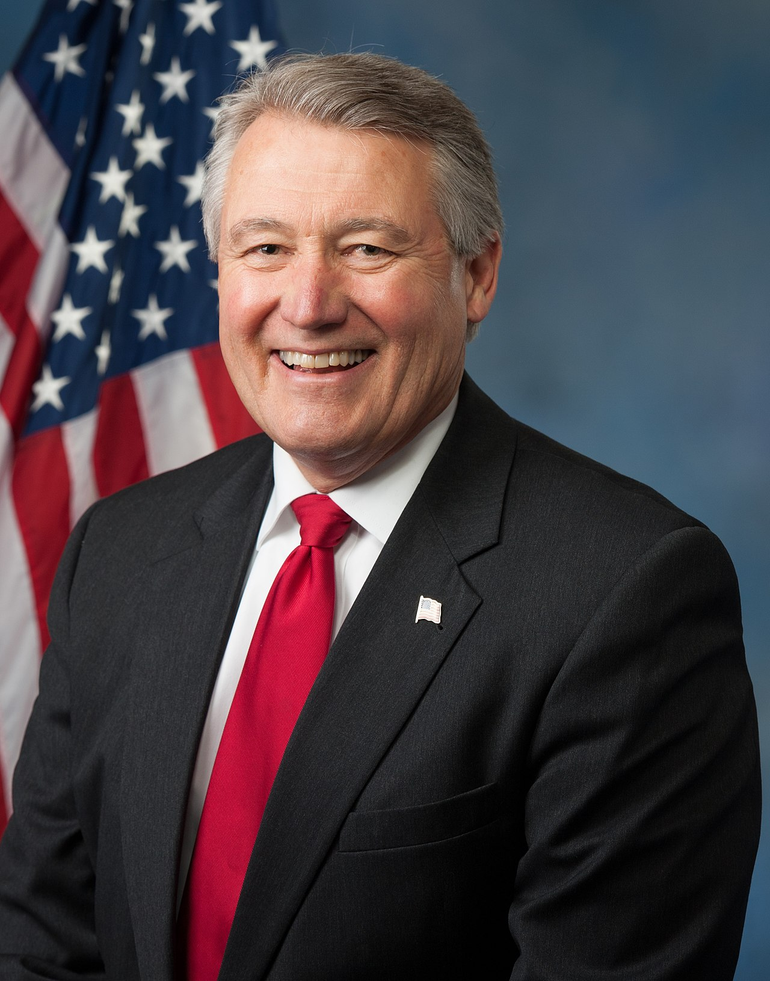
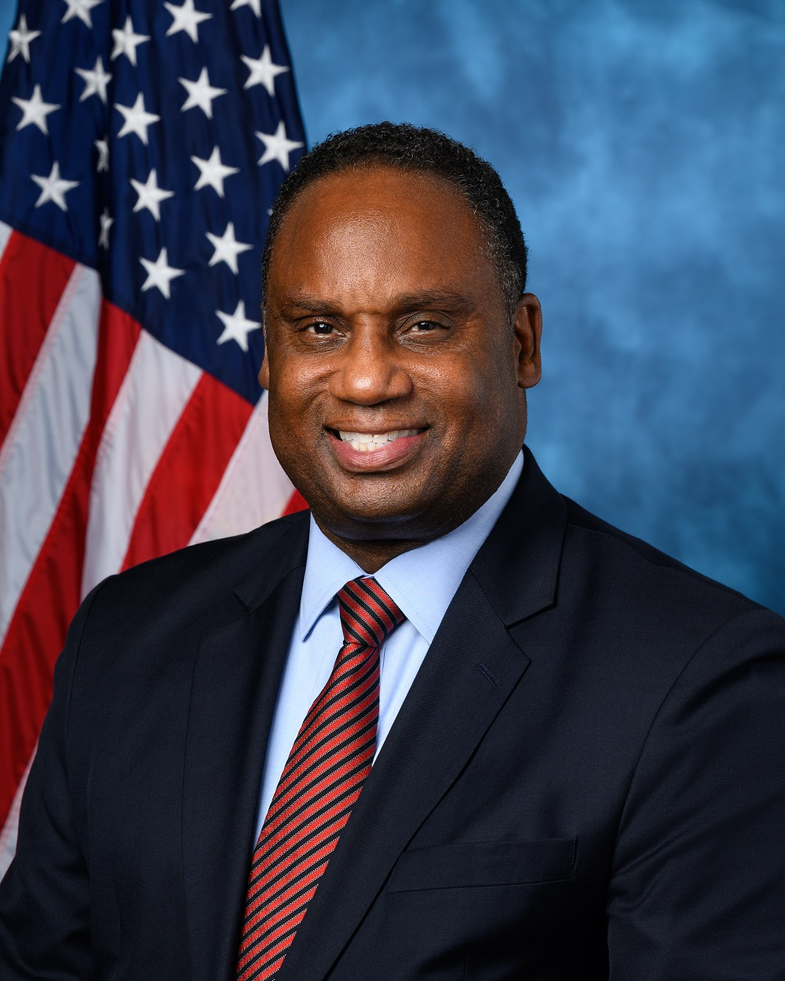
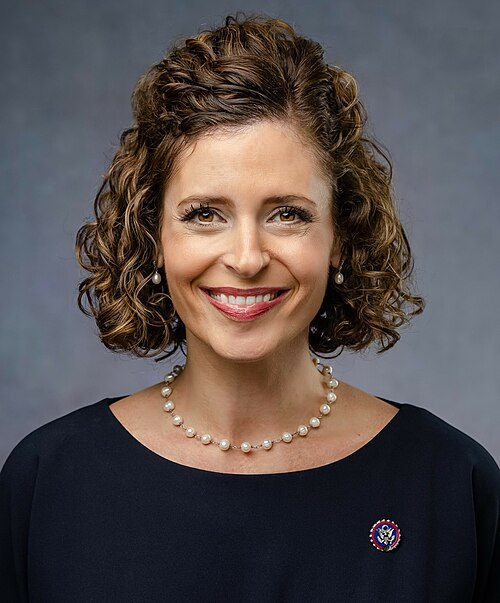
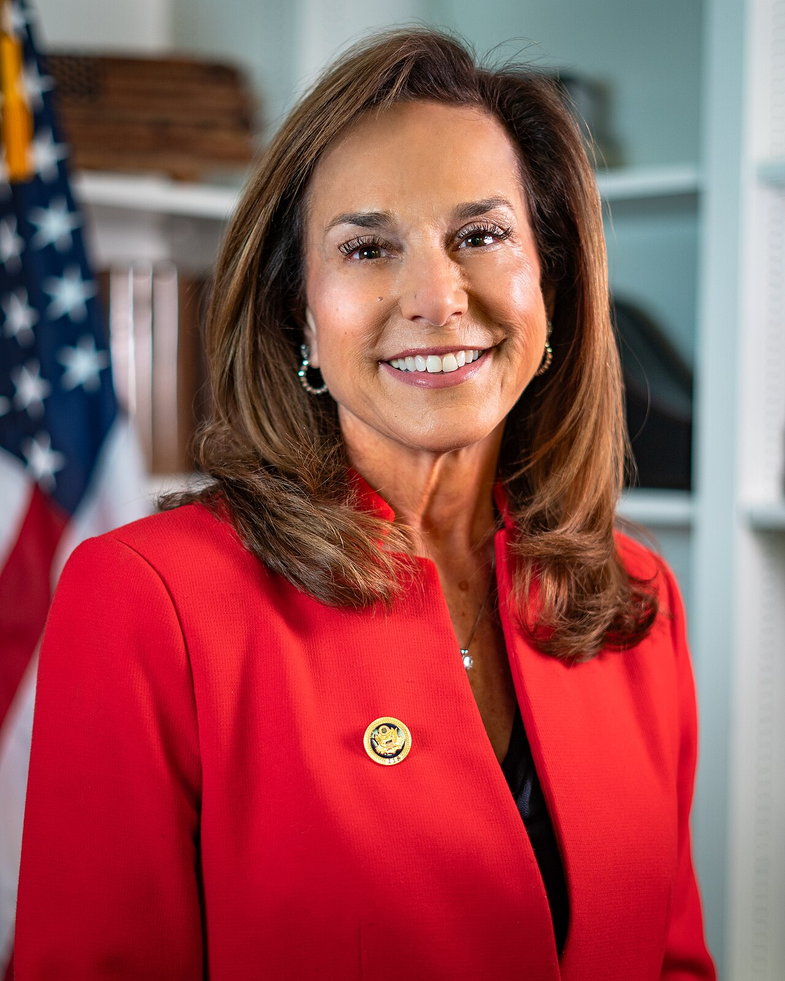
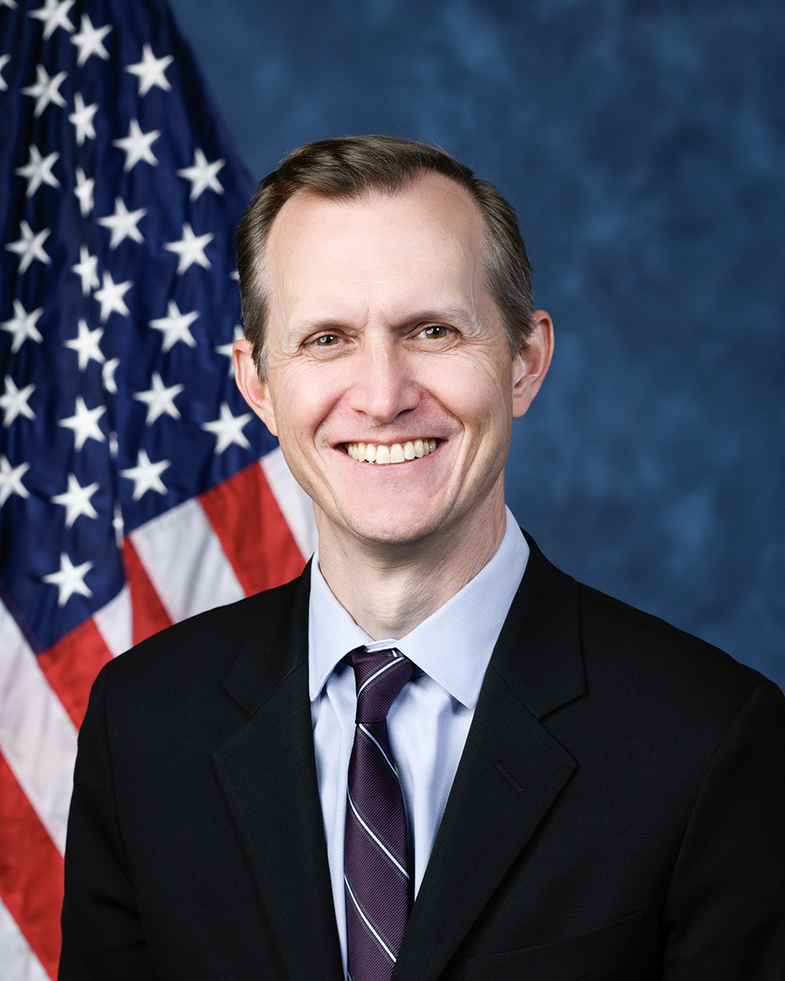
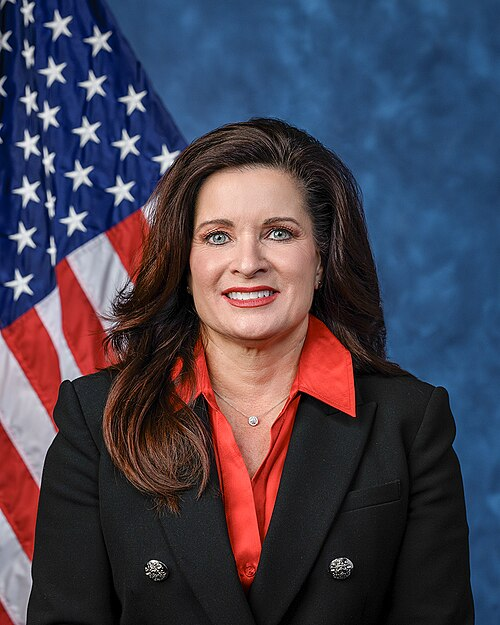
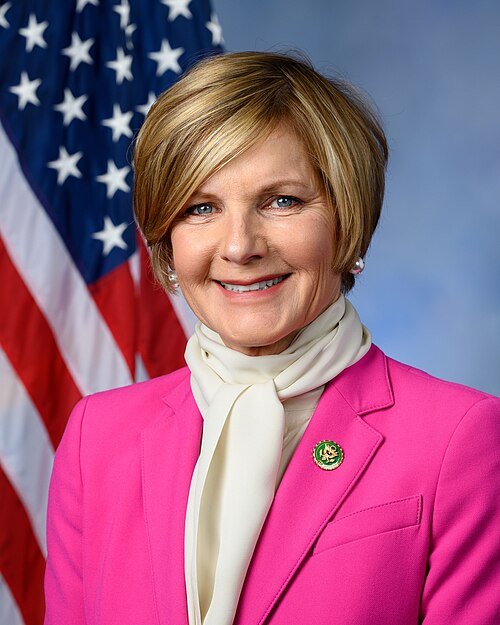
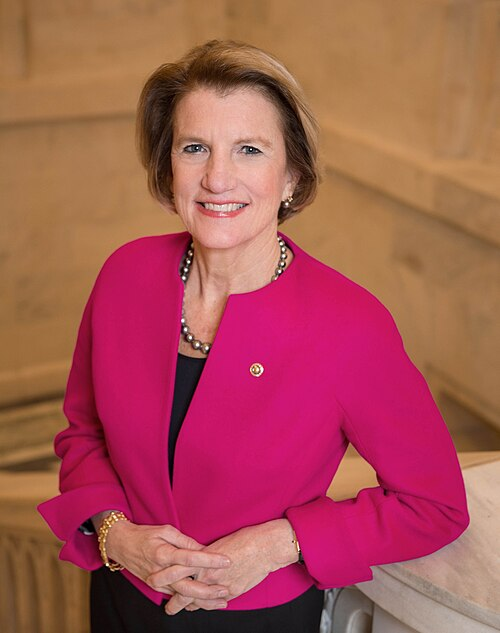
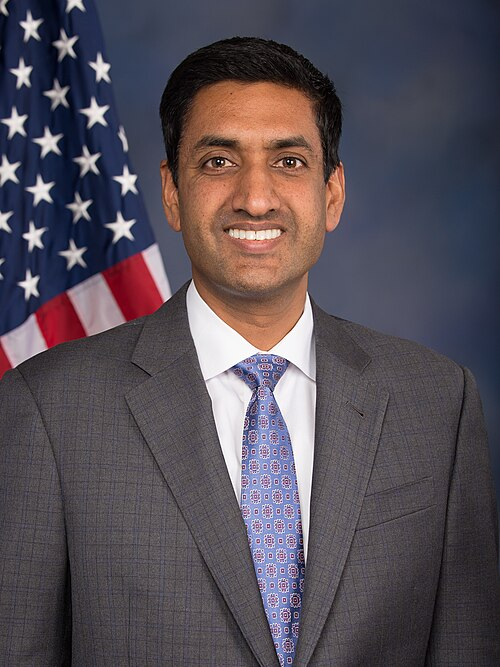
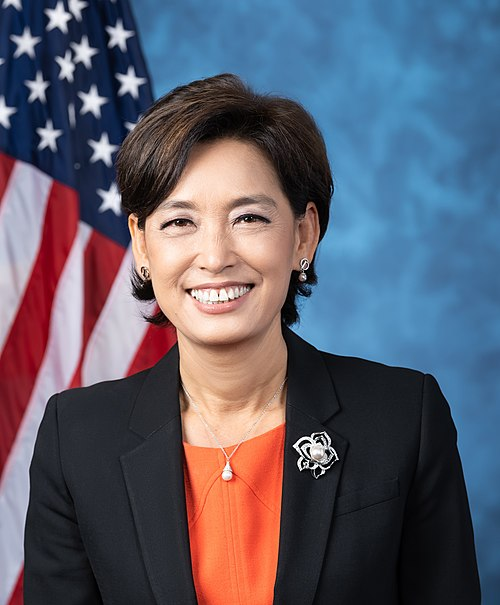
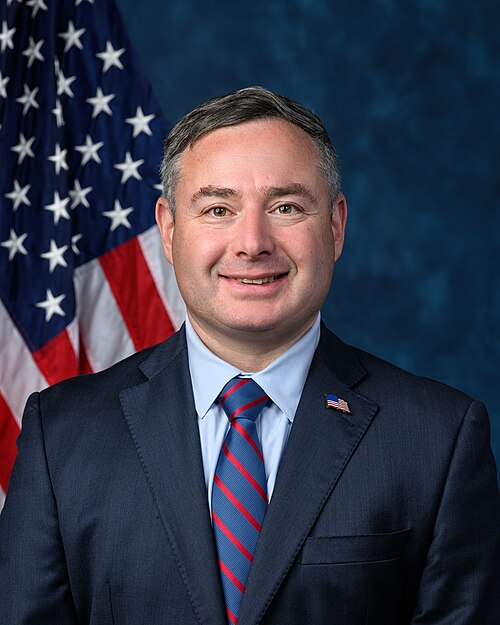
6 bill sponsors
Actions
2 actions
| Date | Action |
|---|---|
| Sep. 03, 2026 | Introduced in House |
| Sep. 03, 2026 | Referred to the House Committee on the Judiciary. |
Corporate Lobbying
0 companies lobbying
None found.
* Note that there can be significant delays in lobbying disclosures, and our data may be incomplete.