We have received text from H.R. 10466: End Energy Hardship Act. This bill was received on 2026-09-16, and currently has no cosponsors.
Here is a short summary of the bill:
This bill would create a new Department of Energy program aimed at making electric and natural gas bills more affordable for households with low incomes, and at reducing unpaid utility balances for residential customers.
What the program would do
The Secretary of Energy would be required to run a program to improve both short-term and long-term utility affordability. The program would mainly work in two phases:
- Phase 1: Within 12 months after the law takes effect, the Department of Energy would give competitive grants to electric and natural gas distribution utilities, called “eligible entities,” to pay off residential customers’ past-due balances.
- Phase 2: Starting 24 months after enactment, any remaining funding would be distributed to the same utilities based on the number of residential customers they serve, and would be passed through as equal credits to those customers.
How arrears relief would work
In Phase 1, utilities could use the money only to eliminate residential customers’ arrears, meaning unpaid or overdue utility bills. If the funding is not enough to cover all customers, the bill says utilities must prioritize:
- balances that existed before the law was enacted,
- customers with household income at or below 150% of the federal poverty level or 60% of state median income, and
- households that include someone age 60 or older, someone with a disability, a child under 6, or someone with a medical condition requiring utility service.
Requirements for participating utilities
Utilities that receive funding would have to do several things, including:
- offer a Qualified Percentage of Income Payment Program, or a similar energy affordability program approved by the Secretary of Energy, for at least 60 months;
- automatically enroll eligible customers where possible;
- stop late fees, arrears collection actions, debt sales to third parties, and service disconnections for balances expected to be covered by the funding;
- not recover those forgiven arrears from other ratepayers;
- share data and coordinate with state agencies and nonprofits that help verify income and enroll customers; and
- report to the Department of Energy on how the money is used and whether they are complying with the rules.
What a Qualified Percentage of Income Payment Program is
The bill defines this as a program for low-income customers that generally caps monthly utility charges at a fixed share of household income. Under the bill, the cap cannot exceed:
- 6% of gross household income for customers who use natural gas heating, with no more than 3% for electric service and 3% for heating service, or
- 6% of gross household income for customers who use electric heating.
The program also must help customers access related services such as home energy audits, weatherization, and other energy-efficiency assistance. It also would prohibit disconnection of enrolled customers as long as they pay the monthly amount required under the program on time.
Technical assistance and program support
The Secretary of Energy would also have to provide technical assistance to utilities, states, Indian tribes, and nonprofits to help them develop, implement, and explain these affordability programs. In addition, the bill would authorize funding to help cover some of the costs of running these programs, including software and technology upgrades. For for-profit utilities, owners would have to match 10% of that support funding.
Data collection and oversight
The Energy Information Administration would be required to collect annual data from utilities on overdue balances, the number of customers in arrears, disconnections for nonpayment, and enrollment in the income-based payment programs. It would publish annual reports with this information, broken down by state and ZIP code. If the Secretary finds that a utility did not comply with the requirements, the utility could be required to repay the funding.
Funding
The bill authorizes:
- $25 billion for the arrears relief and credit payments described in Phases 1 and 2, and
- $1 billion per year for fiscal years 2027 through 2031 for technical assistance, program support, and data collection.
Relevant Companies
None found
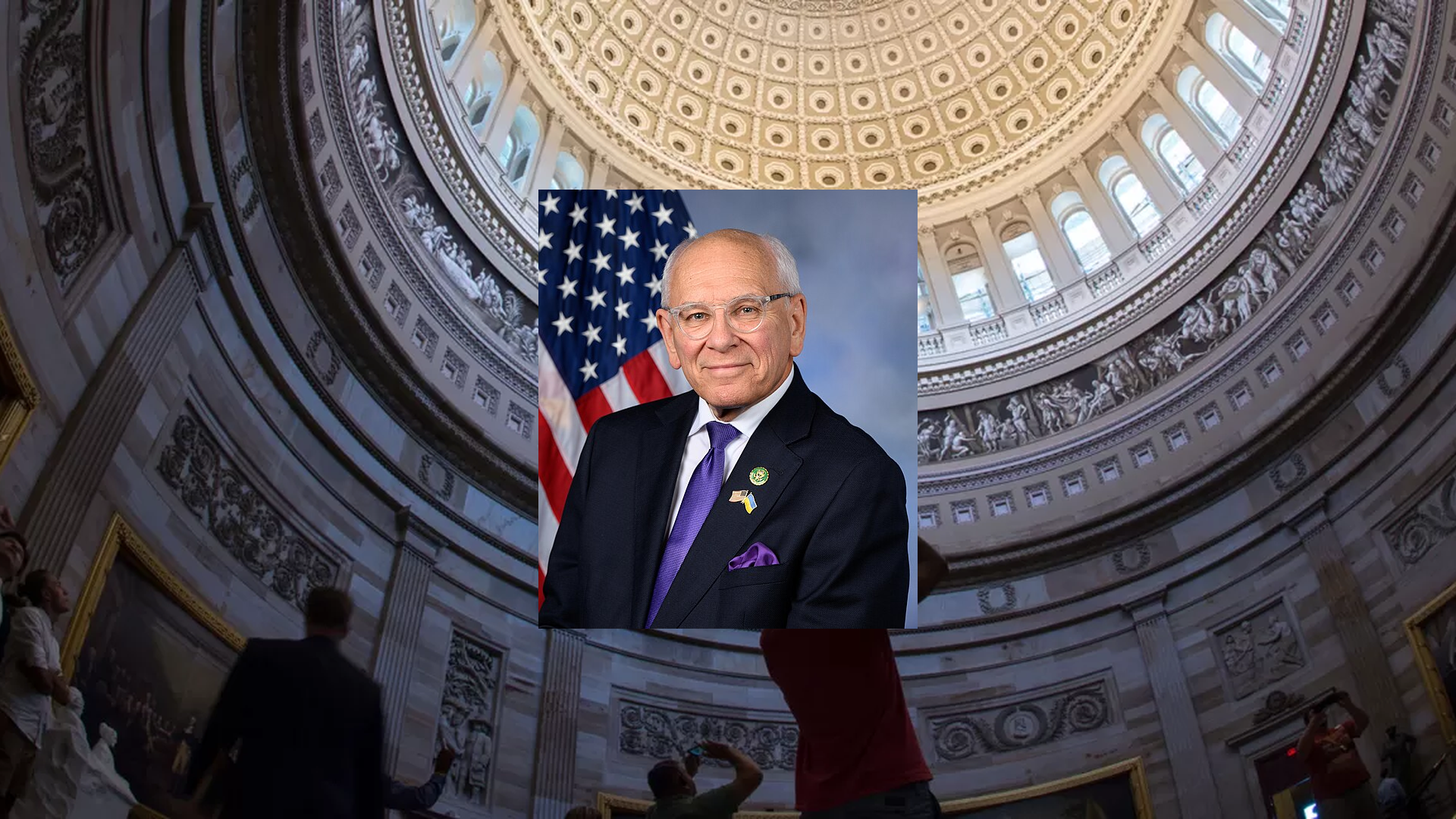
Representative Paul Tonko Bill Proposals
Here are some bills which have recently been proposed by Representative Paul Tonko:
- H.R.10611: TIME Act of 2026
- H.R.10469: Regional Energy Hubs Act of 2026
- H.R.10468: State Energy Oversight Act of 2026
- H.R.10467: Data Center Fairness Fee Act of 2026
- H.R.10466: End Energy Hardship Act
- H.R.10402: Good Energy Jobs Act of 2026
You can track bills proposed by Representative Paul Tonko on Quiver Quantitative's politician page for Tonko.
Representative Paul Tonko Net Worth
Quiver Quantitative estimates that Representative Paul Tonko is worth $32.5K, as of October 1st, 2026. This is the 482nd highest net worth in Congress, per our live estimates.
Tonko has approximately $0 invested in publicly traded assets which Quiver is able to track live.
You can track Representative Paul Tonko's net worth on Quiver Quantitative's politician page for Tonko.
2026 New York's 20th Congressional District Election
There has been approximately $1,089,095 of spending in New York's 20th congressional district elections over the last two years, per our estimates.
The rating for this race is currently "Solid D".
You can track this election on our matchup page for the 2026 New York's 20th congressional district election.
This article is not financial advice. See Quiver Quantitative's disclaimers for more information.