
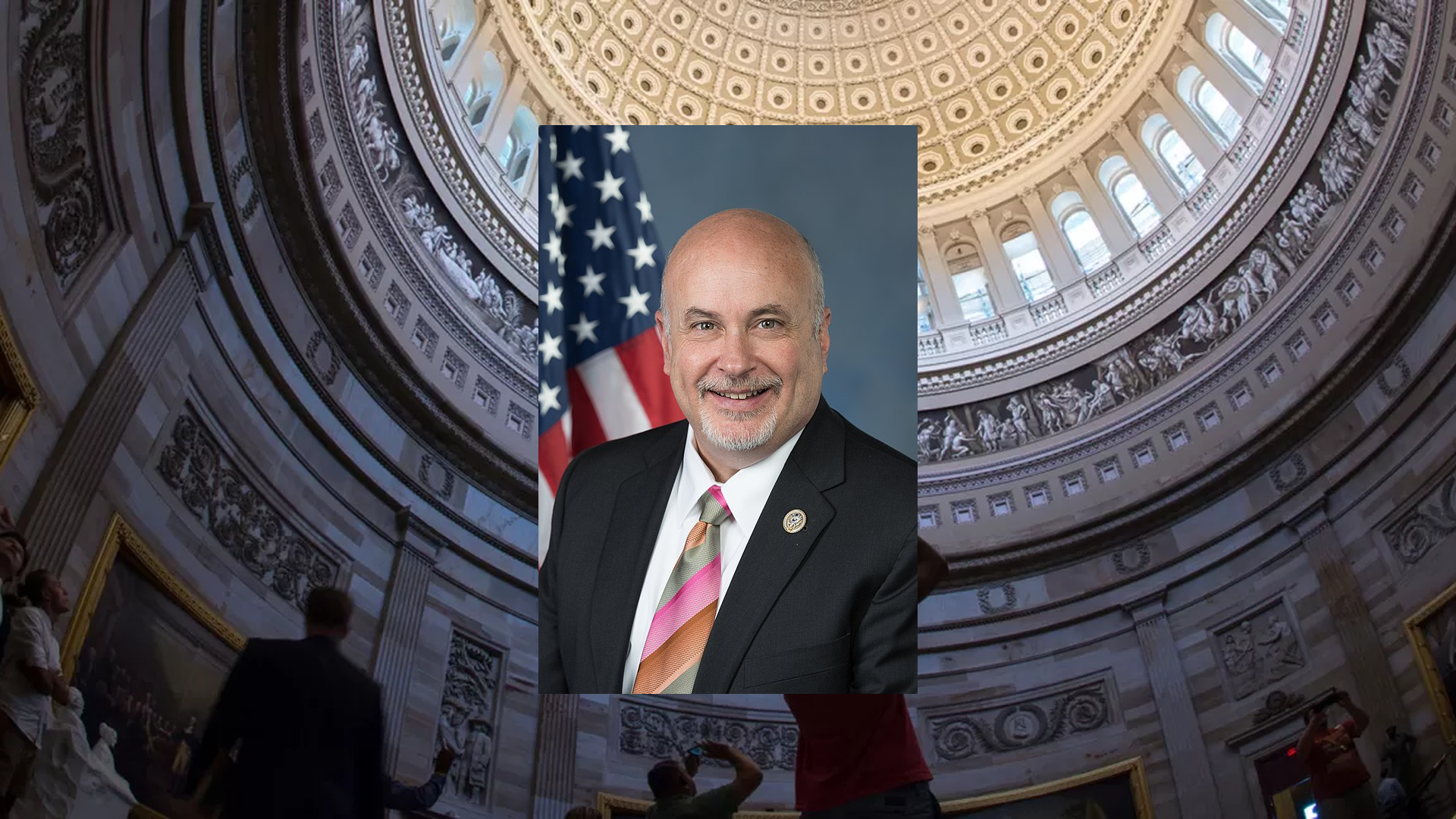
We have received text from H.R. 10595: Stop Wall Street Looting Act. This bill was received on 2026-09-24, and currently has 8 cosponsors.
Here is a short summary of the bill:
This bill would create a wide set of new rules for private-equity and private-fund managers, with changes to taxes, disclosures, bankruptcy treatment, worker protections, and certain investment practices.
Private Equity Liability and Debt Practices
The bill would make controlling private-equity funds more responsible for the debts and penalties of companies they control. It would also ban arrangements that let the fund avoid responsibility through indemnification. In addition, it would restrict practices such as stripping dividends out of target companies or transferring assets in ways that could weaken those companies.
Tax Changes for Fund Managers and Related Payments
The bill would limit the tax advantages currently available for carried interest and some partnership-based investment gains. In many cases, income that is now taxed at lower capital-gains rates would instead be treated as ordinary income. It would also tighten rules and penalties around related transfers, compensation arrangements, and reporting. Certain fund-related payouts and transactions would face additional tax treatment under the bill.
Bankruptcy and Worker Protections
The bill would strengthen protections for workers when companies owned by private funds go through strikes or bankruptcy. It would also add rules intended to prevent fund owners from shifting value out of struggling companies before or during bankruptcy, and would give workers and other stakeholders more protection in those proceedings.
Disclosure and Transparency Requirements
The bill would require much more public reporting from private funds and their advisers. This includes disclosures about fees, returns, debt levels, ownership structures, political spending, climate-related information, and workforce data. It would also require more disclosure for certain recipients of fund-related payments and for advisers involved in these transactions.
Fiduciary Duties and Adviser Rules
The bill would prohibit private-fund managers from waiving fiduciary duties in their agreements. It would also add stricter fiduciary and disclosure obligations for advisers, meaning they would have to act under more explicit responsibility standards and provide more information to investors and regulators.
Restrictions on Certain Transactions
The bill would limit some types of dealings involving real estate investment trusts and health-care businesses. It would also close some tax loopholes involving partnership interests and executive compensation, and it would limit or more tightly regulate risky debt securitization by private funds and related entities.
Relevant Companies
- KKR - A large private-equity and alternative-asset manager that could face tighter disclosure, liability, and tax rules affecting fund structures and portfolio-company transactions.
- CG - Carlyle, a major private-equity firm, could be directly affected by new limits on carried interest, fund disclosures, and portfolio-company financing practices.
- BX - Blackstone, which manages private equity and private credit strategies, could be impacted by new transparency, tax, and securitization restrictions.
- APO - Apollo, with substantial private credit and buyout activity, could be affected by rules on debt practices, disclosures, and tax treatment of fund-related income.
- ARES - Ares Management could be affected by the bill’s private-fund disclosure requirements and changes to taxation of partnership income and carried interest.
- TPG - TPG, a private-equity firm, could face direct impacts from the bill’s liability, disclosure, and carried-interest provisions.
- OWL - Blue Owl Capital, with large private credit and alternative-asset operations, could be affected by tighter reporting and restrictions on risky debt structures.
- HLNE - Hamilton Lane, an asset manager focused on private markets, could be impacted by expanded disclosure and tax rules for private-fund managers.
Representative Mark Pocan Bill Proposals
Here are some bills which have recently been proposed by Representative Mark Pocan:
- H.R.10595: Stop Wall Street Looting Act
- H.R.10455: Debt-Free College Act of 2026
- H.R.9414: Pell Grant Preservation and Expansion Act of 2026
- H.R.9075: Tax the Grift Act
- H.R.7803: Save Medicare Act
- H.R.7555: Audit the Pentagon Act of 2026
You can track bills proposed by Representative Mark Pocan on Quiver Quantitative's politician page for Pocan.
Representative Mark Pocan Net Worth
Quiver Quantitative estimates that Representative Mark Pocan is worth $4.3M, as of October 2nd, 2026. This is the 188th highest net worth in Congress, per our live estimates.
Pocan has approximately $0 invested in publicly traded assets which Quiver is able to track live.
You can track Representative Mark Pocan's net worth on Quiver Quantitative's politician page for Pocan.
Representative Mark Pocan Stock Trading
We have data on up to $100.0K of trades from Representative Mark Pocan, which we parsed from STOCK Act filings.
You can track Representative Mark Pocan's stock trading on Quiver Quantitative's politician page for Pocan.
2026 Wisconsin's 2nd Congressional District Election
There has been approximately $1,047,783 of spending in Wisconsin's 2nd congressional district elections over the last two years, per our estimates.
Approximately $11,596 of this has been from outside spending by PACs and Super PACs. Some of the groups who are spending money in this race include:
- PROTECT THE VOTE ($5,000)
- HUMAN RIGHTS CAMPAIGN EQUALITY VOTES ($3,503)
- PROGRESSIVE VICTORY PAC ($2,876)
The rating for this race is currently "Solid D".
You can track this election on our matchup page for the 2026 Wisconsin's 2nd congressional district election.
This article is not financial advice. See Quiver Quantitative's disclaimers for more information.