

We have received text from H.R. 10357: Digital Asset Tax Certainty Act. This bill was received on 2026-09-14, and currently has 8 cosponsors.
Here is a short summary of the bill:
This bill makes a number of changes to how digital assets, including cryptocurrencies and certain stablecoins, are treated for federal tax purposes.
Digital asset taxation rules
The bill would generally apply tax rules to digital assets more like the rules already used for stocks, securities, and other financial assets. It would:
- Allow certain de minimis digital-asset transactions or fees to be exempt from tax reporting or gain/loss calculations.
- Simplify how gains and losses are calculated for widely traded digital assets and some stablecoins.
- Exclude digital assets from being treated as section 197 intangibles for tax purposes.
- Treat certain stablecoins differently, including exempting some from the new rules.
- Tax income from certain stablecoin lending arrangements as debt-related income rather than under a separate digital-asset treatment.
Anti-abuse and compliance rules
The bill extends several anti-abuse tax rules to digital assets and tokenized equivalents. These include:
- Wash sale rules , which limit taxpayers from claiming losses when they quickly buy back substantially similar assets.
- Constructive sale rules , which can trigger tax treatment when a taxpayer effectively offsets a position without fully selling it.
- Foreign passive-income rules , applying them to traded digital assets and similar tokenized assets.
It also adds reporting rules for certain residents or possessors of digital assets and directs the Treasury Department to issue transition guidance and other regulations.
Broker reporting and disclosure
The bill would increase reporting obligations for brokers and other intermediaries involved with digital assets. It also creates disclosure requirements meant to improve tax reporting and compliance for digital-asset transactions.
Voluntary disclosure and penalties
The bill creates a voluntary disclosure program for digital asset tax issues. It also establishes a compliance program for violations, with penalties tied to underreported tax amounts. Those penalties could be reduced for certified eligible taxpayers, and some waivers may be available.
Other tax changes
The bill defines several digital-asset-related terms and directs Treasury to conduct studies and issue regulations. It also reinstates wagering-loss limits for taxable years after 2025.
Timing
Most of the changes would apply to taxable years after enactment or, in some cases, beginning in 2026 or later.
Relevant Companies
- COIN - Coinbase operates a major U.S. digital-asset trading platform and would likely be affected by new broker reporting, disclosure, and tax-compliance rules for digital assets.
- HOOD - Robinhood offers cryptocurrency trading and could be impacted by expanded reporting and tax treatment rules for digital-asset transactions.
- SQ - Block provides digital-asset services through Cash App and other products, so changes to crypto tax rules and reporting could affect its operations.
- MSTR - MicroStrategy holds large amounts of bitcoin, so changes to digital-asset tax treatment and loss/accounting rules could affect its financial reporting and tax planning.
- MARA - Marathon Digital mines bitcoin and could be affected by rules clarifying mining income and broader digital-asset tax compliance requirements.
- RIOT - Riot Platforms mines bitcoin and may be affected by tax rules on mining income, reporting, and digital-asset compliance.
- IBIT - iShares Bitcoin Trust is a publicly traded bitcoin ETF that could be affected indirectly by changes to digital-asset tax and reporting rules affecting market participants.
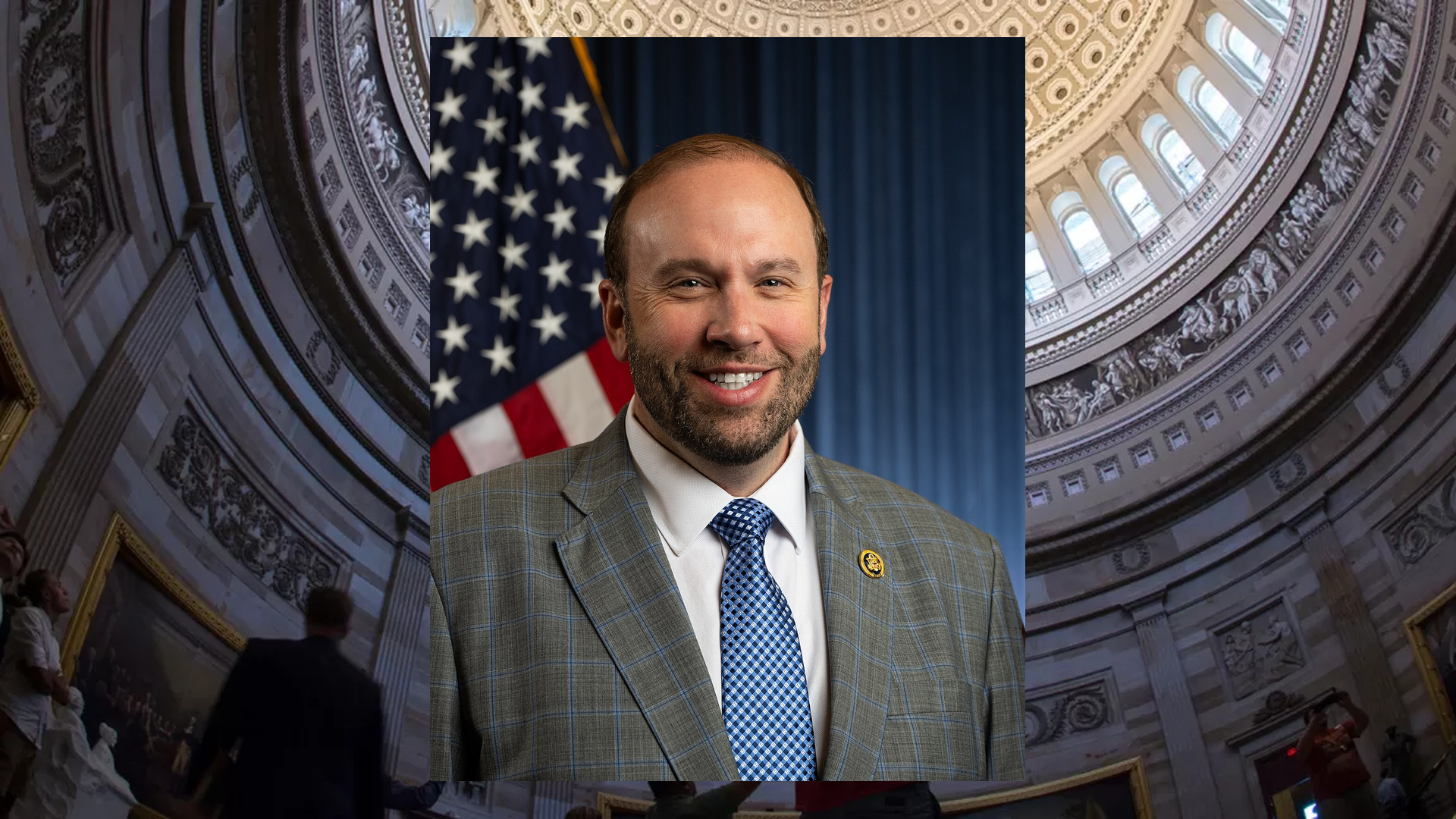
Representative Jason Smith Bill Proposals
Here are some bills which have recently been proposed by Representative Jason Smith:
- H.R.10357: Digital Asset Tax Certainty Act
- H.R.9645: Health Care Price Certainty for All Americans Act
- H.R.6599: Leasing and Infrastructure Act of 2025
- H.R.6500: Continuing Appropriations and Extensions Act, 2027
- H.R.1156: Pandemic Unemployment Fraud Enforcement Act
- H.R.591: Defending American Jobs and Investment Act
You can track bills proposed by Representative Jason Smith on Quiver Quantitative's politician page for Smith.
Representative Jason Smith Net Worth
Quiver Quantitative estimates that Representative Jason Smith is worth $2.1M, as of September 15th, 2026. This is the 262nd highest net worth in Congress, per our live estimates.
Smith has approximately $5.1K invested in publicly traded assets which Quiver is able to track live.
You can track Representative Jason Smith's net worth on Quiver Quantitative's politician page for Smith.
2026 Missouri's 8th Congressional District Election
There has been approximately $9,936,650 of spending in Missouri's 8th congressional district elections over the last two years, per our estimates.
The rating for this race is currently "Solid R".
You can track this election on our matchup page for the 2026 Missouri's 8th congressional district election.
This article is not financial advice. See Quiver Quantitative's disclaimers for more information.