
We have received text from H.R. 10133: Fair Prescription Pricing Act of 2026. This bill was received on 2026-08-20, and currently has no cosponsors.
Here is a short summary of the bill:
This bill would limit how much people in certain health plans can be charged out of pocket for covered prescription drugs bought at an in-network pharmacy .
What the bill would do
For health plans starting on or after the date the bill becomes law, group health plans and health insurers could not require a patient to pay more than the nationwide average consumer purchase price for a covered outpatient drug over the prior 12 months.
This cap would apply to common forms of prescription cost sharing, including:
- Deductibles
- Copayments
- Coinsurance
The price limit would be based on federal survey data used for Medicaid drug pricing calculations.
Which plans are covered
- Group health plans
- Group health insurance coverage
- Individual health insurance coverage
The bill amends three laws so the same rule applies in different settings:
- The Public Health Service Act
- ERISA, which covers many employer-sponsored health plans
- The Internal Revenue Code, which covers tax-related rules for health plans
How it would work in practice
If a covered drug is dispensed by an in-network pharmacy, the patient’s share of the cost could not be higher than the drug’s nationwide average consumer purchase price for the previous year. Plans would be required to make sure any pharmacy benefit manager they use follows this rule as well.
What the bill does not say
- It does not set the full price of drugs.
- It does not apply to all pharmacies, only in-network pharmacies.
- It does not appear to change whether a drug is covered, only the patient’s out-of-pocket amount for covered drugs.
Relevant Companies
- CVS — CVS Health operates a large pharmacy benefit manager and retail pharmacy network, so the bill could affect how it administers drug cost sharing for health plans.
- CI — Cigna, through its health services businesses, provides pharmacy benefit management services that could be affected by new limits on drug cost sharing.
- UNH — UnitedHealth, through Optum and its insurance operations, could be affected in administering plan drug cost-sharing rules.
- ELV — Elevance Health offers health insurance plans and pharmacy-related services that may need to comply with the new cost-sharing cap.
- HUM — Humana sponsors and administers health plans, including Medicare-related products, which could be affected if similar pharmacy benefit structures are used.
- MCK — McKesson is a large drug distributor and pharmacy-services company that could be indirectly affected by changes in plan reimbursement and pharmacy pricing practices.
- CI — Express Scripts is part of Cigna, and its PBM operations could be directly affected by the bill’s requirement that PBMs follow the cost-sharing cap.
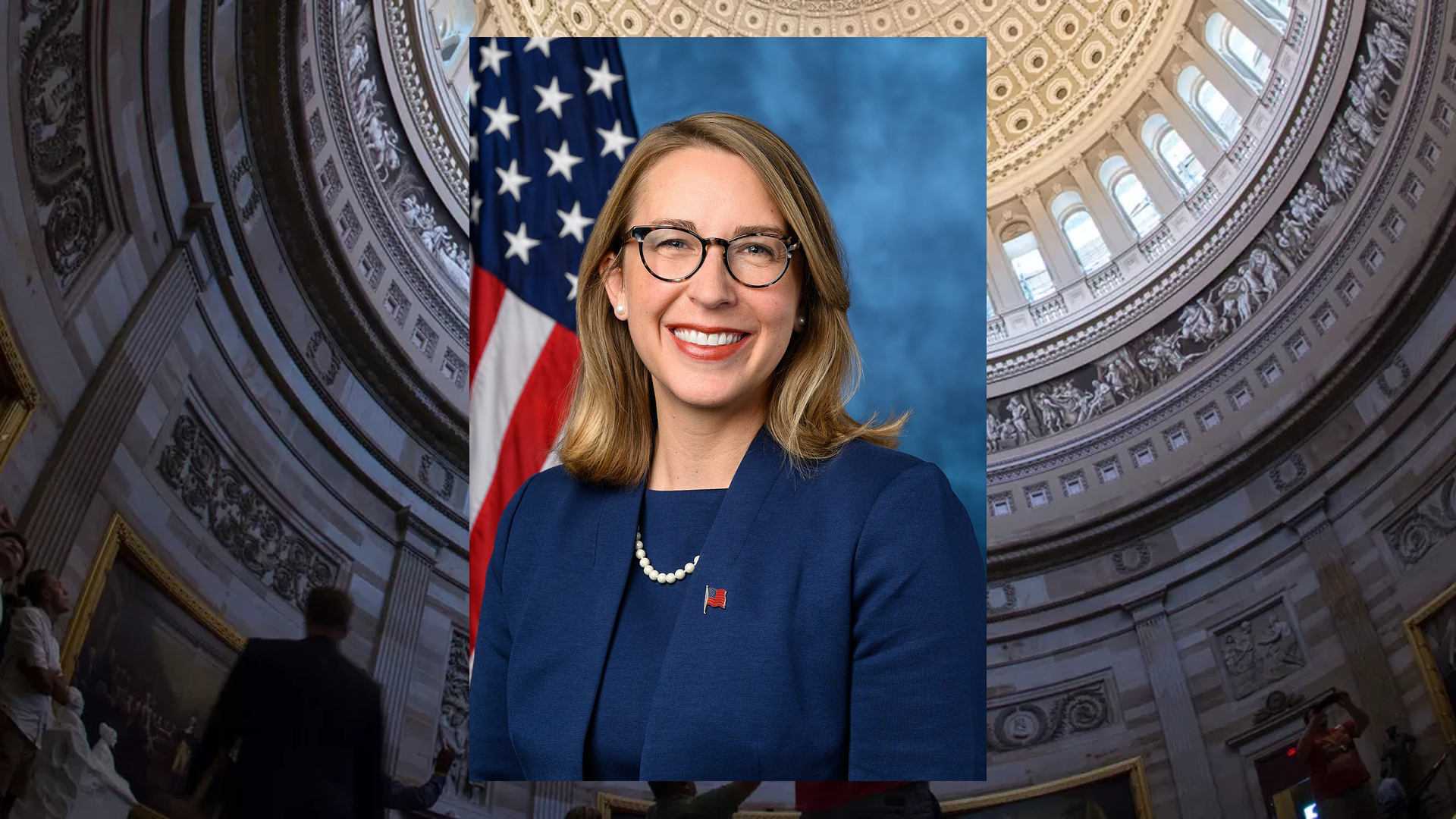
Representative Hillary J. Scholten Bill Proposals
Here are some bills which have recently been proposed by Representative Hillary J. Scholten:
- H.R.10134: Local Health Care Protection Act of 2026
- H.R.10133: Fair Prescription Pricing Act of 2026
- H.R.10005: Data Center Resource Disclosure Act
- H.R.10004: Defending Our Energy and Water Act
- H.R.9818: Women’s Business Centers Improvement Act of 2026
- H.R.9714: Capping Appointed Positions Act
You can track bills proposed by Representative Hillary J. Scholten on Quiver Quantitative's politician page for Scholten.
Representative Hillary J. Scholten Net Worth
Quiver Quantitative estimates that Representative Hillary J. Scholten is worth $169.1K, as of August 25th, 2026. This is the 454th highest net worth in Congress, per our live estimates.
Scholten has approximately $137.1K invested in publicly traded assets which Quiver is able to track live.
You can track Representative Hillary J. Scholten's net worth on Quiver Quantitative's politician page for Scholten.
2026 Michigan's 3rd Congressional District Election
There has been approximately $6,596,485 of spending in Michigan's 3rd congressional district elections over the last two years, per our estimates.
Approximately $1,149,716 of this has been from outside spending by PACs and Super PACs. Some of the groups who are spending money in this race include:
- WEST MICHIGAN FOR COMMON SENSE ($406,375)
- FOR OUR FUTURE ($344,028)
- WEST MICHIGAN FOR CHANGE ($182,000)
- HMP ($170,000)
- WORKING AMERICA ($29,564)
The rating for this race is currently "Solid D".
You can track this election on our matchup page for the 2026 Michigan's 3rd congressional district election.
This article is not financial advice. See Quiver Quantitative's disclaimers for more information.