We have received text from H.R. 10965: Supporting After-School STEM Educators Act. This bill was received on 2026-11-09, and currently has 8 cosponsors.
Here is a short summary of the bill:
This bill would create a federal grant program to help after-school, summer, and other out-of-school time programs improve STEM teaching. In plain terms, it would give money to states, which would then work with an intermediary organization to support nonprofit programs that serve students outside normal school hours.
What the program is for
The main purpose is to pay for professional development for educators who work in out-of-school time programs and who teach or want to teach STEM subjects: science, technology, engineering, and math. The bill is aimed at helping these educators gain training, coaching, and credentials, and at helping programs better support them.
How the grant system would work
- The Secretary of Education would award grants to states for up to 5 years.
- Each state could receive no more than one grant, unless additional funding allows more.
- The state would select an intermediary organization, or a group of intermediaries, to carry out the work.
- Intermediaries would then provide subgrants to nonprofit program providers.
What intermediaries would do
Intermediaries would use the grant money to help connect educators with professional development, including STEM training and coaching. They would also:
- help program providers distribute scholarship funds to educators;
- award competitive subgrants to nonprofit program providers;
- create a centralized database of professional development opportunities;
- build peer networks and online or in-person communities for educators and STEM experts;
- support reporting and accountability for the programs funded under the bill.
Who could receive subgrants
Nonprofit providers of out-of-school time programs could apply for subgrants. The bill says intermediaries may fund up to 25 program providers per grant. Applications would need to describe how the program would use the money and support educators.
When deciding who gets funding, intermediaries would be encouraged to favor programs that:
- offer professional development that includes peer support;
- serve communities with limited access to STEM learning opportunities;
- serve students underrepresented in STEM;
- serve rural communities;
- support seasonal educators; and
- offer train-the-trainer or coach development programs for long-term staff.
How the money could be used
Program providers could use subgrant money to pay for professional development in several ways, including:
- tuition or fees for STEM-related training;
- staff time spent in training;
- substitute staff to cover duties while educators are in training;
- time and materials needed to share and apply what was learned;
- travel costs connected to the training.
The training could be on-site or off-site and would be tailored to what the provider and educator decide is useful for professional growth.
Requirements tied to wages and job roles
The bill also says that, in some cases, program providers should regularly review and adjust the wages and job titles of educators who gain new skills, credentials, or responsibilities through the program. It also calls for increased recognition titles for those educators.
Reporting and evaluation
The bill would require annual reports during the grant period and final reports at the end. These reports would look at things like:
- how well the professional development helped educators feel more confident teaching STEM;
- whether educators used what they learned in their programs;
- student and parent satisfaction;
- whether educators earned new STEM credentials or certifications;
- whether educators were retained by the program;
- whether students became more engaged in STEM or more interested in STEM careers.
The Secretary of Education would make final intermediary reports publicly available.
Administrative limits
Administrative costs could not exceed 15 percent of grant or subgrant funds.
Relevant Companies
None found
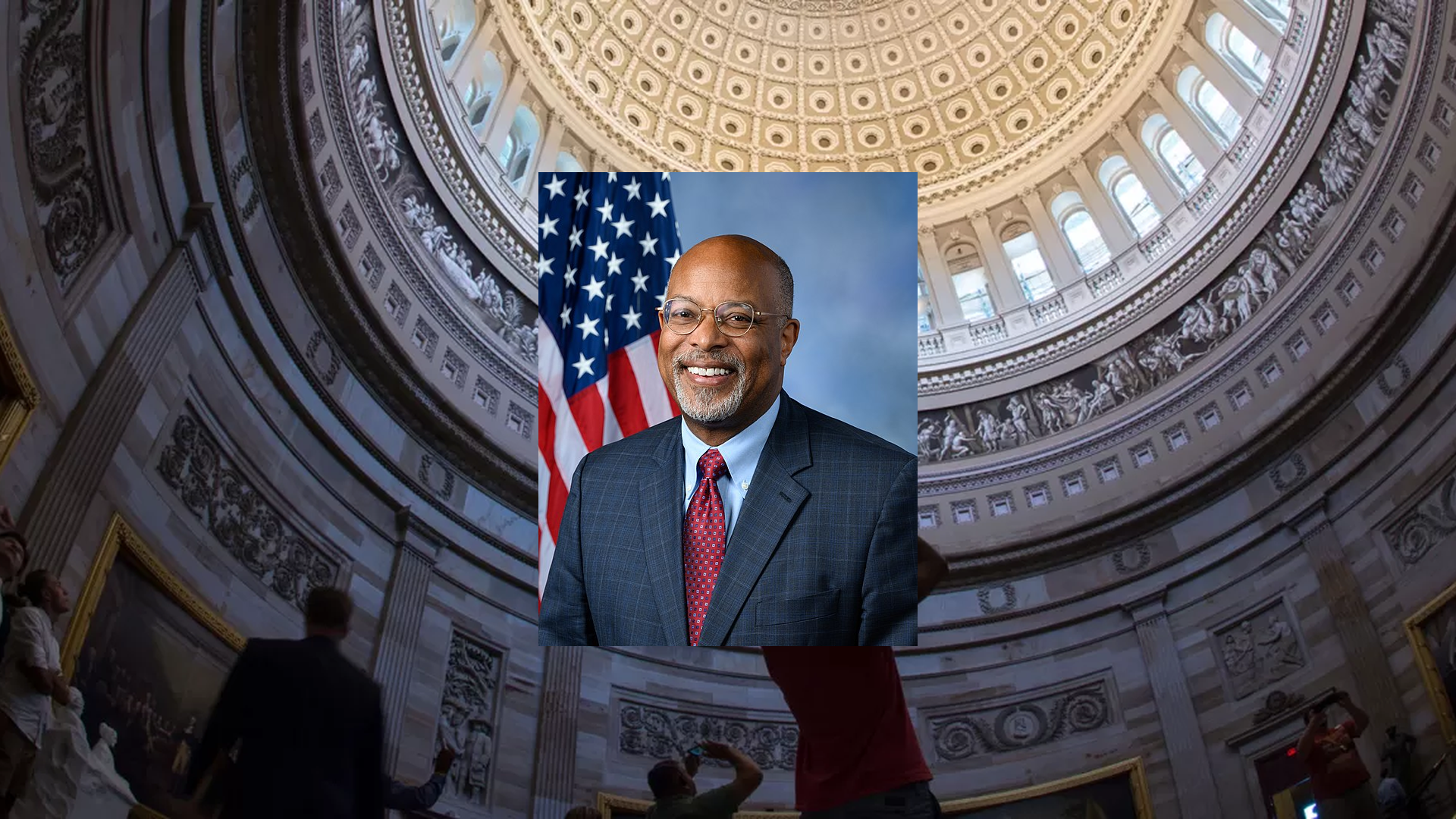
Representative Glenn Ivey Bill Proposals
Here are some bills which have recently been proposed by Representative Glenn Ivey:
- H.R.10965: Supporting After-School STEM Educators Act
- H.R.10445: Inspectors General Modernization Act
- H.R.5361: George Floyd Justice in Policing Act of 2025
- H.R.2368: Raise the Age Act of 2025
You can track bills proposed by Representative Glenn Ivey on Quiver Quantitative's politician page for Ivey.
Representative Glenn Ivey Net Worth
Quiver Quantitative estimates that Representative Glenn Ivey is worth $1.9M, as of November 11th, 2026. This is the 274th highest net worth in Congress, per our live estimates.
Ivey has approximately $585.3K invested in publicly traded assets which Quiver is able to track live.
You can track Representative Glenn Ivey's net worth on Quiver Quantitative's politician page for Ivey.
This article is not financial advice. See Quiver Quantitative's disclaimers for more information.