
We have received text from H.R. 10889: Giving Americans Savings Act of 2026. This bill was received on 2026-10-22, and currently has no cosponsors.
Here is a short summary of the bill:
This bill would create a new federal tax credit for individuals to help offset the cost of fuel used for personal transportation.
What the credit covers
The bill would add a new section to the Internal Revenue Code called the retail motor fuel credit . Under this credit, an individual could claim a tax credit equal to their qualified motor vehicle fuel expenses for the year.
“Qualified motor vehicle fuel expenses” would mean money spent to:
- buy gasoline or diesel fuel for personal use in a motor vehicle, or
- recharge an electric motor vehicle for personal use.
How it would work
The credit would reduce a person’s federal income tax liability by the amount of their eligible fuel expenses, subject to the normal rules that apply to tax credits.
The bill also says that taxpayers could not get a double tax benefit for the same expense. In other words, if someone counts a fuel expense toward this credit, they could not also claim another credit or deduction for that same expense under another part of the tax code.
The Treasury Department would be allowed to issue regulations or guidance needed to carry out the credit.
When it would take effect
The new credit would apply to fuel expenses paid or incurred after December 31, 2026.
Other technical changes
The bill includes a few conforming amendments to make the tax code and related budget law consistent with the new credit.
Relevant Companies
- XOM — Exxon Mobil could be indirectly affected if the credit changes consumer demand for gasoline and diesel fuel.
- CVX — Chevron could be indirectly affected for similar reasons through fuel sales demand.
- MPLX — Midstream fuel and refined-products businesses could see indirect effects from changes in retail fuel consumption.
- KMI — Kinder Morgan could be indirectly affected through energy transportation volumes tied to fuel markets.
- TSLA — Tesla could be indirectly affected because the credit also covers electricity used to recharge personal electric vehicles, which may affect EV operating costs for consumers.
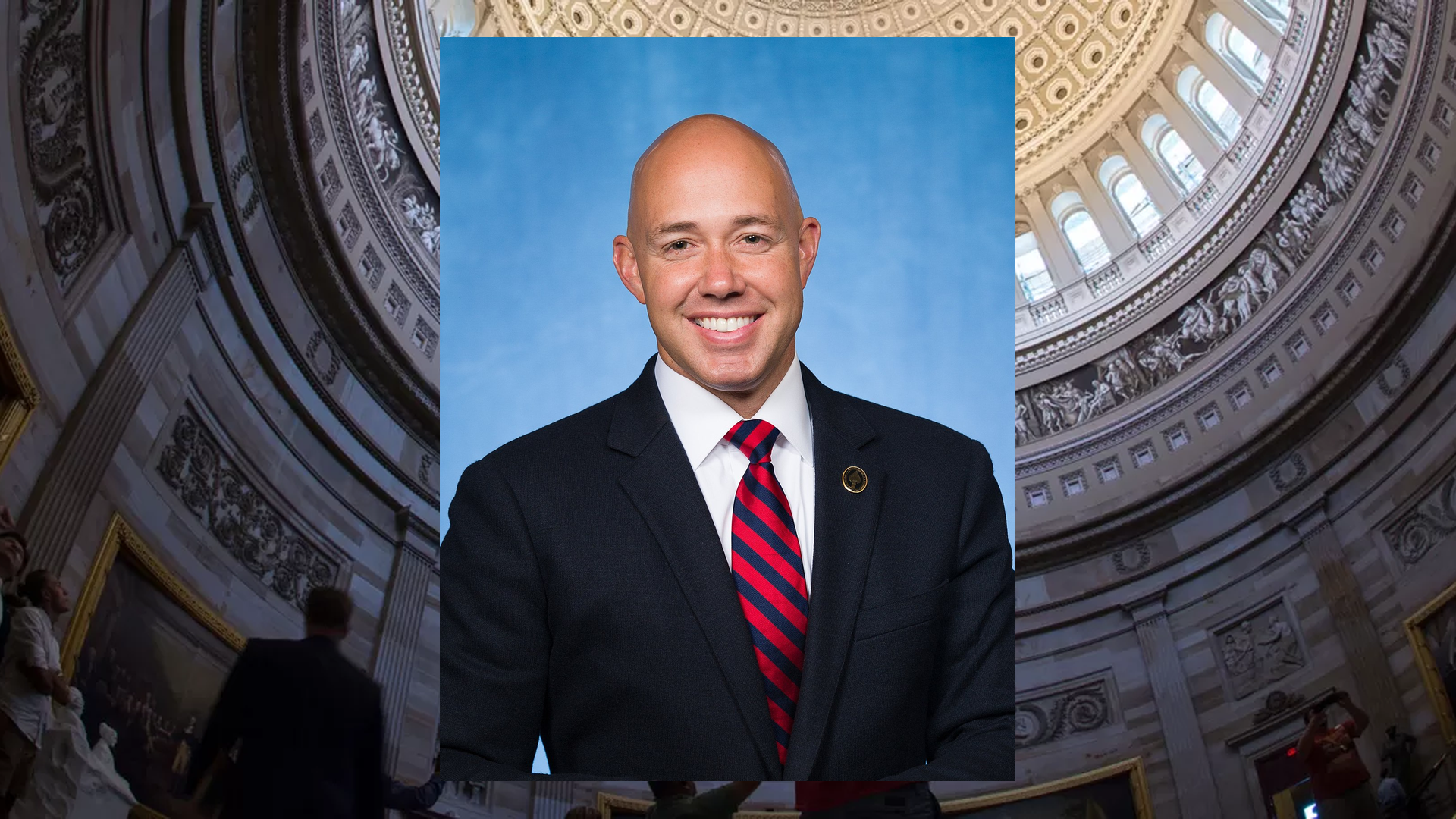
Representative Brian J. Mast Bill Proposals
Here are some bills which have recently been proposed by Representative Brian J. Mast:
- H.R.10890: To amend the Internal Revenue Code of 1986 to establish the motor fuel deduction.
- H.R.10889: GAS Act of 2026
- H.R.10279: To designate the facility of the United States Postal Service located at 9995 Southeast Federal Highway in Hobe Sound, Florida, as the "Special Operations Chief Petty Officer Aaron Carson Vaughn Post Office Building".
- H.R.10099: Freedom Haulers Act
- H.R.9788: FORMULA Act of 2026
- H.R.9087: To direct the Secretary of State to take actions with respect to certain foreign affairs matters.
You can track bills proposed by Representative Brian J. Mast on Quiver Quantitative's politician page for Mast.
Representative Brian J. Mast Net Worth
Quiver Quantitative estimates that Representative Brian J. Mast is worth $925.5K, as of October 27th, 2026. This is the 347th highest net worth in Congress, per our live estimates.
Mast has approximately $0 invested in publicly traded assets which Quiver is able to track live.
You can track Representative Brian J. Mast's net worth on Quiver Quantitative's politician page for Mast.
Representative Brian J. Mast Stock Trading
We have data on up to $4.6M of trades from Representative Brian J. Mast, which we parsed from STOCK Act filings. Some of the largest trades include:
- A July 6th, 2020 sale of up to $100K of $NIO. The stock has fallen 71.68% since then.
- A February 10th, 2021 sale of up to $100K of $TLRY. The stock has fallen 99.57% since then.
- A September 11th, 2019 sale of up to $100K of $WBA. The stock has fallen 79.37% since then.
- A August 12th, 2019 sale of up to $100K of $CVS. The stock has risen 57.5% since then.
- A June 26th, 2018 purchase of up to $100K of $EXPE. The stock has risen 132.71% since then.
You can track Representative Brian J. Mast's stock trading on Quiver Quantitative's politician page for Mast.
2026 Florida's 21st Congressional District Election
There has been approximately $17,139,846 of spending in Florida's 21st congressional district elections over the last two years, per our estimates.
Approximately $8,092,515 of this has been from outside spending by PACs and Super PACs. Some of the groups who are spending money in this race include:
- NO GOING BACK PAC INC. ($6,147,879)
- PROGRESSIVE TURNOUT PROJECT ($421,396)
- STRONGER AMERICA TOGETHER ($307,208)
- VALOR PROJECT ($305,284)
- VPP ($222,436)
The rating for this race is currently "Solid R".
You can track this election on our matchup page for the 2026 Florida's 21st congressional district election.
This article is not financial advice. See Quiver Quantitative's disclaimers for more information.