
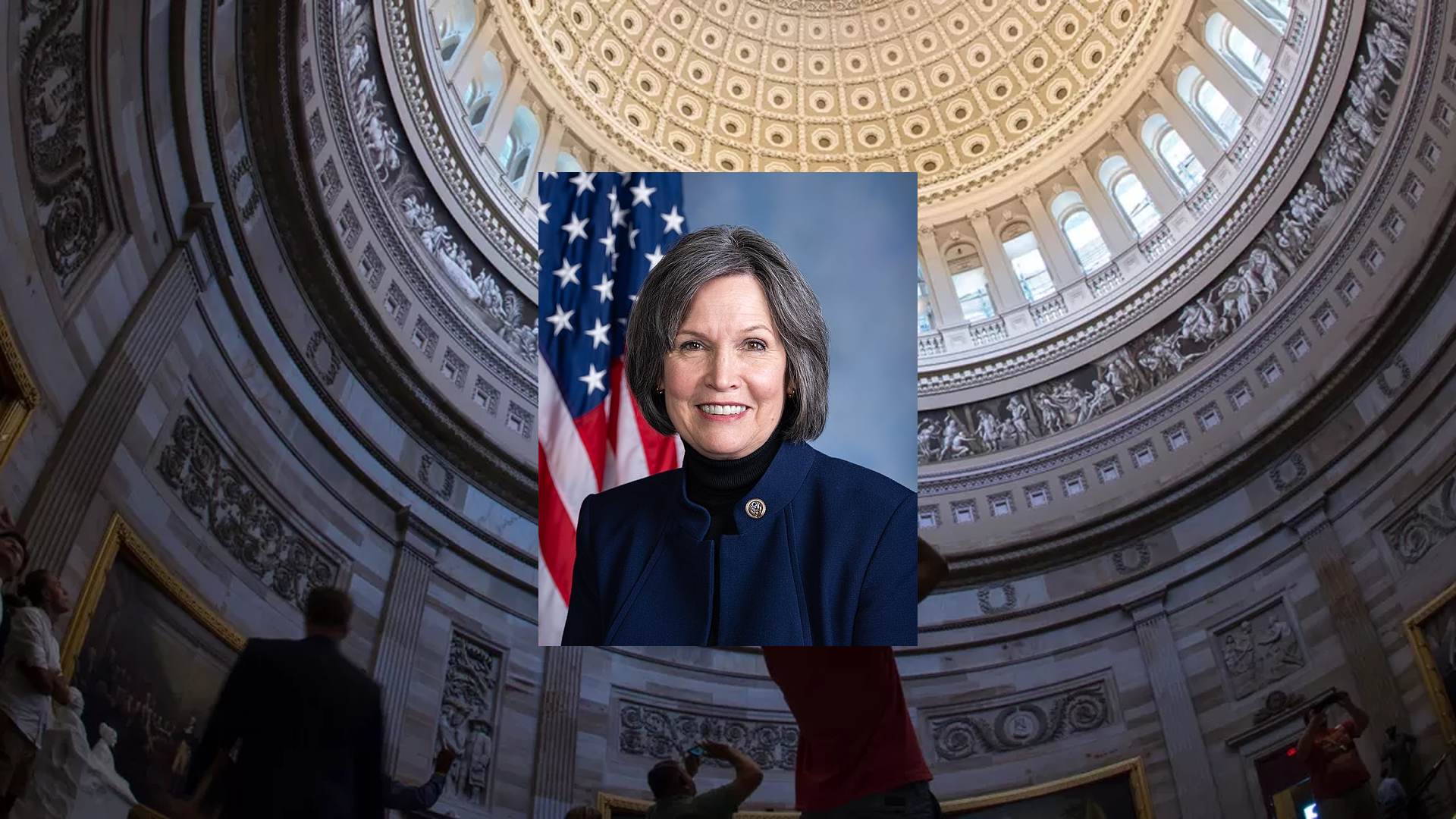
We have received text from H.R. 10395: Critical Materials Future Act of 2025. This bill was received on 2026-09-15, and currently has 2 cosponsors.
Here is a short summary of the bill:
This bill would create a Department of Energy pilot program to support domestic processing of critical materials —materials needed for things like energy technologies, manufacturing, and defense supply chains. The program would be set up within 180 days of enactment and would run for up to 5 years.
What the program would do
The Secretary of Energy would be required to support at least three domestic critical material processing projects . These projects would have to involve refining, processing, or recycling raw critical materials into forms that can be used in products.
The bill is focused on using innovative financial tools to help these projects get built and operate. Those tools could include:
- price support mechanisms, such as contracts for difference and price floors
- advanced market commitments
- forward contracts
- other transaction agreements that the Department of Energy can already use in certain cases
How projects would be chosen
Companies or other applicants would submit applications to the Secretary of Energy. The Secretary would select projects based on factors such as:
- how much they could improve U.S. economic, energy, and national security
- whether they are economically competitive
- whether they appear financially sustainable
- whether they can secure an offtake agreement (a contract to buy the output)
- estimated production costs compared with expected market prices
- how much they reduce reliance on imports from entities of concern
The bill gives priority to projects that use feedstock from domestic or “reliable” sources , with higher priority for projects using more domestic feedstock. It also favors projects that are most economically competitive and those that can support domestic or reliable-source offtake agreements.
Other program rules
The program would have to support processing of at least three different critical materials , and no single material could receive more than 50% of the program’s funding .
The Secretary of Energy would need to issue regulations within 180 days, could hire temporary staff more flexibly, and would consult with industry, financial experts, and researchers while designing the program. The Secretary would also coordinate with several federal agencies, including Commerce, Defense, Interior, State, the U.S. Geological Survey, and the U.S. Trade Representative.
Study and reporting requirements
After the pilot program ends, the Department of Energy would have to publish a study on:
- how effective the financial tools were
- how much support was needed to strengthen U.S. supply chains
- whether recycling could help the domestic market
- whether the projects were successful
- whether DARPA’s Open Price Exploration for National Security work helped predict market trends and allocate resources better
The Secretary would also submit annual reports to Congress during the life of the program describing activities, spending, outcomes, and recommendations for whether to continue or expand the program.
Funding
The bill would authorize $750 million to carry out the program, available until spent. It would also create a Critical Materials Revolving Fund in the Treasury. Money generated by supported projects could be reinvested into new projects under the pilot program.
Relevant Companies
None found
Representative Betty McCollum Bill Proposals
Here are some bills which have recently been proposed by Representative Betty McCollum:
- H.R.10395: To establish a pilot program to support domestic critical material processing, and for other purposes.
- H.R.8016: Forever Chemical Regulation and Accountability Act of 2026
- H.R.7545: Defending the Human Rights of Palestinian Children and Families Living Under Israeli Military Occupation Act
- H.R.5521: Peace Corps Volunteers Congressional Gold Medal Act of 2025
- H.R.5328: Indian Programs Advance Appropriations Act of 2025
- H.R.2977: MRRRI Act
You can track bills proposed by Representative Betty McCollum on Quiver Quantitative's politician page for McCollum.
2026 Minnesota's 4th Congressional District Election
There has been approximately $1,789,818 of spending in Minnesota's 4th congressional district elections over the last two years, per our estimates.
Approximately $24,204 of this has been from outside spending by PACs and Super PACs. Some of the groups who are spending money in this race include:
- PLANNED PARENTHOOD OF MINNESOTA POLITICAL ACTION FUND ($19,485)
- AFSCME WORKING FAMILIES FUND ($4,587)
The rating for this race is currently "Solid D".
You can track this election on our matchup page for the 2026 Minnesota's 4th congressional district election.
This article is not financial advice. See Quiver Quantitative's disclaimers for more information.