

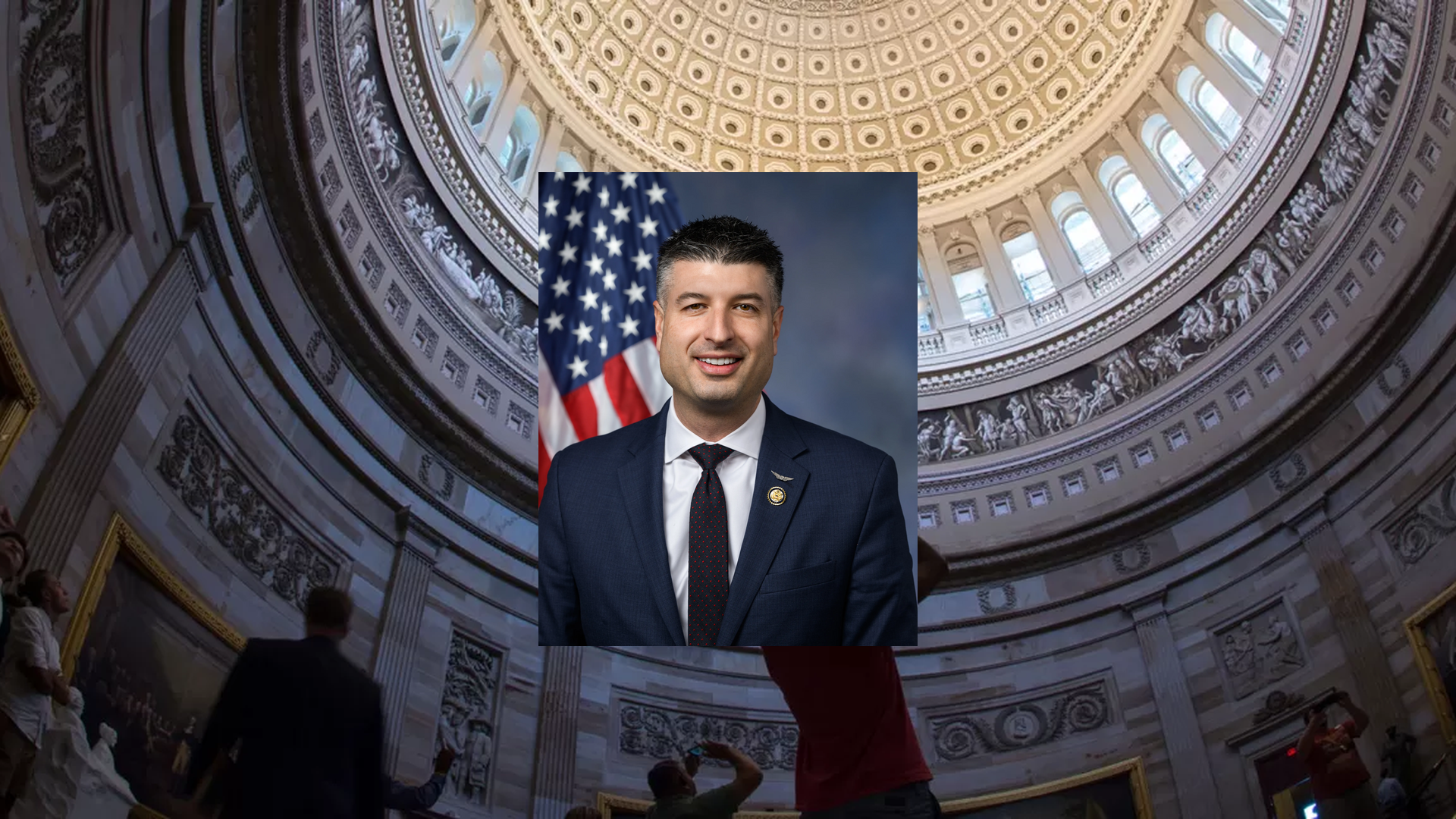
We have received text from H.R. 7239: Next-Gen Collision Avoidance Act. This bill was received on 2026-01-27, and currently has no cosponsors.
Here is a short summary of the bill:
The bill, known as the Next-Gen Collision Avoidance Act, mandates the Administrator of the Federal Aviation Administration (FAA) to create and submit an action plan to Congress. This action plan aims to promote the deployment of the Airborne Collision Avoidance System-X (ACAS–X) and its various versions in the national airspace system. The plan must be submitted within 180 days of the bill's enactment and made publicly available within 10 days thereafter.
Contents of the Action Plan
The action plan should include the following components:
- Strategic Roadmap: A detailed roadmap for the deployment of ACAS–X technology, outlining the necessary steps for widespread adoption by aircraft operators.
- Research and Development: Identification of actions and funding needed for research, development, testing, evaluation, and standards necessary for certification of this technology.
-
Stakeholder Engagement:
Plans for engaging with stakeholders, including:
- Aircraft operators
- Aviation safety experts
- Avionics manufacturers
- Aircraft manufacturers
- General aviation organizations
- Labor organizations representing airline pilots
- Any other relevant stakeholders
- International Cooperation: Engagement with foreign civil aviation authorities to align international standards for certification.
- ACAS–X Interoperability: Considerations for how ACAS–X will work with existing aircraft systems, such as ADS–B Out and ADS–B In.
- Safety Benefits Assessment: An evaluation of the safety benefits for aircraft operators equipping with ACAS–X technology.
- Recommendations: Suggestions for any administrative or legislative actions that may be necessary to facilitate the deployment of ACAS–X technology.
Implementation and Briefing
The FAA Administrator is authorized to take necessary actions to implement the action plan. Additionally, within 30 days of submitting the plan, the Administrator must brief the relevant congressional committees on the plan's contents and intended implementation actions.
Definitions
Key terms used in the bill include:
- ADS–B In: Onboard equipment that processes broadcasts for situational awareness regarding other aircraft.
- ADS–B Out: Equipment that transmits information from an aircraft in accordance with FAA regulations.
- Appropriate Committees of Congress: Refers to specific committees in the Senate and House that will oversee the bill's related actions.
- FAA: Refers to the Federal Aviation Administration.
- Rotorcraft: Refers to any powered aircraft that uses rotors to generate lift, as defined by FAA regulations.
Relevant Companies
- BA - Boeing: As a major aircraft manufacturer, Boeing may need to adapt its aircraft systems to comply with new collision avoidance technologies being promoted by this bill.
- LMT - Lockheed Martin: As a defense contractor involved in aerospace, Lockheed Martin could be impacted by new standards and technology implementations regarding collision avoidance systems.
- RTX - Raytheon Technologies: As a provider of aerospace and defense technologies, Raytheon may see changes in demands for its collision avoidance systems as a result of the legislation.
- GE - General Electric: GE, which manufactures aircraft engines and systems, may need to adjust its product offerings in light of new aviation technology standards.
Representative Tom Barrett Bill Proposals
Here are some bills which have recently been proposed by Representative Tom Barrett:
- H.R.7756: To amend the Internal Revenue Code of 1986 to establish tax-advantaged homeowner savings accounts.
- H.R.7755: To direct the Secretary of Housing and Urban Development to submit a report to the Congress with respect exempting any downpayment requirement for mortgage insurance offered by the Federal Housing Administration for first-time homebuyers who are first responders or school teachers, and for other purposes.
- H.R.7754: To require a study on the feasibility and potential impacts of portable Federally backed mortgage loans, and for other purposes.
- H.R.7753: To strengthen and standardize "first look" protections for covered properties to ensure first-time homebuyers have priority access to foreclosed homes, and for other purposes.
- H.R.7349: Time to Heal Act
- H.R.7240: To direct the Administrator of the Federal Aviation Administration to revise regulations relating to ADS-B Out transmission exceptions, and for other purposes.
You can track bills proposed by Representative Tom Barrett on Quiver Quantitative's politician page for Barrett.
Representative Tom Barrett Net Worth
Quiver Quantitative estimates that Representative Tom Barrett is worth $422.7K, as of March 5th, 2026. This is the 406th highest net worth in Congress, per our live estimates.
Barrett has approximately $56.7K invested in publicly traded assets which Quiver is able to track live.
You can track Representative Tom Barrett's net worth on Quiver Quantitative's politician page for Barrett.
2026 Michigan's 7th Congressional District Election
There has been approximately $61,653,567 of spending in Michigan's 7th congressional district elections over the last two years, per our estimates.
Approximately $44,089,098 of this has been from outside spending by PACs and Super PACs. Some of the groups who are spending money in this race include:
- HMP ($15,842,498)
- CONGRESSIONAL LEADERSHIP FUND ($10,324,478)
- DCCC ($5,504,330)
- NRCC ($4,761,823)
- AMERICANS FOR PROSPERITY ACTION, INC. (AFP ACTION) DBA CVA ACTION AND DBA LIBRE ACTION ($1,898,483)
The rating for this race is currently "Toss Up".
You can track this election on our matchup page for the 2026 Michigan's 7th congressional district election.
This article is not financial advice. See Quiver Quantitative's disclaimers for more information.