
H.R. 7240: Military ADS–B Out Loophole Act
This bill, titled the Military ADS–B Out Loophole Act
, is designed to modify existing regulations regarding the Automatic Dependent Surveillance-Broadcast (ADS-B) Out transmission exceptions for military and government aircraft. Here are the main components of the bill:
Revision of Regulations
The bill directs the Administrator of the Federal Aviation Administration (FAA) to revise the current regulations related to ADS-B Out transmissions. Specifically, it aims to make the definition of
- The term will be narrowly defined.
- It will only apply to the time during the flight when sensitive activities are occurring.
Timeline for Regulatory Changes
The FAA must take action based on this bill within a specified timeframe:
- Within 1 year after the bill is enacted, the FAA must issue or revise regulations to ensure compliance with the new definitions and requirements.
- The FAA is also required to update any relevant agreements it has with other governmental agencies to reflect these changes.
Accountability Measures
If the FAA fails to meet these deadlines, it must report to Congress on the status and reasons for the delay within 30 days.
Government Accountability Office (GAO) Review
Two years after the enactment, the GAO must review how federal agencies have utilized the revised exceptions. This review will cover:
- Compliance with the relevant laws and regulations.
- The extent to which these exceptions have been used by agencies.
- A comparison of usage before and after the new regulations are in place.
The GAO will then submit its findings to Congress.
FAA Oversight of Non-Compliant Operators
After the GAO report is submitted, the FAA must determine whether any operators have used the exceptions improperly. It must respond to Congress within 30 days regarding these determinations.
Reporting Requirements for Government Agencies
All federal, state, local, and tribal agencies that conduct sensitive missions must provide the FAA with reports every 90 days that include:
- A confirmation that they are transmitting ADS-B Out properly and ensuring aviation safety.
- A detailed account of any operations where ADS-B Out was not transmitted, specifying the date, time, duration, and nature of the mission.
Reporting to Congress
The FAA must submit a biannual report to Congress summarizing the use of ADS-B Out exceptions across agencies, including an assessment of whether the operations jeopardize aviation safety.
Annual Audits by the Inspector General
The Inspector General of the Department of Transportation will conduct annual audits, starting three years after the enactment of the bill, to ensure proper FAA oversight of these exceptions and compliance by operators. These audits will include:
- Verifying that operators adhere to laws and regulations.
- Identifying any non-compliance issues.
Definitions
The bill provides definitions for key terms used throughout:
Administrator : Refers to the head of the FAA.ADS-B Out : Refers to the broadcasting of aircraft information per regulatory standards.Appropriate committees of Congress : Refers to the specific committees in both the House and Senate that will oversee the implementation of this bill.FAA : Stands for the Federal Aviation Administration.
Relevant Companies
- None found
This is an AI-generated summary of the bill text. There may be mistakes.
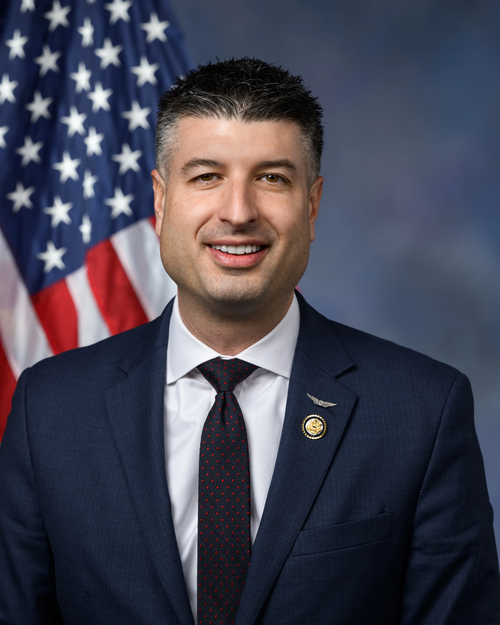
Sponsors
1 sponsor
Actions
3 actions
| Date | Action |
|---|---|
| Jan. 28, 2026 | Referred to the Subcommittee on Aviation. |
| Jan. 27, 2026 | Introduced in House |
| Jan. 27, 2026 | Referred to the House Committee on Transportation and Infrastructure. |
Corporate Lobbying
0 companies lobbying
None found.
* Note that there can be significant delays in lobbying disclosures, and our data may be incomplete.
Potentially Relevant Congressional Stock Trades
No relevant congressional stock trades found.