
We have received text from H.R. 9699: Drug Deal Disclosure Act. This bill was received on 2026-07-15, and currently has 24 cosponsors.
Here is a short summary of the bill:
This bill would require the Department of Health and Human Services (HHS) to publicly release records about certain drug-pricing agreements the federal government has made with drug manufacturers.
What information would be released
Within 30 days after enactment, HHS would have to publish, in a centralized searchable and downloadable format, documents and related records tied to agreements entered into on or after January 20, 2025, between federal agencies and drug manufacturers if those agreements include any of the following:
- Drug prices that are linked to prices paid in other countries, including Medicare and Medicaid pricing arrangements.
- Direct-to-consumer drug sales or discount programs, including through manufacturer websites, partnerships, government platforms, or TrumpRx.
- Exemptions from import duties or other import restrictions.
- Requirements that a manufacturer invest money or resources in the United States or bring back revenue earned overseas.
- Special treatment in certain Medicare payment or demonstration programs, including the GLOBE and GUARD models.
- Agreements to supply the Strategic National Stockpile.
- Priority Review Voucher arrangements through an FDA pilot program.
Agreements specifically named
The bill lists several agreements it says must be disclosed, including agreements involving AbbVie, Amgen, AstraZeneca, Boehringer Ingelheim, Bristol Myers Squibb, Eli Lilly, EMD Serono, Genentech, Gilead Sciences, GSK, Johnson & Johnson, Merck, Novartis, Novo Nordisk, Pfizer, Regeneron, and Sanofi.
Limits on withholding information
The bill says records cannot be withheld, delayed, or redacted simply because disclosure might cause reputational harm or political sensitivity.
However, HHS could withhold or redact parts of agreements that contain:
- Proprietary pricing information,
- Pricing information that cannot legally be disclosed under foreign law or certain settlement/court orders, or
- Information already protected from disclosure by other laws.
If HHS redacts or withholds anything, it would have to say whether it was given access to confidential pricing information from each manufacturer and publish a written explanation in the Federal Register and send it to Congress.
Reports to Congress
After the required disclosures are completed, HHS would have 15 days to report to Congress on what was released and what was withheld, including the reasons for any redactions.
Economic analysis
Within 90 days after the disclosures are completed, the Congressional Budget Office and the Government Accountability Office would jointly have to issue a report on the economic and budgetary effects of the disclosed agreements. That report would have to cover:
- The expected economic and budgetary effects of each agreement,
- How much consumers have saved or are expected to save, by insurance status,
- Effects on Medicare, Medicaid, and Affordable Care Act marketplace plans,
- Effects on drug price competition, including possible shifts from generic drugs to brand-name drugs,
- Possible effects on the federal anti-kickback law, and
- Possible effects on health plan formulary design, including cost shifting and spending changes.
Relevant Companies
- ABBV — AbbVie could be affected because the bill would disclose details of its pricing-related agreement with the federal government.
- AMGN — Amgen could be affected by disclosure of its agreement and any related pricing or market-access terms.
- AZN — AstraZeneca could be affected by disclosure of its agreement with federal agencies.
- BMY — Bristol Myers Squibb could be affected by disclosure of agreement terms involving pricing or other concessions.
- LLY — Eli Lilly could be affected by required disclosure of its drug-pricing agreement.
- GILD — Gilead Sciences could be affected by disclosure of agreement details.
- JNJ — Johnson & Johnson could be affected by disclosure of agreement terms with the government.
- MRK — Merck could be affected by disclosure of its agreement and any related pricing provisions.
- NVO — Novo Nordisk could be affected by disclosure of agreement terms involving drug pricing or distribution.
- PFE — Pfizer could be affected by disclosure of its agreement and any related business terms.
- REGN — Regeneron could be affected by disclosure of its agreement with federal agencies.
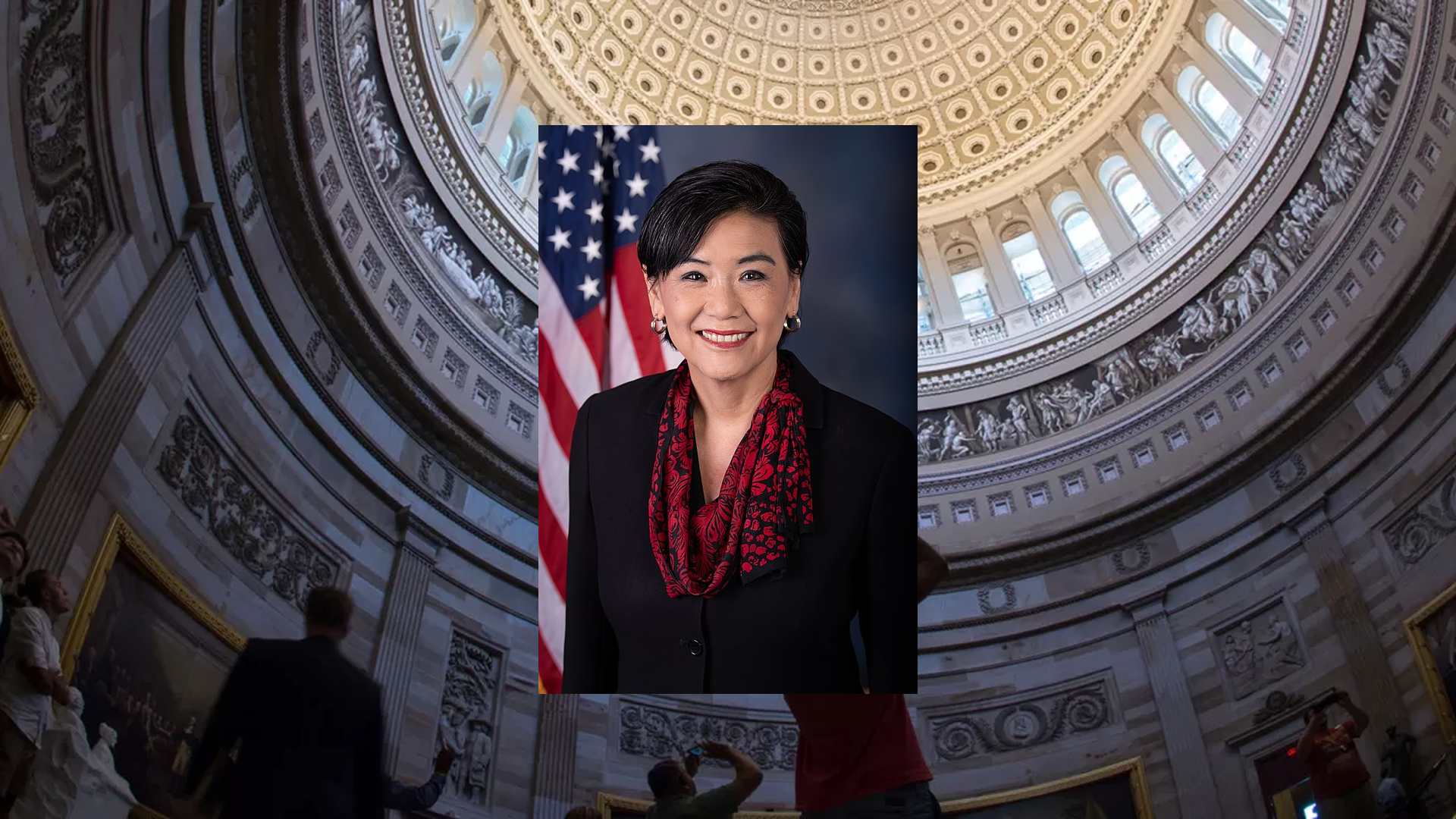
Representative Judy Chu Bill Proposals
Here are some bills which have recently been proposed by Representative Judy Chu:
- H.R.9699: To require the Department of Health and Human Services to release documents, communications, and other information relating to most favored nation pricing agreements and other private or confidential drug pricing deals struck with manufacturers, and for other purposes.
- H.R.9400: American Rescuers of the Holocaust Congressional Gold Medal Act of 2026
- H.R.9024: Harry Lew and Danny Chen Military Justice Reform Act
- H.R.8604: Language Access Board Act of 2026
- H.R.8498: Increasing Access to Foster Care Through Age 21 Act
- H.R.7608: Southeast Asian Deportation Relief Act of 2026
You can track bills proposed by Representative Judy Chu on Quiver Quantitative's politician page for Chu.
Representative Judy Chu Net Worth
Quiver Quantitative estimates that Representative Judy Chu is worth $15.0M, as of July 18th, 2026. This is the 89th highest net worth in Congress, per our live estimates.
Chu has approximately $7.1M invested in publicly traded assets which Quiver is able to track live.
You can track Representative Judy Chu's net worth on Quiver Quantitative's politician page for Chu.
Representative Judy Chu Stock Trading
We have data on up to $11.6M of trades from Representative Judy Chu, which we parsed from STOCK Act filings. Some of the largest trades include:
- A August 19th, 2025 sale of up to $250K of $ASTH. The stock has risen 51.26% since then.
- A January 10th, 2024 sale of up to $250K of $AMEH. The stock has risen 8.39% since then.
- A October 10th, 2018 sale of up to $100K of $ALL. The stock has risen 157.97% since then.
- A October 10th, 2018 sale of up to $100K of $IBM. The stock has risen 55.9% since then.
- A October 10th, 2018 sale of up to $50K of $DFS. The stock has risen 164.9% since then.
You can track Representative Judy Chu's stock trading on Quiver Quantitative's politician page for Chu.
2026 California's 28th Congressional District Election
There has been approximately $1,731,050 of spending in California's 28th congressional district elections over the last two years, per our estimates.
The rating for this race is currently "Solid D".
You can track this election on our matchup page for the 2026 California's 28th congressional district election.
This article is not financial advice. See Quiver Quantitative's disclaimers for more information.