

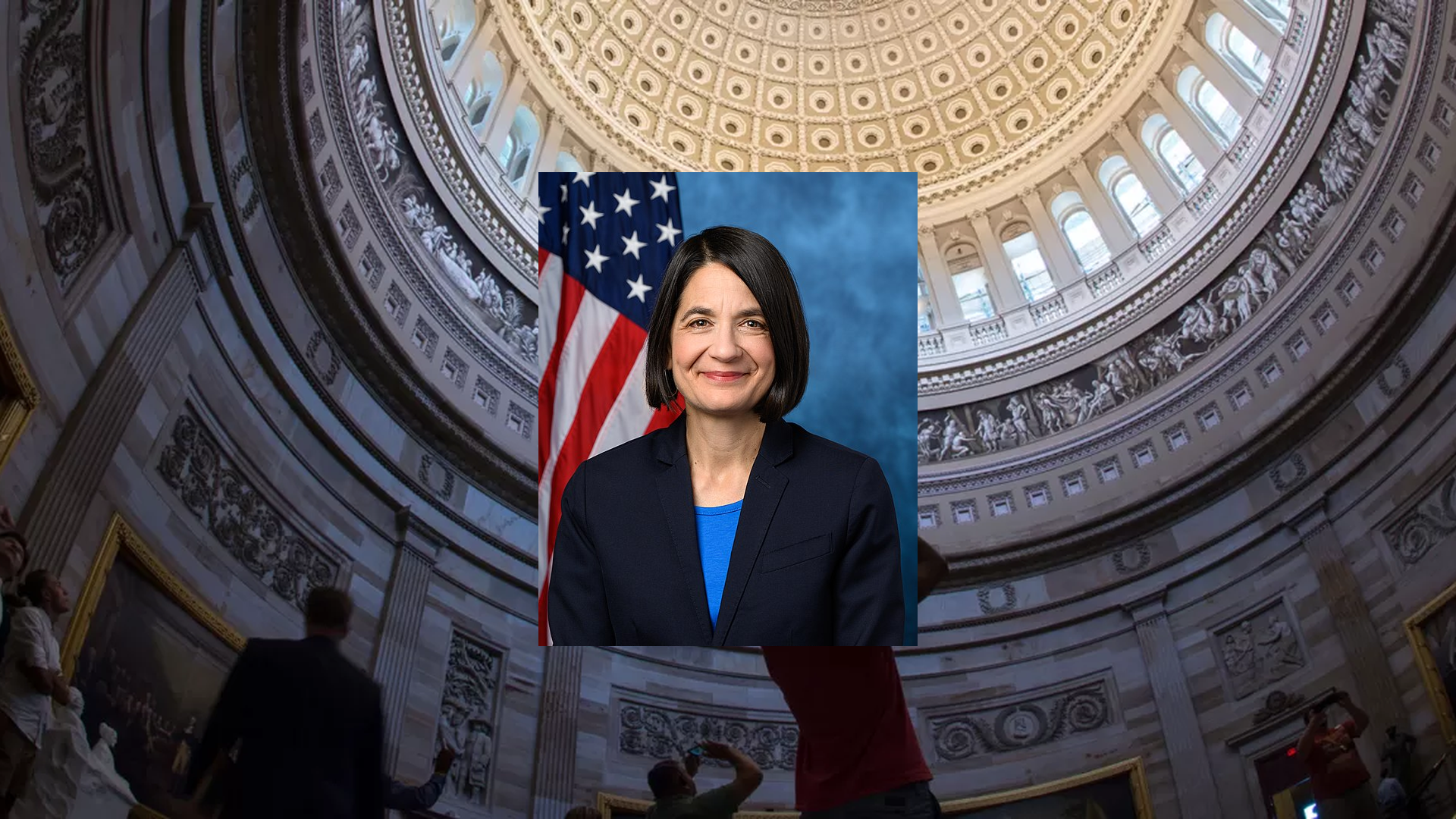
We have received text from H.R. 9799: Online Sellers’ Bill of Rights Act of 2026. This bill was received on 2026-07-21, and currently has 8 cosponsors.
Here is a short summary of the bill:
This bill would create a set of federal rules for large online marketplaces and similar platforms that can control a seller’s access to customers, tools, or services. Its main goal is to give third-party sellers more notice, explanation, and appeal rights when a platform takes action against their products, inventory, funds, or account.
What the bill requires
- FTC rulemaking: The Federal Trade Commission would have to write rules within 180 days to carry out the law.
- Limits on inventory holds: Platforms could not hold or block access to a seller’s inventory for more than 30 days unless they can meet a legal standard showing the goods are counterfeit or otherwise unlawful.
- Notice for inventory holds: If inventory is held, the platform would have to notify the seller in writing within 72 hours, explain why, and describe how to appeal.
- Limits on fund holds: Platforms could not withhold a seller’s money for more than 30 days unless they can show the funds came from unlawful transactions.
- Notice for frozen funds: Sellers would have to get written notice within 72 hours, including the reason and appeal process.
- Gated products: If a platform newly restricts a product after it has already entered its fulfillment system, the seller must be allowed to sell remaining inventory for at least 30 days, or get it returned at no cost, unless there is direct evidence the product is counterfeit or unlawful.
- Advance notice of policy changes: Platforms would have to give at least 30 days’ written notice before making material changes to product eligibility, listing restrictions, compliance/documentation requirements, or commission/fee structures.
- More detailed investigation notices: If a seller is under investigation, suspended, or deactivated, the platform would have to provide the specific rule allegedly violated, the relevant facts or documents, the proposed penalty, and the steps and timeline for appeal or resolution. Generic form responses would not be enough.
- No action based only on suspicion: A seller could not be suspended, deactivated, have inventory withheld, or have funds frozen solely because of suspicion. The platform would have the burden of proving a violation.
Enforcement
- Violations would be treated as an unfair method of competition under the Federal Trade Commission Act.
- State attorneys general could sue on behalf of residents of their states.
- Private parties who are harmed could sue in federal court, even if an arbitration agreement says otherwise, and could seek treble damages plus court costs and attorney’s fees.
Definitions and scope
- The bill applies to “critical trading partners,” meaning platforms or intermediaries that can limit a business’s access to customers or to tools and services needed to serve customers.
- A “third-party seller” is a business selling on a dominant platform that it does not own or control.
- The bill says it does not change how existing laws treat a company’s status as a seller, merchant, distributor, supplier, or manufacturer for other legal purposes.
Timing
- The law would take effect 180 days after enactment.
Relevant Companies
- AMZN — Amazon operates a large third-party marketplace and fulfillment network, so the bill could affect how it handles seller inventory holds, fund holds, listing restrictions, and policy enforcement.
- EBAY — eBay operates a major online marketplace with third-party sellers, and could be affected by the bill’s notice, appeal, and fund/inventory hold requirements.
- MELI — MercadoLibre runs marketplace and fulfillment services in several markets and could be affected if comparable seller-protection rules are applied to its platform operations in the U.S. or related business activities.
Representative Becca Balint Bill Proposals
Here are some bills which have recently been proposed by Representative Becca Balint:
- H.R.9799: To establish a bill of rights for third-party sellers on critical trading partners, and for other purposes.
- H.R.9572: BUFFER Act
- H.R.9540: Community Housing Act of 2026
- H.R.8093: Privacy Protection Updates Act
- H.R.7394: Mental Health Career Promotion Act
- H.R.7277: Emergency Medical Services Reimbursement for On-Scene and Support Act
You can track bills proposed by Representative Becca Balint on Quiver Quantitative's politician page for Balint.
Representative Becca Balint Net Worth
Quiver Quantitative estimates that Representative Becca Balint is worth $2.0M, as of July 27th, 2026. This is the 259th highest net worth in Congress, per our live estimates.
Balint has approximately $292.9K invested in publicly traded assets which Quiver is able to track live.
You can track Representative Becca Balint's net worth on Quiver Quantitative's politician page for Balint.
2026 Vermont's 0th Congressional District Election
There has been approximately $1,660,635 of spending in Vermont's 0th congressional district elections over the last two years, per our estimates.
Approximately $314,638 of this has been from outside spending by PACs and Super PACs.
The rating for this race is currently "Solid D".
You can track this election on our matchup page for the 2026 Vermont's 0th congressional district election.
This article is not financial advice. See Quiver Quantitative's disclaimers for more information.