

Paramount Skydance’s (PARA) $108 billion hostile bid for Warner Bros. Discovery (WBD) has upended the media landscape, escalating a high-stakes battle for control of one of Hollywood’s most important content libraries. The $30-per-share all-cash proposal surpasses Netflix’s (NFLX) earlier $27.75 cash-and-stock offer and aims to acquire the entire company rather than just its studios and streaming business. CEO David Ellison argued that the bid provides “superior value” and a faster, more certain regulatory path — a claim that will be tested as both sides court shareholders and brace for global antitrust scrutiny.
The offer arrives just days after Warner Bros. agreed to merge parts of its business with Netflix, a deal that includes a planned spinoff of its cable assets such as CNN, TNT and Discovery Channel. Paramount disputes the implied value of that arrangement, asserting that its own offer delivers roughly $18 billion more in cash. Analysts remain divided: some value the spinoff at closer to $2 a share, while Bloomberg Intelligence estimates the cable assets could be worth twice that. The unresolved valuation gap now sits at the center of a sharply intensifying bidding war.
Market Overview:- Paramount launches $108B hostile bid, topping Netflix’s offer for Warner Bros. Discovery
- Warner Bros. shares rise 5.8% while Paramount gains 5% and Netflix drops 4.7%
- Regulatory scrutiny looms as both bidders face global antitrust and national security reviews
- Paramount says its all-cash bid delivers $18B more to shareholders than Netflix’s structure
- Financing includes $11.8B from the Ellison family and $24B from Middle Eastern sovereign funds
- Breaking the Netflix deal would trigger a $2.8B breakup fee for Warner Bros.
- Warner Bros. reportedly wants ~$33 a share to reconsider its Netflix agreement
- Prediction markets slash odds of Netflix closing the acquisition to 16%
- Paramount expected to appeal directly to regulators and lawmakers to block Netflix’s path
- Paramount Skydance’s $108 billion all-cash hostile bid offers Warner Bros. Discovery shareholders a higher headline price and roughly $18 billion more immediate cash than Netflix’s partly stock-based proposal, giving investors clearer value and less exposure to future market volatility.
- By seeking to acquire the entire company rather than just studios and streaming, Paramount can pursue deeper cost synergies across film, TV, streaming, and cable, potentially unlocking substantial EBITDA improvements and balance-sheet efficiencies over time.
- The diversified financing package — including $11.8 billion from the Ellison family and $24 billion from Middle Eastern sovereign funds alongside RedBird and Affinity — signals strong, long-duration capital support for the transaction and future content investment.
- Prediction markets cutting Netflix’s deal-closure odds to the mid-teens while pushing Warner Bros. shares higher suggests investors see real optionality for a bidding war that could push the ultimate takeout price closer to, or above, the rumored $33-per-share threshold.
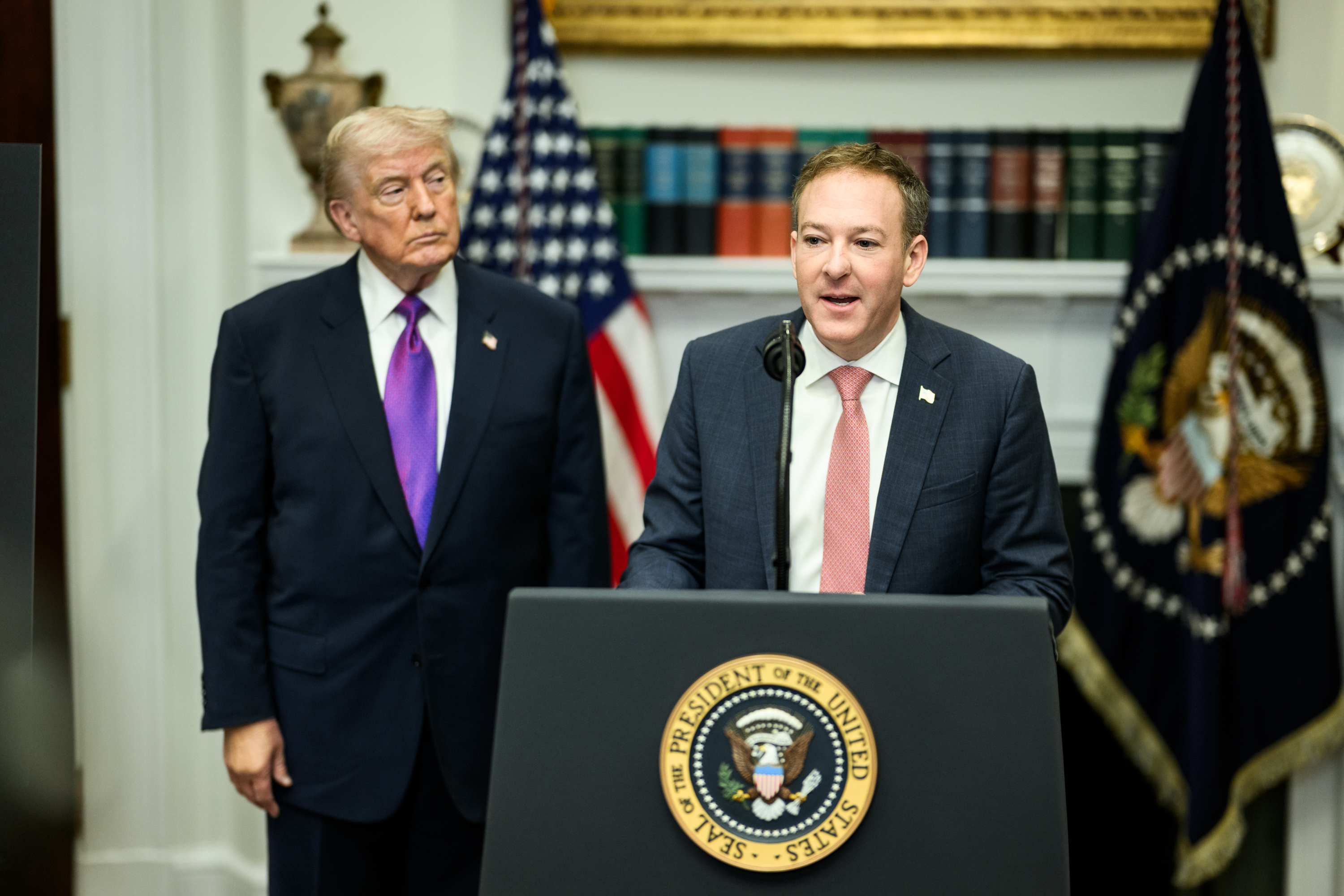
- Regulatory and political headwinds aimed at Netflix’s market share, including comments from President Trump, could tilt the approval landscape in Paramount’s favor, especially if Paramount positions itself as the less dominant streaming consolidator.
- For media investors, the battle highlights how strategic value for premium IP, franchises, and global distribution remains high, supporting the case that quality content libraries and scalable platforms can still command significant control premiums.
- Both Paramount and Netflix face intense global antitrust and national-security scrutiny; regulators may balk at further concentration in streaming and content, delaying or blocking deals and creating prolonged uncertainty for Warner Bros. shareholders.
- Paramount’s heavy reliance on external financing — including sovereign wealth capital — raises questions about governance influence, potential political backlash, and whether national-security reviews (even if not strictly required) become de facto hurdles.
- The $2.8 billion breakup fee owed to Netflix makes it costly for Warner Bros. to walk away, effectively lowering the net value of Paramount’s offer unless the headline price rises further, which could erode deal economics and future returns for the buyer.
- Analysts remain divided on the true value of the cable spinoff and CNN/TNT/Discovery assets; if they are ultimately worth closer to the low end of estimates, the strategic rationale and valuation gap that Paramount is highlighting may prove overstated.
- Even if one deal closes, integrating massive, overlapping content portfolios, restructuring linear cable, and rationalizing multiple streaming brands will be complex, expensive, and politically sensitive, with significant execution and synergy-risk over several years.
- For investors, the escalating bidding war risks overpayment: as prices chase the rumored $33-per-share ask and beyond, the winner may face a tough path to earn
Paramount’s financing package — supported by the Ellison family, several Middle Eastern sovereign funds, RedBird Capital and Affinity Partners — underscores the scale of capital now backing consolidation in the entertainment industry. The company maintains that the deal should avoid a CFIUS review despite its international funding sources. Netflix, meanwhile, faces political pressure after President Donald Trump warned that its market share “could be a problem” for regulators. With a massive breakup fee at stake and rival bidders escalating their tactics, Warner Bros. shareholders now hold significant leverage in determining the next chapter of the U.S. media sector.
Warner Bros. is expected to demand a higher price — around $33 per share — to walk away from Netflix’s agreement, setting the stage for additional offers or revised bids. As the companies vie for control of premium IP, global streaming scale, and linear cable monetization, analysts expect a prolonged contest involving regulators, investors, and policymakers. The outcome could reshape competitive dynamics across Hollywood, influencing everything from content production and distribution to streaming economics and corporate ownership structures for years to come.