S. 5752: Know Your Risk Act
This bill would direct the federal government to take steps to increase the use of breast cancer risk assessment tools in medical care.
What it would create
Within 180 days after enactment, the Secretary of Health and Human Services would have to create an Interagency Task Force focused on boosting the use of evidence-based breast cancer risk assessment tools. These tools estimate a person’s likelihood of developing invasive breast cancer based on factors such as personal health history, family history, reproductive history, genetic information, age, and breast density.
What the task force would do
The task force would be responsible for:
- Developing ways to improve access to, awareness of, and evaluation of these risk tools.
- Helping identify how people can better access genetic counseling and testing when needed before using the tools.
- Giving guidance on when and how the tools should be used for different populations.
- Studying barriers that keep doctors and health systems from using the tools.
- Recommending improvements to address weaknesses in the tools’ accuracy.
- Suggesting ways to increase access to follow-up care when the tools show someone may be at higher risk, such as:
- additional imaging or screening,
- genetic counseling and testing, and
- risk-reducing medications, when appropriate and consistent with clinical guidelines.
Who would be on the task force
The task force would include federal health officials, nonprofit breast cancer experts, medical and scientific experts, organizations that issue clinical guidelines, and people who have breast cancer or are at higher risk of getting it. The chair would be selected from NIH representatives.
Reports and public information
The task force would have to send annual reports to congressional committees, and those reports would have to be posted publicly in an easy-to-access online format.
Research and model improvement
The bill would require the National Institutes of Health, through the Secretary of Health and Human Services, to support ongoing research aimed at improving breast cancer risk tools. That research would focus on:
- making the tools more accurate for groups where they currently do not perform well,
- addressing data gaps so the tools better reflect a wider range of people, and
- exploring the use of artificial intelligence in improving the models.
Within one year, the Secretary would need to report to Congress on the progress and findings of that research, along with recommendations.
Education and clinical training
Within one year, and every two years after that, NIH would need to update and expand public educational materials about these risk tools. Those materials would need to explain both what the tools can do and their limitations, provide evidence-based guidance for clinicians, and address populations whose risk is not well captured by current tools. NIH would also need to work with medical and nursing organizations to update and spread training materials for clinicians.
Relevant Companies
- None found
This is an AI-generated summary of the bill text. There may be mistakes.
Sponsors
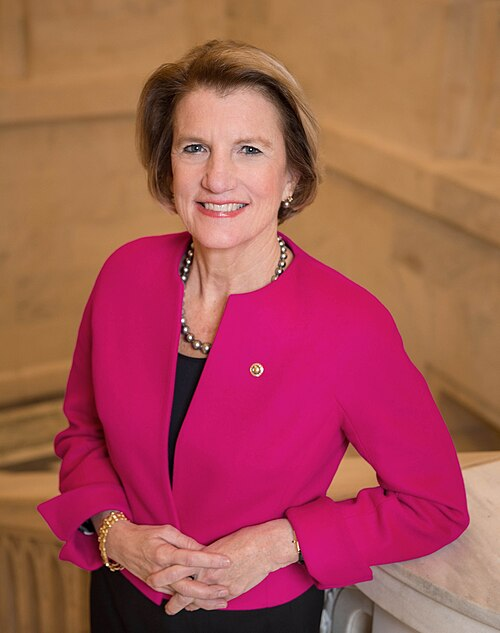
2 bill sponsors

Actions
2 actions
| Date | Action |
|---|---|
| Nov. 18, 2026 | Introduced in Senate |
| Nov. 18, 2026 | Read twice and referred to the Committee on Health, Education, Labor, and Pensions. |
Corporate Lobbying
0 companies lobbying
None found.
* Note that there can be significant delays in lobbying disclosures, and our data may be incomplete.
Potentially Relevant Congressional Stock Trades
No relevant congressional stock trades found.