S. 5729: Fentanyl Awareness for Children and Teens in Schools Act
This bill would create a federal program aimed at preventing fentanyl and other synthetic opioid misuse and overdose among school-age children and teenagers, especially high school students.
School-based grants and education
The bill would direct the Secretary of Health and Human Services, working with the Secretary of Education, to run a 3-year competitive grant program. Up to 25 partnerships could receive grants. These partnerships would generally need to include a school agency and a public health partner, such as a state or local health agency, tribal health organization, or an experienced nonprofit.
Grant money could be used for evidence-based activities such as:
- Creating classroom materials for teachers and sharing them with parents and caregivers
- Training school staff, including teachers, principals, counselors, and support personnel
- Holding workshops and other educational events for students and families
- Running outreach campaigns, including through social media
- Setting up peer-to-peer counseling or support programs for students
- Other activities the Secretary approves
The bill would also allow grantees to hire nonprofits with experience in substance misuse prevention and recovery support. Applicants would have to show local need, explain how they would use the funds, describe coordination with other agencies, and show how the program would be culturally and linguistically appropriate.
Grant oversight and information sharing
Grant recipients would have to report on what they did and whether the program helped reduce synthetic opioid misuse and overdoses among students. The federal government would review the grants, collect the results, and make summaries and best practices publicly available.
The bill says the grants should supplement, not replace, other federal or state funding. It also authorizes whatever sums are needed for fiscal years 2027 through 2029, with up to 5% reserved for evaluation and technical assistance.
Federal task force
The bill would create an interagency task force within 90 days of enactment. It would be led by the Secretary of Health and Human Services and include other federal officials from education, public health, mental health, child welfare, disease control, research, and the Surgeon General’s office, plus some nonfederal members such as parents who have lost children to fentanyl or other synthetic opioid overdoses and nonprofit representatives.
The task force would have to:
- Review existing federal, state, and local efforts
- Identify best practices for prevention, screening, diagnosis, intervention, and treatment
- Identify funding opportunities
- Create and update a national strategy for youth synthetic opioid prevention
Changes to education law
The bill would amend the Elementary and Secondary Education Act so that:
- School staff training can include instruction on preventing and responding to synthetic opioid misuse
- Local school plans must explain how they will work with parents, public health officials, and school staff to address this issue
- State education plans must explain how states will support local districts in this work
Changes to federal data collection
The bill would expand federal school safety and youth drug-use data collection to better track synthetic opioids. It would add questions or indicators related to fentanyl and other synthetic opioids in several federal surveys and data systems, including:
- The National Center for Education Statistics school crime and safety data
- The Monitoring the Future survey
- The Youth Risk Behavior Survey
It would also require CDC to evaluate how well a federal overdose reporting system captures data about synthetic opioids affecting secondary school-aged children.
School-based health centers
The bill would clarify that school-based health centers may use certain federal funds to buy naloxone, the medicine used to reverse opioid overdoses, and to support other programs aimed at preventing synthetic opioid misuse.
Relevant Companies
None found
This is an AI-generated summary of the bill text. There may be mistakes.
Sponsors
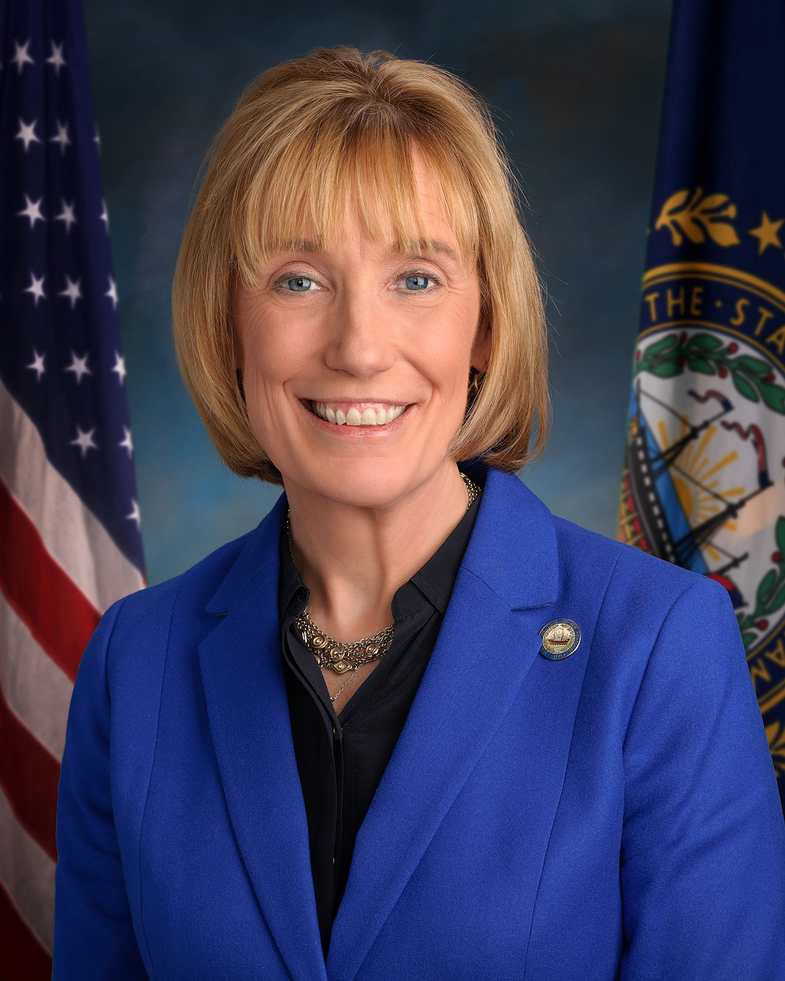
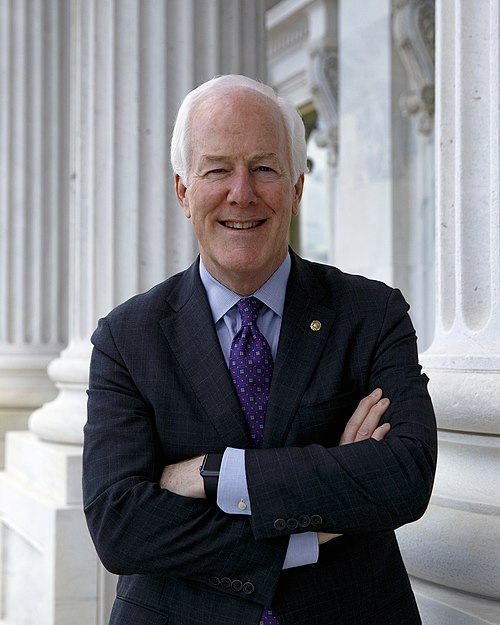
2 bill sponsors
Actions
2 actions
| Date | Action |
|---|---|
| Nov. 17, 2026 | Introduced in Senate |
| Nov. 17, 2026 | Read twice and referred to the Committee on Health, Education, Labor, and Pensions. |
Corporate Lobbying
0 companies lobbying
None found.
* Note that there can be significant delays in lobbying disclosures, and our data may be incomplete.
Potentially Relevant Congressional Stock Trades
No relevant congressional stock trades found.