
S. 5703: VA Home Loan Navigator Act
This bill would create a new VA program to give borrowers who use VA home loan benefits access to free, voluntary counseling and support services.
What the program would do
Within 180 days of enactment, the Department of Veterans Affairs would have to set up a program to help people using VA-backed home loans. The VA could work with nonprofit organizations to run or coordinate the program.
The support services could include:
- one-on-one housing and financial counseling;
- education about VA home loan benefits;
- help getting or fixing a certificate of eligibility;
- guidance on applying for, refinancing, or closing a loan;
- help understanding appraisal rules, property standards, and loan paperwork;
- assistance with loan servicing issues;
- counseling on avoiding foreclosure and other loss-mitigation options;
- help coordinating between the borrower, mortgage servicer, and VA;
- information about borrower costs, fees, and financial obligations, including broker commissions.
Who could provide the services
The VA could designate nonprofit organizations to administer, coordinate, or provide these services. Different nonprofits could be used for different parts of the program, such as training or direct counseling.
To qualify, an organization would generally need to:
- be a nonprofit;
- have the capacity to carry out the work;
- have experience serving veterans, service members, and military families;
- for direct support services, be approved for HUD homeownership and rental counseling.
Training and certification requirements
The bill would require the VA to create a special certification for people who provide these services. The VA, working with nonprofits, would set standards for training, testing, certification, continuing education, recertification, and performance.
Anyone providing the support services would have to:
- be certified as a housing counselor by HUD;
- complete and maintain the VA’s new specialty certification;
- meet any VA training requirements for counseling on VA home loans.
Limits and consumer protections
The support services would have to be:
- voluntary for borrowers;
- free for the individuals receiving help;
- provided by a neutral intermediary, not as an agent of a lender, servicer, or real estate professional.
The bill also bars designated entities and their workers from steering borrowers to specific commercial providers in exchange for payment or anything else of value. They would have to disclose any actual or potential conflicts of interest. The VA would have to set procedures to preserve borrower choice, transparency, and compliance with federal consumer protection laws.
Funding, coordination, and oversight
The VA could use contracts, grants, or other assistance to support the program. It could also coordinate with the Department of Housing and Urban Development to use existing counseling resources and reduce duplicate reporting.
The VA would have to report to Congress two years after the program starts and every two years after that. Those reports would look at things like:
- use of VA home loan benefits;
- foreclosure prevention outcomes;
- loss mitigation completion rates;
- how often borrowers fall behind again after loss mitigation;
- whether the program is cost-effective.
Enforcement
The VA could suspend or revoke a designation, certification, grant, or contract if requirements are violated. It could also refer fraud, abuse, or unlawful activity to the VA Inspector General.
Relevant Companies
None found
This is an AI-generated summary of the bill text. There may be mistakes.
Sponsors
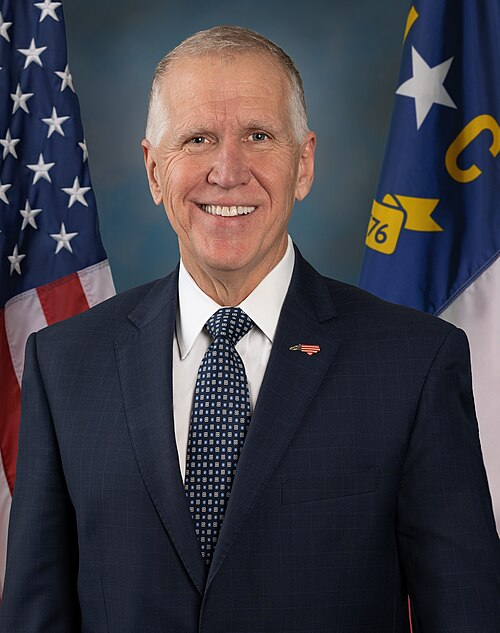
2 bill sponsors
Actions
2 actions
| Date | Action |
|---|---|
| Nov. 10, 2026 | Introduced in Senate |
| Nov. 10, 2026 | Read twice and referred to the Committee on Veterans' Affairs. |
Corporate Lobbying
0 companies lobbying
None found.
* Note that there can be significant delays in lobbying disclosures, and our data may be incomplete.
Potentially Relevant Congressional Stock Trades
No relevant congressional stock trades found.