S. 5698: Protect U.S. Preventive Services Task Force Integrity Act
This bill would change how the U.S. Preventive Services Task Force, a panel that recommends preventive health services, is staffed and how its recommendations are handled.
What the bill would do
- Keep the Task Force under the Health and Human Services Secretary’s oversight. The bill says the Secretary can review and block new or updated Task Force recommendations before they take effect.
- Limit the Secretary’s ability to direct outcomes. It also says the Secretary cannot directly order the Task Force to issue, change, eliminate, revise, or downgrade a recommendation.
- Prevent changes to certain recommendations based on department priorities. The Task Force would be barred from changing or lowering a recommendation simply because it no longer matches the Department’s priorities.
- Restructure membership rules. The Task Force would have 16 members appointed by the Secretary, serving staggered four-year terms.
- Set qualification standards. Members would be expected to have expertise in areas like preventive medicine, primary care, evidence review, or related research methods.
- Restrict conflicts of interest. The bill tightens the process for granting waivers when a prospective member has financial interests that could create conflicts. Any waiver would need Office of Government Ethics approval, specific disclosure, recusal requirements, and public reporting to Congress and the public.
- Require outside input on nominations. The Comptroller General (head of the GAO) would review applications and recommend candidates, and the Secretary would have to consider those recommendations.
- Open the nomination process. When vacancies occur, the Secretary would have to publish a public solicitation for nominations within a set time.
- Require regular meetings. The Task Force would have to meet at least three times per year to vote on recommendations and related developments.
- Lock in procedures unless changed by formal rulemaking. The Task Force’s current procedure manual from April 2023 would govern unless updated through the federal rulemaking process.
- Protect preventive service coverage timing. For health plans, the bill says the government generally could not delay when a preventive service coverage requirement takes effect unless the delay is evidence-based and follows the Task Force’s procedures.
- Limit changes during transitions between old and new recommendations. If a recommendation is new or updated, the government could not change the earlier recommendation before the new coverage start date unless the change is evidence-based and follows the Task Force’s procedures.
Practical effect
In plain terms, the bill is designed to make the Task Force more independent, more transparent, and more tightly governed by formal rules. It also aims to ensure that preventive services recommended by the Task Force continue to be covered without cost-sharing under existing law, and that changes to those recommendations cannot be delayed or altered without a scientific basis and use of established procedures.
Relevant Companies
None found
This is an AI-generated summary of the bill text. There may be mistakes.
Sponsors
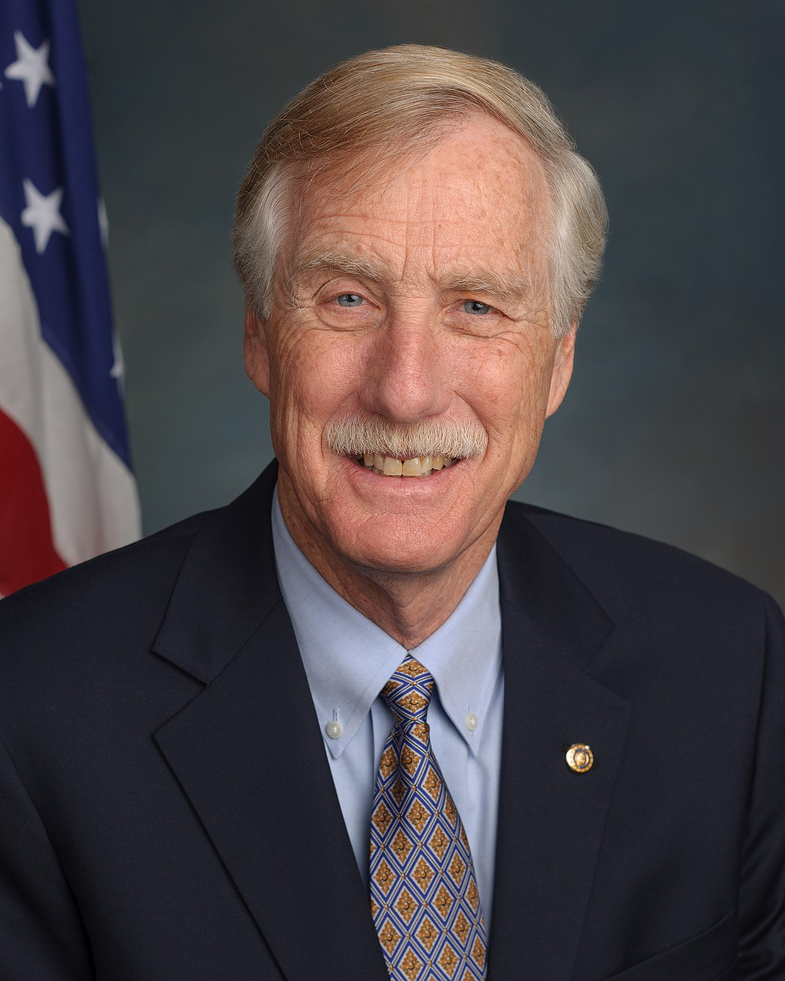
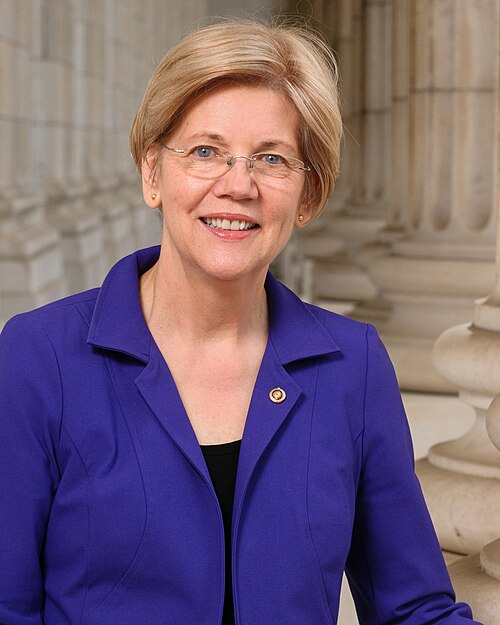
2 bill sponsors
Actions
2 actions
| Date | Action |
|---|---|
| Nov. 10, 2026 | Introduced in Senate |
| Nov. 10, 2026 | Read twice and referred to the Committee on Health, Education, Labor, and Pensions. |
Corporate Lobbying
0 companies lobbying
None found.
* Note that there can be significant delays in lobbying disclosures, and our data may be incomplete.
Potentially Relevant Congressional Stock Trades
No relevant congressional stock trades found.