
S. 5657: Survivor Outreach and Support Campus Act
This bill would require colleges and universities that receive federal student aid money to appoint an independent advocate for campus sexual assault prevention and response.
What the advocate would do
The advocate would be a person chosen for experience and ability in helping sexual assault survivors. The person would have to be independent from the office that investigates and decides sexual assault cases at the school, so their role would be separate from the school’s disciplinary process.
Schools would have to tell any student who reports a sexual assault about the advocate, including how to contact them and what services they provide.
Services the advocate would help provide
With the survivor’s consent, the advocate would help connect students to services such as:
- Information on how to report the assault to law enforcement
- Emergency medical care and follow-up care
- Forensic or evidentiary exams
- Crisis counseling and ongoing counseling
- Information about the survivor’s rights and referrals to support services
- Information on legal services
How services could be delivered
The bill would allow schools to provide these services in one of two ways:
- Through an agreement with a nearby rape crisis center, legal organization, or similar community group, including transportation; or
- On campus, in coordination with such outside organizations.
Protections for survivors and the advocate
The advocate would be allowed to help a student even if the student wants to keep the report confidential. The bill says the advocate must protect the privacy of survivors and witnesses, and generally may not reveal their identity or details of the assault unless state law requires it.
The bill also says a survivor may not be punished or retaliated against for reporting to the advocate. In addition, the advocate could not be disciplined or penalized by the school for representing the survivor’s interests, even if those interests conflict with the institution’s interests.
Additional duties
The advocate would also be expected to:
- Help survivors navigate reporting, counseling, academic accommodations, medical, and legal processes
- Attend school disciplinary or administrative proceedings at the survivor’s request
- Conduct outreach so students know the advocate exists and how to reach them
- Work with the school to post information on websites, orientation materials, and posters around campus
- Help train staff such as coaches, faculty, administrators, and resident advisors on how to refer students to the advocate
Reporting and implementation
The Department of Education would have to issue regulations within 180 days to set rules for how schools appoint these advocates. Each advocate would have to report to someone outside the school’s sexual assault investigation and adjudication process, and provide an annual report on how the resources were used, including how many male and female survivors were helped.
Relation to existing law
The bill says it would not change schools’ existing duties under the Clery Act or Title IX. It adds this advocate requirement on top of those existing rules.
Relevant Companies
None found
This is an AI-generated summary of the bill text. There may be mistakes.
Sponsors
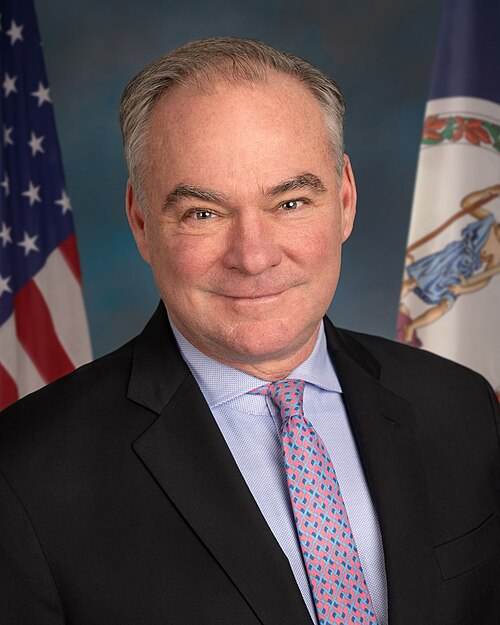
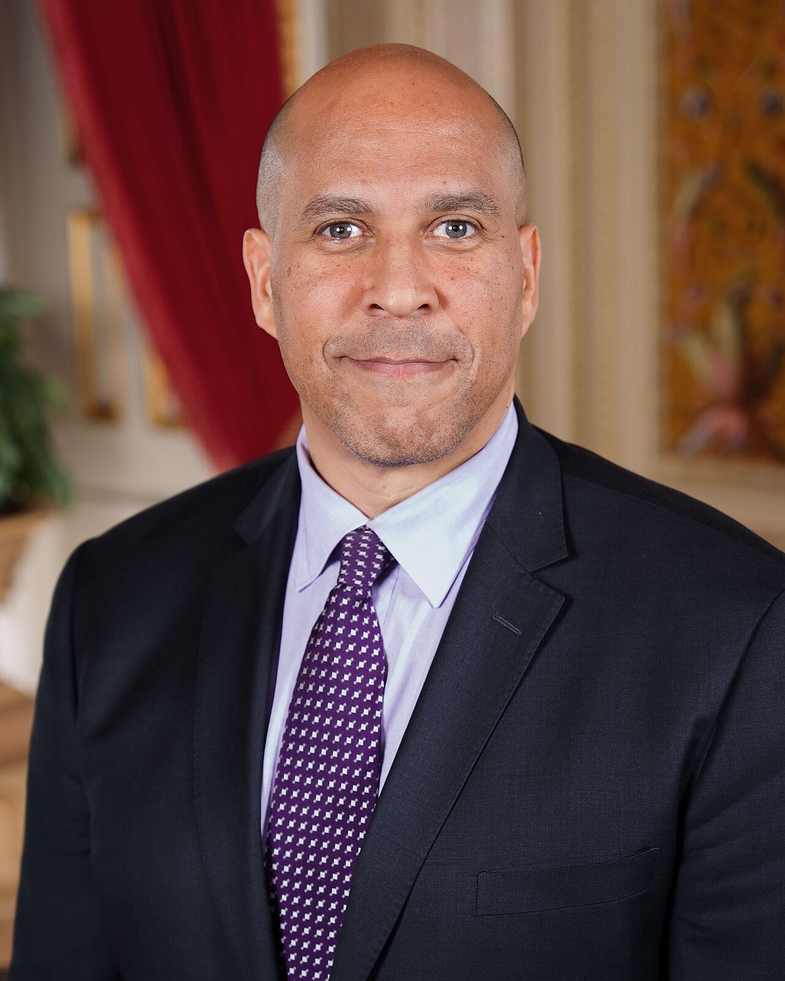
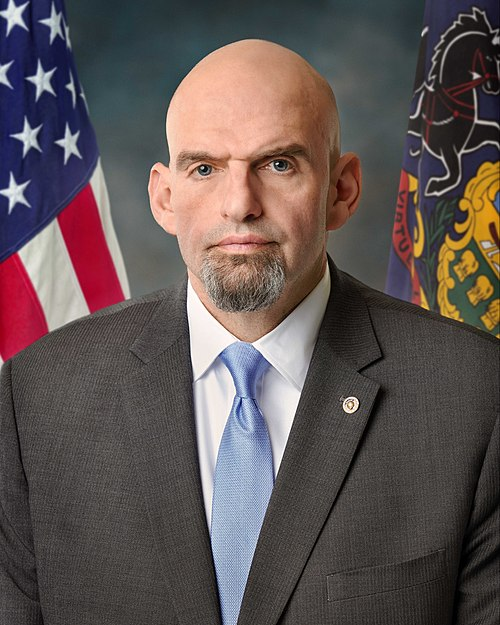
3 bill sponsors
Actions
2 actions
| Date | Action |
|---|---|
| Sep. 30, 2026 | Introduced in Senate |
| Sep. 30, 2026 | Read twice and referred to the Committee on Health, Education, Labor, and Pensions. |
Corporate Lobbying
0 companies lobbying
None found.
* Note that there can be significant delays in lobbying disclosures, and our data may be incomplete.
Potentially Relevant Congressional Stock Trades
No relevant congressional stock trades found.