
S. 5635: Arts Education for All Act
This bill would expand the role of arts education across several federal education and juvenile justice programs. In plain terms, it would direct states, school districts, child care providers, and some youth-serving programs to give more attention to music, visual arts, theater, dance, and other arts-related learning, and to report more information about those programs.
Early childhood programs
The bill would update federal child care grant rules to encourage training for child care providers on age-appropriate, evidence-based ways to support children’s development. It specifically adds arts-related learning as one of the teaching methods that can be used across subjects. It also defines “key programmatic strategies” to include nutrition, physical activity, appropriate screen media use, and teaching methods that use the arts alongside language, literacy, math, science, and social studies.
K-12 education plans and school reporting
For elementary and secondary schools, the bill would require states to explain how they will:
- support a variety of arts education opportunities as part of efforts to improve student achievement;
- integrate arts instruction into the curriculum;
- increase the number of arts educators and arts specialists in schools;
- use partnerships with teaching artists to help train teachers to use creative thinking in other subjects;
- make sure arts instruction is standards-based and sequenced across grade levels;
- increase the number of classes taught by arts educators, especially in schools with many low-income students, students with disabilities, English learners, or students of color; and
- support arts and creative youth development in afterschool and summer programs.
Local school districts would also have to describe how they will support arts learning and use arts education to help improve student achievement.
The bill would also require state and local school report cards to include more information about arts courses, such as:
- how many arts courses are offered and in what sequence;
- student-to-teacher ratios in those courses;
- how much instructional time is spent in arts courses; and
- the share of schools, students, and arts classes taught by fully certified or licensed arts teachers, including comparisons between high-poverty and low-poverty schools.
School improvement and federal education funding
When schools are identified for improvement, the bill would require an evaluation of the arts courses offered during the school day and the qualifications of staff teaching them, including teaching artists. Based on that evaluation, schools would be expected to include or expand arts courses where appropriate.
It would also allow certain federal education funds to be used to improve pathways into arts teacher certification or licensure. Local districts using those funds would be required to provide professional development for arts teachers and for other teachers on how to integrate the arts into subjects like math, reading, English language arts, and science.
For 21st Century Community Learning Centers, the bill would add arts organizations and community arts nonprofits as permitted partners. It also broadens professional development language so arts education can be included.
Juvenile justice and reentry programs
The bill would require juvenile justice planning documents to describe how states coordinate with arts agencies, arts organizations, and creative youth development groups. For reentry and offender demonstration programs, it would specifically allow arts education programs and services to be used to help with reentry, reduce recidivism, and connect people to education and job opportunities.
Research, data, and national assessment
The bill would direct federal education research agencies to conduct more rigorous, large-scale research on what arts education methods work best, how much they cost, and whether they can be replicated or expanded. It would also add arts education to federal education statistics and data collection priorities.
Finally, it would require the National Assessment of Educational Progress board to select the arts as a subject to be assessed again at the same frequency and in the same grades, at a minimum, as before July 24, 2021.
Relevant Companies
None found
This is an AI-generated summary of the bill text. There may be mistakes.
Sponsors
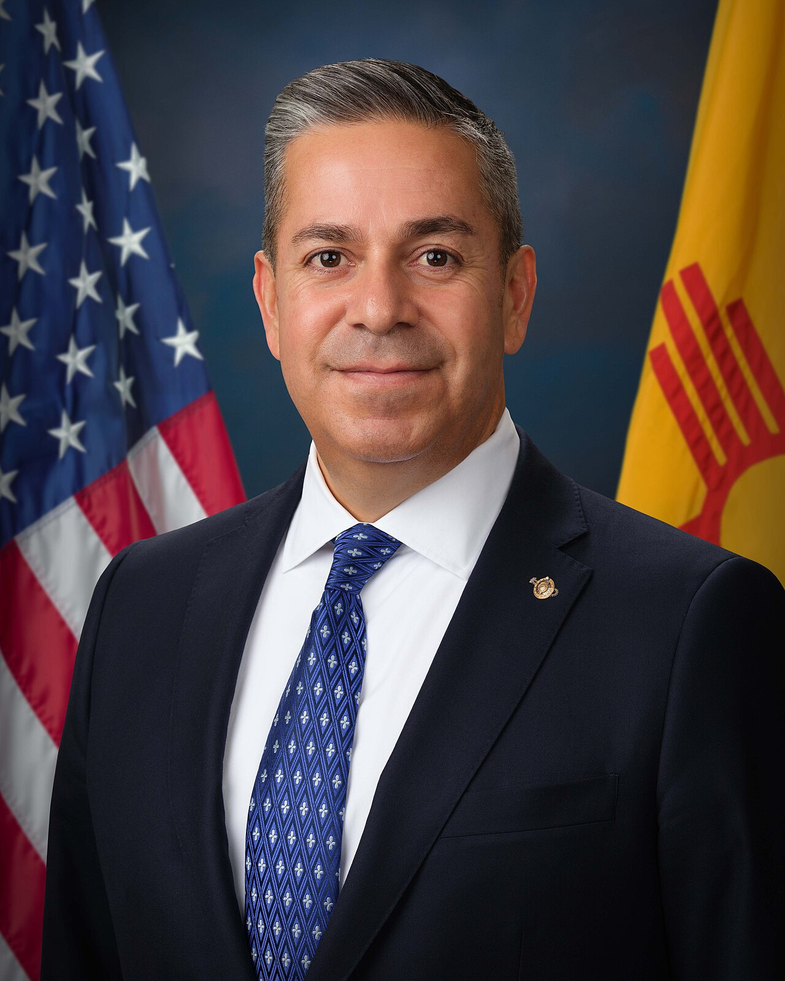
2 bill sponsors

Actions
2 actions
| Date | Action |
|---|---|
| Sep. 30, 2026 | Introduced in Senate |
| Sep. 30, 2026 | Read twice and referred to the Committee on Health, Education, Labor, and Pensions. |
Corporate Lobbying
0 companies lobbying
None found.
* Note that there can be significant delays in lobbying disclosures, and our data may be incomplete.
Potentially Relevant Congressional Stock Trades
No relevant congressional stock trades found.