S. 5618: Judicial Ethics Enforcement Act of 2026
This bill would create a new Inspector General for the judicial branch, similar to an internal watchdog office, to investigate certain problems in the federal courts.
What the new office would do
The bill sets up an Office of Inspector General for the Judicial Branch. Its job would be to look into alleged misconduct in the federal judiciary, detect waste, fraud, and abuse, and recommend changes to laws or regulations affecting the courts.
The office would be able to:
- Investigate misconduct in the judicial branch, including the Supreme Court.
- Conduct and supervise audits and investigations.
- Request information from government agencies and certain judicial branch entities, including the Judicial Conference, circuit judicial councils, the Administrative Office of U.S. Courts, and the U.S. Sentencing Commission.
- Issue subpoenas for witnesses and documents if needed.
- Hire staff, use contractors, and spend appropriated funds to carry out its work.
How the inspector general would be appointed
The Inspector General would be appointed by the Chief Justice of the United States after consultation with congressional leaders from both parties and both chambers. The inspector general would serve a 4-year term and could be reappointed. The Chief Justice could remove the inspector general, but would have to inform Congress of the reasons.
Limits on the office
The bill places several limits on what the inspector general could do:
- The office could not start certain investigations into lower federal judges under existing judicial misconduct procedures until those internal review steps are completed or a matter is referred onward.
- The office could not investigate the substance of a judge’s decision or procedural ruling.
- The office could not discipline or punish judges, justices, or courts.
Reporting requirements
The inspector general would have to submit:
- An annual report to the Chief Justice and Congress about the office’s activities.
- Prompt reports on matters that may require action by the Chief Justice or Congress.
- Reports involving sensitive matters could be sent to Congress in closed session.
If the office found signs of federal criminal law violations, it would have to report those findings quickly to the Attorney General.
Whistleblower protections
The bill would protect judicial branch employees from retaliation if they lawfully provide information or assist in an investigation about possible legal violations or misconduct. Employees who face retaliation could bring a civil lawsuit and seek relief.
Relevant Companies
None found
This is an AI-generated summary of the bill text. There may be mistakes.
Sponsors
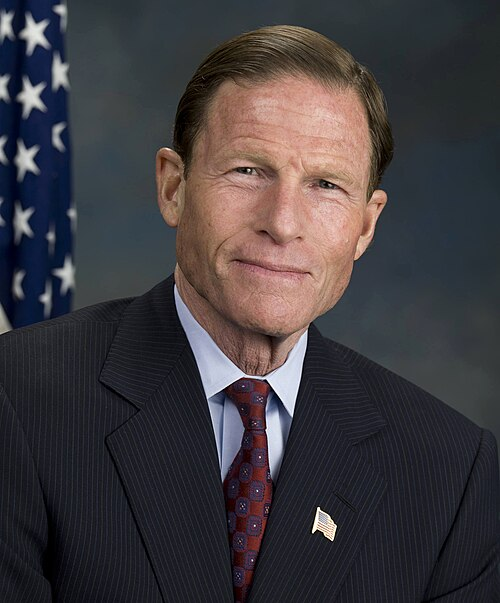
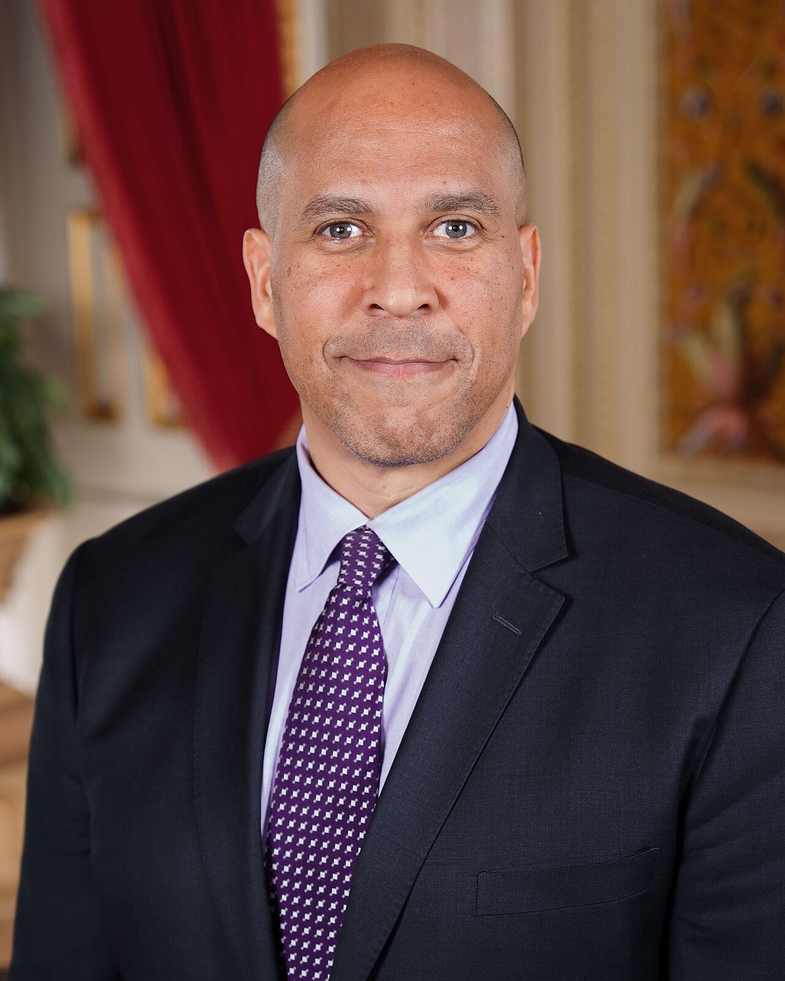
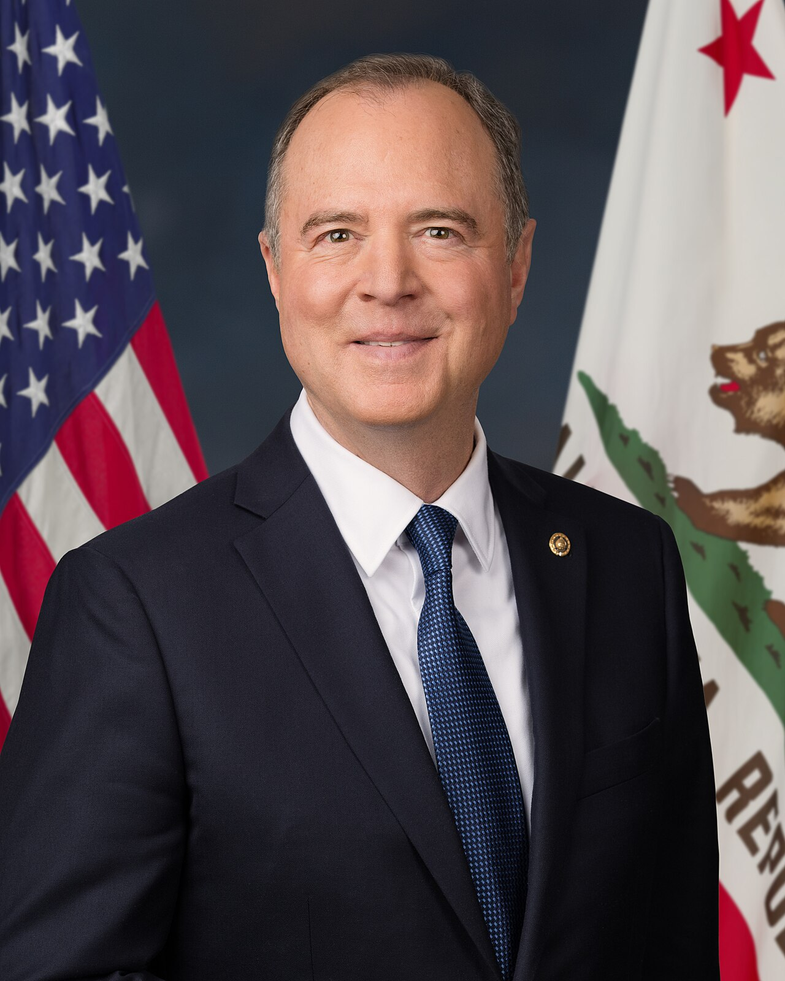
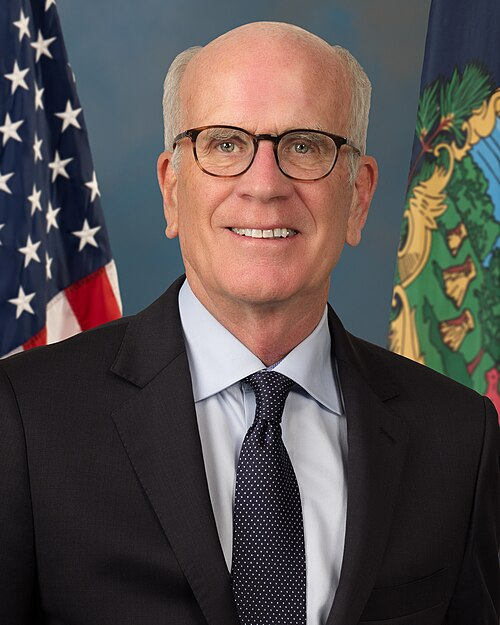
9 bill sponsors





Actions
2 actions
| Date | Action |
|---|---|
| Sep. 30, 2026 | Introduced in Senate |
| Sep. 30, 2026 | Read twice and referred to the Committee on the Judiciary. |
Corporate Lobbying
0 companies lobbying
None found.
* Note that there can be significant delays in lobbying disclosures, and our data may be incomplete.
Potentially Relevant Congressional Stock Trades
No relevant congressional stock trades found.