
S. 5610: Prohibiting Adversarial Patents Act of 2026
This bill would add a new rule to U.S. patent law aimed at certain people or entities the government considers a national security risk.
What the bill would do
It would prohibit the U.S. Patent and Trademark Office from issuing a patent to a person if that person, or certain related entities such as subsidiaries, affiliates, successors, assigns, legal representatives, or privies, is included on any of these lists:
- The Treasury Department’s Non-SDN Chinese Military-Industrial Complex Companies List
- The U.S. government’s list of Chinese military companies operating in the United States
- The Federal Communications Commission list of companies that produce or provide certain communications equipment or services covered by the Secure and Trusted Communications Networks Act
It would also make any U.S. patent held by such a person unenforceable during any period when the person remains on one of those lists. That means the patent could still exist, but the owner would not be able to use it in court to stop others from making, using, or selling the invention while the restriction applies.
The bill would further block these covered persons from using any expedited patent review process, including the Patent Prosecution Highway Program.
What it would not do
- It would not stop a covered person from filing a patent application.
- It would not generally stop the Patent Office from examining the application.
- It would not change who owns a patent or how long the patent lasts.
Waiver authority
The President could waive these restrictions for periods of up to 180 days at a time. Before doing so, the President would have to decide that applying the restriction is not necessary for an essential security interest and give Congress a detailed report at least 30 days in advance. The waiver would also have to be carried out consistently with U.S. international obligations.
Relevant Companies
Companies likely to be directly impacted include:
- HW — Cited by the bill’s covered-list framework if a company is designated on the relevant U.S. military-linked or communications-related restriction lists; if listed, it could lose patent enforceability during the period of designation.
- ZTCOY — If included on the relevant Chinese military company or communications-security lists, it could be barred from receiving enforceable patents while listed.
- HIHOY — Any covered subsidiary, affiliate, successor, or related entity on the applicable lists could face the same patent restrictions.
- CHL — If a communications or defense-related company were placed on the FCC or Treasury lists referenced by the bill, its patent rights could become unenforceable while the designation remains in effect.
This is an AI-generated summary of the bill text. There may be mistakes.
Sponsors
1 sponsor
Actions
2 actions
| Date | Action |
|---|---|
| Sep. 30, 2026 | Introduced in Senate |
| Sep. 30, 2026 | Read twice and referred to the Committee on the Judiciary. |
Corporate Lobbying
0 companies lobbying
None found.
* Note that there can be significant delays in lobbying disclosures, and our data may be incomplete.
Potentially Relevant Congressional Stock Trades
| Politician | Stock | Transaction | Filed | Traded | |
|---|---|---|---|---|---|
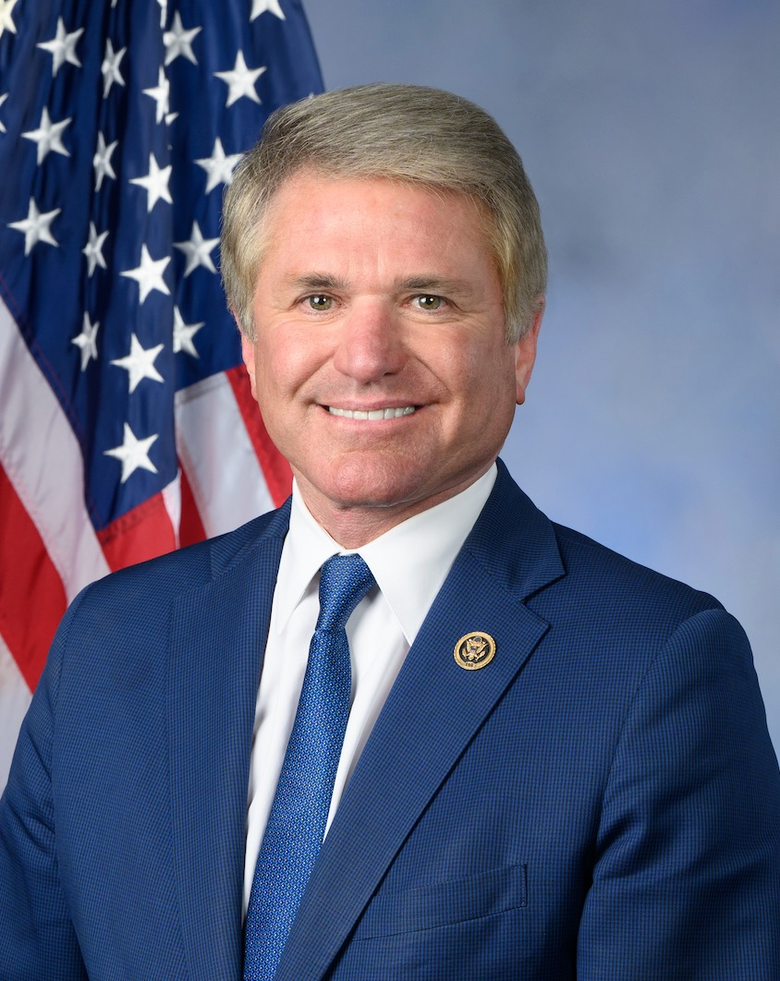
Michael T. McCaul
R / House
|

HW
LKCM HEADWATER INVESTMENTS IV LP
|
Purchase
$15,001 - $50,000
|
Jul 07, 2025 | Jul 05, 2025 | - |