
S. 5600: Dennis John Benigno Traumatic Brain Injury Program Reauthorization Act of 2026
This bill would reauthorize and update the federal Traumatic Brain Injury (TBI) program. In plain terms, it extends funding and adjusts the program so the federal government can continue collecting data, supporting state programs, and studying long-term effects of brain injuries.
What the bill changes
- Extends federal TBI programs through 2031. Several existing grant and funding authorities that were set to expire in 2024 would instead run through 2031.
- Updates the national TBI surveillance and registry program. The Centers for Disease Control and Prevention (CDC) would be directed to gather and publish more information about traumatic brain injuries and concussions.
- Expands the focus of data collection. The program would not just track how often TBIs happen, but also their prevalence, causes, risk factors, and outcomes, including short-term and long-term effects.
- Looks more closely at higher-risk populations. The law would require more attention to groups that may face a greater risk of TBI because of their jobs or other circumstances.
- Requires public reporting. The CDC would have to make aggregated TBI and concussion information publicly available, including information about higher-risk groups and prevention strategies tailored to them.
State grant programs
The bill would also extend and adjust state grant programs that support TBI-related projects. These grants help states and tribal programs with outreach, education, and services related to brain injury.
- States and tribal entities would be encouraged to consider populations at higher risk when designing outreach programs.
- The bill clarifies and updates the definition of “traumatic brain injury” for these grant programs.
- It preserves the ability of the Health and Human Services Secretary to revise that definition later, after consulting with states and other relevant organizations.
- It extends the authorization for these grants through 2031.
Reporting and research requirements
The bill would require the Secretary of Health and Human Services to provide Congress with a report within two years. That report would cover:
- groups that may be at higher risk for TBI, including people affected by domestic violence or sexual assault and public safety officers;
- what CDC surveys and activities already exist, and what gaps remain in data collection for those groups;
- outreach and education efforts aimed at higher-risk populations; and
- any obstacles to reaching those populations.
The bill would also require a separate study on long-term symptoms and conditions linked to TBI. That study would examine:
- how common chronic or long-lasting symptoms are after a brain injury;
- what research exists on long-term effects across a person’s life;
- whether TBI is connected to higher risks of other conditions, such as dementia and mental health conditions;
- what services are currently available; and
- where research gaps still exist.
After the study, the Secretary would have to send Congress a report with the findings and recommendations, and make it public if the study was done directly by the department.
Overall effect
Overall, the bill would continue federal TBI funding and programs, expand data collection and public reporting, sharpen attention to higher-risk groups, and require more research into the long-term consequences of brain injuries.
Relevant Companies
None found
This is an AI-generated summary of the bill text. There may be mistakes.
Sponsors
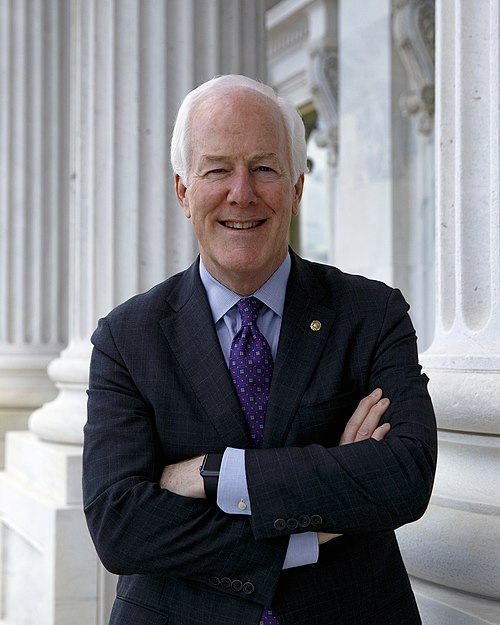
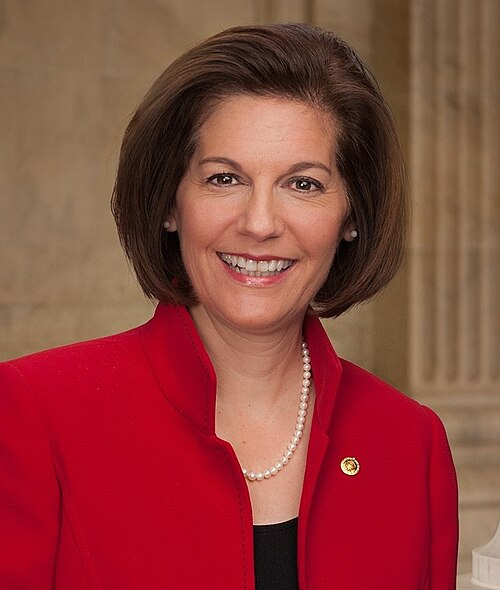
4 bill sponsors


Actions
6 actions
| Date | Action |
|---|---|
| Oct. 05, 2026 | Held at the desk. |
| Oct. 05, 2026 | Message on Senate action sent to the House. |
| Oct. 05, 2026 | Received in the House. |
| Sep. 29, 2026 | Introduced in Senate |
| Sep. 29, 2026 | Introduced in the Senate, read twice, considered, read the third time, and passed without amendment by Voice Vote. (consideration: CR S5185-5186; text: CR S5185-5186) |
| Sep. 29, 2026 | Passed/agreed to in Senate: Introduced in the Senate, read twice, considered, read the third time, and passed without amendment by Voice Vote. (consideration: CR S5185-5186; text: CR S5185-5186) |
Corporate Lobbying
0 companies lobbying
None found.
* Note that there can be significant delays in lobbying disclosures, and our data may be incomplete.
Potentially Relevant Congressional Stock Trades
No relevant congressional stock trades found.