
S. 5559: Basic Assistance for Students In College Act of 2026
This bill would create a federal grant program aimed at helping college students meet their basic needs so they can stay enrolled and succeed in school.
What counts as “basic needs”
The bill defines basic needs broadly. It includes things like enough food, safe housing, health care, child care, internet and technology access, transportation, hygiene items, clothing, and other costs that are already counted in federal student aid rules.
New grant programs for colleges
The bill would add two competitive grant programs under the Higher Education Act:
- Planning grants for colleges to research student needs and design a plan.
- Implementation grants for colleges to build or expand programs that directly address those needs.
Planning grants would be capped at $200,000 and last up to 2 years. Implementation grants would be capped at $5 million over 5 years.
What colleges would do with planning grants
Colleges receiving planning grants would be required to:
- Form a steering committee with students, staff, faculty, administrators, and community partners.
- Study where students are struggling most, including differences by race, income, disability, parenting status, Pell Grant eligibility, and other groups.
- Look at barriers students face when applying for public benefits.
- Map existing campus and community resources.
- Develop a strategy for connecting students to services on and off campus.
- Submit a report on the planning grant after it ends.
What colleges would do with implementation grants
Colleges receiving implementation grants would use the funds to put their plans into action and build longer-term infrastructure to meet student needs. They would have to carry out at least two activities from a list that includes:
- Free or subsidized food, housing, child care, and other support.
- Outreach to reduce stigma around using support services.
- Helping students learn about and apply for federal, state, and local benefit programs.
- Case management and training to help students and families maximize available assistance.
- Coordination with government agencies and nonprofits.
- Buying equipment, materials, transportation, or facilities needed to reduce food and housing insecurity.
- Hiring and training staff to run these services.
Application and enrollment assistance for public benefits
The bill would require the Department of Education to work with federal and state agencies that run certain public benefit programs. The goal is to identify students who may qualify, notify them, and help them apply or renew benefits. Covered programs would include SNAP, Medicaid, TANF, SSI, WIC, housing assistance, child care assistance, school lunch, certain health insurance tax credits, the Earned Income Tax Credit, the Child Tax Credit, and some education tax benefits.
The bill also would let students authorize the sharing of financial aid information, including their student aid index and Pell Grant information, with relevant benefit agencies to help determine eligibility and improve outreach.
Limits on how colleges can use the grants
Colleges that receive grants would not be allowed to reduce a student’s institutional grant aid because the student receives benefits from a covered public assistance program.
Reporting and evaluation
The Department of Education would have to produce public reports on student food, housing, and other basic needs insecurity. The bill also requires evaluations of the grant programs to measure outcomes such as retention, progression, transfer, completion, and basic-needs security, and to publish best practices.
Funding and grant distribution
The bill authorizes $1 billion per year from fiscal years 2027 through 2033. Of that amount, $40 million would be set aside for planning grants and $960 million for implementation grants.
It would also reserve at least 25% of grant funding for community colleges and at least 25% for historically Black colleges and universities, Tribal Colleges and Universities, and other minority-serving institutions. Priority would go to colleges with higher shares of Pell Grant-eligible students, and grants would be distributed with an eye toward state population.
Relevant Companies
None found
This is an AI-generated summary of the bill text. There may be mistakes.
Sponsors
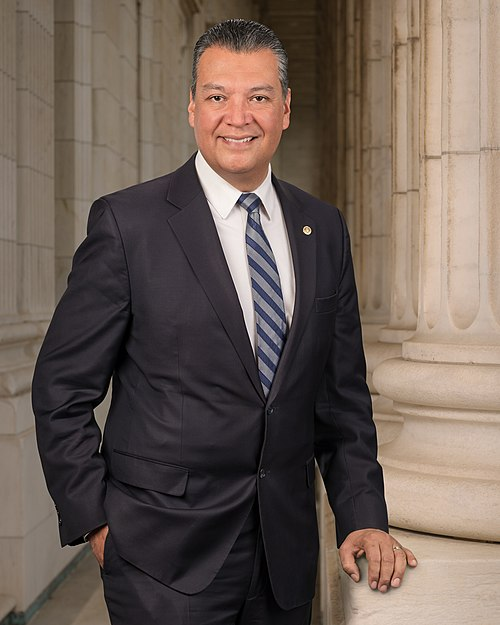
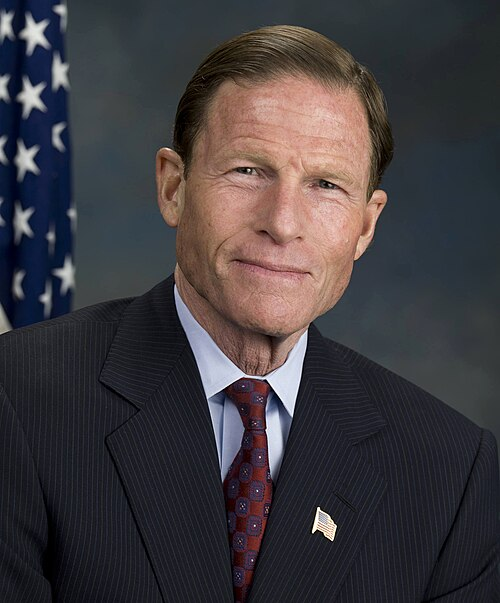
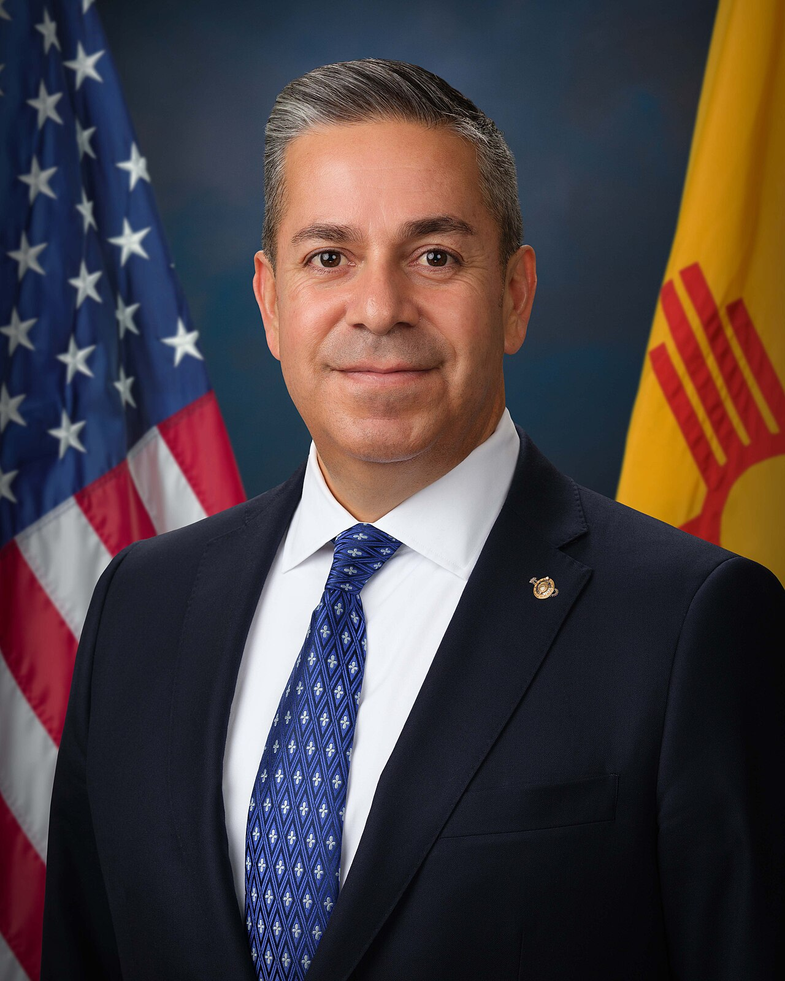
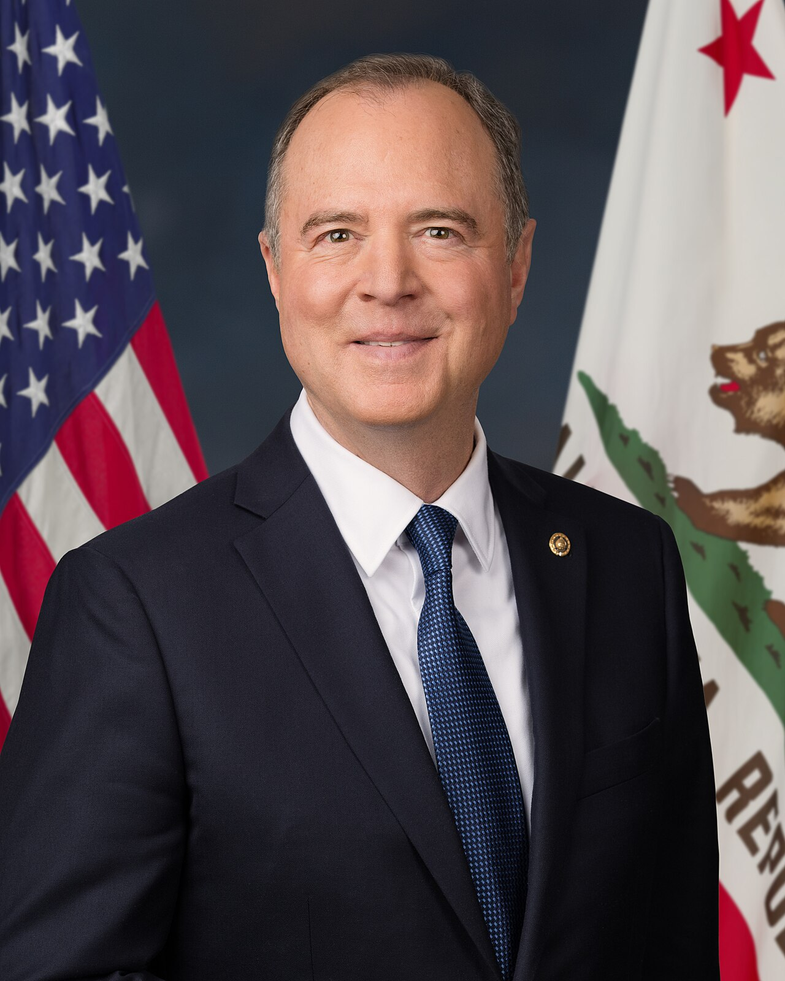
8 bill sponsors



Actions
2 actions
| Date | Action |
|---|---|
| Sep. 24, 2026 | Introduced in Senate |
| Sep. 24, 2026 | Read twice and referred to the Committee on Health, Education, Labor, and Pensions. (Sponsor introductory remarks on measure: CR S5004) |
Corporate Lobbying
0 companies lobbying
None found.
* Note that there can be significant delays in lobbying disclosures, and our data may be incomplete.
Potentially Relevant Congressional Stock Trades
No relevant congressional stock trades found.