
S. 5558: Barriers to Suicide Act of 2026
This bill would create a federal grant program, run by the Secretary of Transportation, to help states and other eligible entities install suicide-prevention measures at certain structures. The goal is to reduce deaths by jumping from places such as:
- bridges
- buildings
- parking garages
- highway-rail grade crossings
- rail stations
The program would fund evidence-based suicide deterrents, meaning measures that have research or evaluation showing they are likely to reduce or prevent suicide and continue to be effective over time. Examples named in the bill include suicide prevention nets and barriers.
Grants would be awarded on a competitive basis. Eligible applicants would include states, local governments, and other entities the Transportation Secretary considers appropriate. To receive a grant, an applicant would have to submit an application in a form and with information the Secretary requires.
When choosing projects, the Secretary would have to give priority to locations with higher suicide rates, based on both the number of suicides and the rate per person, as well as any other priority factors the Secretary sets.
For projects funded under the program, the federal government could pay up to 80% of the cost, with the remaining share coming from other sources.
The bill would authorize $10 million per year for fiscal years 2026 through 2030 to fund the program.
It would also make a separate change to federal highway law so that the National Highway Performance Program can be used for installing safety barriers and nets on bridges that are part of the National Highway System.
In addition, the bill would require the Government Accountability Office to study suicide-prevention nets and barriers on structures other than bridges. That study would look at:
- which other structures attract suicide-by-jumping incidents
- what features make those structures higher risk
- which nets, barriers, or natural barriers work best
- other ways to reduce suicide-by-jumping besides nets and barriers
- how effective those measures are
- which entities usually install them
- their costs
The GAO would have to report its findings to the relevant House and Senate committees within one year of enactment.
Relevant Companies
- None found
This is an AI-generated summary of the bill text. There may be mistakes.
Sponsors
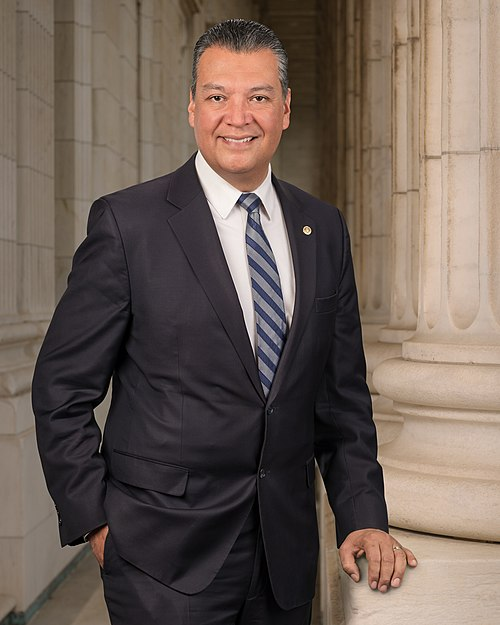
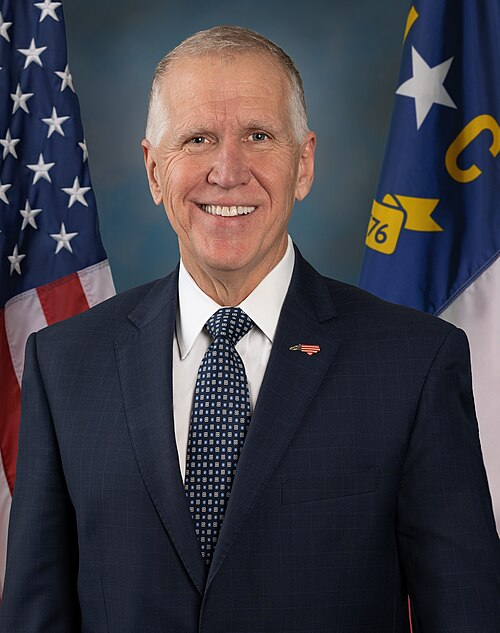
3 bill sponsors

Actions
2 actions
| Date | Action |
|---|---|
| Sep. 24, 2026 | Introduced in Senate |
| Sep. 24, 2026 | Read twice and referred to the Committee on Commerce, Science, and Transportation. (Sponsor introductory remarks on measure: CR S5004) |
Corporate Lobbying
0 companies lobbying
None found.
* Note that there can be significant delays in lobbying disclosures, and our data may be incomplete.
Potentially Relevant Congressional Stock Trades
No relevant congressional stock trades found.